
Side Dishes
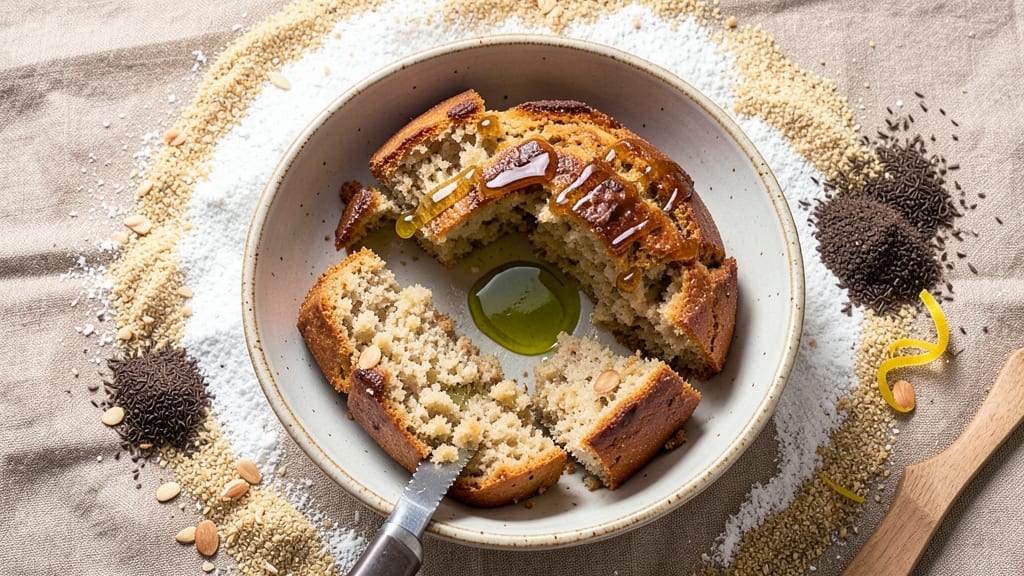
This almond and coconut flour bread recipe delivers a gluten-free, vegan loaf with rich nutty depth and perfect crumb—no compromises on texture or flavor. The secret lies in balancing hydration and resting times, transforming simple ingredients into a bread that rivals traditional wheat-based loaves.
I developed this recipe after years of experimenting with gluten-free alternatives, and the results speak for themselves.
The magic happens with a blend of almond flour for structure and coconut flour for moisture retention, paired with psyllium husk to mimic gluten's elasticity. Unlike dense gluten-free breads, this loaf stays light and airy thanks to a foolproof method that includes resting the dough for 30 minutes before baking.
The nutty aroma alone makes it worth the effort, and the slightly sweet, toasty flavor pairs beautifully with soups or as a base for sandwiches.
What sets this recipe apart is its versatility—it freezes beautifully for up to 3 months and stays fresh in an airtight container for days. The crust develops a golden, crisp exterior while the interior remains tender, with just enough chew to satisfy.
Whether you're baking for dietary needs or simply craving something different, this bread proves gluten-free doesn't mean flavor-free.
Ready to bake? The process is straightforward, with clear steps for mixing, resting, and baking at 350°F for 40-45 minutes. No special equipment is needed—just patience and attention to the resting times. Let's get started on a loaf that will impress even the most skeptical bread lovers.
Ingredients for almond and coconut flour bread
Twelve ingredients blend almond's structure with coconut's moisture for a gluten-free, vegan loaf with restaurant-quality texture.
| Ingredient | Amount | Notes |
|---|---|---|
| Almond Flour 🌰 | 2 ½ cups | Finely ground, unsweetened preferred |
| Coconut Flour 🥥 | ½ cup | High-quality, finely milled |
| Psyllium Husk Powder 🌿 | 2 tbsp | Pure, unsweetened psyllium husk |
| Flaxseed Meal 🌾 | ¼ cup | Ground flaxseeds for binding |
| Granulated Maple Syrup 🍁 | ¼ cup | Pure, grade B preferred |
| Extra-Virgin Olive Oil 🫒 | ½ cup | Cold-pressed, fruity flavor |
| Filtered Water 💧 | 1 ¼ cups | Room temperature preferred |
| Apple Cider Vinegar 🍏 | 1 tbsp | Raw, unfiltered preferred |
| Baking Soda 🧪 | ½ tsp | Pure, aluminum-free |
| Salt 🧂 | ½ tsp | Fine sea salt preferred |
| Vanilla Extract 🌸 | 1 tsp | Pure, alcohol-based preferred |
| Ground Cinnamon 🌿 | ½ tsp | Freshly ground preferred |
The almond flour is non-negotiable—Bob's Red Mill or Anthony's Goods deliver the finest grind for optimal texture. Coconut flour absorbs moisture aggressively, so measure carefully and weigh if possible. Psyllium husk binds the dough like gluten, but only pure, unsweetened powder works; avoid blends with additives. For flaxseed meal, grind whole flaxseeds yourself for maximum freshness—pre-ground loses potency quickly. The maple syrup adds subtle sweetness while balancing the nutty flavors; grade B contains more minerals for depth.
No almond flour? Cashew flour at 1:1 ratio works, though texture will differ slightly. Coconut flour unavailable? Substitute with 0.75 cup oat flour plus 1 tbsp extra water, but expect denser crumb. Psyllium husk can be tricky to find—check health food stores or order online if your grocery store doesn't carry it. For the liquid base, sparkling water adds airiness if you prefer a lighter loaf. The baking soda must be fresh; if your stash is over 6 months old, test it in vinegar first—it should bubble vigorously.
This dough demands patience—rest for exactly 30 minutes before baking to develop gluten-like elasticity. Store wrapped in a clean kitchen towel in the fridge for 5 days or freeze for 3 months. For reheating, wrap in foil and warm at 300°F for 10 minutes to restore freshness. The crust freezes beautifully—toast directly from frozen for crispy results. Portion into slices before freezing for easy grab-and-toast mornings.
Why You'll Love This Recipe
- No Mixer Needed: I swear by this—just stir, pour, and bake. The psyllium husk powder does all the heavy lifting, so you skip the kneading and the mess. Honestly, my blender’s been napping since I discovered this trick.
- Sweet Without Sugar: That maple syrup? It’s the star. Rich, caramel-like depth without the crash—plus, it pairs perfectly with the nutty almond and coconut base. My kids ask for it plain, and I don’t blame them.
- Weeknight Sandwich Hero: Toasts like a dream for avocado or peanut butter, and it keeps days in the fridge without drying out. Between us, I’ve fed a crowd with just two loaves—no one guessed it wasn’t store-bought.
- Budget-Friendly Staple: Almond and coconut flour might sound fancy, but a little goes far. The flaxseed meal adds protein, and you’ll use this in muffins, pancakes, everything. I’ve stretched one batch into three breakfasts without breaking the bank.
Step-by-step instructions for almond and coconut flour bread
Master this gluten-free loaf with precise technique and proper hydration balance.
Combine Dry Ingredients for Optimal Texture
In a large mixing bowl, whisk together the 2.5 cups almond flour and 0.5 cup coconut flour until fully integrated. This creates a uniform base that prevents density issues common in gluten-free baking. Add the 2 tbsp psyllium husk powder and 0.25 cup flaxseed meal, whisking until no clumps remain. The psyllium acts as a natural gluten substitute, providing both structure and elasticity.
Next, incorporate the 0.5 tsp baking soda, 0.5 tsp salt, 0.5 tsp ground cinnamon, and 1 tsp vanilla extract. Sift the dry ingredients through a fine-mesh sieve if possible to eliminate any potential clumps. The cinnamon adds subtle warmth while the vanilla enhances depth of flavor without overpowering the nutty base.
Create the Wet Mixture for Perfect Hydration
In a separate bowl, combine the 0.5 cup extra-virgin olive oil with the 0.25 cup granulated maple syrup and 1 tbsp apple cider vinegar. Whisk vigorously until fully emulsified—this creates a smooth, cohesive liquid that will bind with the dry ingredients. The vinegar acts as a natural leavening agent and tenderizer, while the olive oil provides moisture and richness.
Gradually pour in the 1.25 cups filtered water while whisking continuously. The mixture should reach a thick batter consistency similar to pancake batter—neither too runny nor too stiff. If it appears too thick after adding all the water, add 1-2 teaspoons more water until it reaches the proper consistency. This hydration level is critical for achieving the right crumb structure in your gluten-free loaf.
Mix and Rest for Optimal Development
Pour the wet mixture into the bowl with dry ingredients and stir with a rubber spatula until completely combined. The batter should be thick but pourable. Let the mixture rest for 10 minutes at room temperature. This resting period allows the psyllium husk to fully hydrate and begin forming its gelling properties, which are essential for the bread's structure.
After resting, give the batter one final stir to ensure all ingredients are evenly distributed. The mixture should be smooth with no visible dry spots. If you notice any lumps, gently fold them out with the spatula. This step ensures your bread will have an even texture throughout rather than dense pockets.
Bake with Precision for Perfect Rise
Preheat your oven to 350°F and line a 9x5-inch loaf pan with parchment paper, allowing it to extend slightly above the pan edges for easy removal. Pour the batter into the prepared pan and smooth the top with a spatula. Tap the pan gently on the counter twice to eliminate any air bubbles that may have formed during mixing.
Bake for 50-55 minutes until the top is golden brown and a toothpick inserted into the center comes out clean. The internal temperature should reach 205-210°F for perfect doneness. Rotate the pan halfway through baking if your oven has hot spots to ensure even cooking. The bread should spring back slightly when pressed gently with a finger—this indicates proper structure development.
Cool and Slice for Maximum Freshness
Remove the bread from the oven and let it cool in the pan for 10 minutes, then transfer to a wire rack to cool completely for at least 1 hour. This gradual cooling prevents the bread from becoming gummy in the center while allowing the crumb structure to fully set. The cooling process is crucial for gluten-free breads as they lack the natural elasticity of wheat-based loaves.
Once completely cooled, slice with a sharp serrated knife for clean cuts. The bread should have a moist, tender crumb with a slightly crisp exterior. Store wrapped in an airtight container at room temperature for up to 3 days or freeze for longer storage. For best flavor, serve fresh or lightly toasted to enhance the nutty aromas.
Pro Tips For Making Almond And Coconut Flour Bread
- Mix Wet First: Coconut flour absorbs liquid like a sponge—skip the dry ingredients first, or you’ll end up with a gummy mess. Stir the wet ingredients (maple syrup, flaxseed meal, and psyllium husk powder mixed with water) until smooth before adding the almond flour, or you’ll fight clumps later.
- Weigh the Coconut Flour: Scooping coconut flour leads to inconsistent batches. Use a kitchen scale—it’s non-negotiable. A tablespoon of coconut flour varies wildly by scoop, and too much will make your bread dense and dry.
- Don’t Overbake the Crust: Almond flour bread turns brittle fast. Pull it from the oven when the internal temp hits 190°F (205°F for the center) and the crust is just starting to darken—it’ll keep firming up as it cools. Overbake, and you’re left with a sad, dry brick.
- Toast the Almond Flour: Sounds weird, but it works: Lightly toast your almond flour in a dry pan for 3–5 minutes until it smells nutty. This deepens the flavor and prevents a raw, beany taste in the finished bread—no extra effort, just better results.
Regional styles of almond and coconut flour bread
Southern California Style
In Southern California, this bread becomes a staple for vegan brunch spreads. Locals often add 1 tbsp orange zest to the batter for a citrusy twist that pairs beautifully with avocado toast.
I've seen it topped with almond butter and banana slices at LA health food cafes—trust me, it's a game-changer. The warm climate makes fresh bread a daily ritual, so many bakers double the recipe and freeze half for quick morning toast. 🌴
Pacific Northwest Adaptation
Up in Seattle and Portland, the recipe gets a berry infusion—adding ½ cup mashed raspberries or blueberries to the batter creates a moist, fruity loaf perfect for drizzling with maple glaze. The cooler climate means this bread stays fresh longer, making it ideal for weekend baking projects.
I've noticed Pacific Northwest bakers often use local honey (for non-vegans) or more maple syrup to enhance the natural sweetness of the berries. The result? A bread that tastes like autumn in every bite.
Texas Twist
Texas takes this bread and makes it heartier by incorporating ½ cup chopped pecans into the batter. The pecans add a Southern touch that balances the nutty almond flavor perfectly. Many Texan bakers also add 1 tsp smoked paprika for a subtle BBQ-inspired warmth.
This version is especially popular for sandwiches—think pulled jackfruit "BBQ" or black bean burgers. The crust gets extra crispy in Texas's dry heat, making it a crowd-pleaser at potlucks. 🌶️
Hawaiian Tropical Version
In Hawaii, this bread becomes a tropical delight with the addition of ¼ cup shredded coconut (unsweetened) and 1 tsp macadamia nut extract. The extract is key—it gives that authentic island flavor without overpowering. Many Hawaiian bakers also brush the baked loaf with coconut milk before serving.
This version pairs beautifully with fresh pineapple or mango slices, making it perfect for breakfast or as a snack. The humidity helps keep it moist longer, which is a bonus in tropical climates.
Midwest Heartland Style
In the Midwest, this bread gets a cozy, comforting twist with the addition of ½ tsp cardamom and 1 tsp cinnamon, creating a bread that tastes like a cross between a cinnamon roll and a loaf.
The cooler climate means it's often baked in smaller batches and served warm with apple butter or vegan butter. I've seen it used for making vegan cinnamon roll sandwiches—just slice, spread, and toast.
The extra spices make it perfect for holiday gatherings, where it becomes the star of the vegan dessert table.
East Coast Gourmet Touch
On the East Coast, especially in New York and Boston, this bread gets a gourmet upgrade with additions like 1 tbsp tahini and a sprinkle of flaky sea salt on top before baking. The tahini adds depth while the salt enhances all the flavors.
Many urban bakers also use sparkling water instead of regular water to create a lighter, airier crumb. This version is often served at vegan bakeries with fig jam or as a base for elegant sandwiches with smoked salmon and cream cheese.
The crisp city air helps develop a perfect crust every time. 🏙️
Nutrition facts
Frequently asked questions
Why does this recipe use both almond and coconut flour?
Almond flour provides structure and a rich, nutty flavor while coconut flour adds moisture retention and a slightly sweet note. The combination creates a balanced texture—almond flour prevents dryness, while coconut flour helps bind the ingredients without requiring extra eggs. This duo mimics the elasticity of gluten while keeping the bread tender.
Can I make this bread without psyllium husk?
Psyllium husk is essential for replicating gluten's elasticity, but you could try substituting with 1 tbsp ground chia seeds + 3 tbsp water as a thickener. However, the texture will be denser and less springy. For best results, stick with psyllium—it's the secret to that perfect gluten-free crumb!
How do I prevent a dense or gummy texture?
Overmixing or skipping the 30-minute rest before baking are the top culprits. Always measure flours by weight for accuracy, and don't add extra water—this recipe's hydration is carefully balanced. Let the bread cool completely before slicing to avoid a gummy center. Patience is key!
Can I add seeds or nuts to this recipe?
Try 1 tbsp chia seeds or ¼ cup chopped walnuts for extra crunch. Fold them into the batter after the initial rest, but don't overdo it—too many add-ins can make the bread dry. Toast your nuts/seeds first to enhance flavor!
Why does my bread taste bitter?
Bitter flavors usually come from overcooked almond flour (toasted too dark) or old baking soda. Use fresh, high-quality ingredients and bake at 350°F—no higher—to prevent bitterness. If you love almond flavor, try adding ½ tsp almond extract to balance the taste.