
Desserts
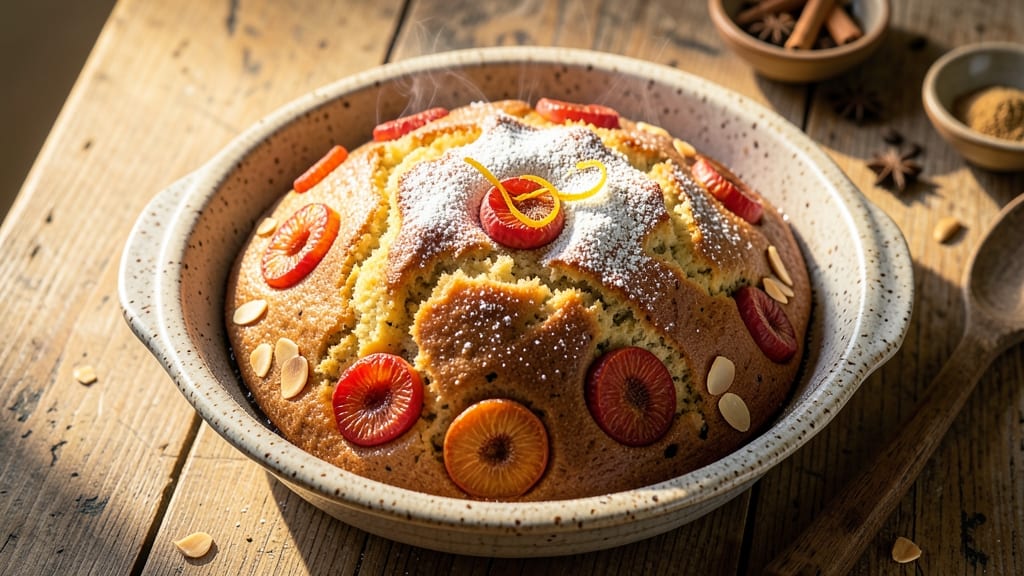
This apricot tea bread recipe delivers a perfect balance of warm spiced tea notes and sweet, chewy apricot swirls—ideal for afternoon tea or weekend brunch. The secret lies in infusing the dough with black tea for subtle depth, while dried apricots add natural sweetness and texture.
Every slice offers a harmonious blend of flavors that feels both comforting and sophisticated.
The recipe begins with a simple yet flavorful dough that incorporates tea leaves directly, allowing their aromatic qualities to develop during the rise. Folded-in apricot pieces create tender pockets of fruit throughout, ensuring each bite delivers that signature apricot tea bread experience.
Baking at 350°F for 45-50 minutes yields a golden, slightly domed loaf with a crisp crust and moist interior.
What sets this apart is the bright citrus glaze—a zesty contrast to the rich bread—that adds a professional finish without overwhelming the delicate apricot flavor. The glaze hardens just enough to hold its shape while maintaining a subtle sheen, making every slice look as appealing as it tastes.
Perfect for gifting or serving alongside your favorite tea, this bread is a crowd-pleaser that feels like a homemade hug.
For best results, let the bread cool completely before slicing to achieve clean, even cuts. Store wrapped at room temperature for up to 3 days, or freeze for longer shelf life.
The combination of tea-infused dough and apricot swirls creates a dessert that’s both nostalgic and refined—ideal for any occasion where you want to impress.
Ingredients for apricot tea bread
Eight slices of tea-infused heaven with apricot swirls and citrus glaze magic.
| Ingredient | Amount | Notes |
|---|---|---|
| All-Purpose Flour 🌾 | 4 cups | Sifted for light texture |
| Granulated Sugar 🍚 | ¾ cup | Light brown preferred |
| Unsalted Butter 🧈 | 1 cup | Cold, cubed for dough |
| Large Eggs 🥚 | 2 whole | Room temperature for blending |
| Black Tea Leaves ☕ | 2 tbsp | Loose-leaf Earl Grey ideal |
| Hot Water 💧 | ½ cup | Steep tea leaves first |
| Dried Apricots 🍑 | 1 cup | Chopped, not pre-sliced |
| Active Dry Yeast 🍞 | 2 ¼ tsp | 1 packet, fresh preferred |
| Milk 🥛 | ½ cup | Warm, not hot |
| Vanilla Extract 🌸 | 1 tsp | Pure extract, not imitation |
| Ground Cinnamon 🌿 | 1 tsp | Freshly ground preferred |
| Salt 🧂 | ½ tsp | Fine sea salt preferred |
| Orange Zest 🍊 | 1 tbsp | Freshly grated, no pith |
| Powdered Sugar 🍚 | 1 cup | For citrus glaze |
| Lemon Juice 🍋 | 2 tbsp | Freshly squeezed |
The tea leaves make all the difference—Earl Grey adds floral notes, but any black tea works. Loose-leaf is best, but if you're using tea bags, go for two high-quality bags instead of one. For the apricots, dried unsulfured is ideal—they'll keep their color and flavor better. If you can't find them, regular dried apricots work too, but soak them in warm water for 10 minutes first to plump them up. The butter should be cold when you start—cubed and chilled—this keeps the dough from getting too warm and activating the yeast too quickly.
No loose-leaf tea? Two tea bags steeped in hot water will work in a pinch, but strain out the leaves after cooling. Skip the apricots? Dried cherries or cranberries add a nice tart contrast. The glaze can be made ahead—just store it in a small jar in the fridge for up to 5 days. Want extra zing? Add 1/2 tsp of grated orange peel to the glaze. The dough is delicate, so use a kitchen scale if you want to be precise with the flour—it makes a noticeable difference in texture. And if you're worried about overmixing, don't be—the dough is quite forgiving.
This bread tastes even better the next day, so bake it a day ahead if you can. Wrap it tightly in plastic wrap and store at room temperature for up to 3 days—the flavors meld beautifully. For longer storage, slice the bread and freeze the slices between parchment paper for up to 3 months. To reheat, warm slices in a 200°F oven for 5-10 minutes until the glaze is shiny again. The glaze will harden as it cools, but that's normal—it just makes slicing easier and gives that professional look.
Why You'll Love This Recipe
- No-Fuss Mix-In: I swear by this recipe because it’s basically a loaf pan and a whisk away. Just steep your tea leaves in hot water, let them cool, then fold that fragrant liquid into the batter with the butter and sugar. No fancy techniques—just stir, pour, bake.
- Tea-Infused Magic: That first whiff of warm bread pulling from the oven? Earthy, slightly sweet, with a whisper of black tea that lingers like a good cup of Earl Grey. The butter keeps it tender, and the sugar caramelizes just enough to make every slice irresistible.
- Breakfast or Snack Star: Honestly, this bread works anytime—toast it with jam for breakfast, pack slices for lunch, or serve warm with butter at a brunch spread. It’s the kind of thing that disappears fast, so I always make a double batch.
- Budget-Friendly Staple: Between us, this recipe costs pennies but feels like a treat. You’re using pantry basics (flour, sugar, butter) plus a cheap tea bag—no specialty ingredients, no waste. And leftovers? They keep for days, so it’s my go-to for when I need something reliable.
Step-by-step instructions for apricot tea bread with citrus glaze
Here's how to create a tender tea-infused loaf with sweet apricot swirls and bright citrus glaze.
Prepare the Tea-Infused Water and Activate the Yeast
In a small saucepan, combine the 2 tbsp black tea leaves with the 0.5 cup hot water (about 180°F). Let steep for 5 minutes until the water turns a rich amber color. Remove from heat and let cool to 110°F—it should feel warm to your wrist but not hot. In a small bowl, whisk together the cooled tea water with the 2.25 tsp active dry yeast and 0.75 cup granulated sugar. Let sit for 5-10 minutes until frothy—this confirms your yeast is active and ready to work.
This tea infusion gives the bread its signature depth of flavor, while the sugar helps activate the yeast for a light, airy crumb. If the mixture doesn't bubble, your yeast may be old—start over with fresh yeast. The temperature is critical: too hot kills yeast, too cold slows activation.
Mix the Dough and Incorporate the Apricot Swirl
In the bowl of a stand mixer fitted with the paddle attachment, combine the 4 cups all-purpose flour, 1 tsp ground cinnamon, 0.5 tsp salt, and 1 tbsp orange zest. Mix on low speed to distribute the spices evenly. Add the 1 cup cold unsalted butter, cubed, and mix until the butter is broken down into pea-sized pieces.
In a separate bowl, whisk together the 2 whole large eggs, 0.5 cup warm milk, 1 tsp vanilla extract, and the yeast-sugar mixture. With the mixer running on low, gradually add the wet ingredients to the dry ingredients, mixing just until combined. The dough will be shaggy but will come together as you work. Turn out the dough onto a lightly floured surface and knead gently for 2 minutes—just enough to bring it together.
Divide the dough in half. Roll one half into a 12x6-inch rectangle and spread with 1 cup chopped dried apricots, leaving a 1-inch border around the edges. Roll up tightly from the long side to form a log. Repeat with the remaining dough and apricots. Place both logs seam-side down in a 9x5-inch loaf pan lined with parchment paper.
Proof the Dough for Maximum Rise
Cover the loaf pan with a damp kitchen towel and let the dough rise in a warm place for 1-1.5 hours, or until the dough has doubled in size and puffs slightly above the rim of the pan. The kitchen should feel warm—if it's cool, place the pan near a turned-on oven light or in a slightly warmed oven (off) with a bowl of hot water on the bottom rack.
Gently press two fingers into the dough—if the indentation springs back slowly, it's ready. Overproofing leads to dense bread, so keep an eye on it. The tea-infused dough will rise more slowly than regular dough, so be patient. This step develops the bread's airy texture and ensures a light crumb.
Bake to Golden Perfection
Preheat your oven to 350°F. Bake the loaf for 45-50 minutes, until the top is golden brown and a toothpick inserted into the center comes out clean. If the top browns too quickly, tent the loaf with foil after 20 minutes to prevent over-browning. The bread is done when it sounds hollow when tapped on the bottom.
Remove from the oven and let the loaf cool in the pan for 10 minutes, then transfer to a wire rack to cool completely. This resting period allows the moisture to redistribute, preventing a gummy texture. While the bread cools, prepare the citrus glaze by whisking together the 1 cup powdered sugar and 2 tbsp lemon juice until smooth.
Glaze and Serve Freshly Baked
Once the loaf is completely cool, brush or drizzle the citrus glaze evenly over the top and sides. The glaze should be thin enough to coat but not so thick that it pools. Let the glaze set for 10 minutes before slicing—this ensures it adheres beautifully and doesn't drip.
Slice the bread into 8 equal pieces and serve warm. The combination of the tea-infused crumb, sweet apricot swirls, and bright citrus glaze creates a harmonious balance of flavors. Store any leftovers in an airtight container for up to 3 days, or freeze for up to 1 month. The bread tastes even better the next day as the flavors meld together!
Pro Tips For Making Apricot Tea Bread
- Brew Tea First: Steep the black tea leaves in 1 cup of boiling water for exactly 5 minutes—no longer, or the bitterness will ruin the bread’s delicate flavor. Strain and let it cool to room temperature before mixing; cold tea prevents butter from melting prematurely in the batter.
- Cream Butter and Sugar Slow: Use a stand mixer or hand mixer to cream the butter and sugar for 3-4 minutes until pale and fluffy—not just combined. This step matters most: under-creaming leads to dense bread, while overworking it adds air but can make the texture gummy.
- Fold in Apricots Gently: When adding chopped apricots (if using), use a spatula to fold them in just until distributed—don’t overmix. Overworking the batter deflates the leavening agents, and you’ll end up with a heavier loaf. A few lumps are fine; texture is more important than perfection here.
- Check Doneness with a Thermometer: The bread is done when the internal temperature hits 205°F (96°C)—not when it springs back when pressed. Ovens vary wildly, so relying on time alone is risky. If it pulls away from the pan but still feels doughy, tent with foil and bake 5 more minutes.
Common mistakes when making great apricot tea bread
Overmixing the Dough
I’ve made this mistake more times than I’d like to admit—overmixing the dough turns your apricot tea bread into a dense, chewy brick instead of a light, airy loaf.
The dough should come together just until it’s smooth and elastic, about 2 minutes by hand or until it pulls away from the sides of the bowl in a stand mixer. Overworking develops too much gluten, which is great for bagels but ruins the tender crumb of this bread. 🌾
Skipping the Proofing Test
One of the biggest rookie mistakes is eyeballing the dough’s readiness instead of using the finger test
. Press two fingers gently into the dough—if the indentation springs back slowly (not immediately), it’s ready. If it springs back right away, give it more time. Overproofed dough collapses during baking, while underproofed dough won’t rise enough, leaving you with a flat, dense loaf. Patience here makes all the difference!Using Cold Ingredients
The butter, milk, and eggs should all be at room temperature when you start mixing. Cold butter creates pockets of fat that don’t incorporate smoothly, leading to a crumbly texture. Warm milk (not hot) activates the yeast gently, while cold eggs can make the dough too stiff.
Take 10-15 minutes to let everything sit out before you begin—it’s a small step that prevents a lot of headaches later. ⏰
Ignoring the Tea Steep Time
Rushing the tea infusion is a fast track to bland bread. The 5-minute steep is non-negotiable—it extracts the full flavor and aroma from the leaves.
If you skip this or use tea that’s too weak, your bread will taste like regular bread with a hint of apricot, not the rich, tea-infused experience you’re aiming for. Pro tip: Use Earl Grey for a floral note, or English Breakfast for a bolder tea flavor.
Overfilling the Loaf Pan
Packing the dough too tightly into the pan leaves no room for it to expand during baking, resulting in a squat, misshapen loaf.
The dough should fill about 75% of the pan’s capacity—think of it like filling a glass to the brim with water, then leaving a little space at the top. This ensures the bread rises beautifully and doesn’t spill over.
Trust me, your bread will thank you for the extra room! 🍞
Baking Without a Thermometer
Oven temperatures can vary wildly—even 350°F might actually be 325°F or higher. Without a thermometer, you risk underbaking (a gummy center) or overbrowning (a dry crust). Invest in an oven thermometer—they’re cheap and save you from ruined batches.
Place it in the oven while preheating to check the actual temperature before you bake. It’s a game-changer for consistent results every time. 🌡️
Nutrition facts
Frequently asked questions
Can I substitute dried apricots with fresh ones?
Fresh apricots won't work in this recipe—they release too much moisture and won't hold their shape during baking. For a similar texture, try dried cherries or cranberries (soaked in warm water for 10 minutes first). If you want fresh fruit, consider adding it as a topping after baking instead.
Why does my tea bread taste like regular bread?
The tea flavor comes from properly steeping the leaves—don't skip the 5-minute steep! Use loose-leaf tea (like Earl Grey) for best results, or two high-quality tea bags if that's all you have. Weak tea infusion is the #1 reason bread tastes bland.
How do I make this recipe gluten-free?
Replace the all-purpose flour with a 1:1 gluten-free baking flour blend (like Bob's Red Mill) plus 1 tsp xanthan gum. The yeast may need 5 extra minutes to activate, and the dough will be stickier. Proof time may also increase—watch for the finger test instead of timing.
Can I make this bread without a stand mixer?
Mix the dough by hand in a large bowl using a wooden spoon or your hands. Knead for 3-4 minutes until smooth—just until the dough comes together. The texture will be slightly less tender but still delicious. A pastry cutter works great for cutting in the cold butter.
What's the best way to reheat sliced apricot tea bread?
Warm slices in a 200°F oven for 5-7 minutes until the glaze softens. For microwave reheating, wrap slices in a damp paper towel and heat for 10-15 seconds. The bread reheats best when slightly warm—not hot. Freshly baked bread is always best, but reheating preserves that homemade magic!