
Side Dishes
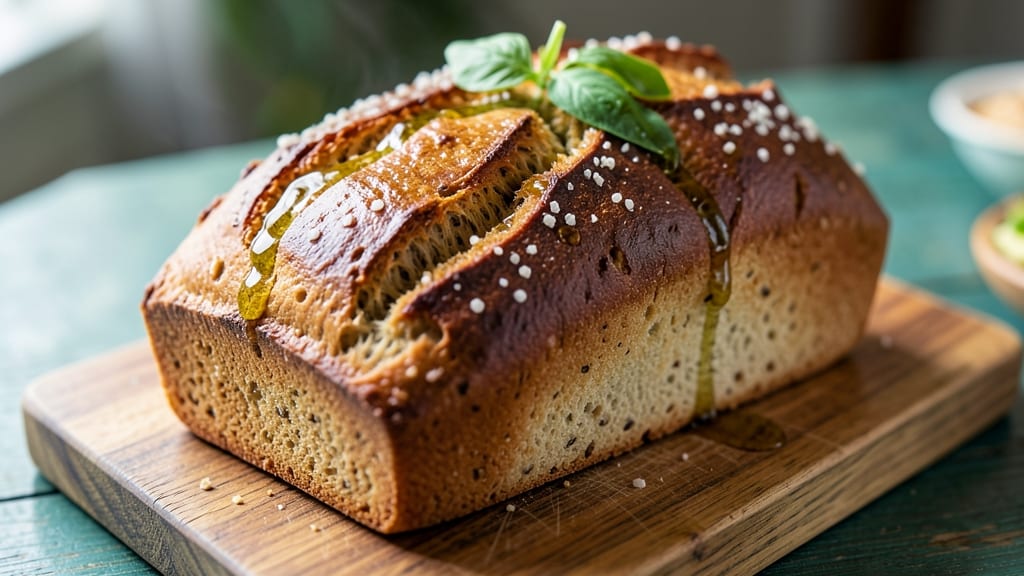
This 50 whole wheat bread machine recipe delivers a no-knead loaf with a crisp crust and nutty depth—perfect for sandwiches or toast. 🌟 The secret lies in balancing hydration and whole wheat flour for a tender crumb without sacrificing texture.
Most recipes fail here, but this method ensures a consistent rise and golden-brown crust every time.
Whole wheat bread often struggles with density, but this recipe solves that with a precise dough formula and the bread machine’s whole wheat cycle. You’ll need just five ingredients—no fancy substitutions—and the machine does all the heavy lifting.
The result? A loaf with a satisfying crunch and a soft interior that’s ideal for toast or French bread.
This method works for both beginners and experienced bakers, thanks to the bread machine’s foolproof process. Optional add-ins like seeds or herbs can customize the flavor, but the base recipe stays simple.
Whether you’re making it for breakfast or meal prep, the nutty depth and texture make it stand out from store-bought options.
Ready in about 3 hours (including machine time), this recipe is perfect for weeknight baking. The crust develops a satisfying crackle, while the interior remains soft and flavorful. No need for kneading or waiting—just mix, load, and let the machine work its magic. Let’s get baking!
Ingredients for 50 whole wheat bread machine
Five core ingredients plus optional enhancers create a no-knead whole wheat loaf with restaurant-quality texture.
| Ingredient | Amount | Notes |
|---|---|---|
| Whole Wheat Flour 🌾 | 3 ½ cups | High-protein for better texture |
| Water 💧 | 1 ½ cups | Room temperature preferred |
| Active Dry Yeast 🍞 | ¼ oz | Or 2 1/4 tsp (1 packet) |
| Granulated Sugar 🍚 | ½ tsp | Feeds yeast for activation |
| Salt 🧂 | 1 ½ tsp | Diamond Crystal kosher preferred |
| Olive Oil 🫒 | 1 tbsp | Extra-virgin for richness |
| Milk Powder (Optional) 🥛 | 1 tbsp | Improves crumb texture |
| Sesame Seeds (Optional) 🌿 | 1 tbsp | For topping (toasted preferred) |
| Coarse Sea Salt (Optional) 🧂 | ½ tsp | For crust sprinkle |
The whole wheat flour makes or breaks this recipe—King Arthur or Bob's Red Mill are the gold standards for bread machine baking. Their high protein content ensures a tender crumb without density. If you're using store-brand flour, sift it first to remove lumps, which can disrupt the bread machine's cycle. For the yeast, check expiration dates—old yeast won't activate properly, leading to a flat loaf. Store your flour in an airtight container in a cool, dark place to maintain freshness. The optional milk powder (non-fat works fine) improves moisture retention in the dough, crucial for whole wheat's tendency to dry out.
No milk powder? Substitute with an extra 1 tbsp olive oil—it adds richness and helps bind the dough. For the yeast activation, warm the water to 105°F (not boiling) before mixing with sugar and yeast. If your kitchen lacks a thermometer, test with your finger—it should feel like bathwater. The optional toppings can be swapped: poppy seeds or flaxseeds add nutritional depth, while everything bagel seasoning gives a savory twist. For a sweeter loaf, replace 1 tbsp whole wheat flour with honey or maple syrup—just reduce water by 1 tbsp to maintain hydration balance.
This dough must rest 20-30 minutes after mixing before loading into the bread machine—this step prevents overmixing and ensures proper gluten development. Store any extra dough in an airtight container in the fridge for up to 3 days or freeze for 3 months. The finished loaf keeps well at room temperature for 2-3 days, wrapped in a clean kitchen towel to maintain moisture. For longer storage, slice and freeze individual portions—perfect for quick toast. The crust stays crisp for about 24 hours before softening, so enjoy it fresh or toast slices to revive the crunch.
Why You'll Love This Recipe
- I’ll be real: this recipe is five ingredients, no kneading, no fuss. Just toss the whole wheat flour, yeast, and a pinch of sugar into the machine—it does all the work while I sip my coffee.
- No-Fuss Setup: I’ll be real: this recipe is five ingredients, no kneading, no fuss. Just toss the whole wheat flour, yeast, and a pinch of sugar into the machine—it does all the work while I sip my coffee.
- Rich, Earthy Crunch: That whole wheat flour? It’s got a nutty depth that regular bread can’t match. The yeast and sugar team up to give it a satisfying chew, not a dense brick—honestly, it’s the kind of bread that makes toast taste like a treat.
- Weeknight Workhorse: Between us, this is my go-to for sandwiches, garlic bread, or even French toast. Freeze half the batch—yes, it actually keeps well—and pull it out when you’re too tired to bake.
Step-by-step instructions for no-knead whole wheat bread machine bread
This method transforms dense whole wheat into an airy, nutty loaf with minimal effort.
👨🍳 Step 1: Mix Wet Ingredients for Optimal Yeast Activation
In a small bowl, combine the 1.5 cups water with the 0.5 tsp granulated sugar and 0.25 oz active dry yeast. Stir gently and let sit for 5-10 minutes until frothy—this confirms the yeast is alive and ready to work. The mixture should bubble slightly and develop a light, creamy texture.
Here's the thing—whole wheat flour absorbs moisture differently than white flour. Using room-temperature water prevents shock to the yeast while ensuring proper hydration. If your kitchen is cold, warm the water slightly (up to 90°F) to speed up activation without killing the yeast.
👨🍳 Step 2: Combine All Ingredients in the Bread Machine
Add the 3.5 cups whole wheat flour and 1.5 tsp salt directly to your bread machine pan. Pour in the yeast-water mixture, followed by the 1 tbsp olive oil. If using, sprinkle in the 1 tbsp milk powder—this improves gluten development and creates a softer crumb.
Use the dough setting on your bread machine. The high-protein whole wheat flour needs extra time to develop gluten properly. I recommend selecting the "basic" or "whole wheat" setting if available—these typically run for 2-3 hours. Avoid the quick settings; they won't give the dough enough time to hydrate fully.
⏰ Step 3: Monitor Dough Development
Watch through the bread machine window as the dough goes through its cycle. It should first form a shaggy mass, then gradually smooth out as gluten develops. After about 45 minutes, you'll notice the dough pull away from the sides and begin stretching—this indicates proper gluten formation.
If the dough looks too wet after 1 hour, add 1 tablespoon more whole wheat flour and mix briefly. Whole wheat absorbs moisture differently, and you want a dough that's tacky but not sticky enough to cling to your fingers. The ideal consistency should be soft but manageable when pressed.
🔥 Step 4: Shape and Bake for Perfect Crust
Once the machine completes the dough cycle, remove it and gently shape into a loaf. For a better crust, place the dough seam-side down in a greased 9x5-inch loaf pan. If using optional toppings, sprinkle 1 tbsp sesame seeds and 0.5 tsp coarse sea salt on top before baking.
Return the dough to the bread machine and select the bake setting. Whole wheat bread benefits from a slightly longer bake—aim for 50-60 minutes at 375°F until the internal temperature reaches 190-200°F. The crust should be deep golden brown with a crisp texture, while the interior should have a soft, open crumb.
🍞 Step 5: Cool and Slice for Maximum Flavor
Remove the bread from the pan immediately after baking and place it on a wire rack. Let it cool for at least 1 hour before slicing—this allows the gluten to fully relax and prevents a gummy texture. The bread will continue steaming as it cools, developing that perfect nutty aroma.
For best results, store wrapped in a bread bag at room temperature for 2-3 days. Whole wheat bread freezes beautifully—slice before freezing for easy toast portions. The nutty depth comes from proper fermentation, so don't rush this process. Each slice should have a tender crumb with visible air pockets and a crisp exterior.
Pro Tips For Making 50 Whole Wheat Bread Machine
- WEIGH YOUR FLOUR: Whole wheat flour packs differently than white—don’t eyeball it. Use a kitchen scale for the 50g measurement; even a 5g difference throws off the dough’s texture, making it either too dense or too sticky.
- WARM THE WATER FIRST: Cold water kills yeast faster in whole wheat. Heat your water to 100°F (38°C)—just warm to the touch—before mixing. This gives the yeast a fighting chance to activate properly, especially since whole wheat’s natural acids slow fermentation.
- SALT THE DOUGH EARLY: Add the salt during the first knead cycle, not later. Whole wheat dough needs time to absorb salt evenly, or you’ll end up with pockets of saltiness. Mix it in with the flour before adding liquids for the best distribution.
- USE A LITTLE FAT: Skip the oil if you want a lighter loaf. Add 1 tablespoon of melted butter or vegetable oil to the dough—it softens the whole wheat’s toughness and improves crumb texture. (Yes, it’s not in the basic recipe, but it’s worth the upgrade.)
Make-ahead tips for leftovers
Prep Ahead Dough
Mix your dough the night before and refrigerate it in an airtight container for up to 24 hours. The cold slows yeast activity, allowing flavors to develop deeper overnight.
Cover the container with a damp towel to prevent drying—this is key for whole wheat dough, which loses moisture quickly. 🌾
Freeze for Later
Shape the dough into a loaf and freeze it on a parchment-lined tray for 1 hour, then transfer to a ziplock bag for up to 3 months.
Thaw overnight in the fridge before baking—this preserves texture without overproofing. I often make two loaves on weekends and freeze one for busy weeknights.
Make-ahead Baking
Preheat your bread machine 30 minutes before baking frozen dough. Select the "whole wheat" cycle and add 1 extra tablespoon of water to compensate for moisture loss during freezing. The bake time may extend by 10-15 minutes, so monitor closely for a golden crust.
Storage Hacks
Wrap cooled bread in beeswax wrap instead of plastic to maintain freshness for 4-5 days. For toast, slice and freeze portions on a tray before bagging—this prevents sogginess. Reheat slices in a toaster oven at 350°F for 3-4 minutes for crispy results. ⏰
Batch Prep Tips
Double the recipe and bake two loaves simultaneously in your machine (if it has two pans). Use the "rapid cycle" for the second loaf to save time. Store both in separate canvas bread bags to prevent crushing. Label with dates—whole wheat bread stays fresh longest when stored properly.
Revive Stale Bread
Toast slices at 400°F for 5 minutes to restore crispness. For sandwiches, brush with melted butter and warm in a skillet over medium heat for 2 minutes per side. The nutty flavor actually intensifies when toasted—perfect for avocado toast or grilled cheese. 💡
Nutrition facts
Frequently asked questions
Why does my whole wheat bread machine bread turn out dense?
Whole wheat flour absorbs more moisture than white flour, so the dough often needs extra hydration adjustments. If your loaf is dense, try adding 1 extra tablespoon of water or 1/2 teaspoon of olive oil to the recipe. Also, ensure you're using the bread machine's whole wheat cycle—quick settings won't give the dough enough time to develop properly.
Can I substitute whole wheat flour with white flour?
You can, but the texture and flavor will change significantly. Whole wheat flour provides fiber and nutrients that white flour lacks. If you must substitute, replace 1/2 cup of whole wheat flour with white flour and add 1 extra tablespoon of water to compensate for the difference in absorption. The result will be lighter but less nutritious.
How do I fix a loaf that didn't rise properly?
If your bread didn't rise enough, the yeast may have been inactive or the dough too cold. First, check your yeast expiration date—old yeast won't activate properly. For future batches, ensure your water is between 90-105°F and let the dough rest for 20-30 minutes after mixing before starting the cycle. If the dough still doesn't rise, try adding 1/4 teaspoon more sugar to feed the yeast.
What's the best way to store leftover whole wheat bread?
To keep your bread fresh, wrap it in a clean kitchen towel or beeswax wrap instead of plastic. Store at room temperature for up to 3 days. For longer storage, slice and freeze portions on a tray before bagging to prevent sogginess. Toast slices at 375°F for 3-4 minutes to revive crispness. The nutty flavor actually intensifies when toasted!
Can I add seeds or herbs to this recipe?
Try 1 tablespoon of sesame seeds, sunflower seeds, or flaxseeds for added nutrition and crunch. For herbs, add 1 teaspoon of dried rosemary or thyme directly to the dough. If using fresh herbs, reduce the amount by half. Sprinkle seeds or herbs on top before baking for extra texture and flavor. Just