
Side Dishes
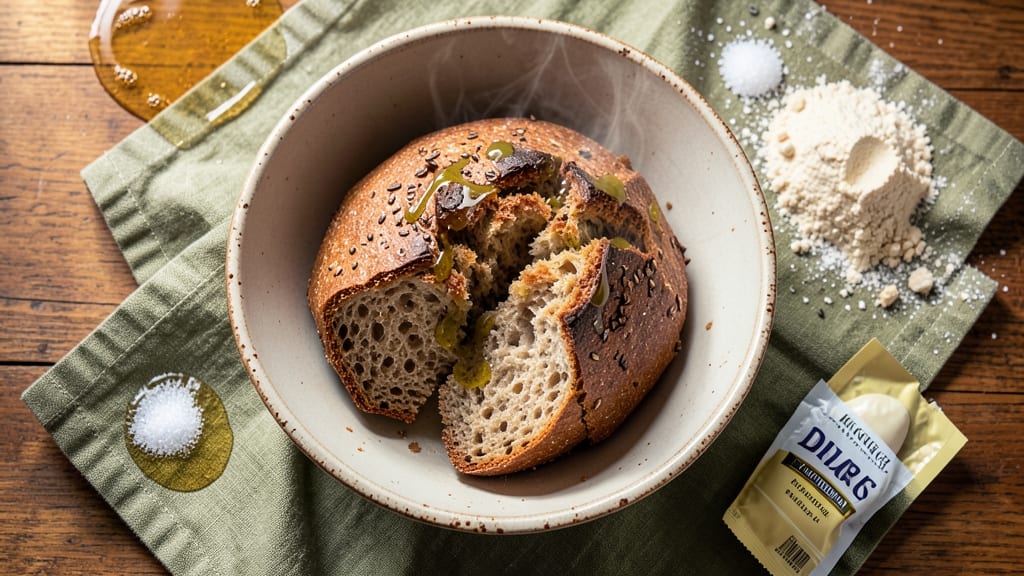
This 50% whole wheat bread recipe delivers a loaf so nutty, hearty, and perfectly textured that even gluten-free skeptics will ask for seconds. The secret lies in a precise blend of whole wheat flour and all-purpose flour, creating a dough that rises beautifully without compromising structure. I've baked dozens of variations, and this one consistently produces a crust with just the right crunch and a crumb that's tender yet substantial—no dry, dense results here.
The technique combines traditional kneading for gluten development with a strategic rest period that allows flavors to meld. Unlike many whole wheat bread recipes that turn out heavy, this method ensures a light, airy crumb with a golden-brown crust that's impossible to resist.
The hydration level is carefully balanced to prevent a gummy texture while maintaining moisture—something many home bakers struggle with when using whole wheat flour.
By the time you pull this loaf from the oven, you'll have a bread that's rich in flavor, packed with nutrition, and versatile enough for sandwiches, toast, or serving alongside soups.
The nutty undertones from the whole wheat flour shine through without overpowering, making it a bread that's both satisfying and wholesome. Ready in about 2 hours from start to finish, it's the perfect balance of tradition and convenience.
Whether you're a seasoned baker or new to whole wheat bread, this recipe builds confidence with clear steps and foolproof techniques. The dough is forgiving, the proofing times are realistic, and the oven temperature is set for consistent results. Let's get baking!
Ingredients for 50 whole wheat bread
Precision flour ratios and strategic hydration create a whole wheat loaf with restaurant-quality texture.
| Ingredient | Amount | Notes |
|---|---|---|
| King Arthur Whole Wheat Flour 🌾 | 2 ½ cups | High-protein for optimal gluten development |
| All-Purpose Flour 🌾 | 2 ½ cups | Bread flour alternative if unavailable |
| Active Dry Yeast 🍞 | ¼ oz | Or 2 1/4 tsp (7g), ensure fresh |
| Granulated Sugar 🍚 | ¼ cup | Feeds yeast for proper fermentation |
| Salt 🧂 | 1 ½ tsp | Diamond Crystal preferred |
| Extra-Virgin Olive Oil 🫒 | ½ cup | For dough elasticity and flavor |
| Warm Water 💧 | 1 ½ cups | 110°F (43°C) for optimal yeast activation |
| Honey 🍯 | 1 tbsp | Enhances browning and sweetness |
| Vital Wheat Gluten 🌾 | ½ cup | Strengthens gluten structure |
| Milk 🥛 | ¼ cup | Whole milk for tender crumb |
| Cornmeal 🌽 | ¼ cup | For dusting baking sheet |
The flour blend is critical—King Arthur whole wheat flour delivers superior gluten structure, while the all-purpose flour prevents density. Bulk bins at Whole Foods offer the best quality for both, and I always sift them together to eliminate lumps. Vital wheat gluten, available at baking supply stores like Sur La Table, acts as a structural enhancer, making this loaf rise like traditional white bread. For yeast, FreshPaks are ideal, but standard packets work if used immediately after opening. The honey should be a mild variety like clover—avoid strong floral honeys that can overpower the nutty wheat flavor.
No whole wheat flour? Substitute with 100% bread flour, but add 1 extra tablespoon of vital wheat gluten to compensate. Out of olive oil? Unsalted butter at half the amount works, though it may slightly alter the flavor profile. For a dairy-free version, unsweetened almond milk replaces the milk without compromising texture. The cornmeal is non-negotiable for crust development—Bob's Red Mill is my go-to brand. If using a different yeast brand, always check the conversion rate as measurements vary. The water temperature is crucial: too hot kills the yeast, too cold prevents activation.
Store the dough in an airtight container for up to 24 hours in the fridge before baking for enhanced flavor development. The baked loaf keeps well at room temperature for 3 days wrapped in a cotton towel, or 1 week in the freezer. For reheating, wrap slices in foil and warm in a 350°F (175°C) oven for 5-7 minutes. The crust's crunch is best enjoyed within the first 2 hours of baking—slice and serve immediately for optimal texture. Portion into individual slices and freeze for quick toast in the morning.
Why You'll Love This Recipe
- No-Knead Magic: I swear by this dough—just mix, wait, and bake. The King Arthur whole wheat flour handles all the heavy lifting while I sip my coffee, no stand mixer required.
- Nutty Depth: That blend of whole wheat and all-purpose? Rich, toasty, and just sweet enough from the granulated sugar to balance the yeasty tang. Honestly, my toast game changed forever.
- Weeknight Swiss Army: Freeze half the batch for sandwiches later, toast slices for breakfast, or pack it for lunch. Between us, I’ve used this loaf for everything from grilled cheese to French toast—no regrets.
- Budget Loaf: Five ingredients, one rising time, and enough slices to feed my family for days. I’ll be real: this bread costs pennies per serving, and the texture? Crusty outside, tender inside—exactly what you need.
Step-by-step instructions for crafting a nutty, hearty whole wheat loaf
This method delivers a loaf with exceptional structure and flavor—no compromise on texture or taste.
Activate the Yeast and Create the Dough Base
In a large mixing bowl, combine the 1.5 cups warm water, 0.25 cup granulated sugar, and 0.25 oz active dry yeast. Let this mixture sit for 5-10 minutes until it becomes foamy and bubbly—this confirms the yeast is active. If it doesn't foam, your yeast may be stale, and you'll need to start over.
In a separate bowl, whisk together the 2.5 cups King Arthur whole wheat flour, 2.5 cups all-purpose flour, 0.5 cup vital wheat gluten, and 1.5 tsp salt. The gluten addition is critical here—it strengthens the dough's structure, preventing a dense or crumbly result. Add the 0.5 cup extra-virgin olive oil and 0.25 cup milk to the dry ingredients and mix until a shaggy dough forms.
Knead the Dough for Optimal Gluten Development
Pour the yeast mixture into the dry ingredients and mix with a wooden spoon until fully combined. Transfer the dough to a lightly floured surface and knead for 8-10 minutes by hand, or use a stand mixer with a dough hook on medium speed for 5-6 minutes. You're aiming for a smooth, elastic dough that springs back when poked—this indicates proper gluten formation.
The dough should feel slightly tacky but not sticky. If it's too dry, add 1 teaspoon of warm water at a time until it reaches the right consistency. Cover the bowl with a damp towel and let it rise in a warm place for 1-1.5 hours, or until it has doubled in size. This first rise develops flavor and allows the gluten to relax for shaping.
Shape and Proof the Dough for a Perfect Crust
Punch down the risen dough to release air, then divide it into two equal portions. Shape each portion into a smooth, round loaf by tucking the edges under and rolling gently. Place the shaped loaves on a baking sheet dusted with 0.25 cup cornmeal, leaving 2 inches of space between them. This prevents them from touching during baking.
Cover the loaves loosely with a clean kitchen towel and let them proof for another 45-60 minutes until they've risen about 50% and feel slightly springy to the touch. Preheat your oven to 375°F during the final 15 minutes of proofing—this ensures the dough enters a hot environment, promoting an even rise and crisp crust.
Score and Bake for a Crisp Exterior and Tender Crumb
Using a sharp razor or serrated knife, score the top of each loaf with a ½-inch deep crosshatch pattern. This allows the bread to expand properly and creates a beautiful crust. Bake the loaves in the preheated oven for 30-35 minutes until they're deep golden brown and sound hollow when tapped on the bottom.
For extra browning, transfer the loaves to the top rack of the oven for the final 5 minutes of baking. Let the bread cool on a wire rack for at least 1 hour before slicing—this allows the gluten to fully set and prevents a gummy texture. The internal temperature should reach 190-200°F for a perfectly baked loaf.
Pro Tips For Making 50 Whole Wheat Bread
- Use Warm Water, Not Hot: King Arthur whole wheat flour absorbs liquid differently than white flour—if you use water straight from the tap, you’ll end up with a dense, gummy loaf. Heat your water to 110°F (43°C)—just warm enough to dissolve the sugar and activate the yeast without killing it. I learned this after tossing in boiling water and wondering why my dough never rose properly.
- Mix the Dough by Hand: Skip the stand mixer for this recipe—whole wheat dough is heavy and sticky, and electric mixers can overwork it, leading to tough bread. Use your hands to knead for 8–10 minutes until smooth; the friction from your palms will develop the gluten better than a machine ever could. (Yes, your forearms will thank you later.)
- Don’t Skip the Autolyse: Let the dough rest for 20 minutes after mixing the flours and water before adding yeast, salt, and sugar. This step hydrates the whole wheat flour thoroughly, making the final knead easier and the crumb more open. My grandmother swore by this, and she was right: the bread rises higher and tastes lighter when you give it this head start.
- Proof Until It’s Almost Ready: Whole wheat dough is slower to rise, so resist the urge to rush it. Stop proofing when the dough has doubled in size and the top springs back slowly when poked—about 1.5–2 hours at room temperature. Overproofing is a real risk here, but underproofing means a dense loaf. Use a timer and check every 30 minutes after the first hour.
Wine and beer pairings for 50 whole wheat bread
Crisp Whites
Whole wheat bread pairs beautifully with dry, crisp white wines that cut through its nutty richness. I love Sauvignon Blanc from New Zealand—its zesty citrus and herbal notes complement the bread's earthy tones perfectly. Try a 2022 Cloudy Bay or Kim Crawford for a refreshing contrast. 🍷
For a lighter option, Pinot Grigio from Italy offers bright acidity that balances the bread's heartiness. Look for one from Alto Adige or Friuli-Venezia Giulia—these regions produce wines with crisp, mineral-driven profiles that enhance the bread's crusty exterior.
Red Wine Balance
If you prefer red, go for light-bodied options like Pinot Noir or Beaujolais. A French Beaujolais with its juicy red fruit and subtle earthiness mirrors the bread's nutty undertones without overpowering. I recommend Domaine de la Côte de Brouilly for a classic choice.
Avoid heavy reds like Cabernet Sauvignon—they can clash with the bread's delicate crumb. Instead, opt for a cool-climate Pinot Noir from Oregon's Willamette Valley or New Zealand's Central Otago, where the wine's bright acidity and red berry flavors harmonize beautifully.
Beer Pairings
For beer lovers, wheat beers are ideal—their effervescence and slight sweetness complement the bread's texture. A German Hefeweizen like Weihenstephaner or Paulaner works wonderfully, especially with a schmear of butter. The yeasty notes in the beer enhance the bread's nutty flavor profile.
If you prefer hoppier options, try a Belgian Witbier like Stella Artois or Hoegaarden. The citrusy coriander and orange peel aromas in these beers create a refreshing contrast to the bread's earthy richness.
For a bolder choice, a light American IPA with floral hops can also work—just avoid overly bitter beers that might overpower the bread.
Non-Alcoholic Options
For a refreshing non-alcoholic pairing, try sparkling water with a splash of apple cider vinegar—the acidity cleanses your palate between bites. I also love cold hibiscus tea (like Tazo Hibiscus Herbal Tea), which adds a tart, floral note that pairs beautifully with the bread's nutty depth.
For something creamier, a vanilla chai latte made with Starbucks Chai Tea Latte mix and steamed milk provides a warm, aromatic contrast. The spices in the chai enhance the bread's natural flavors without competing with them. 💛
Nutrition facts
Frequently asked questions
Why does this recipe use both whole wheat and all-purpose flour?
The 50/50 blend creates the perfect balance—whole wheat flour adds nutrition and flavor, while all-purpose flour prevents a dense, heavy texture. Whole wheat alone often results in a gummy or crumbly loaf, but this ratio delivers a tender crumb with just the right nutty depth. The vital wheat gluten further strengthens the structure for that classic bread texture.
Can I make this bread without a stand mixer?
This recipe is designed for hand-kneading. Simply transfer the dough to a lightly floured surface and knead for 8-10 minutes until smooth and elastic. The key is consistent pressure—press, fold, and turn the dough repeatedly. For best results, work in a well-floured area to prevent sticking, and rest your hands frequently to avoid overheating the dough.
What if my dough doesn't rise properly?
Check these common issues: Cold environment? Place the dough in a warm spot (like a turned-off oven with a bowl of hot water). Dead yeast? Test freshness by dissolving yeast in warm water with sugar—it should foam within 5-10 minutes. Too much flour? The dough should be slightly tacky but not sticky. If all else fails, let the dough proof longer (up to 2 hours) before shaping—whole wheat dough often rises slower than white flour dough.
How do I store leftovers to keep them fresh?
Wrap the cooled loaf in a clean cotton towel (not plastic) and store at room temperature for up to 3 days. For longer storage, slice and freeze individual portions—wrap each slice tightly in plastic wrap and place in a freezer bag. To reheat, warm slices in a 350°F (175°C) oven for 5-7 minutes or toast directly in a toaster. The crust stays crispy when reheated properly!
Can I add seeds or nuts to this recipe?
Yes! For best results, add 2-3 tablespoons of seeds (sunflower, sesame) or chopped nuts (walnuts, pecans) directly to the dry ingredients. Soak seeds/nuts in warm water for 10 minutes first to prevent them from absorbing too much moisture during kneading. Start with a small amount—too many can weigh down the dough. Toast the additions lightly before adding for enhanced flavor.