
Side Dishes
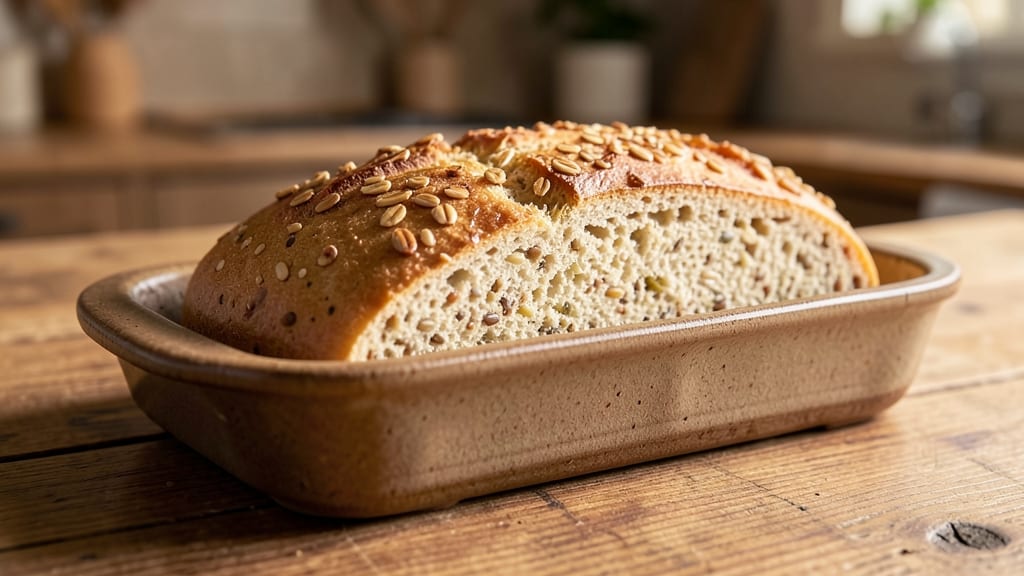
This 8 grain bread recipe delivers the perfect balance of nutty crunch and wholesome texture in every slice—ideal for sandwiches, toast, or serving alongside soups. The blend of whole wheat, rye, barley, and five other grains creates a complex flavor profile with a satisfying chew.
I developed this recipe after years of experimenting with artisan breads, and it consistently yields a loaf that’s both hearty and light.
The secret lies in the grain ratios and hydration level—a careful mix of whole grains and a slightly higher moisture content ensures a tender yet sturdy crumb. Unlike dense whole-grain breads, this version stays soft for days while maintaining a crisp crust.
The dough requires a longer fermentation (overnight in the fridge), which deepens the flavor and improves digestibility—no sourdough starter needed.
By the time you pull it from the oven, you’ll have a loaf with a golden, crackly crust and an open, airy interior speckled with flecks of toasted grains.
The nutty undertones from the rye and barley pair beautifully with the mild sweetness of whole wheat, creating a flavor that’s rich yet approachable. This bread freezes well and toasts to perfect crispness every time.
Perfect for daily meals or gifting, this recipe scales easily for larger batches. Whether you’re a beginner or an experienced baker, the step-by-step process ensures foolproof results—no kneading required. Let’s get started on your wholesome, multi-grain loaf.
Ingredients for 8 grain bread
Eight wholesome grains meet yeast and olive oil for a loaf bursting with nutty crunch and golden crust.
| Ingredient | Amount | Notes |
|---|---|---|
| Whole Wheat Flour 🌾 | 2 cups | High-protein for structure |
| Rye Flour 🌾 | 1 ½ cups | Dark rye for deep flavor |
| Barley Flour 🌾 | ½ cup | Pearled for texture |
| Oat Flakes 🌾 | ½ cup | Steel-cut preferred |
| Spelt Flour 🌾 | ½ cup | Lightly toasted |
| Buckwheat Flour 🌾 | ¼ cup | Rich, earthy flavor |
| Millet Flour 🌾 | ¼ cup | Fine grind preferred |
| Quinoa Flour 🌾 | ¼ cup | Lightly toasted |
| Active Dry Yeast 🍞 | 2 ¼ tsp | Fresh yeast preferred |
| Granulated Sugar 🍚 | 1 ½ tbsp | Feeds yeast fermentation |
| Salt 🧂 | 2 tsp | Diamond Crystal preferred |
| Olive Oil 🫒 | ¾ cup | Extra-virgin for richness |
| Warm Water 💧 | 1 ¾ cups | 105°F for yeast activation |
| Honey 🍯 | 1 tbsp | Wildflower preferred |
The grain blend is where the magic happens. Bob's Red Mill carries all these flours—just check the labels for 100% whole grain. If you can’t find buckwheat flour, use whole buckwheat groats (ground in a coffee grinder). For the oats, steel-cut gives the best texture, but quick oats work in a pinch (just toast them first). The rye and barley are non-negotiable—they deliver that deep, malty backbone. Pro tip: Toast your flours in a dry pan for 3-5 minutes before mixing to amplify those nutty flavors. King Arthur Flour also sells pre-mixed whole grain blends if you're short on time, but making your own ensures you control the ratios.
No buckwheat flour? Substitute with more rye or whole wheat—just bump the total flour to 3 cups. Short on quinoa flour? Use extra millet or spelt. The yeast is the workhorse here, so if yours is old (over 4 months), proof it in warm water with sugar first to test viability. Olive oil matters—avoid light or refined oils that lack flavor. For the honey, any variety works, but wildflower has subtle floral notes that pair beautifully with the grains. If you’re gluten-sensitive, this bread won’t be your best friend, but the fermentation process does improve digestibility compared to raw grains.
This dough is a patient one—ferment overnight in the fridge for maximum flavor. Shape it into a batard or freeform loaf, then let it rise another 1-2 hours at room temp before baking. The crust develops best with steam in the oven (place a tray of boiling water below the bread). For storage, keep wrapped in a cotton towel at room temp for 2-3 days, or freeze slices for up to 3 months. Toasting revives stale slices—high heat for 3-4 minutes brings back that crispy perfection. The leftovers? Perfect for croutons or breadcrumbs—just pulse in a food processor.
Why You'll Love This Recipe
- No-Fuss Mix-In: I swear by this blend—just toss the whole wheat, rye, barley, and spelt flours into one bowl with the oat flakes, add water, and knead. No sifting, no measuring cups out the wazoo—it’s basically a one-bowl, no-fail situation.
- Earthy Depth Bomb: That rye and barley? They bring a nutty, almost caramelized richness you won’t find in plain white bread. Honestly, it’s the kind of flavor that makes you slow down and actually taste your sandwich.
- Lunchbox Legend: Between us, this bread is my go-to for packed lunches—sturdy enough to hold up to hummus or PB&J, but still soft enough to not turn into a brick by noon. (Yes, even on a Tuesday night.)
- Pantry Goldmine: I buy these flours in bulk—they’re cheaper than pre-made multigrain, and a single batch lasts me weeks. Freeze extras, toast them for croutons, or crush them into breadcrumbs—this recipe turns scraps into savings.
Step-by-step instructions for 8 grain bread
Here's how to craft a loaf packed with nutty depth and wholesome texture—every bite delivers.
Activate the Yeast with Honey and Warm Water
In a large mixing bowl, combine the 1.75 cups warm water (tested at 105°F—too hot kills yeast, too cool slows it down) with the 1 tbsp honey and 1.5 tbsp granulated sugar. Stir until fully dissolved, then sprinkle the 2.25 tsp active dry yeast over the surface. Let it sit for 10-15 minutes until you see frothy bubbles forming—this confirms your yeast is alive and ready to work.
I always check the water temperature with a thermometer because room temperature can vary wildly. The mixture should smell subtly sweet and yeasty, not flat or overly sour. If no bubbles appear after 15 minutes, your yeast might be expired—start fresh with a new packet.
Mix the Flours and Hydrate the Dough
Add the 2 cups whole wheat flour, 1.5 cups rye flour, 0.5 cup barley flour, 0.5 cup oat flakes, 0.5 cup spelt flour, 0.25 cup buckwheat flour, 0.25 cup millet flour, and 0.25 cup quinoa flour to the yeast mixture. Stir with a wooden spoon until a shaggy dough forms—this blend of flours creates a dense, hearty texture that holds up beautifully.
Next, drizzle in the 0.75 cup olive oil and mix again. The dough will feel sticky and uneven, which is perfect—this is where the magic begins. Sprinkle in the 2 tsp salt and stir until fully incorporated. The salt enhances the nutty flavors of the grains while balancing the sweetness of the honey.
Knead Until Smooth and Elastic
Turn the dough onto a lightly floured surface and knead for 8-10 minutes by hand (or 5-6 minutes with a stand mixer using a dough hook). You're aiming for a smooth, slightly tacky dough that springs back when poked—this elasticity ensures a light, airy crumb. The combination of whole grains and flours makes this dough denser than traditional bread, so don’t over-knead or it’ll toughen.
Here’s the thing—this dough won’t be as stretchy as all-purpose flour dough. Instead, focus on developing the gluten just enough to create structure while preserving the wholesome texture. If the dough feels too sticky, wet your hands slightly to prevent tearing.
First Rise for Flavor Development
Lightly oil a large bowl, place the dough inside, and cover with a damp towel or plastic wrap. Let it rise in a warm spot (75-80°F) for 1.5-2 hours, or until it has nearly doubled in size. The dough should feel soft and spongy when pressed gently with a finger—this rise allows the yeast to ferment and develop those complex, nutty flavors.
I like to place the bowl near a slightly warm oven (with the light on) to create a cozy environment. Avoid cold drafts, which slow fermentation. If the dough rises too quickly (within 1 hour), it might be overproofed—adjust your yeast quantity next time or try a cooler spot.
Shape and Second Rise for Height
Punch down the dough to release air, then shape it into a round loaf by pulling the edges toward the center and sealing the seam. Place it seam-side up in a greased 9x5-inch loaf pan (or a round cake pan for a free-form loaf). Cover again and let it rise for another 45-60 minutes until it domes slightly above the pan’s rim—this ensures a tall, airy crumb.
For extra crust appeal, you can make a few shallow slashes on top with a sharp knife before baking. This step isn’t mandatory, but it helps control expansion and adds a rustic touch. Preheat your oven to 375°F while the dough finishes its final rise—hot ovens bake bread more evenly.
Bake to Golden Perfection
Bake the loaf for 45-50 minutes until the top is deep golden brown and the internal temperature reaches 205-210°F (use an instant-read thermometer). The bread should sound hollow when tapped on the bottom—this confirms it’s fully baked. If the top browns too quickly, tent it loosely with foil to prevent over-browning.
Real talk: your oven might run hot, so start checking at the 40-minute mark. The crust should be crisp and slightly crackled, while the interior remains moist and tender. Let the bread cool on a wire rack for at least 30 minutes before slicing—this prevents a gummy crumb and lets the flavors settle.
Pro Tips For Making 8 Grain Bread
- TOAST OAT FLAKES FIRST: Skip the gummy mess by dry-toasting your oat flakes in a 350°F oven for 8–10 minutes before adding them to the mix. I learned this the hard way—raw oats soak up too much liquid, turning your dough into a sticky disaster. A quick toast also deepens their nutty flavor, which balances the earthy rye and barley.
- WEIGH YOUR FLOURS: Ditch the cups—scale your whole wheat, rye, barley, and spelt flours by weight for consistency. Those fluffy cup measurements? A joke with dense flours like rye. My first loaf collapsed because I eyeballed it; now I measure to the gram, and the crumb stays light.
- DON’T OVER-KNEAD: These flours are tough—stop mixing once the dough clings but doesn’t stick to your hands (about 8–10 minutes by hand or 5–6 on low speed). Overworking it gums up the spelt and barley, making the bread dense. I used to go until it looked "proper," but now I trust the texture.
- STEAM THE OVEN: Place a metal tray on the bottom rack and pour ½ cup hot water in it right before baking. The steam fights the dryness of rye and barley, giving you a crisp crust without a brick-like center. I skip this, and my bread turns out like a hockey puck—no one wants that.
Best sauces and condiments for this dish
Classic Garlic Butter
Nothing complements this nutty, hearty bread like a simple garlic butter spread. Melt ¼ cup unsalted butter with 2 minced garlic cloves and ½ tsp fresh rosemary over low heat until fragrant.
Spread warm butter on freshly sliced bread for a restaurant-quality finish. For extra richness, add a pinch of flaky sea salt and black pepper before serving. 🧄
Whole Grain Mustard
This bread’s earthy flavors shine with Dijon mustard. Mix 2 tbsp whole grain mustard with 1 tbsp honey and 1 tsp apple cider vinegar for a sweet-tangy contrast.
Spread generously on toasted slices and top with thinly sliced turkey or smoked salmon. The mustard’s texture cuts through the bread’s density beautifully.
Olive Oil and Herbs
Drizzle freshly baked slices with extra-virgin olive oil and sprinkle with finely chopped thyme, oregano, and sea salt. This Mediterranean-style finish enhances the bread’s natural nutty notes without overpowering them. I love adding a few drops of lemon juice for brightness—especially when serving with grilled vegetables or salads.
Spiced Honey Glaze
For a sweet-savory balance, brush warm bread with a glaze made from 2 tbsp honey, ½ tsp cinnamon, and a pinch of cayenne pepper. The heat from the cayenne awakens the grains’ flavors while the honey adds subtle sweetness.
This works especially well for breakfast toast or as a dessert bread with whipped cream. 🍯
Avocado Cream
Mash ½ ripe avocado with 1 tbsp Greek yogurt, ½ tsp lime juice, and salt to taste for a creamy, nutrient-packed spread. The avocado’s healthy fats complement the bread’s wholesome texture while adding a vibrant green contrast.
This is my go-to for brunch or light lunches—especially when paired with smoked salmon or scrambled eggs.
Spicy Harissa
For heat lovers, mix 1 tbsp harissa paste with 1 tsp olive oil and spread on toasted bread. The smoky, spicy harissa cuts through the bread’s richness while adding depth.
Top with crumbled feta cheese and fresh parsley for a Moroccan-inspired twist that pairs perfectly with grilled meats or roasted vegetables.
Nutrition facts
Frequently asked questions about 8 grain bread
Why does this recipe use so many different grains?
Each grain brings unique texture and flavor—rye adds depth, buckwheat contributes earthiness, and oats provide chewiness. The blend creates a complex, satisfying bite while boosting fiber and nutrients. This combination also prevents the bread from becoming too dense, balancing heartiness with tenderness.
Can I make this bread without a stand mixer?
The dough is sticky but manageable by hand. Knead for 8-10 minutes on a lightly floured surface until smooth. Wet your hands occasionally to prevent sticking. The extra hydration from olive oil makes it easier to handle than dry whole-grain doughs.
How do I know when the dough is fully proofed?
Press your finger gently into the dough—if it springs back slowly (not immediately), it's ready. For the first rise, it should nearly double in size (1.5-2 hours). For the second rise, it should dome above the pan's rim (45-60 minutes). Cold drafts slow fermentation, so keep the dough in a warm spot.
Why did my bread turn out dense instead of light?
Over-kneading or underproofing often causes dense bread. This dough needs just enough gluten development—stop when it's smooth but still slightly tacky. Also ensure your yeast is active (10-15 minutes of bubbling) and the oven is fully preheated. A 375°F oven with steam (tray of water below) helps create that airy crumb.
Can I substitute any of the grains?
Yes, but adjust ratios to maintain balance. Replace buckwheat with extra rye or whole wheat, and quinoa flour with millet. Avoid skipping rye or barley—they're key for flavor and structure. For gluten-free versions, use certified GF flours (like sorghum or amaranth), but texture will differ significantly.