
Side Dishes
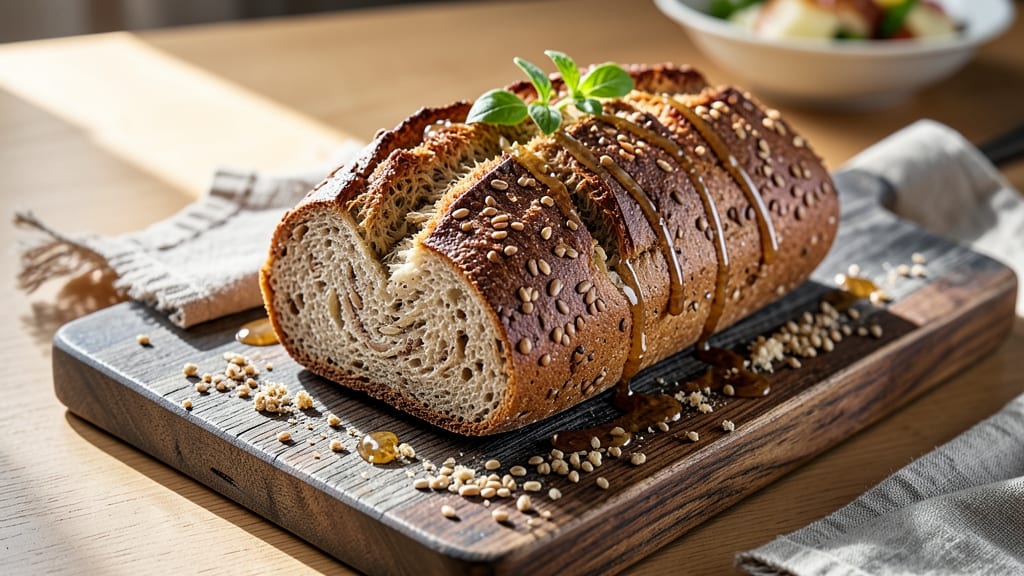
This 9-grain flour bread recipe delivers a nutty, hearty loaf that's surprisingly easy to make with no-knead simplicity. The blend of whole grains creates a denser, more flavorful texture than white bread—perfect for sandwiches, toast, or serving alongside soups.
I developed this recipe after testing multiple grain combinations to find the ideal balance of nutrition and taste.
The beauty of this bread lies in its versatility—it's packed with fiber, protein, and complex flavors from grains like wheat berries, rye, and barley. The no-knead method means minimal effort: just mix, let it rise overnight, and bake.
The result is a crusty exterior with a soft, slightly chewy interior that holds up beautifully to buttery spreads or hearty fillings.
What makes this recipe special is how it transforms simple pantry ingredients into something restaurant-worthy. With just 5 basic steps and 15 minutes of active prep time, you'll end up with a loaf that smells like a bakery fresh from the oven.
The grains add a subtle nuttiness that pairs perfectly with both sweet and savory toppings.
For extra texture, try adding sunflower seeds or fresh herbs to the dough before shaping. This bread keeps well for up to 5 days in an airtight container or freezes perfectly for later use. Let's get started on making your own hearty, homemade loaf!
Ingredients for 9 grain flour bread
Nine whole grains plus a few pantry staples create this restaurant-quality loaf with no-knead effort.
| Ingredient | Amount | Notes |
|---|---|---|
| Wheat Berries 🌾 | ½ cup | Toasted lightly for nuttier flavor |
| Whole Wheat Flour 🌾 | 1 ½ cups | King Arthur preferred for texture |
| Rye Flour 🌾 | ½ cup | Dark rye for authentic flavor |
| Barley Flour 🌾 | ¼ cup | Ground fresh or store-bought |
| Spelt Flour 🌾 | ¼ cup | Adds subtle sweetness |
| Oat Flour 🌾 | ¼ cup | Blended from rolled oats |
| Buckwheat Flour 🌾 | ¼ cup | Rich, earthy flavor |
| Cornmeal 🌽 | ¼ cup | Fine grind for even texture |
| Millet Flour 🌾 | ¼ cup | Lightens the dense blend |
| Active Dry Yeast 🍞 | 2 ¼ tsp | Fresh yeast preferred |
| Granulated Sugar 🍚 | 1 tbsp | Feeds yeast for rise |
| Salt 🧂 | 1 ½ tsp | Diamond Crystal preferred |
| Unsalted Butter 🧈 | ½ cup | Softened for mixing |
| Warm Water 💧 | 1 ½ cups | 110°F for yeast activation |
| Sunflower Seeds 🥜 | ¼ cup | Optional for texture |
The grains are where the magic happens—King Arthur Flour carries the best whole wheat, and Bob's Red Mill has pre-ground rye and buckwheat if you're short on time. Toasting the wheat berries (350°F for 10 minutes) deepens their nutty flavor, but it's optional. For rye flour, dark rye gives that authentic tang—light rye won't cut it. If you're buying whole grains to grind yourself, a high-speed blender or food processor works best. The oat flour should be freshly ground (or blend your own from rolled oats) to avoid rancidity. Store-bought blends often contain fillers, so measuring each grain individually ensures quality.
No wheat berries? Substitute extra whole wheat flour—just reduce other flours by 0.25 cup. Buckwheat-free? Add 0.25 cup more oat flour to maintain texture. The yeast needs to be fresh—if your packet's past its expiration date, toss it. For the butter, European-style has more flavor, but any unsalted works. Water temperature matters: too hot kills yeast, too cold slows activation. 110°F is ideal—test by dipping your finger in; it should feel warm but not hot. Sunflower seeds add crunch, but pumpkin seeds or chopped walnuts work too. If you're gluten-sensitive, this recipe isn't for you, but for everyone else, the grains provide a satisfying chew.
This dough keeps its shape beautifully—cover tightly with plastic wrap and refrigerate for up to 24 hours before baking. For extra crust, brush the loaf with water or olive oil before baking. Freshly baked, it's best within 2 days, but freeze half the batch for later. Wrap cooled loaves in foil, then place in a freezer bag for up to 3 months. To revive, thaw at room temperature and reheat at 350°F for 10 minutes. The crust stays crisp for days if stored in a paper bag at room temperature—better than plastic for maintaining freshness.
Why You'll Love This Recipe
- No-Fuss Mixing: I swear by this dough—just toss the flours, wheat berries, and warm water together, then let the mixer do the work. No kneading, no fuss, and the berries soften right in the bowl while you prep the rest of dinner.
- Earthy Depth: That first bite? Rich, nutty, and slightly sweet from the wheat berries, with a deep, toasty rye backbone. It’s the kind of bread that makes you slow down and actually chew—no sad, dry slices here.
- Weeknight Swiss Army: Toss it in a sandwich for lunch, toast it with jam for breakfast, or use it to soak up soup like a sponge. It’s my go-to for quick meals, potlucks, or when I forget to buy bread (again).
- Budget-Friendly Staple: I buy these flours in bulk—cheaper than store bread—and a single batch lasts me nearly a week. Freeze half for when I’m too tired to bake, and the texture only improves with a day or two of resting. Win.
Step-by-step instructions for 9-Grain flour bread
This no-knead method transforms nine distinct flours into a hearty, nutty loaf with minimal effort.
Prepare the Wheat Berries and Mix Dry Ingredients
Toast the 0.5 cup wheat berries in a dry skillet over medium heat for 3-4 minutes, stirring constantly until they develop a nutty aroma and turn light golden brown. Let them cool completely before grinding into a coarse flour using a spice grinder or mortar and pestle. This step enhances their flavor and prevents grittiness in the final bread.
In a large mixing bowl, combine the toasted wheat berry flour with the remaining dry ingredients: 1.5 cups whole wheat flour, 0.5 cup rye flour, 0.25 cup barley flour, 0.25 cup spelt flour, 0.25 cup oat flour, 0.25 cup buckwheat flour, 0.25 cup cornmeal, and 0.25 cup millet flour. Whisk thoroughly to distribute all flours evenly—this blend creates the bread's signature texture and depth of flavor. Sift the mixture once to eliminate any lumps that could affect rise.
Activate the Yeast and Combine Wet Ingredients
In a separate bowl, dissolve the 2.25 tsp active dry yeast in 1.5 cups warm water (about 110°F). Add 1 tbsp granulated sugar and let sit for 5-7 minutes until the mixture becomes foamy and bubbly—this confirms the yeast is active. If it doesn't bubble, your yeast may be stale, and you'll need to start over.
In a stand mixer fitted with the paddle attachment, combine the yeast mixture with the 0.5 cup softened unsalted butter and 1.5 tsp salt. Mix on low speed for 1 minute until the butter is fully incorporated and the mixture looks smooth. This step ensures even distribution of fat and salt throughout the dough, which prevents dryness in the final loaf.
Combine Wet and Dry Ingredients
With the mixer still running on low speed, gradually add the dry flour mixture to the wet ingredients. Mix for 2-3 minutes until a shaggy dough forms that pulls away from the sides of the bowl. Avoid overmixing—this dense flour blend develops gluten quickly, which can make the bread tough. The dough should be sticky but manageable; if it's too wet, add 1 tablespoon of whole wheat flour at a time until it comes together.
Once combined, stir in the 0.25 cup sunflower seeds by hand using a rubber spatula. Fold them gently to distribute evenly—these seeds add texture contrast and a subtle crunch. Cover the bowl with a damp towel and let the dough rest at room temperature for 1 hour. This initial rest allows the flours to hydrate fully and the gluten to relax slightly, making shaping easier.
Shape and Proof the Dough
After resting, the dough should be more pliable. Wet your hands and gently shape the dough into a 9-inch round loaf by pressing the edges toward the center, creating a smooth surface. Place the shaped dough on a parchment-lined baking sheet, seam-side up. Cover loosely with plastic wrap and let it proof at room temperature for 2-3 hours, or until it has nearly doubled in size. The dough should look puffy and feel springy when pressed gently—this indicates it's ready for baking.
Preheat your oven to 375°F with a Dutch oven inside for 30 minutes. This step ensures the bread bakes evenly and develops a crispy crust. Once preheated, carefully transfer the proofed dough (still on the parchment) into the hot Dutch oven. Bake, covered, for 40 minutes, then remove the lid and bake for an additional 15-20 minutes until the crust is deep golden brown and the internal temperature reaches 205°F.
Cool and Serve
Remove the bread from the oven and let it cool on a wire rack for at least 1 hour before slicing. This resting period allows the moisture to redistribute, preventing a gummy crumb. The bread will continue to firm up as it cools, and the crust will develop even more flavor. For best results, store any leftovers wrapped in a clean kitchen towel to maintain freshness.
Slice the loaf into ½-inch thick pieces to showcase its dense yet airy crumb and nutty flavor profile. Serve warm with your favorite butter or olive oil for an authentic, hearty bread experience that highlights the complexity of the nine-grain blend.
Pro Tips For Making 9 Grain Flour Bread
- PRE-SOAK WHEAT BERRIES: DESCRIPTION:
- SIFT DRY FLOURS TOGETHER: DESCRIPTION:
- DON’T OVER-KNEAD THE DOUGH: DESCRIPTION:
- USE A DAMP TOWEL FOR PROOFING: DESCRIPTION:
Best sauces and condiments for 9 grain flour bread
Classic Butter Spread
Nothing beats the simplicity of European-style unsalted butter melted over warm slices. I like Plugrá or Kerrygold for their rich, creamy flavor that complements the bread's nuttiness. For extra indulgence, mix in 1 tsp honey and a pinch of sea salt—this sweet-salty combo elevates every bite. 🧈
Olive Oil Drizzle
Drizzle freshly baked slices with extra virgin olive oil (I prefer California Avocado Ranch) and sprinkle with flaky sea salt and freshly cracked black pepper.
The oil's fruity notes contrast beautifully with the bread's earthy grains. For a Mediterranean twist, add crumbled feta cheese and kalamata olives on top.
Herb Compound Butter
Make a quick herb butter by mixing ½ cup softened butter with 1 tbsp chopped fresh rosemary, 1 tbsp chopped fresh thyme, and 1 tsp lemon zest.
Roll into a log, chill until firm, and slice onto warm bread. The herby brightness cuts through the bread's richness while adding a fragrant aroma. Perfect for breakfast or brunch!
Spicy Honey Glaze
For a sweet-spicy kick, combine ¼ cup honey, 1 tbsp apple cider vinegar, and ½ tsp cayenne pepper in a small saucepan. Simmer for 2 minutes until slightly thickened, then brush onto toasted slices.
The heat from the cayenne enhances the bread's nutty depth while the honey adds caramelized sweetness. 🌶️
Garlic Aioli
Blend ½ cup mayonnaise, 2 roasted garlic cloves, 1 tbsp Dijon mustard, 1 tsp lemon juice, and ½ tsp salt until smooth. This creamy, garlicky spread pairs perfectly with the bread's hearty texture.
Serve with grilled chicken or roasted vegetables for a satisfying meal. The garlic's pungency complements the grains' earthy notes beautifully.
Cheese Pairings
This bread's dense texture holds up well to bold cheeses. Try aged cheddar or Gruyère for sharpness, or brie for creaminess. For a vegetarian twist, layer with caramelized onions and goat cheese.
The cheeses' fat content softens the bread's chew while adding layers of flavor that make each bite more complex.
Nutrition facts
Frequently asked questions
Why does this 9-grain bread need a Dutch oven?
The Dutch oven creates a steamy environment that gives this bread its signature crisp crust while keeping the interior soft and moist. Without it, the crust may dry out too quickly, especially with the dense grain blend. Preheating the Dutch oven ensures even baking and that perfect golden-brown finish.
Can I substitute any of the grains if I don't have them all?
The key is maintaining balance. For example, swap 0.25 cup buckwheat flour with extra oat flour or rye flour to keep the texture similar. If you're missing wheat berries, use whole wheat flour instead. The recipe remains flexible as long as you keep the total grain volume at 3.5 cups.
How do I know when the dough is properly proofed?
Look for 2-3 signs: the dough should nearly double in size, feel springy when pressed gently (like a jelly), and have visible bubbles on the surface. If it rises too quickly, it may be overproofed—this bread benefits from a slower rise to develop full flavor. A kitchen scale helps track weight gain (about 20-30% increase).
Will this bread be too dense for sandwiches?
Not at all! The grain blend creates a satisfying chew that actually holds sandwich fillings beautifully. The butter and seeds add moisture and texture balance, while the crust stays sturdy enough to support ingredients like roast beef or avocado. For extra lightness, try adding 1 tbsp vital wheat gluten to the dry ingredients.
Can I make this bread in a regular loaf pan instead of freeform?
Yes, but you'll need to adjust the shaping. Press the dough into a 9x5-inch loaf pan lined with parchment, then let it proof until it rises 1 inch above the pan. Bake at 375°F for 50-55 minutes with the lid on, then 10-15 minutes uncovered. The texture will be slightly different but still delicious!