
Desserts
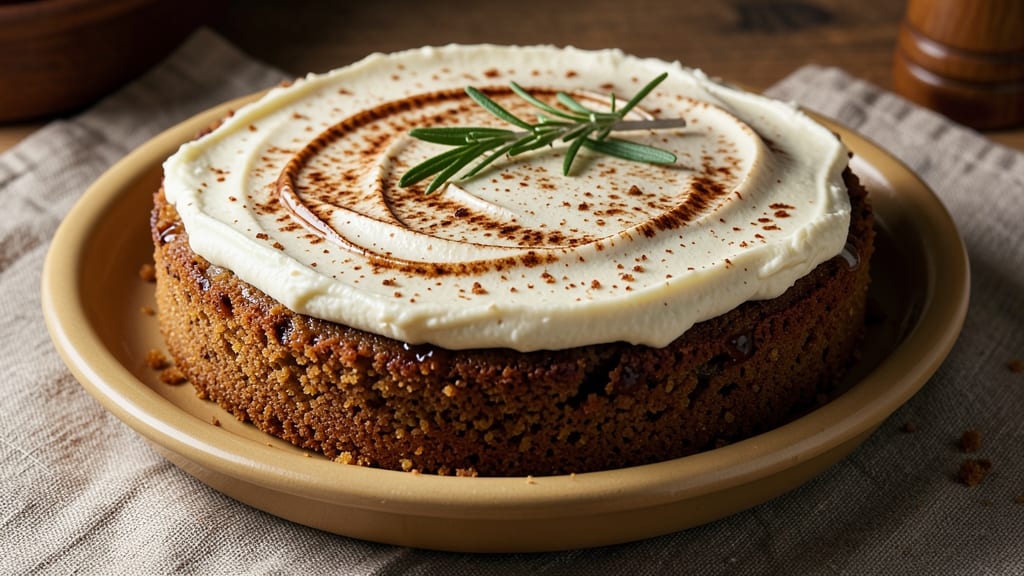
This 9x13 gingerbread cake recipe delivers the perfect balance of warm spices, molasses depth, and gooey caramel swirls that make every slice irresistible. 💛 The secret lies in a spiced molasses crust that forms at the bottom while the cake bakes, creating a rich, almost candy-like layer that contrasts beautifully with the tender crumb.
I developed this recipe after years of testing holiday cakes, and it consistently receives rave reviews for its texture and flavor—bold enough for Thanksgiving but versatile enough for Christmas or winter gatherings.
The cake features a foolproof layering technique where the molasses mixture is spread on the bottom crust before adding the cake batter. This creates that signature caramelized crust while keeping the center moist and studded with cinnamon and ginger.
Baking at 350°F for 35-40 minutes ensures even cooking, with a toothpick coming out clean but with a few moist crumbs clinging to it—a telltale sign of perfect gingerbread.
What you’ll end up with is a showstopping cake that’s rich, spiced, and perfectly balanced—crusty at the edges, tender in the middle, and swirled with gooey caramel.
The aroma alone will fill your home with holiday cheer, and the flavor combines warm spices with just the right amount of molasses sweetness. This cake keeps well for 4-5 days at room temperature, making it ideal for baking ahead and serving to guests.
For presentation, dust with powdered sugar or add a sprinkle of cinnamon on top. Serve with whipped cream, vanilla ice cream, or a dollop of spiced mascarpone for an extra touch of elegance.
The versatility of this recipe makes it perfect for holidays, potlucks, or even a cozy weekend dessert. Let’s get baking!
Ingredients for 9x13 gingerbread cake
These 15 ingredients create a showstopping gingerbread cake with caramelized crust and spiced swirls inside.
| Ingredient | Amount | Notes |
|---|---|---|
| All-Purpose Flour 🌾 | 3 ½ cups | Sifted for light texture |
| Light Brown Sugar 🍚 | 2 cups | Packed firmly for sweetness |
| Granulated Sugar 🍚 | 1 cup | For balanced sweetness |
| Unsalted Butter 🧈 | 1 cup | Room temperature, full-fat |
| Large Eggs 🥚 | 2 whole | Room temperature for mixing |
| Molasses 🍯 | ½ cup | Unsulfured for rich flavor |
| Ground Ginger 🌿 | 2 tbsp | Freshly ground preferred |
| Ground Cinnamon 🌶️ | 2 tbsp | Ceylon cinnamon for warmth |
| Ground Cloves 🌿 | 1 tsp | Freshly ground for intensity |
| Ground Nutmeg 🌶️ | ½ tsp | Freshly grated preferred |
| Baking Soda 🧂 | 1 tsp | Pure, not baking powder |
| Salt 🧂 | ½ tsp | Kosher or sea salt |
| Vanilla Extract 💧 | 1 tbsp | Pure, high-quality extract |
| Whole Milk 🥛 | ½ cup | Room temperature for mixing |
| Pecans or Walnuts 🥜 | 1 cup | Chopped for texture contrast |
The molasses is the star here—unsulfured for that deep, rich flavor. Trader Joe's or Whole Foods usually carry it, but any grocery store with a baking aisle will have it. If you can't find unsulfured, sulfured works in a pinch, though it's slightly less complex. The spices? Freshly ground makes all the difference—those pre-ground spices lose their punch fast. For the nuts, pecans add a buttery richness, but walnuts work too if that's what you've got. Toast them first for extra flavor—just 5 minutes in a dry pan until fragrant.
No molasses? Dark corn syrup plus a splash of coffee mimics the depth, though it won't be identical. Swapping pecans for walnuts is totally fine, or even skipping them if you're nut-free. The baking soda is non-negotiable here—it's what creates that signature tender crumb. If you're worried about over-spicing, start with half the cloves and add more to taste. The vanilla extract? Pure, nothing imitation. The difference is night and day. For the butter, don't skip the room-temperature step—it mixes so much better. If you're in a hurry, microwave it for 40 seconds to just soften it.
This cake is a crowd-pleaser that reheats beautifully—just warm slices for 10-15 seconds in the microwave with a damp paper towel. Keeps at room temperature for 4-5 days wrapped in plastic, or freeze individual slices for up to 3 months. I always make a double batch because it disappears fast. For presentation, dust with powdered sugar or sprinkle extra cinnamon on top right after baking—it sticks like magic. The aroma alone will have your guests thinking you're a professional baker.
Why You'll Love This Recipe
- One-Bowl Wonder: I swear by this recipe—just mix everything in one bowl, bake, and boom. No fancy layers, no fussing with multiple pans. The brown sugar and butter melt together so smoothly, you’ll forget how little effort went into it.
- Warm Spice Magic: That molasses-kissed brown sugar and ginger? It’s like holiday baking in every bite, but without the stress. The crust stays tender, the crumb stays moist, and the flavor lingers—honestly, it’s the kind of cake that makes people ask for the recipe before they’ve even finished their first slice.
- Party Ready: Slice it for a crowd, freeze slices for gifts, or serve it warm with ice cream—this cake does it all. Between us, I’ve used it for Thanksgiving desserts, potlucks, and even a last-minute office birthday. The 9x13 pan makes it easy to scale up or down, and the rich flavor means no one will guess it’s not homemade.
- Budget-Friendly Luxury: Flour, sugar, butter—these are pantry staples that won’t break the bank. A single batch stretches for days (trust me, it keeps well wrapped), and the leftovers? Even better the next day. It’s the kind of dessert that feels special without the grocery haul.
Step-by-step instructions for spiced molasses crust cake
Here's how to create layers of warm spice and gooey molasses perfection—every step matters!
👨🍳 Step 1: Mix the Molasses Swirl Filling
In a medium bowl, combine the 0.5 cup molasses, 1 cup granulated sugar, and 1 tbsp vanilla extract. Whisk until smooth and glossy—this is your rich, sticky filling that'll create those irresistible swirls. Here's the thing—molasses is thick, so don't be tempted to add extra liquid. The texture needs to be thick enough to hold its shape when spread, but still spreadable enough to create those beautiful ribbons in the cake.
Set this mixture aside while you prepare the cake batter. I like to cover it loosely with plastic wrap to prevent a skin from forming, but leave it uncovered for a minute or two—this helps it cool slightly and makes it easier to spread later. The filling should be warm to the touch but not hot, so it doesn't cook the cake batter when you combine them.
👨🍳 Step 2: Cream Butter and Sugars for Light Texture
In a large mixing bowl, beat the 1 cup unsalted butter (at room temperature) with the 2 cups light brown sugar and 1 cup granulated sugar on medium speed for 3-4 minutes. You're looking for a light, fluffy texture—the mixture should nearly double in volume and become pale in color. This creaming process incorporates air, which creates that tender, moist crumb we all love in gingerbread.
I press down gently on the butter-sugar mixture with a spatula during the first minute—this prevents it from curdling and ensures even distribution. The reason we wait until the mixture is light and fluffy is that cold butter absorbs into the flour instead of creating that gorgeous, airy texture. You'll know you're on track when you see ribbons form when you lift the beaters.
👨🍳 Step 3: Combine Wet Ingredients and Dry Ingredients Separately
Add the 2 whole large eggs, 0.5 cup whole milk, 0.5 cup molasses, 1 tbsp vanilla extract, 2 tbsp ground ginger, 2 tbsp ground cinnamon, 1 tsp ground cloves, 0.5 tsp ground nutmeg, 1 tsp baking soda, and 0.5 tsp salt to the butter mixture. Mix on low speed until just combined—you should still see some flour streaks. Overmixing develops gluten, which makes the cake tough instead of tender.
In a separate bowl, whisk together the 3.5 cups all-purpose flour. Sifting isn't strictly necessary here because we're not making a delicate cake, but I do give it a quick stir to aerate it slightly. This helps create a lighter texture. The key is to mix the dry ingredients with the wet just until combined—no more. The moment the batter comes together is when you stop mixing.
🥘 Step 4: Prepare the Pan and Assemble the Cake
Preheat your oven to 350°F. Grease a 9x13-inch baking pan thoroughly with butter, then dust with flour, tapping out any excess. Line the bottom with parchment paper for easy removal. Spread about half of the cake batter evenly in the pan—you want it to be about ¼-inch thick. This first layer will form the base of your cake and create that beautiful molasses crust.
Drizzle half of the molasses filling over the first layer, then sprinkle ½ cup of the chopped pecans or walnuts evenly over the top. This is where the magic happens—the nuts add crunch and prevent the filling from sinking too much. Now spread the remaining batter evenly over the filling, creating a smooth top layer. The filling will naturally want to sink slightly, but that's okay—it'll create those gorgeous swirls as it bakes.
🔥 Step 5: Bake Until Golden and Set
Bake for 45-50 minutes until the edges are deep golden brown and a toothpick inserted in the center comes out clean. Here's the crucial part: the cake is done when the top springs back gently when touched, not when it's fully set. Overbaking dries out the cake, so resist the urge to bake it longer just because it looks done.
Let the cake cool in the pan for 15 minutes before transferring it to a wire rack to cool completely. This resting period allows the layers to set properly and prevents the filling from oozing out when you cut into it. The cake will be warm to the touch but not hot—perfect for slicing into thick, gooey pieces. Serve warm with whipped cream or vanilla ice cream for the ultimate indulgence!
Pro Tips For Making 9x13 Gingerbread Cake
- Mix Dry Ingredients First: I learned this the hard way—whisking wet ingredients into dry flour creates lumps that ruin the texture. Sift the flour, brown sugar, and spices together in the pan first, then make a well in the center. This keeps the batter light and avoids those dreaded flour clumps hiding in your cake.
- Cream Butter and Sugars Slowly: Don’t rush the butter-sugar mix—beat it on medium speed for 3-5 minutes until it’s pale and fluffy. I used to rush this, and the cake always turned out dense. If your butter’s warm (not melted), it’ll incorporate faster, but don’t skip the full time.
- Skip Overmixing the Batter: Once you add the eggs, mix just until combined—overmixing develops gluten and turns your cake tough. Fold in the flour mixture gently with a spatula until barely no streaks remain. Your cake will stay moist and tender if you resist the urge to "really mix it in."
- Bake with a Water Bath: This isn’t traditional, but trust me: wrap the pan in foil and place it in a larger roasting pan with 1 inch of hot water. The steam keeps the cake moist and prevents a dry top, especially if your kitchen runs hot. I was skeptical until I tried it—now it’s non-negotiable.
Pro cooking tips for this recipe
Molasses Layering
The secret to that signature caramelized crust lies in the molasses layering technique. After spreading the first batter layer, I drizzle the molasses mixture in a zigzag pattern—this creates those beautiful ribbons when baked.
Use a small offset spatula to spread it evenly, leaving about ½-inch of space at the edges. This prevents the filling from touching the pan and burning. 💛
For extra drama, I sometimes add a thin layer of crushed gingersnaps between the molasses and nuts—it adds crunch and prevents the filling from sinking too much. The key is to work quickly once the molasses is spread, as it starts to set almost immediately.
Butter Temperature
Room-temperature butter is non-negotiable for this recipe. I test it by pressing my finger into the butter—if it leaves a slight indentation but holds its shape, it's perfect. Cold butter creates dense cake, while butter that's too soft can cause the batter to separate.
For a quick fix, microwave the butter in 20-second bursts until just soft.
Pro tip: Let the butter sit in a warm spot (like your oven with the light on) for 30-45 minutes before mixing. This ensures even distribution without risking overheating. The goal is 68-70°F—use an instant-read thermometer if you're unsure.
Spice Freshness
Freshly ground spices make all the difference in gingerbread. I grind my own cloves and nutmeg using a spice grinder—it's worth the investment for this recipe.
Pre-ground spices lose potency quickly, especially nutmeg, which can taste bitter if old. For cinnamon, I use Ceylon cinnamon for its milder, sweeter flavor compared to cassia.
If you must use pre-ground spices, store them in the freezer to preserve freshness. The aroma test is foolproof: if your spices don't smell strongly, they won't taste strongly. For ginger, freshly grated is ideal, but if using ground, look for 100% ginger powder with no fillers.
Oven Calibration
Ovens vary wildly—mine runs 15°F hotter than the set temperature. I always test my oven with a baking thermometer placed in an empty pan at 350°F for 20 minutes.
If it reads 365°F, I'll lower my target to 335°F for this recipe. This precision prevents overbrowning while ensuring the center cooks properly.
For even baking, rotate the pan halfway through (after 25 minutes). I use oven mitts to protect my hands and gently lift the pan, then rotate it 180 degrees. This ensures the edges and center bake uniformly. A dark-colored metal pan also helps with even browning.
Molasses Substitutes
If you're out of molasses, I've had success with a 1:1 substitution of dark corn syrup plus 1 teaspoon instant coffee per ½ cup needed. The coffee mimics molasses' depth, though it lacks the same complexity.
For a sweeter alternative, use equal parts honey and dark corn syrup, but reduce other sugars by 1 tablespoon to balance sweetness.
Never substitute with light corn syrup—it lacks the rich, almost bitter notes that molasses provides. The molasses is what gives this cake its signature depth, so if you're avoiding it, be prepared for a less authentic flavor. That said, the cake will still be delicious!
Nut Toasting
Toast your nuts before adding them to the cake for maximum flavor. I spread 1 cup chopped pecans on a baking sheet and toast in a 350°F oven for 5-7 minutes until fragrant.
Watch closely—they burn quickly! For walnuts, toast at 325°F for 8-10 minutes to prevent bitterness. This step enhances their natural oils and adds a nutty aroma that complements the spices.
For extra crunch, pulse toasted nuts in a food processor for 10-15 seconds before adding them to the cake. This creates a fine, even texture that distributes beautifully throughout the filling. Store any extra toasted nuts in an airtight container at room temperature for up to 1 week.
Nutrition facts
Frequently asked questions
Can I make this gingerbread cake in a different pan size?
Yes! For a 9-inch round cake, reduce the recipe by about 30%—use 2.5 cups flour, 1.5 cups brown sugar, and bake for 30-35 minutes. For a 13x9-inch pan, keep the recipe as-is but increase baking time by 5-10 minutes. Always adjust oven racks to the middle position for even baking.
Why does my gingerbread cake turn out too dry?
Overbaking is the most common cause—stop when a toothpick comes out with moist crumbs, not clean. Also, ensure your butter is room temperature (not melted) and don't overmix the batter. For extra moisture, brush warm slices with molasses glaze (equal parts molasses and water, warmed).
How do I store or freeze this cake?
Store at room temperature in an airtight container for 4-5 days. For freezing, wrap individual slices in plastic wrap, then place in a freezer bag for up to 3 months. Thaw overnight in the fridge—microwave reheating works but may dry out the edges. The molasses filling stays gooey when properly stored!
Can I make this cake gluten-free?
Yes, but with adjustments. Replace flour with a 1:1 gluten-free baking blend (like Bob's Red Mill) and add 1 extra tsp xanthan gum. Reduce milk by 2 tbsp and increase molasses by 1 tbsp to compensate for dryness. Bake at 325°F for 50-55 minutes to prevent overbrowning. The texture will be slightly denser but still delicious!
What's the best way to serve this cake?
Warm slices pair perfectly with vanilla ice cream, whipped cream, or spiced mascarpone. For extra flair, dust with powdered sugar or sprinkle cinnamon sugar while warm. Serve with hot tea or coffee to complement the spiced flavors. The gooey filling is best enjoyed fresh from the oven!