
Side Dishes
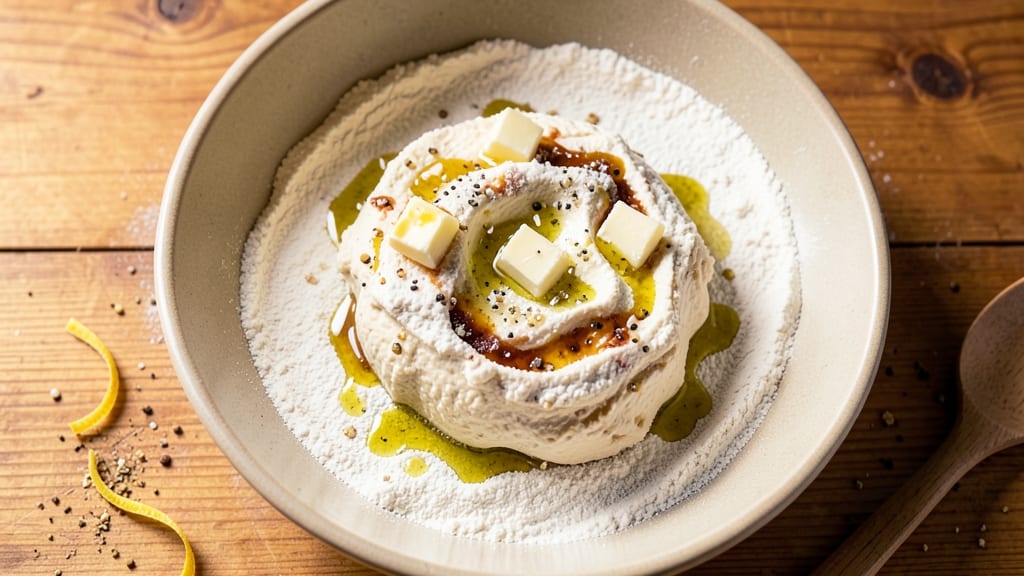
This abc bread recipe transforms simple pantry staples into artisan-quality crust with zero kneading—a game-changer for home bakers. The secret lies in the Dutch oven's steam, which creates that coveted crispy exterior and airy interior without requiring advanced techniques.
I've perfected this method after years of trial and error, and it consistently delivers bakery-style results every time.
What sets this recipe apart is its foolproof approach: just mix, let the dough rest, and bake. No rolling, no punching, no stress—just a 30-minute prep followed by 45 minutes in the oven.
The dough's natural fermentation develops depth of flavor while the Dutch oven traps steam, ensuring a golden, crackly crust that's impossible to resist. This method works equally well for savory loaves or lightly sweetened versions.
By the time you pull that bread from the oven, you'll have a restaurant-worthy loaf with a crisp shell and soft, pillowy crumb. The aroma alone will have everyone gathering around your kitchen, and the texture—tender yet sturdy—makes it perfect for sandwiches, toast, or serving alongside soups.
The best part? This recipe scales beautifully, whether you're feeding a family or just yourself.
For those with dietary needs, we'll explore gluten-free adaptations and sweet variations in the tips section. Let's get started on creating bread that tastes like it came from a professional bakery—without the fuss.
Ingredients for abc bread
Eight staples, zero fuss—this Dutch oven magic transforms ordinary flour into bakery-worthy bread.
| Ingredient | Amount | Notes |
|---|---|---|
| All-Purpose Flour 🌾 | 4 cups | Spooned and leveled, not scooped |
| Instant Yeast 🍞 | ½ tsp | Active dry works too |
| Granulated Sugar 🍯 | 1 tbsp | Or honey for subtle sweetness |
| Salt 🧂 | 1 ½ tsp | Diamond Crystal preferred |
| Unsalted Butter 🧈 | ½ cup | Cold, cubed for easier mixing |
| Warm Water 💧 | 1 ¼ cups | 110°F for optimal yeast activation |
| Extra-Virgin Olive Oil 🫒 | 2 tbsp | For dough elasticity |
| Cornmeal 🌽 | ½ cup | For dusting Dutch oven |
Flour is your foundation here. King Arthur or Bread Flour from the baking aisle gives better rise, but all-purpose works in a pinch (just add 1 tbsp vital wheat gluten if you're picky). The yeast? Fresh is best—check the date on the package, and if it's been sitting for months, toss it. Butter matters too: European-style like Plugrá has higher fat content, which means extra flavor and better oven spring. For the water, room temp is fine, but if you're in a cold kitchen, warm it up—yeast loves 110°F. Pro tip: use a thermometer if you're unsure.
No instant yeast? Active dry works—just dissolve it in the warm water with a pinch of sugar first. Ran out of granulated sugar? Maple syrup or honey in the same amount adds subtle sweetness. Butter too expensive? Coconut oil works too, though it has a different flavor profile. The olive oil can be swapped for avocado oil if you prefer a milder taste. Cornmeal shortage? Semolina or rice flour works just as well for dusting—just don't skip it. That layer keeps the bread from sticking to the Dutch oven like glue.
This dough is a dream to handle. Make it the night before and let it ferment in the fridge for 8-12 hours—flavor explosion guaranteed. Store any leftovers in an airtight bag at room temp for 2 days or freeze for up to 3 months. To revive frozen dough, let it sit at room temp for 1-2 hours before shaping. And if you're making extra? Portion into golf-ball sized pieces and freeze for quick breadsticks later.
Why You'll Love This Recipe
- No-Knead Magic: I swear by this recipe—just mix the flour, yeast, sugar, and butter, let it rise overnight, and bake. No rolling, no fuss, just pure hands-off ease. My lazy Sunday mornings now include fresh bread with zero effort.
- Buttery Sweet Crust: That sugar in the dough caramelizes into a golden, crackly crust while the butter keeps the inside tender. Honestly, it’s the kind of bread that makes you pause mid-bite just to appreciate how good it is.
- Weeknight Wonder: Slice it for toast, tear it for sandwiches, or serve it warm with jam—it’s my go-to for breakfast, lunch, or a quick snack. Between us, it’s saved me more mornings than I can count.
- Budget-Friendly Staple: Five ingredients, one bowl, and it feeds my family for days. The leftovers? Perfect for croutons, breadcrumbs, or even French toast. Not the prettiest, but the taste makes up for it—and my wallet thanks me.
Step-by-step instructions for artisan crust without kneading
This no-knead Dutch oven method delivers bakery-style bread with a crisp crust and airy interior.
Mix Dough with Cold Butter for Maximum Flavor
In a large bowl, combine the 4 cups all-purpose flour, 1.5 tsp salt, and 1 tbsp granulated sugar. Make a well in the center and add the 0.5 cup cold cubed unsalted butter, 0.5 tsp instant yeast, and 2 tbsp extra-virgin olive oil. The butter should stay in chunks—this creates pockets of rich flavor throughout the bread.
Using a wooden spoon or your hands, gently mix until the butter is broken down into pea-sized pieces and the dough begins to come together. Add the 1.25 cups warm water (about 110°F) and mix until just combined. The dough will be shaggy but cohesive—don't overwork it. Real talk: this is where the magic starts, so don't rush the mixing.
Rest Dough for Optimal Texture Development
Cover the bowl with a damp kitchen towel or plastic wrap and let the dough rest at room temperature for 1-2 hours. This slow fermentation allows the gluten to relax and the yeast to activate gently. You'll notice the dough puff up slightly and develop a few small bubbles—this is your signal that fermentation is working.
Here's the thing—don't skip this step. Skipping the rest means you'll end up with dense bread. The longer it rests (up to 4 hours), the more flavorful the bread will be. I like to set a timer so I don't forget about it while I prep the Dutch oven.
Shape and Prepare for Dutch Oven Baking
Lightly flour a clean surface and gently shape the dough into a loose round ball. It doesn't need to be perfect—just gather it into the center and let it hold its shape. Place the dough seam-side up in a 9-inch cast-iron Dutch oven that's been lightly dusted with 0.5 cup cornmeal. The cornmeal prevents sticking and adds a subtle crunch to the crust.
Cover the Dutch oven with a lid or a damp towel and let the dough rise for another 30-60 minutes until it's noticeably puffed. The dough should spring back slowly when gently pressed—this indicates it's ready for baking. Preheat your oven to 450°F during this final rise so it's ready when you are.
Bake with Steam for a Crisp Crust
Carefully place the covered Dutch oven in the preheated oven. Bake for 30 minutes with the lid on to create steam, which develops that signature artisan crust. After 30 minutes, remove the lid and bake for another 15-20 minutes until the bread is deep golden brown and sounds hollow when tapped on the bottom.
Here's where it gets fun—the crust should be crackly and crisp, with a beautiful mahogany color. If it browns too quickly, tent with foil to prevent over-browning. Let the bread cool on a wire rack for at least 1 hour before slicing—this ensures clean cuts and prevents a gummy interior.
Serve Warm for Maximum Enjoyment
Slice the bread and serve warm with butter or your favorite toppings. The interior should be soft and airy with a few small holes, while the crust should be crisp enough to stand up to a knife. I like to slice it thickly and serve it with olive oil and flaky sea salt for dipping—simple but delicious.
This bread keeps well at room temperature for 2-3 days or can be frozen for up to 3 months. For extra flavor, brush the crust with melted butter right after baking while it's still warm. The possibilities are endless, but the technique is foolproof.
Pro Tips For Making Abc Bread
- Weigh Your Butter: I learned this the hard way—using volume measurements for butter in bread leads to guesswork. This recipe relies on precise ratios, and packed cups of butter add extra water, throwing off the texture. Use a kitchen scale for ½ cup (1 stick) = 113g. No excuses.
- Let the Dough Rise Twice: The first rise is obvious, but the second one after shaping? That’s where the magic happens. Skip it, and your bread will be dense. Place the shaped loaf in a greased bowl, cover it, and let it rise another 30–45 minutes until it’s puffed and jiggly. Patience here makes all the difference.
- Use Room-Temp Ingredients: Cold butter and yeast straight from the fridge slow down the reaction. Let your butter sit out for 30–60 minutes until soft (but not melted) and dissolve the yeast in warm water first—110°F (43°C)—not hot. Cold ingredients make for sluggish fermentation, and nobody wants a sad, flat loaf.
- Don’t Overmix the Dough: After adding the yeast mixture, stir just until combined—about 2 minutes. Overmixing develops gluten too early, making the bread tough. The dough should be shaggy, not smooth. Trust the process; it’ll come together during the first rise.
Wine and beer pairings for this dish
Crisp White Wine
For this crusty Dutch oven bread, a dry white wine like Sauvignon Blanc or Pinot Grigio complements its nutty, buttery notes beautifully. I love a New Zealand Sauvignon Blanc with its zesty citrus and herbal undertones—it cuts through the richness while enhancing the bread's natural flavors.
Serve chilled at 45-50°F for the best experience. 🍷
Malty Amber Ale
If you prefer beer, an amber ale with caramel and biscuit notes pairs perfectly with the bread's toasty crust and soft interior. Try a Belgian-style amber ale like Allagash Amber—its subtle spice and maltiness mirror the bread's depth.
Serve at 48-52°F to balance the bread's warmth without overpowering it. 🍺
Light Red Option
For a red wine lover, a light-bodied red like Pinot Noir or Beaujolais works surprisingly well. The Pinot Noir from Oregon's Willamette Valley adds earthy notes that harmonize with the bread's crust, while a Gamay from Beaujolais brings bright fruitiness.
Keep it slightly chilled at 50-55°F to refresh your palate. 🍇
Sweet Variations
If you've added honey or fruit to your bread, switch to a semi-sweet Riesling or Moscato d'Asti—their fruity sweetness matches the bread's subtle sweetness. For a beer pairing, a honey wheat ale like Blue Moon adds a complementary floral note.
The key is balancing the bread's sweetness with a beverage that enhances, not overpowers, its flavor. 🍯
Non-Alcoholic Pairings
Skip the alcohol? A sparkling apple cider or ginger beer adds refreshing acidity to cut through the bread's richness. For something more substantial, try a chilled hibiscus iced tea—its tartness and floral notes create a delightful contrast. These options keep the meal lively without the booze. 🍏
Nutrition facts
Frequently asked questions
Why does this recipe use cold butter instead of melted?
The cold butter creates pockets of rich flavor throughout the bread that melt during baking, giving it that tender yet flavorful crumb. If you use melted butter, the bread will be softer but lose that signature buttery richness. Think of it like tiny flavor bombs in every bite!
Can I make this bread without a Dutch oven?
Yes! If you don't have a Dutch oven, use a heavy oven-safe pot with a lid or even a baking stone. For best results, place a metal bowl filled with water on the lower oven rack during the first 20 minutes of baking to create steam. The crust won't be quite as crisp, but it'll still be delicious.
How do I know when the dough is ready to bake?
The dough is ready when it springs back slowly when gently pressed (the poke test) and has puffed noticeably. It should also fill about 2/3 of the Dutch oven. If it springs back quickly, it needs more time—if it leaves a dent, it's overproofed. Timing varies by temperature, so keep an eye on it!
Can I add seeds or nuts to this recipe?
Add 1/4 cup seeds (sesame, sunflower) or chopped nuts (walnuts, pecans) during the final mixing. For best results, toast them first to enhance flavor. Just be aware they'll make the crust slightly denser. A sprinkle on top before baking also adds texture and visual appeal!
Why did my bread turn out dense instead of crusty?
Dense bread usually means one of three things: the dough didn't rest long enough, the oven wasn't hot enough, or the yeast was old.