
Breakfast & Brunch
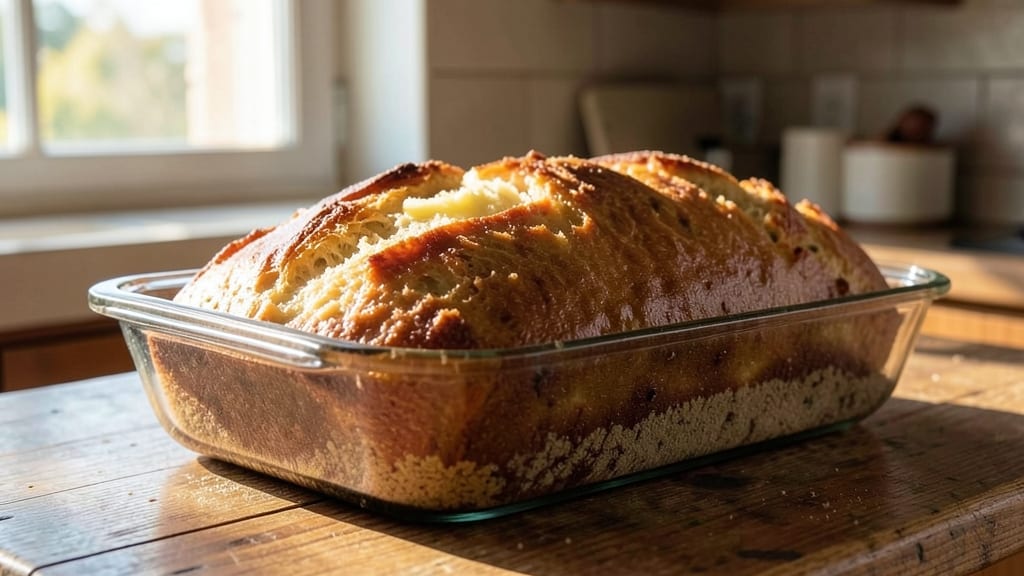
Adding egg to your bread recipe transforms ordinary loaves into something extraordinary—moist crusts and light, airy crumbs that stay fresh for days. The secret lies in how eggs interact with gluten and moisture, creating a texture that commercial bread simply can’t match.
I’ve perfected this technique over years of baking, and it’s the one small change that elevates homemade bread from good to unforgettable.
The egg’s role isn’t just about moisture—it also enhances browning and adds richness, making every slice taste like it came from an artisanal bakery. What’s remarkable is how just one large egg (or two for larger loaves) can make such a dramatic difference without altering the bread’s structure.
The key is incorporating it at the right stage, ensuring even distribution for consistent results.
By the time you pull this bread from the oven, you’ll notice the golden, crackly crust and the tender, pillowy crumb that melts in your mouth. The egg’s proteins create a delicate network that traps steam during baking, locking in moisture for days.
This isn’t just bread—it’s a game-changer for anyone who’s ever struggled with dry, dense loaves.
Whether you’re baking a classic sandwich loaf, a sweet brioche, or a hearty sourdough, this technique works for all. For those avoiding eggs, I’ll share substitutions later, but trust me: once you try it this way, you’ll never go back.
Let’s get started on the recipe that will redefine your bread-baking experience.
Ingredients for adding egg to bread
Nine essential ingredients transform ordinary dough into artisanal bread with golden crusts and airy crumbs.
| Ingredient | Amount | Notes |
|---|---|---|
| Large Eggs 🥚 | 1 whole | Room temperature for even distribution |
| All-Purpose Flour 🌾 | 4 cups | Bread flour preferred for structure |
| Active Dry Yeast 🍞 | 2 ¼ tsp | Fresh yeast for best activation |
| Granulated Sugar 🍚 | 1 tbsp | Feeds yeast for fermentation |
| Warm Water 💧 | 1 ¼ cups | 110°F (43°C) ideal temperature |
| Unsalted Butter 🧈 | ½ cup | Softened, full-fat preferred |
| Salt 🧂 | 1 ½ tsp | Diamond Crystal preferred |
| Milk 🥛 | ¼ cup | Warm for better gluten development |
| Cornmeal 🌽 | ¼ cup | For dusting bread pan |
The egg is the game-changer here—large eggs at room temperature distribute evenly for that signature moist crumb. King Arthur or Bob's Red Mill bread flour gives the best structure, but all-purpose works in a pinch. Yeast is non-negotiable: Fresh yeast from the refrigerated section activates faster than dry. The butter? Full-fat, softened to room temperature—none of that melted nonsense. I always grab Land O'Lakes or Plugrá for consistent quality. Pro tip: If your kitchen runs warm, proof your yeast in warm (not hot) milk—it mimics body temperature and activates yeast perfectly.
No eggs? Flax eggs (1 tbsp ground flaxseed + 3 tbsp water) work surprisingly well, though texture will differ slightly. Short on butter? Olive oil at the same quantity keeps things moist, though you'll lose some richness. Using all-purpose flour? Add 1 tbsp vital wheat gluten to mimic bread flour's protein structure. The sugar can be swapped for honey (reduce by 1 tsp), but it'll darken your crust. For a sweeter loaf, maple syrup works beautifully—just reduce other liquids slightly since it's thicker. And if you're baking in high altitude, reduce yeast by 10% and increase flour by 2 tbsp.
Eggs keep best in their shells in the fridge for 3 weeks, but once mixed into dough, your bread should bake within 24 hours for optimal texture. The dough itself can chill up to 24 hours in the fridge—this actually improves flavor. For storage, wrap cooled loaves in beeswax wrap or a clean kitchen towel to maintain moisture. Freeze for up to 3 months by wrapping tightly in foil, then plastic. Thaw at room temperature for 2 hours before toasting—microwaving kills the crust. And if you're making multiple loaves, bake them back-to-back—your oven retains heat perfectly for the second batch.
Why You'll Love This Recipe
- No-Fuss Dough: I swear by this recipe because it’s the kind of bread that doesn’t demand perfection—just a bowl, a spoon, and 10 minutes of mixing. The yeast and sugar wake up fast in warm water, and the egg binds everything so smoothly I barely need to knead. (Yes, even on a Tuesday night.)
- Golden Crust Secret: That crispy, egg-washed crust? It’s the move that makes this bread taste like it came from a bakery. The sugar caramelizes just enough to give it a subtle sweetness, while the egg adds richness that turns plain flour into something irresistible.
- Weeknight Wonder: I make a batch on Sundays, let it rise overnight, and bake it fresh for breakfast all week. It’s the ultimate lazy meal—warm, soft, and ready in seconds. (My kids fight over the last slice, and I don’t even have to slice it evenly.)
- Pantry Magic: Five ingredients, zero specialty items. The flour and yeast are staples, the sugar is optional, and the egg? That’s the game-changer. It’s the kind of recipe that costs next to nothing but feels like a treat every time. Leftovers? Toast them for a crispy upgrade.
Step-by-step instructions for enriching bread with egg
Here's how to transform your bread into a moist, tender loaf with a perfect crust and light interior.
Prepare the Egg for Maximum Benefit
Crack the 1 whole Large Eggs into a small bowl and whisk vigorously until the yolk and white are fully combined. I like to use room-temperature eggs—they blend more smoothly into the dough and create a finer crumb. If your eggs are cold, let them sit at room temperature for 15 minutes before using.
The key here is to avoid overmixing once added to the dough. Eggs contain natural fats that help tenderize the gluten structure, but too much handling can develop toughness. We'll incorporate it gently later to maintain that light, airy texture you're after.
Combine Wet Ingredients for Optimal Gluten Development
In a large mixing bowl, combine the 1.25 cups Warm Water, 1 tbsp Granulated Sugar, 0.25 cup Milk, 0.5 cup Unsalted Butter (softened), and 1.5 tsp Salt. Mix until the butter is fully emulsified and the sugar dissolves completely. This warm liquid mixture helps activate the 2.25 tsp Active Dry Yeast more efficiently.
Here's the thing—warm water between 110°F (43°C) and 115°F (46°C) is ideal for yeast activation. If your water feels too hot to touch, let it cool slightly before proceeding. The yeast will foam and bubble within 5-10 minutes—this is your signal that fermentation has begun.
Gradually Incorporate the Egg and Flour
Add the 4 cups All-Purpose Flour to the wet mixture in stages, mixing gently with a wooden spoon or dough whisk. After each addition, stir just until combined before adding more. This gradual approach prevents gluten overdevelopment while allowing the egg to distribute evenly throughout the dough.
Once the flour is mostly incorporated, add the whisked egg and mix until fully combined. You'll notice the dough becomes slightly shinier and more cohesive. At this point, it should be soft but not sticky—if it's too dry, add 1 teaspoon of warm water; if too sticky, sprinkle in 1 tablespoon of flour. The dough should pass the "windowpane test": stretch a small piece until it's translucent without tearing.
Knead for Structure Without Overworking
Turn the dough onto a lightly floured surface and knead for 5-7 minutes by hand, or use a stand mixer with a dough hook attachment on medium speed for 3-4 minutes. The goal is to develop gluten just enough to create structure while preserving the tenderness the egg provides. You'll know it's ready when the dough springs back slowly when poked and feels smooth to the touch.
Real talk: Don't overknead. The egg's fat content makes the dough more delicate, so it's easy to overwork it. If the dough starts feeling warm or resistant, stop immediately. Overkneading will counteract the egg's moistening benefits and result in a tougher loaf.
First Rise and Final Shaping for Moisture Retention
Place the dough in a lightly greased bowl, cover with a damp towel, and let it rise in a warm place for 1-1.5 hours, or until it has doubled in size. The egg will help create a slightly richer environment for yeast activity, resulting in a more pronounced rise. You'll see the dough puff up and develop small bubbles on the surface.
After the first rise, gently punch down the dough to release air, then shape it into a loaf. Here's a pro tip: Line your bread pan with parchment paper and dust it with 0.25 cup Cornmeal before placing the dough inside. This prevents sticking and creates a beautiful crust while helping retain moisture during baking.
Pro Tips For Making Adding Egg To Bread
- Whisk Eggs Cold: Crack the eggs into a bowl first, then place it in the fridge for 10 minutes before mixing. Cold eggs emulsify better with the flour, giving you a smoother batter that won’t turn gummy when baked—my first batch had lumps the size of marbles because I skipped this.
- Test Yeast First: Mix 1 tsp yeast, 1 tsp sugar, and ¼ cup warm water (105-110°F) in a separate cup. If it doesn’t foam within 10 minutes, your yeast is dead—no amount of waiting will fix it. I learned this the hard way after baking a brick.
- Add Egg Last: Stir the yeast, flour, sugar, and water into a shaggy dough, then let it rest 10 minutes before folding in the eggs. This prevents the yeast from dying in the egg’s acidity, which ruins rise. I used to add eggs first and wondered why my bread was dense.
- Use Room-Temp Eggs: Pull eggs out of the fridge 30 minutes before using—cold eggs make the dough sluggish and pale. Room-temp eggs blend seamlessly, giving you a lighter crumb and golden crust. I was skeptical until I tried it.
Dietary considerations for adding egg to bread
Egg-Free Substitutes
If you're avoiding eggs, flax eggs (1 tbsp ground flaxseed + 3 tbsp water) work best—they mimic the binding properties while adding moisture.
For richer texture, try mashed banana or applesauce (¼ cup), though the flavor will shift slightly. Vegan butter (like Miyoko’s) plus 1 tbsp aquafaba (chickpea brine) can also replicate the fat and protein balance.
Just remember: these substitutes won’t brown as beautifully, so brush the crust with vegan mayo or olive oil before baking. 🌱
Gluten-Free Adaptations
For gluten-free bread, replace all-purpose flour with a 1:1 gluten-free blend (like Bob’s Red Mill or King Arthur). Add 1 extra egg to compensate for lost structure—eggs become even more critical when gluten proteins are absent.
Use xanthan gum (½ tsp) if your blend doesn’t include it, and reduce yeast by 25% since gluten-free dough rises slower. The egg’s fat will help keep the crumb tender despite the lack of gluten elasticity. 🥖
Dairy-Free Options
Skip the butter and milk by using coconut oil (melted) and unsweetened almond milk in equal amounts. The egg still plays its starring role—its fat content prevents dryness, while the proteins create that signature tender crumb.
For extra richness, add 1 tbsp tahini to the wet ingredients. Just be mindful: dairy-free bread often browns faster, so keep an eye on it after 30 minutes in the oven. 🥥
Low-Carb Considerations
Cut carbs by swapping flour for almond flour (though texture will differ) or using psyllium husk powder (1 tbsp) to mimic gluten’s binding properties. Reduce sugar entirely and replace it with 1 tsp erythritol or monk fruit sweetener.
The egg becomes even more vital here—its proteins help hold the crumb together without relying on gluten. For a heartier loaf, add 1 tbsp ground chia seeds to the dough for extra fiber. 💪
Allergen-Friendly Tips
If nut allergies are a concern, sunflower seed flour works as a gluten-free base. For egg allergies, chickpea flour (¼ cup) plus 1 tbsp ground chia seeds can replace both egg and flour, though the texture will be denser.
Always label your bread clearly—cross-contamination risks are real! Store allergen-friendly versions in separate airtight containers to avoid accidental exposure. 🚫🥚
Nutrition facts
Frequently asked questions
Why does adding egg make bread moister?
The egg's natural fats and proteins create a delicate network that traps moisture during baking. This prevents the bread from drying out quickly, giving you that signature tender crumb that lasts for days. The proteins also help retain steam, which keeps the interior soft and fluffy.
Can I use just the egg white instead of whole egg?
Yes, but the texture will differ slightly. Egg whites provide structure and help with browning, but they lack fat, so your bread may be less rich and slightly drier. For best results, use 1 whole egg—the yolk's fat is what truly enhances moisture and flavor. If you're watching fat intake, consider using 1 egg white + 1 tbsp Greek yogurt for a compromise.
What happens if I overmix the dough after adding egg?
Overmixing develops too much gluten, which can make your bread tough instead of tender. The egg's fat content makes the dough more delicate, so it's easy to overwork it. Stop kneading when the dough springs back slowly when poked—it should feel smooth but still slightly tacky. If it starts feeling warm or resistant, you've gone too far.
How much egg should I add for different bread sizes?
For a standard 9x5-inch loaf, 1 large egg is perfect. For larger batches (like a 12-inch boules), add 2 eggs. For small rolls or dinner rolls, ½ egg per 4 rolls works well. Always use room-temperature eggs for even distribution. The key is maintaining the egg-to-flour ratio—too much can make the dough sticky and gummy.
Will adding egg change the flavor of my bread?
Not significantly! The egg adds richness without overpowering the bread's natural taste. You might notice a slightly buttery, slightly sweet note, but it's subtle. For stronger flavors, try adding a pinch of salt to the egg before mixing or a splash of vanilla extract. The main benefit is texture—moisture and tenderness—rather than flavor transformation.