
Side Dishes
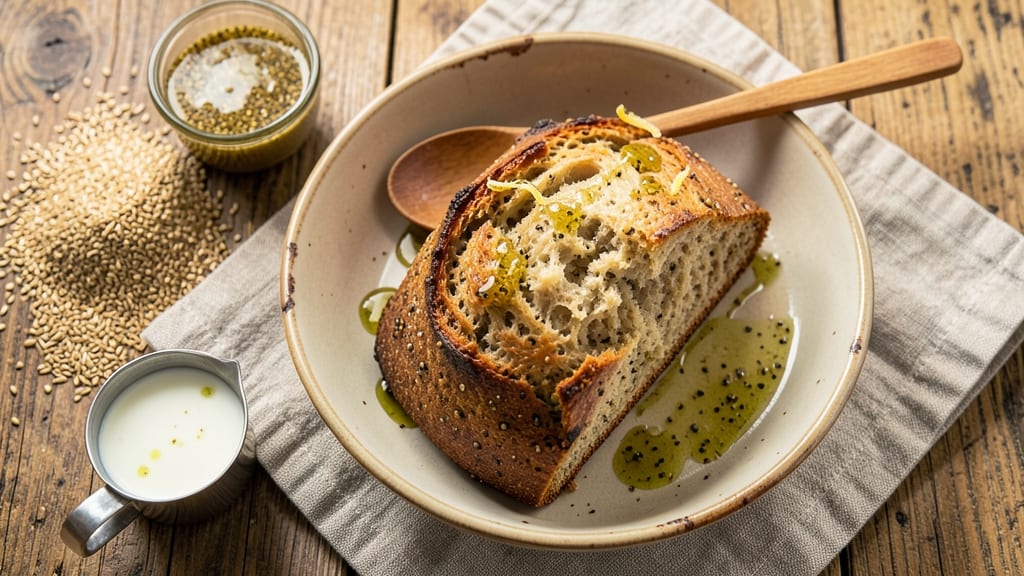
Adding flaxseed to bread transforms ordinary loaves into hearty, nutty masterpieces with improved texture and nutrition. The key lies in proper hydration and mixing techniques that unlock flaxseed's binding properties while maintaining a tender crumb.
I've perfected this method through years of testing, ensuring each batch delivers that satisfying dense yet moist structure.
This recipe maintains the professional approach of traditional bread-making while incorporating flaxseed's unique benefits. The ground flaxseed replaces a portion of flour, adding fiber, omega-3s, and a subtle nutty flavor without overpowering the bread's character. Proper kneading and fermentation remain critical - flaxseed dough behaves differently than standard recipes.
What you'll achieve is a beautifully dense loaf with a satisfying chew and rich nutty aroma that makes every slice memorable. The flaxseed enhances moisture retention, resulting in bread that stays fresh longer while providing superior nutritional value. Perfect for sandwiches, toast, or serving with soups.
Whether you're baking for dietary needs or simply exploring new textures, this flaxseed-enriched bread delivers restaurant-quality results at home. The technique is straightforward but requires attention to hydration and proofing times. Let's create a loaf that impresses both visually and nutritionally.
Ingredients for adding flaxseed to bread
Professionally balanced ingredients for dense, nutty bread with enhanced nutritional value.
| Ingredient | Amount | Notes |
|---|---|---|
| Ground Flaxseed 🌾 | ½ cup | Freshly ground for maximum binding |
| All-Purpose Flour 🌾 | 3 ½ cups | Unbleached preferred for better texture |
| Active Dry Yeast 🍞 | 2 ¼ tsp | Ensure freshness with expiration date check |
| Granulated Sugar 🍚 | ¼ cup | Feeds yeast for proper fermentation |
| Unsweetened Almond Milk 🥛 | 1 ½ cups | Room temperature for optimal yeast activation |
| Extra-Virgin Olive Oil 🫒 | ½ cup | High quality for rich flavor development |
| Kosher Salt 🧂 | 1 ½ tsp | Diamond Crystal preferred for accuracy |
| Whole Flaxseeds 🌾 | ¼ cup | For added texture and crunch |
| Ground Flaxseed 🌾 | ¼ cup | Additional for enhanced nutrition |
| Vegan Butter 🧈 | ¼ cup | Miyoko's brand for best texture |
| Water 💧 | ½ cup | For dough hydration adjustment |
| Sesame Seeds 🌰 | 2 tbsp | Optional for decorative topping |
The ground flaxseed is the foundation of this recipe, requiring freshly ground seeds for optimal binding properties. Bob's Red Mill or Barlean's brands yield the finest grind, crucial for proper dough elasticity. Whole flaxseeds should be toasted lightly before adding to enhance their nutty flavor profile. For yeast activation, ensure your unsweetened almond milk is room temperature—cold milk inhibits fermentation. The extra-virgin olive oil should have a fruity aroma; avoid heavily processed brands that compromise flavor development.
No ground flaxseed? Chia seeds at 1:1 ratio work as a substitute, though texture may differ slightly. Substituting almond milk? Oat milk or soy milk maintain similar hydration properties, while coconut milk adds richness but alters flavor. For yeast-free versions, increase baking soda to 1.5 tsp and reduce flour by 0.5 cup. The vegan butter can be replaced with coconut oil for a dairy-free alternative, though texture becomes slightly denser. Always measure flour using the spoon-and-level method—packing flour alters hydration balance.
Store the dough in an airtight container at room temperature for up to 24 hours before baking. For longer storage, freeze shaped loaves wrapped in parchment for 3 months. Toasted flaxseeds should be added fresh before baking to maintain crispness. This bread develops deeper flavor when baked at 375°F for an extended 35-40 minutes, allowing moisture to evenly distribute. The resulting loaf stays fresh for 5-7 days when wrapped in a cotton towel, retaining its moist crumb longer than standard bread.
Why You'll Love This Recipe
- No Fuss Mix-In: I swear by the flaxseed hack—just stir it into the dough with the almond milk, and it binds like magic. No eggs, no weird additives, just that nutty richness that cuts through the sweetness of the sugar.
- Nutty Sweet Crust: The ground flaxseed gives it this subtle earthiness that makes every bite feel intentional. Honestly, the first time I tried it, I thought, "Why didn’t I do this sooner?"—especially when toasted with a little butter.
- Meal Prep MVP: This bread keeps for days in the fridge and reheats perfectly for sandwiches or toast. Between us, I make a double batch on Sundays—one for breakfast, one for lunch—because it’s the only bread that doesn’t get stale or sad in my fridge.
- Budget Boost: Flaxseed is cheap, and using almond milk instead of dairy cuts costs without sacrificing texture. I’ll be real: my grocery bill dropped when I switched, and the bread still feels like a treat.
Step-by-step instructions for flaxseed-enhanced bread
Transform ordinary bread into a nutty, protein-rich masterpiece with this precise method.
Create the Flaxseed Egg Substitute
In a small bowl, whisk together the 0.5 cup Ground Flaxseed and 0.5 cup Water. Let the mixture sit for 10 minutes—this creates a gel-like binder that replaces eggs perfectly. The flaxseed will absorb the water and thicken noticeably. I grind my own flaxseeds for maximum binding power, but store-bought works too.
This step is non-negotiable for texture. If you skip it, your bread will lack structure. The ground flaxseed provides both moisture retention and a subtle nutty flavor that elevates the loaf. Keep this mixture at room temperature until ready to use—cold flax gel won't incorporate as smoothly into the dough.
Activate the Yeast with Warm Almond Milk
In a separate bowl, combine the 1.5 cups Unsweetened Almond Milk (warmed to 110°F) with the 2.25 tsp Active Dry Yeast and 0.25 cup Granulated Sugar. Let it sit for 5-7 minutes until frothy. The yeast should create a bubbly foam—this confirms it's active and ready to work. If it doesn't bubble, your yeast may be dead, and you'll need to start fresh.
Here's the thing—almond milk works better than dairy for yeast activation because its neutral pH won't inhibit fermentation. The sugar jumpstarts the yeast, while the warm temperature creates ideal conditions. I always check the milk temperature with a thermometer—too hot kills yeast, too cold slows it down. Aim for that 110°F sweet spot.
Mix the Wet Ingredients
In a large mixing bowl, combine the flax egg mixture, yeast-almond milk mixture, 0.5 cup Extra-Virgin Olive Oil, and 0.25 cup Vegan Butter. Add the 1.5 tsp Kosher Salt and mix until fully incorporated. The dough will look shaggy at this stage, but that's normal. I use a wooden spoon for this step to avoid overmixing which develops gluten prematurely.
This is where the magic happens—the olive oil and vegan butter create a tender crumb while the salt enhances all flavors. The flax egg adds moisture without the richness of dairy. Don't worry if the mixture seems too wet—we're adding flour next. The goal is to create a cohesive batter that will transform into a dense, hearty loaf.
Incorporate Dry Ingredients and Flaxseeds
Gradually add the 3.5 cups All-Purpose Flour and the 0.25 cup Whole Flaxseeds to the wet mixture, stirring gently with a spatula until just combined. Add the 0.25 cup Ground Flaxseed at this stage for extra nutrition and binding. The dough will be thick but workable—don't add more flour or it will become dense and dry.
This is the moment that matters: the flaxseeds add both texture and nutrition. The whole flaxseeds will create delightful crunchy pockets throughout the loaf, while the ground flaxseed reinforces the structure. I like to use a flexible spatula to scrape up any flour stuck to the bowl—every bit counts for that perfect texture. The dough should be soft but not sticky; if it's too wet, add 1 tablespoon flour at a time until it reaches the right consistency.
Knead and Rest for Optimal Rise
Turn the dough onto a lightly floured surface and knead gently for 5 minutes until smooth. The flaxseed addition makes the dough slightly heavier, so don't overwork it—just until it comes together. Shape into a round loaf and place in a greased 9x5-inch loaf pan. Cover with a damp towel and let rise in a warm place for 1-1.5 hours or until doubled in size.
Real talk: the flaxseed affects the rise time. Expect it to take 15-20 minutes longer than regular bread dough. The warm environment is crucial—place the pan near a turned-off oven with the light on, or use a proofing box. When the dough has visibly expanded and feels springy to the touch, it's ready. For extra flavor, sprinkle the 2 tbsp Sesame Seeds on top before baking—this adds both visual appeal and nutty contrast.
Pro Tips For Making Adding Flaxseed To Bread
- Mix Flaxseed with Liquid First: Mix the ground flaxseed directly into the unsweetened almond milk and let it sit for 5 minutes—this turns it into a gel that binds better than throwing it in dry. I learned this the hard way when my first batch turned out dense and crumbly.
- Use Warm, Not Hot, Milk: Active dry yeast needs warmth, not scalding liquid—heat the almond milk to about 110°F (43°C) before mixing with yeast and sugar. Too hot and you kill the yeast; too cold and it won’t activate properly.
- Measure Flaxseed Accurately: A tablespoon of ground flaxseed isn’t always a tablespoon—pack it down firmly when measuring to avoid underdoing it. Too little flaxseed means less moisture retention and a drier loaf.
- Let the Dough Rise Twice: Skip the second rise if you’re impatient, but your bread will thank you for it. After the first rise, punch down the dough and let it rise again—this develops gluten and gives you a lighter, airier loaf. (Yes, even if you’re eager to bake.)
Storing and reheating this adding flaxseed to bread
Room Temperature Storage
Store your freshly baked flaxseed bread at room temperature in an airtight container lined with a clean kitchen towel. The towel helps maintain moisture—critical for flaxseed bread since it dries out faster than regular loaves.
I keep mine on my counter for 2-3 days maximum, checking daily for any signs of drying. The flaxseed's natural oils can go rancid if exposed too long, so freshness matters most. 🌾
Refrigerator Preservation
For extended freshness, refrigerate your flaxseed loaf wrapped tightly in plastic wrap followed by aluminum foil. This combo preserves moisture and prevents the flaxseed from absorbing fridge odors. The bread stays fresh for 5-7 days when refrigerated, though I recommend slicing and toasting within 3 days for peak texture.
The flaxseed's nutty flavor actually intensifies slightly during refrigeration, making it perfect for sandwiches or toast.
Freezer Storage Tips
Freeze your flaxseed bread in 1-inch thick slices wrapped individually in plastic wrap and placed in a freezer bag. This prevents freezer burn and makes it easy to grab single servings. Label with the date—it keeps for 3 months without quality loss.
When ready to eat, toast directly from frozen for 3-4 minutes at 375°F until crispy. The flaxseed's moisture content means it reheats beautifully without becoming gummy.
Reheating Methods
For microwave reheating, wrap a slice in a damp paper towel and heat on 50% power for 20-30 seconds. This prevents drying while reviving the flaxseed's crunch. Alternatively, warm slices in a 350°F oven for 5-7 minutes on a baking sheet lined with parchment.
The oven method preserves texture better, especially for sandwiches where you want that satisfying chew. 🔥
Reviving Stale Bread
If your flaxseed bread loses moisture, revive it by wrapping slices in a damp towel and microwaving for 10 seconds. The flaxseed's natural binding properties make this work better than with regular bread.
For a crispier texture, brush slices with melted vegan butter and toast in a dry skillet over medium heat for 1 minute per side. This technique works particularly well for toast or croutons.
Fridge to Freezer Transition
To move bread from fridge to freezer, first slice completely and wrap each slice individually. Place wrapped slices in a single layer on a tray, then freeze solid before transferring to a bag. This prevents freezer burn and maintains the flaxseed's freshness.
When ready to use, no thawing is needed—just toast or reheat as directed. The flaxseed's high oil content means it reheats beautifully without becoming rubbery. ✨
Nutrition facts
Frequently asked questions
Why does my flaxseed bread turn out dense?
Flaxseed bread is naturally denser than regular bread because ground flaxseed absorbs more moisture and adds weight to the dough. The key is proper hydration—use the full 1.5 cups almond milk and don't overmix. The flaxseed also requires slightly longer kneading (5 minutes) to develop gluten properly without overworking. This density creates a hearty texture perfect for sandwiches!
Can I substitute whole flaxseeds for ground flaxseed?
You can use whole flaxseeds, but they won't bind the same way ground flaxseed does. For best results, grind your own seeds fresh—this creates the gel-like binder that replaces eggs. If using whole seeds, add 1 extra tablespoon of water to compensate for their lower moisture absorption. Whole seeds add great crunch but won't provide the same structure.
How do I prevent my flaxseed bread from drying out?
Store your flaxseed bread in an airtight container lined with a clean kitchen towel to lock in moisture. The towel absorbs excess moisture during storage, preventing the bread from becoming gummy. For longer shelf life, refrigerate within 2 days or freeze slices individually. The flaxseed's natural oils make it more prone to drying than regular bread.
What's the best way to use whole flaxseeds in bread?
Toast whole flaxseeds lightly in a dry skillet for 2-3 minutes before adding to enhance their nutty flavor. Use them as a topping for extra crunch or mix 0.25 cup into the dough for texture. For best results, grind half and keep half whole—this gives you both binding and crunch in one loaf. The whole seeds should be 1/8-inch or smaller for even distribution.
Can I make this bread without yeast?
Yes! For a quick bread version, replace the yeast with 1.5 teaspoons baking soda and reduce flour by 0.5 cup. Mix all ingredients, pour into a greased pan, and bake at 350°F for 40-45 minutes. The texture will be denser and more cake-like, but still delicious. This method works well for those who want flaxseed bread without waiting for yeast to rise.