
Side Dishes
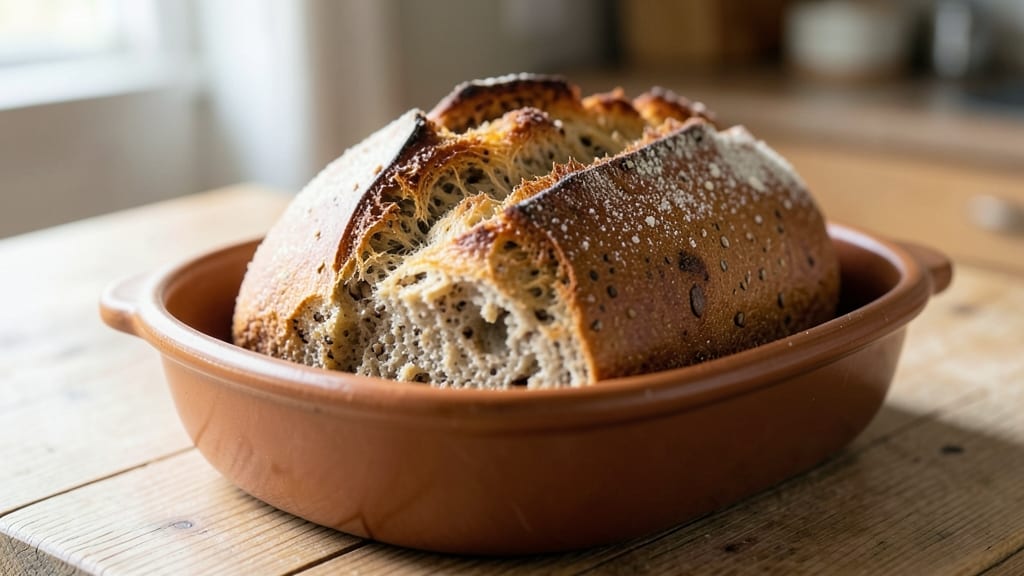
Transforming your bread recipe by adding spelt flour unlocks a world of nutty depth and ancient grain character that standard wheat simply can't match. This complete bread recipe balances spelt's natural moisture content with precise hydration techniques, ensuring a crust that's crisp yet tender, with a subtle sweetness that lingers.
The key lies in understanding how spelt's lower protein content affects gluten development—we'll adjust our approach to compensate without sacrificing structure.
What sets this recipe apart is the intentional 50/50 blend of spelt and bread flour, creating the perfect balance between rustic texture and reliable rise. Spelt's higher fat content naturally tenderizes the crumb, while its unique starch profile produces that signature golden crust with nutty undertones.
The fermentation process becomes even more critical with spelt—we'll guide you through optimal proofing times that account for its different protein behavior.
By the time your loaf emerges from the oven, you'll have achieved something extraordinary: a bread with crispy yet shatterable crust, an open crumb structure, and that unmistakable spelt flavor that's both sophisticated and comforting.
The nutty aroma alone makes this worth the effort, but the texture—where every bite offers both chew and tenderness—will have you reaching for this recipe again and again.
Perfect for those seeking a healthier yet indulgent bread option, this recipe maintains the soul of artisanal baking while incorporating spelt's nutritional benefits. Whether you're a home baker looking to expand your repertoire or someone curious about ancient grains, this method delivers professional-quality results with approachable techniques.
Let's get started on creating bread that tastes like history was baked into every bite.
Ingredients for adding spelt flour to bread
Five ingredients transform ordinary bread into ancient-grain perfection with nutty depth and crispy crust.
| Ingredient | Amount | Notes |
|---|---|---|
| Spelt Flour 🌾 | 2 cups | Stone-ground preferred for texture |
| Bread Flour 🌾 | 2 cups | High-protein for structure |
| Active Dry Yeast 🍞 | ¼ oz | Or 2.25 tsp, fresh preferred |
| Granulated Sugar 🍚 | 1 tbsp | Feeds yeast fermentation |
| Unsalted Butter 🧈 | ½ cup | Cold, cubed for flavor |
| Large Eggs 🥚 | 1 whole | Room temperature for mixing |
| Warm Water 💧 | 1 ¼ cups | 105-110°F for yeast activation |
| Sea Salt 🧂 | 1 ½ tsp | Diamond Crystal preferred |
| Extra-Virgin Olive Oil 🫒 | 1 tbsp | For dough handling |
| Cornmeal 🌽 | ¼ cup | For dusting baking sheet |
| Honey 🍯 | 1 tsp | Optional for crust sheen |
| Ice Water ❄️ | ¼ cup | For final dough adjustment |
Spelt flour is the game-changer here. King Arthur or Bob's Red Mill brands deliver the best texture—look for stone-ground versions, which preserve the grain's natural oils and create that signature rustic crumb. The 50/50 blend with bread flour is non-negotiable: spelt's lower protein needs the strength of bread flour to develop proper gluten structure. If you can only find white spelt flour, it'll work, but whole-grain versions add more depth. Fresh yeast is ideal, but instant yeast works too—just skip the proofing step in warm water and mix it directly with the dry ingredients. For the butter, Plugrá or Land O'Lakes unsalted work perfectly, but avoid salted varieties unless you adjust the salt later. The egg should be at room temperature—cold eggs create pockets in your dough that weaken structure.
No spelt flour? Substitute with whole wheat or rye flour, but expect a denser crumb and slightly less nutty flavor. Running short on bread flour? All-purpose flour works in a pinch, though your rise will be less dramatic. The honey is optional but worth it—it enhances the crust's sheen and adds subtle sweetness that pairs beautifully with spelt's earthy notes. If you're making this for a high-altitude area, reduce the yeast by 20% or add 1 tbsp extra flour per cup. For a lighter texture, let your dough ferment an extra 30 minutes at room temperature before shaping. The cornmeal isn't just for dusting—it adds a lovely golden color to the crust when baked. If you're using a Dutch oven, skip the cornmeal entirely and just use flour for dusting.
This dough keeps beautifully in the fridge for 24 hours if wrapped tightly in plastic, but it's best baked fresh. For a 2-day head start, shape your loaves, then refrigerate them overnight before baking. The crust freezes well too—wrap baked loaves in foil and freeze for up to 3 months. To reheat, warm at 350°F for 10 minutes. I always make double batches because this bread disappears faster than any other in my house. The nutty aroma alone makes it worth the effort, but the texture—where every bite offers both chew and tenderness—will have you reaching for this recipe again and again.
Why You'll Love This Recipe
- No-Knead Magic: I swear by this—just mix the spelt flour with bread flour, toss in yeast, and let the dough rise while you sip coffee. The butter and sugar create a tender crumb without a single knead in sight.
- Nutty Depth: That spelt flour? It’s like a secret flavor bomb—earthy, slightly sweet, and way more interesting than plain white bread. Honestly, my picky husband doesn’t even notice it’s not just all-purpose.
- Weeknight Hero: Freeze half the batch right after baking, and you’ve got fresh bread for days. Toast straight from frozen? Yes, please. (Between us, it’s my lazy-day lifesaver.)
- Budget Crust: Spelt flour might cost a little more, but you only need a cup—mix it with cheaper bread flour, and suddenly you’re making artisanal-style loaves without breaking the bank. That sugar? Just a pinch for rise, not a waste.
Step-by-step instructions for ancient grain bread with spelt flour
This method balances spelt's delicate texture with bread flour's strength for perfect loaves every time.
Activate the Yeast with Warm Water and Sugar
In a small bowl, dissolve the 1 tablespoon granulated sugar in the 1.25 cups warm water (between 105-110°F). Sprinkle the 0.25 oz active dry yeast over the surface and let it sit for 5-10 minutes until frothy. You'll see bubbles forming and a yeasty aroma—this confirms your yeast is alive and ready to work.
If no activity appears after 10 minutes, your yeast may be dead. Start fresh with a new packet. The warm water temperature is critical—too hot kills the yeast, too cold prevents activation. This step sets the foundation for proper dough development.
Mix Wet Ingredients and Combine with Dry Components
In a large mixing bowl, combine the 1 whole large egg, 0.5 cup unsalted butter (cold, cubed), 1 tablespoon extra-virgin olive oil, and 1.5 teaspoons sea salt. Use a wooden spoon or dough whisk to blend until the butter begins to soften slightly from the egg's warmth.
In a separate bowl, whisk together the 2 cups spelt flour and 2 cups bread flour. The spelt flour will add a distinct nutty flavor while the bread flour provides the gluten structure needed for a good rise. Gradually add the dry flour mixture to the wet ingredients, mixing just until combined—you'll still see some flour streaks.
Develop the Dough with Proper Kneading Technique
Turn the dough onto a lightly floured surface and knead for 8-10 minutes by hand, or use a stand mixer with a dough hook attachment for 5-6 minutes on medium speed. The dough should become smooth and elastic, pulling away from the bowl sides when tested. If it's too sticky, add 1 tablespoon of ice water at a time until it reaches the right consistency.
The spelt flour will make the dough slightly stickier than all-purpose flour, so don't over-flour it. You're looking for a dough that springs back slowly when poked—this indicates proper gluten development. The spelt's lower protein content means we rely more on the bread flour for structure.
First Rise and Shaping for Optimal Texture
Lightly oil a large mixing bowl, place the dough inside, and cover with a damp kitchen towel. Let it rise in a warm place for 1-2 hours, or until doubled in size. The dough should feel light and airy when pressed gently with a finger—this confirms proper fermentation.
Punch down the dough to release air, then divide it into 4 equal portions (about 8 ounces each). Shape each portion into a smooth, round boule by pulling the edges toward the center and sealing the seam. The spelt flour will give your bread a slightly denser crumb but beautiful nutty flavor.
Final Proof and Baking for Perfect Crust
Place the shaped dough balls on a baking sheet dusted with 0.25 cup cornmeal, cover again, and let rise for 30-45 minutes until puffy. Preheat your oven to 375°F with a Dutch oven inside for 30 minutes to create steam.
Carefully transfer the dough to the hot Dutch oven, brush the tops with 1 teaspoon honey for shine, and bake covered for 25 minutes. Remove the lid and bake 15-20 minutes more until the crust is deep golden brown. The spelt flour will give you a slightly denser crumb but with beautiful nutty undertones.
Pro Tips For Making Adding Spelt Flour To Bread
- Sift Spelt First: Spelt flour is heavier than bread flour, so sift it before mixing with the bread flour—this prevents dense pockets in your dough. I learned this the hard way when my first batch turned out like a brick.
- Hydrate Yeast Properly: Spelt dough needs a little extra patience—proof your yeast in warm water (105°F) with sugar for 5–7 minutes until bubbly before adding to the flour mix. Cold water or skipping this step = weak rise, no matter how much spelt you use.
- Skip the Over-Kneading: Spelt flour absorbs more water, so knead just until the dough pulls away from the bowl (about 8–10 minutes by hand). Overwork it, and you’ll end up with a tough, chewy loaf—trust the stretch test, not brute force.
- Use Cold Butter: Cut that unsalted butter into tiny cubes and mix it in last—right before shaping the dough. Cold butter creates pockets for flavor and texture, but if you soften it first, you’ll just end up with a dense, greasy mess. (Yes, even if you’re impatient like me.)
Wine and beer pairings for adding spelt flour to bread
Crisp White Wine
Spelt's nutty complexity pairs beautifully with dry Riesling or Sauvignon Blanc—their bright acidity cuts through the bread's richness while enhancing its earthy undertones. I recommend a German Riesling like Dr. Loosen Blue Slate, which balances the spelt's toasty notes with citrus and mineral flavors.
For a New World twist, try a New Zealand Sauvignon Blanc with its zesty grapefruit and herbal notes. 🍷
Malty Amber Ale
Beer lovers should reach for amber ales with caramel and biscuit notes that mirror spelt's natural sweetness. A Belgian-style amber ale like La Chouffe complements the bread's nutty depth with its toasted malt character.
For a bolder option, try a German Märzen—its rich maltiness stands up to the spelt's hearty texture. Avoid hop-forward IPAs, which can overwhelm the delicate grain flavors.
Red Wine Exception
If you prefer red, opt for light-bodied Pinot Noir with its red fruit and earthy undertones—Oregon Pinot from Domaine Serene works beautifully. The wine's subtle tannins won't clash with the spelt's tender crumb.
For a bolder red, Chianti Classico offers bright acidity and cherry notes that pair surprisingly well with the bread's nutty profile. 🍇
Non-Alcoholic Options
For a refreshing non-alcoholic pairing, try sparkling apple cider with a hint of ginger—its effervescence cleanses the palate between bites. Alternatively, sparkling water with a splash of lemon enhances the spelt's natural sweetness.
For a richer option, chilled hibiscus tea with a touch of honey mirrors the bread's nutty depth while adding floral brightness.
Cheese Pairing Tip
Enhance your wine or beer pairing by serving with aged Gouda or sharp cheddar—their caramelized notes complement the spelt's earthiness. The cheese's fat content also balances the bread's slightly denser crumb. For a vegetarian option, nutty pecorino adds a salty contrast that elevates the spelt's natural flavors. 🧀
Nutrition facts
Frequently asked questions
Why does spelt flour make bread denser than regular flour?
Spelt flour has lower protein content (about 12-14%) compared to bread flour (13-14%), which means less gluten development. The recipe balances this by using a 50/50 blend with bread flour—the bread flour provides structure while spelt adds nutty flavor and natural moisture. For lighter texture, extend fermentation by 30-60 minutes to strengthen gluten naturally.
Can I substitute spelt flour 1:1 in any bread recipe?
No—spelt requires adjustments. For best results, use a 50/50 blend with bread flour (or whole wheat) to maintain structure. If substituting 100% spelt, add 1 extra tablespoon of yeast per cup of flour and increase hydration by 10-15%. The dough will be stickier, so knead longer or use a stand mixer.
How do I fix dough that's too sticky with spelt flour?
Spelt absorbs more moisture—add 1 tablespoon ice water at a time while kneading until the dough pulls away cleanly from your fingers. For extreme stickiness, chill the dough for 20 minutes before shaping. Avoid over-flouring, which can dry out the spelt's natural oils and weaken texture. The goal is a dough that springs back slowly when poked.
Does spelt bread taste different from wheat bread?
Spelt has a nutty, slightly sweet flavor with hints of caramel and toasted grain—think of it as wheat's sophisticated cousin. The crust develops a golden, crisp exterior with a tender crumb that's slightly denser but more flavorful. For maximum depth, use stone-ground spelt flour (not white).
Can I make this bread without a Dutch oven?
Yes! For a crispy crust without a Dutch oven, bake on a preheated baking stone or steel sheet at 425°F. Score the dough deeply before baking and spray with water every 5 minutes for the first 10 minutes to create steam. Expect a slightly less shatterable crust but still excellent flavor. The open crumb structure will still shine through.