
Desserts
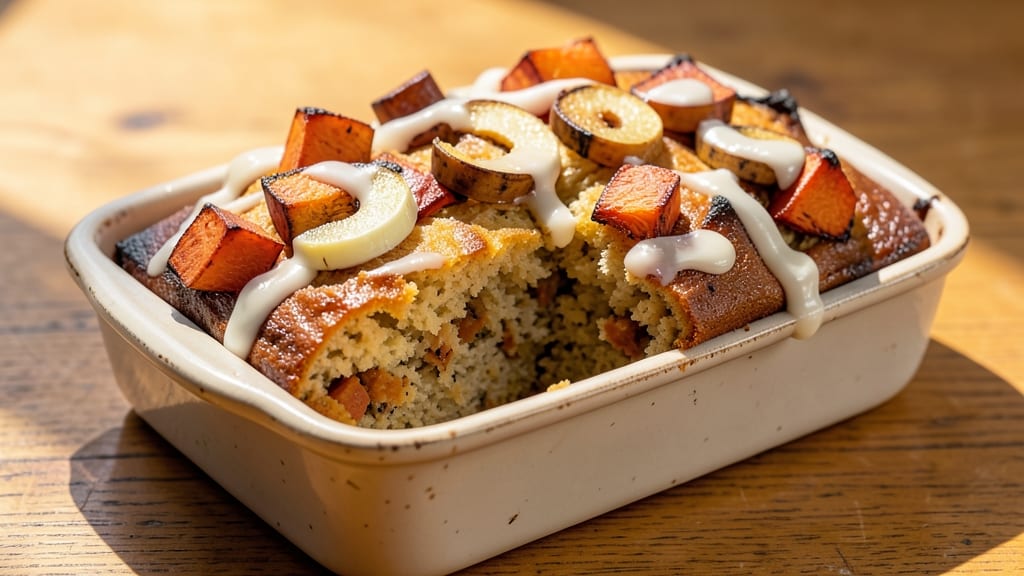
This African banana bread recipe transforms classic banana bread into a fragrant, moist loaf infused with plantains and sweet potato—inspired by West African baking traditions. 🌟 The warm spices like cinnamon and nutmeg create a comforting aroma that fills your kitchen, while the natural sweetness of plantains and sweet potato adds depth without overpowering the bread's tender crumb.
It's the perfect blend of familiar comfort and bold cultural flavors.
The secret to this recipe lies in the mash-and-fold technique, which ensures a tender, cake-like texture rather than a dense loaf. We start with ripe plantains and sweet potatoes, which are roasted until caramelized for natural sweetness and rich flavor.
The batter is enriched with coconut milk for moisture, and a touch of vanilla extract ties everything together. This method delivers a loaf that's moist for days, with a subtle crunch from toasted coconut flakes on top.
What sets this banana bread apart is its versatility—it works as a morning treat with tea or coffee, a snack for afternoon cravings, or even a dessert with a dusting of powdered sugar.
The spices create a warm, inviting flavor profile that pairs beautifully with a cup of chai or strong black tea, making it a staple for both everyday and special occasions.
The recipe is also adaptable, allowing you to adjust the spice levels or even add a layer of chocolate for extra indulgence.
Baking this African-inspired loaf is straightforward, with a one-bowl method that simplifies the process. The ingredients come together in just 10 minutes, and the bread bakes in under an hour, leaving you with a fragrant, golden loaf that's sure to impress.
Whether you're baking for family, friends, or simply treating yourself, this recipe delivers a twist on a classic that feels both nostalgic and exciting.
Ingredients for african banana bread
West African flavors meet classic banana bread in this spiced, moist loaf.
| Ingredient | Amount | Notes |
|---|---|---|
| Ripe Plantains 🍌 | 2 cups | Mashed, caramelized for sweetness |
| Sweet Potatoes 🍠 | 1 ½ cups | Roasted, mashed, skin removed |
| All-Purpose Flour 🌾 | 2 ½ cups | Sifted for light texture |
| Granulated Sugar 🍚 | 1 cup | Brown sugar works too |
| Coconut Milk 🥥 | 13 ½ oz | Full-fat for moisture |
| Unsalted Butter 🧈 | ½ cup | Melted, full-fat preferred |
| Large Eggs 🥚 | 2 whole | Room temperature for blending |
| Vanilla Extract 🌿 | 2 tsp | Pure extract preferred |
| Ground Cinnamon 🌶️ | 2 tsp | Freshly ground for warmth |
| Ground Nutmeg 🌶️ | ½ tsp | Freshly grated for depth |
| Baking Powder 🍞 | 2 tsp | Aluminum-free preferred |
| Salt 🧂 | ½ tsp | Fine sea salt |
| Toasted Coconut Flakes 🥥 | ¼ cup | For topping, lightly toasted |
| Powdered Sugar 🍚 | 2 tbsp | For dusting, optional |
The plantains and sweet potatoes are the heart of this recipe. Look for ripe plantains—they should be black with soft spots when gently pressed. Trader Joe's and Latin markets often carry them year-round. Sweet potatoes should be firm with smooth skin—no bruises. Roast them until caramelized for natural sweetness. For the coconut milk, full-fat canned versions work best, but light will keep the texture moist. If you can't find ripe plantains, substitute 2 cups mashed ripe bananas, but the flavor won't be the same.
No vanilla extract? Vanilla bean paste or even a scraped vanilla pod adds depth. The spices—cinnamon and nutmeg—are non-negotiable for that West African warmth, but if you're sensitive to spice, reduce nutmeg to 1/4 teaspoon. For the coconut flakes, unsweetened versions work best—sweetened can make the topping too cloying. The baking powder should be fresh; if it's older than 6 months, test it in a small batch of batter to ensure it still bubbles. For extra richness, add 1/4 cup Greek yogurt to the batter, but omit 1 tablespoon of coconut milk to balance moisture.
This loaf stays moist for 4-5 days at room temperature, wrapped tightly in foil. For longer storage, freeze slices for up to 3 months—wrap individually in plastic. The topping of coconut flakes adds texture but can get soggy if exposed to air, so press extra flakes on top after baking for a crisp finish. Reheat slices in a 350°F oven for 5-10 minutes to restore freshness. The batter can be prepped a day ahead and refrigerated, saving you time on baking day.
Why You'll Love This Recipe
- No Overripe Waste: I swear by this recipe when my plantains turn black—no sad fruit bowl here. The riper they get, the sweeter and deeper the flavor becomes, turning what would be trash into a moist, caramelized loaf that tastes like dessert.
- One-Bowl Magic: Honestly, this is the kind of recipe where you mix, pour, and forget. The sweet potatoes and plantains blend into a thick batter that’s basically foolproof, and the coconut milk keeps it rich without needing to fuss over eggs or butter. (Yes, even on a Tuesday night.)
- Breakfast or Snack: Here’s what sold me—this bread is ridiculously good toasted with peanut butter or sliced into squares for a grab-and-go energy boost. The natural sweetness from the plantains and sweet potatoes means you won’t need extra sugar, and it’s hearty enough to handle jam or even savory toppings like chili flakes.
- Budget Stretch: Between us, this recipe is my secret weapon for using up pantry staples without breaking the bank. Coconut milk adds luxury for pennies, and the sweet potatoes and plantains bulk it up so one loaf feeds the family and leaves scraps for smoothies. (Not the prettiest, but the taste makes up for it.)
Step-by-step instructions for African banana bread
Transform ripe plantains and sweet potatoes into a moist, spiced loaf with this unique twist.
🍳 Step 1: Roast and Mash the Plantains and Sweet Potatoes
Preheat your oven to 400°F. Peel and chop the 2 cups ripe plantains and 1.5 cups sweet potatoes into ½-inch chunks. Spread them on a baking sheet in a single layer and roast for 20-25 minutes until tender and caramelized—you'll know they're ready when a fork slides in easily and the edges are golden.
Transfer the roasted plantains and sweet potatoes to a bowl and mash them thoroughly with a potato masher or fork. You want a smooth, lump-free consistency that resembles thick applesauce. Let them cool slightly before using—this prevents the butter from separating when mixed later. The caramelized flavor from roasting adds depth that sets this bread apart from traditional recipes.
👨🍳 Step 2: Mix Wet Ingredients and Combine with Dry Components
In a large mixing bowl, combine the mashed plantain-sweet potato mixture with the 13.5 oz coconut milk, 0.5 cup melted unsalted butter, 1 cup granulated sugar, 2 tsp vanilla extract, and 2 whole large eggs. Whisk vigorously for 2-3 minutes until fully blended and smooth. The coconut milk adds rich moisture while keeping the bread tender.
In a separate bowl, sift together the 2.5 cups all-purpose flour, 2 tsp baking powder, 2 tsp ground cinnamon, 0.5 tsp ground nutmeg, and 0.5 tsp salt. Gently fold the dry ingredients into the wet mixture using a spatula, mixing just until combined. Avoid overmixing—you should still see slight flour streaks. The spices create that warm, aromatic profile characteristic of West African baking.
🥘 Step 3: Prepare the Loaf Pan and Bake
Preheat your oven to 350°F and lightly grease an 8x4-inch loaf pan or line it with parchment paper for easy removal. Pour the batter into the prepared pan and smooth the top with a spatula. Sprinkle the 0.25 cup toasted coconut flakes evenly over the batter for texture and visual appeal.
Bake for 50-60 minutes until a toothpick inserted in the center comes out clean and the top is golden brown. If the top browns too quickly, tent the pan with foil to prevent over-browning while ensuring the interior cooks through. The coconut flakes will toast beautifully, adding crunch to every slice.
⏰ Step 4: Cool and Finish with Powdered Sugar
Remove the bread from the oven and let it cool in the pan for 10 minutes. Then transfer it to a wire rack to cool completely. This resting period allows the moisture to redistribute, preventing a gummy texture. While cooling, dust the top with 2 tbsp powdered sugar through a fine-mesh sieve for a delicate, sweet finish.
The bread should have a dense yet moist crumb with subtle caramel notes from the roasted plantains and sweet potatoes. Each slice reveals a tender interior with pockets of coconut flavor and warm spice. Store wrapped at room temperature for up to 3 days or freeze for longer storage—it reheats beautifully in the oven or microwave.
Pro Tips For Making African Banana Bread
- BOIL SWEET POTATOES FIRST: I learned this the hard way—peeling raw sweet potatoes is a nightmare. Drop them whole into boiling water for 15 minutes before mashing, then peel while still warm. The skins slide off like magic, and you’ll save 10 minutes of frustration.
- GRATE, DON’T CHOP, PLANTAINS: Resist the urge to dice those ripe plantains—grate them instead. The finer the texture, the smoother the bread turns out. Use a box grater or food processor, and squeeze out excess moisture with a clean towel. Trust me, your loaf will thank you.
- SKIP THE OVERMIXING: After burning three batches of this bread, I finally figured out that overmixing the batter makes it dense. Stir just until the flour is incorporated—about 10 seconds after the dry ingredients disappear. Your bread will rise higher and stay lighter.
- BAKE AT 325°F, NOT HIGHER: This isn’t the prettiest method, but it’s the tastiest: African banana bread needs a slow bake. Start at 325°F for the first 20 minutes to let the sweet potatoes and plantains cook through evenly. Then crank it to 350°F for the last 25 minutes to get that golden crust. (Yes, even if you’re impatient like me.)
Troubleshooting your african banana bread
Dense Instead of Moist
If your loaf turns out dense rather than tender, the issue is likely overmixing or underripe plantains. For the mash-and-fold technique to work, mix the wet and dry ingredients just until combined—about 15-20 strokes with a spatula.
Overmixing develops gluten, creating a tough crumb. Also, ensure your plantains are fully ripe (black skin, soft when pressed)—underripe ones release less moisture and add starchiness. 🌶️
Cracked Top or Dry Texture
A cracked top or dry texture usually means the oven was too hot or the bread dried out during baking. First, check your oven temperature with an oven thermometer—many home ovens run 25-50°F hotter than set.
If the top browns too quickly, tent the pan with foil after 30 minutes to slow browning while keeping the center moist. For extra insurance, brush the top with 2 tbsp coconut milk before baking.
Batter Too Thin or Runny
A runny batter happens when the plantains or sweet potatoes release too much moisture. To fix this, roast the plantains and sweet potatoes for 5-10 minutes longer to concentrate their moisture before mashing.
If the batter is still too thin, add 1-2 tbsp more flour (up to 3 tbsp total) to thicken it. For a sturdier structure, chill the batter for 30 minutes before baking—this helps the gluten relax and improves rise.
Bread Collapses After Baking
Collapsing often means the baking powder was old or the oven wasn’t hot enough. Test your baking powder by mixing 1 tbsp with 3 tbsp hot water—it should bubble vigorously. If not, replace it.
Also, ensure your oven is fully preheated for at least 15 minutes before baking. For extra lift, whisk the eggs until frothy before adding them to the batter, which incorporates air for a lighter texture.
Coconut Flakes Not Crispy
If your coconut flakes turn soggy instead of crispy, they were likely added too early or the bread baked too long. Toast the flakes separately in a dry pan over medium heat for 2-3 minutes until golden, then sprinkle them on top just before baking.
For an extra-crisp finish, press additional flakes onto the top after removing the bread from the oven—this seals in moisture and creates a dry, toasted layer.
Uneven Baking or Raw Center
An uneven bake usually means the oven’s heat isn’t distributing evenly. Rotate the pan halfway through baking (after 30 minutes) to ensure even exposure. If the center stays raw, extend baking by 5-10 minutes or check your oven’s calibration.
For stubborn spots, tent the pan with foil to trap steam and finish baking at 325°F for 10 minutes to cook through gently. ✨
Nutrition facts
Frequently asked questions
What makes this African banana bread different from regular banana bread?
This recipe swaps traditional bananas for ripe plantains and sweet potatoes, which add natural caramel sweetness and a moist, dense texture. The warm spices like cinnamon and nutmeg create a West African-inspired flavor profile, while coconut milk and toasted coconut flakes add tropical richness. The mash-and-fold technique ensures a tender crumb rather than a cake-like texture.
Can I substitute plantains with regular bananas?
Yes, but the flavor and texture will change. Use 2 cups mashed ripe bananas instead of plantains, but reduce the sugar to ½ cup since bananas are sweeter. The bread will be less dense and more like classic banana bread. For the best results, stick with plantains—they add depth and moisture that bananas can't replicate.
How do I know when plantains are ripe enough for this recipe?
Look for plantains with black or dark brown skin that yields slightly when pressed. The flesh should be soft and sweet-smelling, similar to a ripe banana. If they're too firm, roast them longer to soften. Overripe plantains (with brown spots) work best—they're sweeter and mash more easily.
Is this recipe vegan-friendly?
Not traditionally, but you can adapt it! Replace the eggs with 2 tbsp ground flaxseed mixed with 6 tbsp water (let it sit for 5 minutes to thicken) and use vegan butter or coconut oil instead of regular butter. For coconut milk, choose a full-fat, unsweetened version. The texture will be slightly denser but still delicious.
How should I store leftovers?
Wrap the loaf tightly in plastic wrap or foil and store at room temperature for up to 3 days. For longer storage, slice and freeze individual portions for up to 3 months. To reheat, warm slices in a 350°F oven for 5-10 minutes or microwave for 10-15 seconds. The coconut flakes may soften slightly when reheated.