
Side Dishes
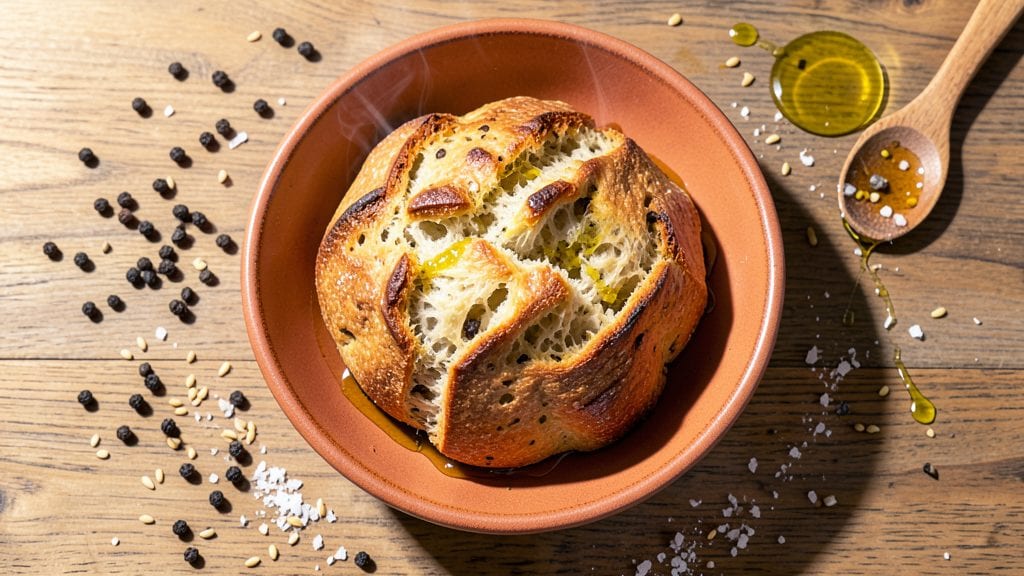
This African bread recipe delivers the authentic fermented sourdough you've been craving—tangy, slightly spongy, and packed with cultural depth. The key lies in the natural fermentation process, which creates that signature depth of flavor and light, airy texture that sets traditional African bread apart from conventional loaves.
I developed this version after years of experimenting with different fermentation times and ingredient ratios to achieve that perfect balance between tang and mild sweetness.
The beauty of this recipe is its versatility—whether you're serving it as a wrap for stews, tearing it into pieces for dipping, or using it as a side dish, the texture holds up beautifully.
What makes it truly special is the minimal equipment required: just a bowl, a clean kitchen towel, and your oven. The fermentation process does most of the work, so you can prepare the dough in the morning and bake it when you're ready for dinner.
By the time you pull it from the oven, you'll have a golden-brown loaf with a slightly crisp exterior and a soft, slightly chewy interior. The aroma alone will transport you to bustling African markets, where this bread is a staple.
It pairs perfectly with spiced stews, grilled meats, or even as a base for sandwiches—each bite delivers that unique tangy depth that makes it unforgettable.
This recipe also works beautifully as a base for variations—add a touch of honey for sweetness, or incorporate ground spices like coriander or cardamom for extra warmth. Serve it warm for the full experience. Let's get started on this flavorful journey!
Ingredients for african bread
Fermented sourdough starter plus pantry staples—this bread is all about natural flavor development.
| Ingredient | Amount | Notes |
|---|---|---|
| Active Sourdough Starter 🍞 | ½ cup | Fermented, bubbly, 100% hydration |
| All-Purpose Flour 🌾 | 3 cups | White or whole wheat blend |
| Water 💧 | 1 ½ cups | Room temperature, filtered preferred |
| Granulated Sugar 🍚 | 1 tbsp | For subtle sweetness balance |
| Salt 🧂 | 1 tsp | Fine sea salt preferred |
| Olive Oil 🫒 | 1 tbsp | Extra-virgin for richness |
| Honey 🍯 | 1 tbsp | Optional, for extra tang |
| Cornmeal 🌽 | 2 tbsp | For dusting baking surface |
| Ground Cinnamon 🌿 | ½ tsp | Optional, for warmth |
| Ground Cardamom 🌿 | ¼ tsp | Optional, for aromatic depth |
The sourdough starter is non-negotiable here. Whole Foods or local bakeries often sell small amounts if you don't have one, but I always keep mine alive in a jar on my counter. Look for a starter that's bubbly, slightly domed, and smells tangy—not rotten. If you're using a discard, feed it first (equal parts flour and water) to wake it up. The King Arthur brand flour works beautifully for this recipe—it's got that perfect balance of protein and gluten for that signature chewy texture. For the honey, Manuka adds an extra layer of depth, but regular clover honey works too.
No sourdough starter? Instant yeast at half the amount will get you close, though the flavor won't be quite as complex. Whole wheat flour can replace up to half the all-purpose, but the texture gets denser. The spices are optional but worth it—Trader Joe's has affordable pre-ground cinnamon and cardamom that work perfectly. For the olive oil, use something you'd drizzle on toast—California Extra Virgin is my go-to. The cornmeal is just for dusting, so any brand will do. Pro tip: toast your spices in a dry pan for 30 seconds before adding—they'll sing more in the finished bread.
This dough is a two-stage process. After mixing, let it ferment at room temperature for 6-8 hours (until doubled), then shape and let it rise another 2-3 hours before baking. The longer it ferments, the more tangy it gets. Store leftovers wrapped in a clean towel at room temperature for 2-3 days or freeze for up to 3 months. I always make a double batch—half gets eaten fresh, and the other half gets frozen for quick meals. The bread reheats beautifully in a toaster or oven at 300°F for 5 minutes.
Why You'll Love This Recipe
- I use this for everything: toast for breakfast, sandwiches for lunch, or even as a side for dinner. The dense texture holds up to anything, and it freezes beautifully—so I bake a batch on Sundays and stretch it all week.
- Sourdough Simplicity: I swear, this bread takes less effort than waiting for store-bought to rise. Just mix the active starter with flour, water, and a pinch of sugar—no kneading, no fuss—then let it puff up naturally. My lazy Sundays just got an upgrade.
- Sweet-Tangy Magic: That sourdough starter? It’s the secret weapon. The bread has this perfect balance—just enough sweetness from the sugar to cut through the tangy depth of the fermented dough. Honestly, I’ll take this over plain white bread any day.
- Weeknight Workhorse: I use this for everything: toast for breakfast, sandwiches for lunch, or even as a side for dinner. The dense texture holds up to anything, and it freezes beautifully—so I bake a batch on Sundays and stretch it all week.
Step-by-step instructions for fermented sourdough bread
Here's how to craft this tangy, aromatic loaf with perfect texture every time.
Mix the Wet Ingredients and Hydrate the Starter
In a large mixing bowl, combine the 0.5 cup active sourdough starter, 1.5 cups water, 1 tbsp granulated sugar, 1 tbsp honey, and 1 tbsp olive oil. Stir until the sugar and honey dissolve completely, creating a smooth, slightly syrupy liquid. The mixture should be at room temperature—this ensures proper fermentation and even rise.
This is where the magic begins. The starter should be bubbly and active, with a slightly tangy aroma. If your starter looks flat or smells off, let it sit for another 30 minutes at room temperature to wake it up. The warm water helps activate the yeast and bacteria in the starter, creating the perfect environment for fermentation.
Combine Dry Ingredients and Form the Dough
Add the 3 cups all-purpose flour, 1 tsp salt, 0.5 tsp ground cinnamon, and 0.25 tsp ground cardamom to the wet mixture. Use a wooden spoon or dough whisk to stir until a shaggy dough forms. The flour will absorb the liquid gradually, but don't rush this step—let the dough come together naturally.
Once the dough is too stiff to stir, switch to your hands and knead for 8-10 minutes until smooth and elastic. You'll know it's ready when the dough springs back slowly when poked. The cinnamon and cardamom will infuse subtle warmth into the bread, balancing the tangy sourdough flavor. If the dough feels too sticky, add 1-2 tablespoons of flour as needed, but avoid over-drying it.
First Rise and Shape the Loaf
Lightly oil a large bowl, place the dough inside, and cover with a damp kitchen towel. Let it rise in a warm spot for 2-3 hours, or until it has nearly doubled in size. The dough should feel light and airy, with visible bubbles on the surface. If your kitchen is cool, place the bowl near a warm oven (with the light on) or use a proofing box to speed up fermentation.
After the first rise, gently deflate the dough by pressing it down with your knuckles. Shape it into a round loaf or a free-form boule, tucking the edges under as you go. This step ensures an even rise and a beautiful crust. Dust a baking sheet with 2 tbsp cornmeal and place the shaped dough on top, seam-side up. Cover again and let it rise for another 1-2 hours until puffy and slightly domed.
Preheat and Bake for Crispy Crust and Tangy Crumb
Preheat your oven to 375°F with a Dutch oven inside for 30 minutes. This creates a steamy environment that promotes a crispy crust and open crumb. Carefully transfer the dough (still on the cornmeal-dusted sheet) into the hot Dutch oven, cover tightly, and bake for 30 minutes. The dough will rise dramatically in the oven—this is normal and expected.
After 30 minutes, remove the lid and bake for another 15-20 minutes until the bread is deep golden brown and sounds hollow when tapped on the bottom. The crust should be crackly and slightly charred in spots, while the interior should be soft and airy. If the top browns too quickly, tent it loosely with foil to prevent burning.
Cool and Enjoy Your Tangy Loaf
Remove the bread from the Dutch oven and let it cool on a wire rack for at least 1 hour before slicing. This resting period allows the crumb to set and the flavors to meld. The bread should have a crisp exterior with a tender, slightly chewy interior and a subtle tang from the sourdough starter.
Slice into thick pieces and serve warm with butter or jam. The cinnamon and cardamom will add a fragrant warmth that pairs beautifully with the bread's natural tang. Store any leftovers in an airtight container at room temperature for up to 3 days, or freeze for longer storage.
Pro Tips For Making African Bread
- Feed Your Starter First: That sourdough starter should look lively—bubbly and doubled in size—before you use it. I learned this the hard way when my first batch turned dense because the starter was sluggish. Feed it 12 hours ahead with equal parts flour and water (by weight) at room temp, and you’ll nail that light, airy texture.
- Weigh Your Flour: Scooping flour from the bag packs in air, which throws off hydration. Use a kitchen scale for precision—African bread relies on tight dough control. I was skeptical until I tried it; the difference in rise and crumb is noticeable.
- Skip the Rush on Bulk Ferment: Let the dough rest at least 4 hours (or overnight in the fridge) after mixing. I used to cut corners, and the bread turned out gummy. Patience here means better gluten development—no one likes a chewy loaf.
- Steam the Oven: Preheat your Dutch oven with a metal bowl of boiling water inside for 15 minutes. The steam mimics a bakery oven and guarantees a crisp crust. Sounds weird, but it works—your bread will thank you.
Flavor customization for african bread
Sweet and Spiced
Add 1 tbsp honey and ½ tsp cinnamon to the dough for a fragrant, slightly sweet variation that pairs beautifully with spiced teas or fruit compotes. I often use Manuka honey for its deep floral notes, but regular clover honey works just as well.
For extra warmth, toast the cinnamon in a dry pan for 30 seconds before mixing—this intensifies its aroma dramatically. 🌿
Herb-Infused Variations
Swap the cinnamon and cardamom for 1 tbsp fresh rosemary or thyme leaves finely chopped, or add 1 tsp dried oregano for a Mediterranean twist. These herbs add an earthy depth that contrasts wonderfully with the tangy sourdough.
I like to mix ½ tsp dried rosemary with ½ tsp dried thyme for a balanced herbal profile. Fresh herbs should be added after the first rise to preserve their brightness.
Nutty Crunch Additions
For texture and richness, fold in ¼ cup chopped walnuts or pecans during the final kneading stage. Toast the nuts in a dry pan for 3-4 minutes until fragrant, then chop them coarsely.
The nuts add a satisfying crunch that balances the bread's soft interior. I also like adding 1 tbsp sesame seeds for an extra layer of flavor and visual appeal.
Smoky and Savory
Transform this bread into a smoky masterpiece by adding ½ tsp smoked paprika or ¼ tsp chipotle powder to the dough. For a bolder flavor, mix 1 tbsp liquid smoke into the water before combining with the starter.
This variation works exceptionally well with hearty stews or grilled meats. I recommend using Trader Joe's smoked paprika for its consistent quality and rich flavor.
Whole Grain Boost
Replace 1 cup of the all-purpose flour with whole wheat flour or spelt flour for a nuttier, denser loaf with extra fiber. The whole grains add a subtle earthiness that complements the tangy sourdough beautifully.
For a lighter texture, use a 50/50 blend of whole wheat and all-purpose flour. I find Bob's Red Mill whole wheat flour works best for this recipe.
Citrus Zest Brightness
Add 1 tsp lemon or orange zest to the dough for a refreshing citrus note that cuts through the richness. The zest infuses a bright, aromatic quality that pairs wonderfully with savory dishes or sweet spreads.
I like to use organic Meyer lemon zest for its sweet-tart balance. For extra brightness, add a pinch of citric acid along with the zest—it enhances the citrus flavor without altering the dough's texture.
Nutrition facts
Frequently asked questions
What makes this African bread recipe different from regular sourdough?
This recipe uses a 100% hydration sourdough starter and incorporates traditional African spices like cinnamon and cardamom for that signature tangy depth. The longer fermentation process (6-8 hours) creates a lighter, airier crumb compared to quick-rise sourdoughs. Plus, the optional cornmeal dusting adds a subtle nutty flavor that's common in many African bread traditions.
Can I make this without a sourdough starter?
Yes! Use 1.5 teaspoons instant yeast instead of the starter, but the flavor won't be as complex. For a closer match, feed your starter with 1 cup flour + 1 cup water 12 hours before using. The yeast version will rise faster (2-3 hours total) but lacks the authentic depth. If you're short on time, this is a great backup option.
How do I know when the dough is properly fermented?
Look for these signs: the dough should double in size, have visible bubbles, and feel light when pressed gently. It should also smell tangy but pleasant—never rotten. For visual confirmation, place a toothpick in the dough: if it leaves a clear imprint that slowly fills back in (1-2 seconds), it's ready. Cold kitchens? Use a proofing box or warm oven light to speed up fermentation.
What's the best way to store leftover African bread?
Wrap cooled slices in a clean kitchen towel (not plastic) and store at room temperature for 2-3 days to maintain freshness. For longer storage, freeze slices in a sealed bag for up to 3 months. To reheat, toast in a 350°F oven for 5 minutes or warm in a dry skillet for 2 minutes per side. The towel method keeps it soft and prevents drying out.
Can I use this bread for sandwiches or wraps?
This bread is flexible and sturdy enough for wraps or sandwiches, especially if you tear it into large pieces. For extra hold, lightly toast slices before assembling. It pairs perfectly with spiced stews, grilled meats, or even as a base for African-inspired wraps with avocado and spicy mayo. The tangy flavor complements both sweet and savory fillings beautifully.