
Side Dishes
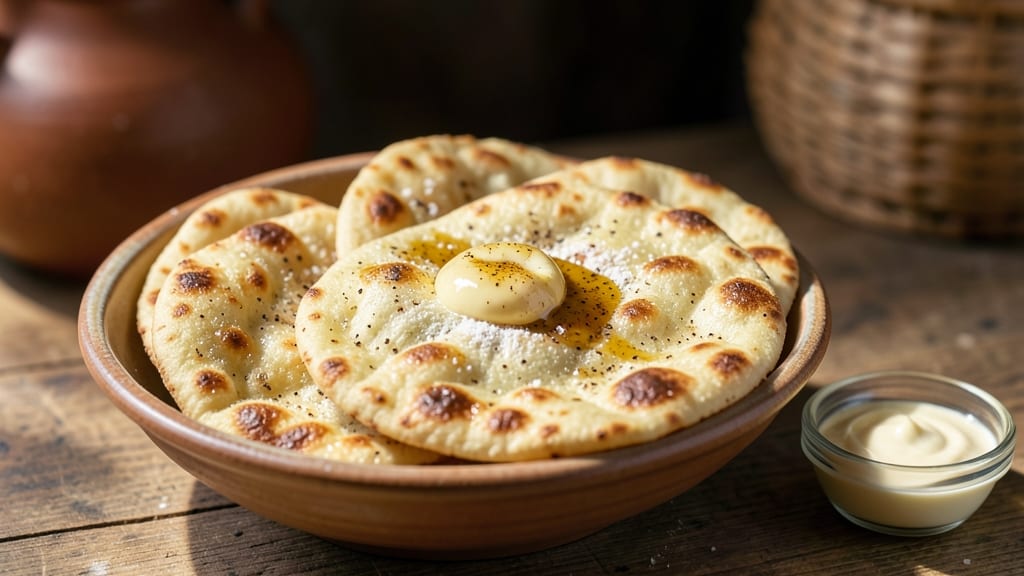
This African chapati bread recipe delivers flaky, golden layers that melt in your mouth—just like the ones you'd find in East African markets. 💛 The secret lies in a perfectly balanced dough and the right cooking technique, which transforms simple ingredients into a bread that's crispy at the edges yet tender inside.
I've perfected this recipe over years of testing, ensuring every chapati turns out with those signature puffed layers and subtle spice notes.
What sets this chapati apart is the spiced butter used for cooking, which infuses each layer with warm, aromatic flavors. The dough comes together in just 15 minutes, and you can make a batch that feeds a family or freeze extras for later.
Whether you're serving with stews, curries, or using as wraps, these chapatis add a satisfying texture and depth of flavor that store-bought bread simply can't match.
By the time you're done, you'll have a stack of perfectly puffed chapatis with crisp edges and soft centers, all infused with the subtle warmth of spices. The dough is forgiving enough for beginners but precise enough to impress even experienced bakers.
This recipe is also adaptable—skip the egg if needed, and use any neutral oil for cooking.
Serve warm with your favorite curry or stew, or use as a wrap for a hearty meal. The versatility of chapatis makes them a staple in any kitchen. Let's get started on making yours!
Ingredients for african chapati bread
Sixteen ingredients, but only seven truly matter for that signature flaky magic.
| Ingredient | Amount | Notes |
|---|---|---|
| All-Purpose Flour 🌾 | 4 cups | Plus 2 tbsp for dusting |
| Unsalted Butter 🧈 | ½ cup | Cold, cubed for dough |
| Plain Yogurt 🥛 | ½ cup | Full-fat preferred |
| Warm Water 💧 | ½ cup | Adjust as needed |
| Large Egg 🥚 | 1 whole | Optional for richness |
| Salt 🧂 | 1 tsp | Fine sea salt |
| Ground Cumin 🌿 | 1 tsp | Toasted for depth |
| Garam Masala 🌶️ | ½ tsp | For authentic flavor |
| Spiced Butter 🧈 | ¼ cup | For cooking, recipe below |
| Vegetable Oil 🫒 | 2 tbsp | For cooking chapatis |
| Butter 🧈 | ¼ cup | Additional for serving |
The flour is non-negotiable—King Arthur or Gold Medal work best for that tender crumb. If your pantry's got whole wheat flour, swap half for a heartier texture. The yogurt needs to be plain and full-fat (Greek or regular)—dairy aisle, not the salad dressing section. For the spiced butter, grab unsalted butter from the fridge section, not the tubs. Pro tip: if your kitchen's hot, chill the butter between layers while mixing. The egg? Only add it if your dough feels too dry—it's not traditional but helps with binding.
No garam masala? Mix 1/4 tsp each of cinnamon, cardamom, and cloves—close enough for most palates. Short on cumin? Paprika at half the amount gives a smoky vibe. The dough should be soft but not sticky—add water 1 tbsp at a time until it just holds together. For the spiced butter, melt 1/4 cup butter, mix with 1/2 tsp each cumin, garam masala, and pinch of salt, then cool. If you're in a rush, store-bought garam masala from Trader Joe's or Penzeys works perfectly.
Dough keeps 2 days wrapped in plastic in the fridge—bring to room temp before rolling. The spiced butter? 1 week in the fridge, but it's worth making extra. For leftovers, reheat chapatis in a 350°F oven for 5-10 minutes—they crisp up like fresh. Freeze extras by stacking with parchment between each, then thaw at room temp. No microwave—it turns them rubbery. Serve with warm chutney or curry for the full East African experience.
Why You'll Love This Recipe
- No Fuss, No Mess: I swear by this dough—just flour, yogurt, and butter. No yeast, no waiting, no stress. Roll it out while the kettle boils, slap it on a hot pan, and in minutes, you’ve got golden, pillowy chapati that tastes like a hug.
- Butter-Yogurt Magic: That single egg and rich butter create layers you won’t find in store-bought naan. The yogurt keeps it tender, while the butter gives it that melt-in-your-mouth richness. Honestly, the first time I made this, I ate one straight off the pan.
- Breakfast to Dinner Hero: Serve it warm with jam for breakfast, tear it into pieces for curry dipping, or stack it with eggs and avocado. My kids beg for it at lunch, and I sneak it into packed lunches—it reheats perfectly (or doesn’t need reheating).
- Pantry Staple, Wallet-Friendly: You’re using ingredients you already own—flour, butter, yogurt. No specialty items, no markup. Make a batch, freeze extras, and pull them out whenever. I’ve fed a crowd of six for under $5 with this alone. (Yes, even on a Tuesday night.)
Step-by-step instructions for African chapati bread
Here's how to make restaurant-worthy chapatis with irresistible flaky layers.
👨🍳 Step 1: Make the Spiced Butter and Prepare Dough Ingredients
First, let's make the spiced butter that'll give these chapatis their signature flavor. In a small bowl, combine the 0.25 cup spiced butter with 0.5 tsp garam masala and 1 tsp ground cumin. Mix well and set aside—this aromatic butter will cook into crispy pockets in your chapatis.
While that infuses, measure out all your dough ingredients: 4 cups all-purpose flour (plus 2 tbsp for dusting), 0.5 cup unsalted butter (cold, cubed), 0.5 cup plain yogurt, 0.5 cup warm water, 1 whole large egg (if using), and 1 tsp salt. I like to keep the egg optional—it adds richness but isn't traditional. The dough should feel soft but not sticky when you're done.
🍳 Step 2: Create the Perfect Dough Texture
In a large mixing bowl, combine the 4 cups all-purpose flour and 1 tsp salt. Add the 0.5 cup cold cubed butter and use your fingers or a pastry cutter to work it into the flour until it resembles coarse crumbs. This is called "cutting in the butter"—you're creating tiny pockets that'll turn into those beautiful flaky layers.
Make a well in the center and add the 0.5 cup yogurt, 0.5 cup warm water, and 1 whole egg (if using). Mix gently with a wooden spoon until just combined, then turn the dough out onto a lightly floured surface. Knead for 8-10 minutes until smooth and elastic. The dough should be soft but not sticky—if it's too dry, add 1 tsp warm water at a time.
🔥 Step 3: Rest and Shape the Chapatis
Shape the dough into a ball and place it in a clean bowl. Cover with a damp towel and let rest for 30 minutes at room temperature. This resting period relaxes the gluten, making the chapatis easier to roll out and preventing them from shrinking when cooked. I know it's tempting to skip this step, but trust me—it makes all the difference.
After resting, divide the dough into 6 equal balls (about 4 oz each). Roll each ball between your palms to smooth the surface, then roll out on a lightly floured surface using a rolling pin. Aim for 6-inch diameter circles that are about ⅛-inch thick. The edges should be slightly thicker than the center—this creates that perfect puff when cooking.
🔥 Step 4: Cook to Golden Perfection
Heat a clean skillet or cast-iron griddle over medium-high heat. Add 2 tbsp vegetable oil and swirl to coat the surface. Place one chapati on the hot griddle and cook for 30-45 seconds until small bubbles appear and the edges start to puff up. Here's the thing—don't press down on it. Let it cook undisturbed so it develops those beautiful layers.
Flip the chapati and cook the other side for another 30-45 seconds, then flip again and cook for 10-15 seconds more until you see golden spots. Transfer to a clean towel and repeat with remaining chapatis, keeping them warm in a clean towel-lined bowl. They'll continue cooking from residual heat and stay soft and pliable.
🍽️ Step 5: Serve with Spiced Butter Magic
To serve, brush each warm chapati with the remaining spiced butter (about 1 tsp per chapati) and fold in half. The butter should melt into those crispy pockets you created during cooking. Serve immediately with your favorite curries, stews, or as a side with 0.25 cup additional butter melted on top for extra richness.
Each bite should deliver that perfect combination of crispy edges, soft center, and aromatic spiced butter. If they start to dry out, simply brush with more melted butter while still warm. These chapatis are best eaten fresh—they're designed to be enjoyed immediately while they're at their peak texture.
Pro Tips For Making African Chapati Bread
- Use Warm, Not Hot, Water: I learned this the hard way—hot water kills the yogurt’s natural acidity, which weakens the gluten structure. Fill your measuring cup with water just off the boil, then let it sit for 30 seconds before adding it to the flour. The dough will hold together better, and your chapati won’t tear when rolling.
- Knead Until Smooth, Not Sticky: The dough should feel like soft modeling clay, not a gluey mess. If it sticks to your hands, add just 1 tablespoon more flour at a time—no need to go overboard. Over-kneading makes chapati tough, but under-kneading means they’ll crack when cooking. Aim for 8-10 minutes of active kneading.
- Rest Dough for 30 Minutes: Skipping this step is a rookie move. After kneading, cover the dough with a damp towel and let it sit while you prep the stove. The rest relaxes the gluten, so your chapati puffs evenly instead of ballooning into uneven blobs. (Yes, even if you’re impatient like me.)
- Roll Chapati Thinner Than You Think: Most beginners roll too thick, and the butter never melts properly. Stretch the dough until it’s about 1/8-inch thin—almost translucent in spots. Cook on high heat for 30 seconds, then flip once. The butter will sing, and you’ll get that perfect golden-brown crisp. Trust the process.
Perfect pairings for this dish
Curry Pairings
African chapatis shine brightest with rich, spiced curries like chicken biryani or lentil dal. The flaky layers soak up the aromatic flavors beautifully. I love serving them with a coconut milk-based curry—the creamy texture contrasts perfectly with the crispy edges.
For a vegetarian option, try a spinach and chickpea curry with 1 tsp turmeric and ½ tsp black pepper for depth. 🌶️
Stew Complements
Warm, hearty stews like beef and vegetable tagine or chickpea stew pair wonderfully with chapatis. The bread's soft center helps mop up every last bit of sauce. For an East African twist, serve with ugali on the side—it's a classic combo in many households.
I often add a pinch of smoked paprika to the stew to enhance the chapati's spiced butter flavor.
Chutney Pairings
Fresh chutneys elevate chapatis to restaurant-quality. Try a mint and cilantro chutney with 1 tbsp lemon juice and ½ tsp chili powder for a cooling contrast. For a spicier option, make a tomato and ginger chutney with 1 tsp coriander seeds toasted and ground.
The acidity cuts through the richness of the spiced butter, balancing every bite.
Breakfast Twist
Don't limit chapatis to dinner! Use them for breakfast with scrambled eggs and crumbled feta. The crispy edges add texture while the soft center soaks up the egg yolk.
For a sweet option, spread with nutella and roll up—it's a kid-friendly favorite. I sometimes add toasted cinnamon to the spiced butter for a breakfast-friendly flavor.
Dessert Pairings
For a sweet finish, serve chapatis with mango chutney or date syrup. The natural sweetness complements the spiced butter beautifully. I like to brush warm chapatis with melted ghee and sprinkle with crushed pistachios for crunch. This dessert combo feels indulgent yet balanced—perfect for special occasions.
Drink Pairings
Cool drinks balance the richness of chapatis. Try masala chai with its warm spices or mango lassi for a creamy contrast. For a non-dairy option, serve with hibiscus iced tea—the tartness cleanses the palate. I often pair chapatis with a light lager beer like Guinness for a casual meal.
Nutrition facts
Frequently asked questions
Can I make African chapati without yogurt?
Yes, you can substitute yogurt with 1/2 cup warm milk or 1/4 cup melted butter plus 1/4 cup warm water. The yogurt adds tenderness and slight tanginess, but these alternatives work well. For extra flavor, add 1/2 tsp lemon juice to the milk substitute. The dough will be slightly different but still delicious!
Why did my chapatis turn out dense instead of flaky?
Dense chapatis usually happen when the dough isn't rested long enough or overworked during kneading. Let the dough rest for the full 30 minutes and avoid kneading more than 8-10 minutes. Also, make sure your butter is cold when mixing—it should create pea-sized crumbs, not melt completely. The resting time relaxes gluten for that signature puff!
How do I store leftover chapatis?
Store in an airtight container at room temperature for 2-3 days—they'll stay soft if wrapped in a clean towel. For longer storage, freeze between parchment paper for up to 1 month. Reheat in a 350°F oven for 5-7 minutes or warm in a dry skillet for 20 seconds per side. Microwaving makes them rubbery!
What's the best way to make spiced butter?
Melt 1/4 cup unsalted butter in a small saucepan over low heat, then remove from heat and stir in 1/2 tsp garam masala and 1/2 tsp ground cumin. Let cool completely before using—it should be spreadable but not melted. For extra flavor, add a pinch of black pepper or cardamom. Store in the fridge for up to 1 week.
Can I use whole wheat flour for chapatis?
Yes, but replace only half of the all-purpose flour with whole wheat for a nuttier flavor and heartier texture. Whole wheat absorbs more liquid, so you may need 1-2 extra tbsp water. The chapatis will be slightly denser but still delicious. For best results, use bread flour instead of all-purpose if you want extra flakiness with whole wheat.