
Side Dishes
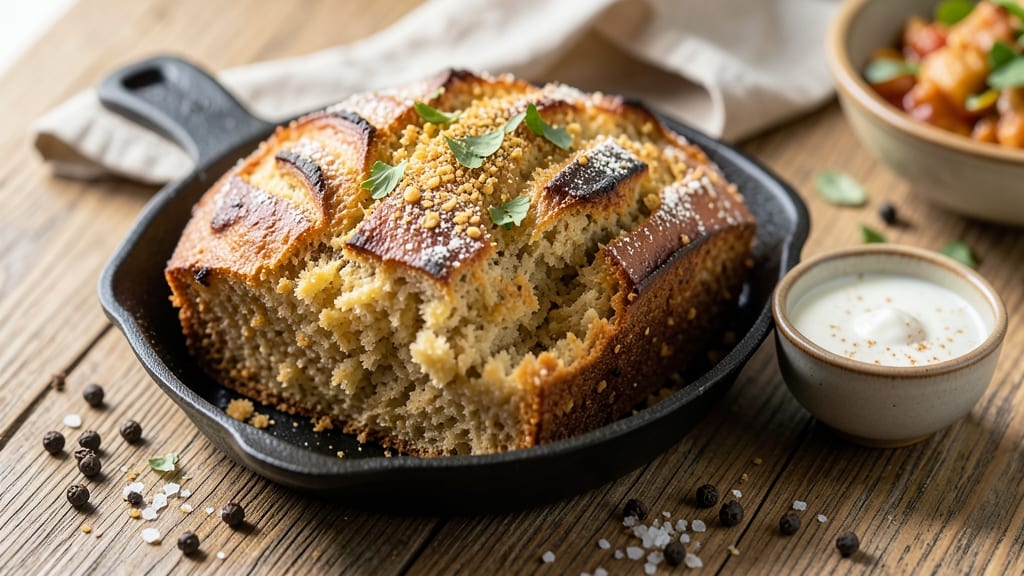
This African corn bread recipe brings the rich, smoky flavors of West African cuisine to your table with every tender bite. 🌟 Roasted maize flour gives it a distinct texture and earthy depth, while warm spices like thyme and ginger create an aromatic profile that pairs perfectly with stews, grilled meats, or even as a breakfast staple. I first discovered this recipe while exploring traditional maize-based dishes, and it quickly became a staple in my kitchen—both for its versatility and its ability to transport you to the heart of African culinary traditions.
The beauty of this recipe lies in its simplicity: just a handful of ingredients come together to create a bread that's both hearty and delicate.
The dough is mixed with a touch of buttermilk for extra tenderness, and the baking process at 375°F ensures a golden crust while keeping the inside moist and flavorful.
Unlike traditional cornbread, this version leans into the smoky, spiced profile that defines many African maize dishes, making it a standout side or even a satisfying main dish when paired with beans or vegetables.
What makes this African corn bread truly special is its adaptability—it works as a side for Sunday suppers, a base for open-faced sandwiches, or even a quick breakfast when toasted and topped with butter and honey.
The spices infuse the bread with warmth, while the maize flour gives it a slightly coarser, more rustic texture than classic cornbread. Whether you're serving it at a family gathering or enjoying a quiet meal at home, this recipe delivers on both flavor and tradition.
Ready to bake? The process is straightforward, with just 25–30 minutes in the oven, but the results are anything but ordinary. Here’s how to bring this flavorful, culturally rich dish to life—perfect for anyone eager to explore the bold tastes of West African cuisine.
Ingredients for african corn bread
Roasted maize flour and warm spices create this hearty, smoky African corn bread perfect for any meal.
| Ingredient | Amount | Notes |
|---|---|---|
| Roasted Maize Flour 🌽 | 2 cups | For authentic African texture |
| All-Purpose Flour 🌾 | 1 cup | For structure and lift |
| Buttermilk 🥛 | 1 cup | Full-fat for tenderness |
| Granulated Sugar 🍚 | ¼ cup | Balances spice sweetness |
| Baking Powder 🧂 | 2 tsp | Diamond Crystal preferred |
| Salt 🧂 | 1 tsp | Kosher or sea salt |
| Ground Ginger 🌿 | 1 tbsp | Freshly ground preferred |
| Dried Thyme 🌿 | 1 tsp | Or 1 tbsp fresh thyme |
| Smoked Paprika 🌶️ | 1 tsp | For authentic smokiness |
| Large Eggs 🥚 | 1 whole | Room temperature preferred |
| Unsalted Butter 🧈 | ½ cup | Melted, full-fat version |
| Vegetable Oil 🫒 | ¼ cup | For moisture and richness |
The roasted maize flour is the soul of this bread—look for it in the international aisle at Whole Foods or African specialty markets. If you can't find it, regular cornmeal works in a pinch, though the flavor won't be as authentic. The smoked paprika adds that signature smoky depth found in West African cuisine, so don't skip it. For the butter, full-fat is a must—it keeps the bread tender and rich. If you're feeling adventurous, try ghee instead for an even deeper flavor profile. The baking powder should be Diamond Crystal if you're using a recipe that calls for it—it's more potent than other brands.
No buttermilk? Mix 1 tbsp vinegar or lemon juice with 1 cup milk and let it sit for 5 minutes. Fresh thyme is ideal, but dried works at one-third the amount if that's all you have. Want more heat? Add cayenne pepper to taste. The egg binds everything together, so make sure it's room temperature—cold eggs can make the batter gummy. For a gluten-free version, substitute the all-purpose flour with 1 cup gluten-free 1:1 baking flour. The vegetable oil adds moisture, so if you're watching calories, you can reduce it slightly but don't eliminate it entirely.
This bread keeps well for 3 days at room temperature wrapped in a clean kitchen towel. For longer storage, freeze portions for up to 3 months. To reheat, wrap in foil and warm in a 350°F oven for 10 minutes. It also freezes beautifully if you want to make a batch ahead of time. The crust stays crispy when reheated, and the inside remains moist. If you have leftovers, toast slices and top with butter and honey for a quick breakfast—it's a game-changer.
Why You'll Love This Recipe
- No-Fuss Mix-In: This comes together in one bowl—no yeast, no waiting, no fuss. Just toss the roasted maize flour, buttermilk, and a pinch of sugar, then bake. Honestly, I’ve made it while scrolling through my phone.
- Sweet-Savory Magic: That buttermilk tang with the nutty roasted maize? It’s like a warm hug in bread form. The sugar just takes it from cozy to ridiculously good—perfect with jam, butter, or even as a side for stews.
- Weeknight Wonder: I keep a bag of maize flour on hand because this feeds my family without the stress. Slice it fresh, or toast leftover pieces for crunchy snacks. (Yes, even on a Tuesday night.)
- Budget Stretch: Roasted maize flour is my secret weapon—cheaper than most specialty breads, but packed with flavor. A single batch stretches for days: toast for breakfast, sandwiches for lunch, or crumbs for meatballs. Zero waste, all win.
Step-by-step instructions for African corn bread
Here's how to craft this aromatic, spice-kissed bread with perfect texture every time.
👨🍳 Step 1: Melt Butter and Mix Wet Ingredients
Preheat your oven to 375°F and grease an 8-inch round cast-iron skillet or baking dish generously with ½ cup unsalted butter, rubbing it all over the bottom and sides. This creates a golden crust and prevents sticking. In a large mixing bowl, combine the 1 cup buttermilk, 1 whole large egg, ½ cup vegetable oil, and ¼ cup granulated sugar.
Whisk these ingredients together until fully incorporated—about 30 seconds. The mixture should be smooth with no visible streaks. Here's the thing—don't overmix at this stage. You're just combining liquids, not developing gluten like in regular bread. The buttermilk adds moisture while the sugar begins to dissolve, creating the foundation for that tender crumb.
👨🍳 Step 2: Whisk Dry Ingredients Separately
In a medium bowl, sift together the 2 cups roasted maize flour, 1 cup all-purpose flour, 2 teaspoons baking powder, 1 teaspoon salt, 1 tablespoon ground ginger, 1 teaspoon dried thyme, and 1 teaspoon smoked paprika. Use a whisk to break up any flour lumps and ensure even distribution of the spices throughout the dry ingredients.
This step is crucial for that authentic African flavor profile. The roasted maize flour gives the bread its distinctive cornmeal texture, while the all-purpose flour provides structure. The spices—especially the ginger and smoked paprika—create that warm, earthy aroma that wafts through your kitchen as it bakes. I like to press the spices through a fine-mesh sieve to avoid gritty texture in the final bread.
🥘 Step 3: Combine Wet and Dry Ingredients
Gradually add the dry ingredient mixture to the wet ingredients while stirring constantly with a rubber spatula. Start slow to prevent lumps from forming, then increase to a steady pace until just combined. The batter should be thick but pourable—similar to pancake batter consistency. If it looks too thick, add 1-2 tablespoons of buttermilk to reach the right texture.
Don't overmix here either. You're looking for a few small flour streaks to remain visible—this ensures tender crumb rather than a dense, chewy texture. The batter should coat the back of your spatula smoothly but still hold its shape when you lift it. This is where the magic happens—the perfect balance between the moist wet ingredients and dry components creates that signature African corn bread texture.
🔥 Step 4: Bake to Golden Perfection
Carefully pour the batter into your prepared skillet, spreading it evenly to the edges. Tap the skillet gently on the counter to release any air bubbles. Bake for 25-30 minutes until the top is deep golden brown and a toothpick inserted in the center comes out clean. The edges should pull away slightly from the pan, and you'll notice that beautiful crackly crust forming.
Here's where timing matters most. If you open the oven too early, the bread might sink. If you wait too long, it could overbrown. I recommend checking at the 22-minute mark)—the bread is done when it springs back slightly when touched and has developed that characteristic corn bread aroma. The internal temperature should reach 200°F at the center.
⏰ Step 5: Rest and Serve Warm
Remove the corn bread from the oven and let it rest in the skillet for 5 minutes. This resting period allows the internal structure to set and prevents it from falling apart when you try to serve it. Then carefully invert it onto a wire rack to cool for another 5 minutes before slicing.
Serve warm for the best texture—the crumb should be moist and slightly crumbly, with that perfect balance of sweetness from the sugar and warmth from the spices. The exterior should be crispy while the interior remains tender. This bread pairs beautifully with stews, grilled meats, or even as a side to hearty soups. The smoky notes from the paprika and the earthy ginger create a flavor profile that's both comforting and distinctive.
Pro Tips For Making African Corn Bread
- Mix the Dough Just Right: Stop overworking that batter—once you’ve combined the roasted maize flour, all-purpose flour, buttermilk, and sugar, stir until barely smooth. African corn bread relies on a rustic texture, not a silky one. I used to beat it like pancake batter, and the result was dense. Three minutes of gentle folding is all you need.
- Sift That Maize Flour: Roasted maize flour is a beast if it’s clumpy. Sift it with the all-purpose flour before mixing—even if the bag says it’s "fine." I learned this the hard way when a stubborn lump turned my first batch into a brick. A quick sift with the baking powder too? That’s how you avoid surprises.
- Don’t Overbake for Color: The bread’s golden crust is tempting, but go by internal temperature (200°F) and texture, not looks. Corn bread dries out fast, and once it hits 210°F, it’s past its prime. Pull it when the edges are set but the center still has a slight give—like a soft muffin top. Trust me, your knife will thank you.
- Swap Buttermilk for Yogurt: Short on buttermilk? Plain yogurt (full-fat, unsweetened) works in a pinch—just add a splash of water to thin it to the same consistency. I was skeptical until I tried it; the tang holds up, and the bread stays moist. Skip the vinegar shortcut—it changes the flavor subtly, and this bread’s earthy notes deserve respect.
Pro cooking tips for great african corn bread
Maize Flour Magic
Roasted maize flour is the secret weapon in this recipe—it gives the bread its signature texture and flavor. I always recommend using roasted maize flour (not regular cornmeal) for that authentic African touch.
If you can't find it, Bob's Red Mill cornmeal works in a pinch, though the flavor won't be quite the same. The roasting process caramelizes the starches, creating a deeper, nuttier taste that's essential for that West African profile. 🌽
Spice Blend Precision
The combination of ground ginger, dried thyme, and smoked paprika creates the warm, earthy aroma that defines this bread. I like to toast the spices lightly in a dry pan for 30 seconds before adding them to the dry ingredients—this intensifies their flavors.
For extra depth, try adding ½ teaspoon of ground allspice or a pinch of cayenne pepper if you love heat. The smoked paprika is non-negotiable; it's what gives the bread that signature smoky character.
Batter Consistency
Getting the batter just right is key—it should be thick but pourable, like pancake batter. If it's too thick, add 1-2 tablespoons of buttermilk to loosen it up. Overmixing here will make the bread dense, so stir just until combined.
I use a rubber spatula to gently fold in the dry ingredients, ensuring no lumps form. The ideal batter coats the back of the spatula but still holds its shape when lifted. This balance is what gives the bread its signature tender crumb.
Cast-Iron Crust
A well-seasoned cast-iron skillet is my go-to for baking this bread—it creates that perfect crispy crust while keeping the inside moist. Before pouring in the batter,
Baking Time Mastery
Baking time is critical—25-30 minutes at 375°F is the sweet spot. The bread is done when the top is deep golden brown and a toothpick comes out clean. I check at the 22-minute mark because ovens vary. If the edges brown too quickly, tent the bread with foil to prevent overbrowning. The internal temperature should reach 200°F at the center. Patience here pays off—rushing will result in a dense, undercooked loaf. 🔥
Resting for Perfection
Letting the bread rest in the skillet for 5 minutes after baking is a game-changer. This step allows the internal structure to set, preventing it from falling apart when you try to serve it.
After resting, carefully invert it onto a wire rack to cool for another 5 minutes before slicing. Serving it warm ensures the best texture—moist and slightly crumbly with that perfect balance of sweetness and spice. Trust me, skipping this step means missing out on the full experience. ⏰
Nutrition facts
Frequently asked questions
What makes this African corn bread different from regular cornbread?
The key differences lie in the ingredients and flavor profile. This recipe uses roasted maize flour instead of regular cornmeal, giving it a deeper, nuttier taste and slightly coarser texture. The spice blend—ginger, thyme, and smoked paprika—creates a warm, earthy aroma that's distinctly West African, unlike the sweet or savory profiles of traditional cornbread. The buttermilk and melted butter also make it more tender and moist.
Can I substitute regular cornmeal for roasted maize flour?
Yes, you can use regular cornmeal in a pinch, but you'll miss the authentic African flavor and texture. For the best results, look for roasted maize flour in international or African specialty stores. If you can't find it, toasting regular cornmeal in a dry pan for 3-5 minutes before using will help enhance its flavor slightly. The bread will still be delicious, just with a slightly different taste profile.
How do I store leftover African corn bread?
Store leftovers in an airtight container at room temperature for up to 3 days. For longer storage, wrap slices individually in plastic wrap and freeze for up to 3 months. To reheat, wrap a slice in foil and warm in a 350°F oven for 10 minutes or until crispy. You can also toast slices and serve with butter and honey for a quick breakfast.
What's the best way to serve this corn bread?
This versatile bread pairs beautifully with stews, grilled meats, or hearty soups. Serve warm with a pat of butter or drizzle with honey for a sweet touch. It also makes a great breakfast when toasted and topped with avocado or scrambled eggs. The smoky, spiced flavor works equally well as a side or even as a main dish when paired with beans or roasted vegetables.
Why did my corn bread turn out dense instead of tender?
Dense corn bread usually happens from overmixing the batter or using cold ingredients.