
Snacks
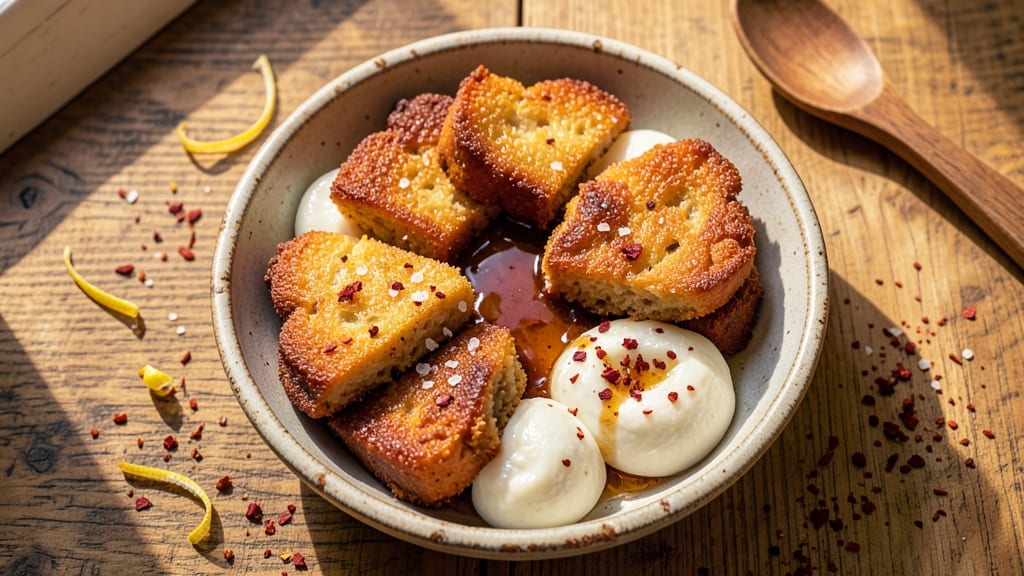
This African fried bread recipe delivers crispy, golden bites that shatter at the touch—just like the ones I first tasted at a bustling Lagos street market. The secret lies in the spiced oil infusion, where garlic, ginger, and a hint of cayenne transform simple dough into something irresistible.
What makes this dish special is how effortlessly it comes together: a soft, pillowy interior with edges so crisp they could stand up to a challenge.
The dough itself is a foolproof blend of flour, yeast, and a touch of sugar, proofing just enough to create that signature lightness.
The magic happens when you fry the dough balls in the aromatic oil—each bite delivers a symphony of flavors, from the warmth of ginger to the subtle kick of cayenne.
This recipe isn’t just about the bread; it’s about the experience of sharing it with friends or family, especially during celebrations or as a snack with spicy stews.
What you’ll end up with is a plate of golden, shatteringly crispy bread that’s impossible to resist. The exterior crackles with each bite, while the inside remains soft and airy—a perfect balance that makes this dish a standout.
Whether you’re serving it as a snack, side, or even a breakfast treat, this recipe brings a taste of West Africa to your kitchen with minimal effort.
Pair these crispy bites with your favorite dips, stews, or even just a sprinkle of flaky salt for a snack that’s as satisfying as it is delicious. The best part? Once you try this method, you’ll never go back to plain fried bread again.
Ingredients for african fried bread
Simple ingredients that transform into crispy, golden bites with spiced oil magic.
| Ingredient | Amount | Notes |
|---|---|---|
| All-Purpose Flour 🌾 | 3 cups | Sifted for light dough |
| Active Dry Yeast 🍞 | 1 package | 1 packet (2.25 tsp) |
| Granulated Sugar 🍚 | ½ cup | For yeast activation |
| Warm Water 💧 | 1 cup | 110°F for yeast activation |
| Vegetable Oil 🫒 | ¼ cup | For dough softness |
| Salt 🧂 | 1 tsp | Kosher or sea salt |
| Garlic Cloves 🧄 | 3 cloves | Minced for oil infusion |
| Fresh Ginger 🌿 | 1 tbsp | Grated, for aromatic oil |
| Cayenne Pepper 🌶️ | ½ tsp | Adjust for heat preference |
| Vegetable Oil 🫒 | 3 cups | For frying, neutral flavor |
| Flaky Sea Salt 🧂 | ¼ cup | For finishing (optional) |
The flour is the foundation—King Arthur or Gold Medal work best for that signature lightness. Active dry yeast needs to be fresh (test it in warm water—it should foam in 5-10 minutes). For the oil infusion, garlic and ginger are non-negotiable—they’re what gives this bread its soul. I grab fresh ginger from the produce section (the root, not paste) and grate it myself—Trader Joe’s has the best pre-peeled ginger if you’re short on time. Cayenne can be adjusted: start with half a teaspoon if you’re sensitive to heat. The dough itself is foolproof, but don’t rush the proofing—let it rise until it’s almost doubled for that airy interior.
No fresh ginger? Ground ginger at half the amount works in a pinch, but it won’t have the same zing. Running out of cayenne? Smoked paprika or a pinch of chili flakes adds depth without the heat. For the oil, vegetable or canola works, but peanut oil gives a richer flavor (just watch for nut allergies). If you’re frying a big batch, use a deep pot—you’ll need enough oil to submerge the dough balls halfway. And trust me on the vegetable oil for dough—it keeps the bread tender without overpowering the flavor. Pre-shredded cheese? Skip it—it’s full of anti-caking agents that ruin texture.
The dough keeps for up to 2 days in the fridge, wrapped tightly in plastic. For extra crispiness, proof the dough overnight in the fridge—it develops deeper flavor. The fried bread stays crispy for about 20 minutes after frying, so work in batches if you’re serving a crowd. Freeze extras on a tray first (unfrozen dough balls stick together), then transfer to a bag for up to 1 month. Reheat in a 350°F oven for 5-7 minutes—they’ll crisp right up. Pair with spicy peanut sauce or honey for the full Lagos street market experience.
Why You'll Love This Recipe
- Five-Ingredient Magic: I swear by this list—yeast, sugar, flour, water, and oil. That’s it. No fancy pantry raids or last-minute grocery runs. The dough comes together faster than I can boil water, and honestly? The simplicity makes it feel like a hug when I’m too tired to cook.
- Golden Crunch Secret: The real star is that first bite—crispy outside, pillowy soft inside. The sugar in the dough caramelizes just enough when fried, giving it this addictive sweetness that pairs perfectly with stews, soups, or even just butter. (Yes, even on a Tuesday night.)
- Breakfast to Snack: Between us, this bread is my go-to for breakfast, a midday snack, or a side for dinner. Toast it with jam for a quick grab-and-go, or serve it warm with honey and peanut butter—my kids fight over the leftovers, and that’s saying something.
- Budget Stretch: A single batch feeds my family of four for days. The dough keeps well, and the fried pieces reheat beautifully. I’ve turned $3 worth of ingredients into meals that feel special, which, let’s be real, is a win in any month.
Step-by-step instructions for African fried bread
Here's how to make these irresistible golden bites with perfectly crispy edges and aromatic spiced oil.
Activate the Yeast and Prepare the Dough
In a small bowl, combine the 1 cup warm water (about 110°F), 0.5 cup granulated sugar, and 1 package active dry yeast. Let it sit for 5-10 minutes until it becomes frothy—this means your yeast is alive and ready to work. If it doesn't bubble, your yeast might be expired, and you'll need to start over.
In a large mixing bowl, whisk together the 3 cups all-purpose flour and 1 tsp salt. Make a well in the center and pour in the yeast mixture along with the 0.25 cup vegetable oil. Using a wooden spoon or your hands, mix until a shaggy dough forms. This dough should be soft but not sticky—if it's too dry, add a splash of warm water.
Knead and Rest the Dough
Turn the dough onto a lightly floured surface and knead for 5-7 minutes until smooth and elastic. You'll know it's ready when it springs back slightly when poked. This step develops the gluten, which gives your bread that perfect chewy texture. If the dough feels too sticky, add a little more flour, but don't overdo it—too much flour makes the bread dense.
Place the dough in a lightly oiled bowl, cover it with a damp towel, and let it rise in a warm place for 1-2 hours, or until it doubles in size. I like to place my bowl near a slightly warm oven with the light on to create a cozy environment for the yeast to work its magic. Poke the dough gently—if it leaves a slight indentation, it's ready.
Infuse the Frying Oil with Aromatics
While the dough rises, prepare the frying oil. In a small saucepan, heat 3 cups vegetable oil over low heat. Add the 3 minced garlic cloves, 1 tbsp grated fresh ginger, and 0.5 tsp cayenne pepper. Let the mixture simmer gently for 5-7 minutes, stirring occasionally, until the garlic turns golden and the oil is fragrant. This infused oil is what gives your bread that irresistible aromatic kick.
Strain the oil through a fine-mesh sieve into a deep fryer or heavy pot, discarding the solids. Keep the oil warm over medium-low heat—it should be around 350°F when ready to fry. If you don't have a thermometer, test it by dropping a small piece of dough in. If it sizzles and rises to the surface within 30 seconds, it's ready.
Shape and Fry the Bread
Punch down the risen dough and divide it into 8 equal pieces. Roll each piece into a ball and flatten it slightly into a 1-inch thick round. Heat the infused oil to 350°F and carefully drop 2-3 pieces of dough at a time into the oil. Fry for 2-3 minutes per side until they turn a deep golden brown. Use a slotted spoon to turn them gently—they'll puff up as they cook.
Real talk: Don't overcrowd the pot or the oil temperature will drop, and your bread won't crisp up properly. Fry in batches if needed, keeping the cooked bread on a paper towel-lined plate to drain excess oil. The bread should be light, airy inside with a crispy, golden crust. If it feels too dense, your dough might have been overworked or underproofed.
Finish and Serve
Once all the bread is fried, transfer it to a wire rack to cool slightly. While still warm, sprinkle generously with 0.25 cup flaky sea salt for that classic African touch. Serve immediately while the bread is at its crispy best—these golden bites are perfect with spicy dips, stews, or even just on their own.
Here's the thing—these breads are best enjoyed fresh. If you have leftovers, store them in an airtight container for up to 2 days, but I promise you won't have any leftovers. The aroma alone will have everyone in your kitchen begging for more.
Pro Tips For Making African Fried Bread
- Fry in Batches: I learned this the hard way—dumping all the dough into hot oil at once makes a greasy, uneven mess. Keep the oil at 350°F (175°C) and fry 2-3 pieces at a time, giving them space to rise properly. Crowding drops the temperature, and soggy bread is no one’s idea of a win.
- Bloom the Yeast Properly: Skip the instant yeast shortcut here—active dry yeast needs 5-10 minutes in warm (not hot) water with that sugar to wake up fully. If the water’s too hot, you’ll kill it; too cold, and it’ll take forever. Stir once, then wait. A frothy, bubbly surface means it’s ready to go.
- Dry the Dough Thoroughly: Wet dough sticks to oil and steams instead of frying. After shaping, let the dough rest on a floured surface for 10-15 minutes—long enough for the surface to firm up but not harden. Pat any sticky spots with extra flour, and you’ll get that perfect crispy crust.
- Use Enough Oil: I was skeptical until I tried it: 1-2 inches of oil in your pan is non-negotiable for this recipe. Too little, and the bread boils instead of frying, leaving you with dense, greasy bites. Deep enough oil ensures a golden, airy exterior every time—no sad, flat results.
Creative variations of this african fried bread
West African Mandazi
This East African cousin uses a dough enriched with coconut milk and cardamom for a fragrant twist. Swap out the vegetable oil for coconut oil and add 1 tsp ground cardamom to the dough.
Roll the dough into small balls, flatten slightly, and fry until golden. The result is a subtly sweet, aromatic bread that pairs perfectly with chai tea or sweetened coconut milk. 🌿
South African Vetkoek
For a heartier version, try South Africa’s vetkoek—thicker, denser, and often served as a side with stews. Replace 1 cup of flour with 1 cup cornmeal and add 1 tsp baking powder to the dough.
Shape into 2-inch thick rounds and fry until deep golden. Serve warm with braai (grilled meat) dips or spicy tomato chutney.
Ethiopian Dabo Kolo
This Ethiopian street food uses a spiced, slightly sweet dough fried in berbere spice-infused oil. Mix 1 tsp berbere spice (available at African markets or online) into the dough and fry in oil infused with 1 tsp ground coriander and ½ tsp fenugreek seeds.
The result is a nutty, spicy twist on fried bread, perfect with shiro (chickpea stew) or spicy lentil dishes.
Sweet Variations
Craving something sweeter? Add ½ cup raisins or chopped dates to the dough before shaping. For a cinnamon-sugar finish, mix 2 tbsp cinnamon and ½ cup sugar in a bowl and roll the fried bread in it while warm.
These mandazi-style treats are a hit at celebrations and pair beautifully with black tea or coffee. 🍯
Savory Herbed Twist
Elevate the flavor with fresh herbs—add 2 tbsp finely chopped cilantro or parsley to the dough. For extra depth, infuse the frying oil with 1 tsp ground cumin and ½ tsp smoked paprika.
These herbed bites are perfect as a snack board pairing with hummus, labneh, or spicy peanut sauce. The herbs add a bright contrast to the crispy exterior.
Gluten-Free Adaptation
For a gluten-free version, replace the all-purpose flour with a 1:1 gluten-free flour blend (like Bob’s Red Mill) and add ½ tsp xanthan gum to improve texture. The dough will be slightly stickier, so handle it gently when shaping.
Fry as usual, but expect a softer crust—still delicious, just less crispy. Pair with spicy dips or stews for a satisfying meal. 💪
Nutrition facts
Frequently asked questions
What’s the secret to getting that perfect crispy exterior?
Keep your oil at 350°F and fry in small batches—overcrowding drops the temperature, making the bread greasy instead of crispy. The infused garlic-ginger oil also adds flavor while helping maintain that golden crunch. Use a thermometer for accuracy!
Can I make this dough ahead of time?
Yes! Shape the dough into balls, cover tightly, and refrigerate for up to 24 hours. Let it sit at room temperature for 30 minutes before frying—this helps it puff up better. The flavor actually improves after resting!
How do I store leftover fried bread?
Keep them in an airtight container for 2 days at room temperature. For longer storage, freeze unfried dough balls on a tray first (to prevent sticking), then transfer to a bag for 1 month. Reheat frozen bread at 350°F for 5-7 minutes to restore crispiness.
What’s the best way to adjust the spice level?
Start with ½ tsp cayenne for mild heat, or reduce to ¼ tsp if you prefer no spice. For extra kick, add ½ tsp smoked paprika to the oil infusion. The ginger and garlic already add warmth without heat—balance is key!
Can I use this dough for other fried foods?
Shape into smaller balls for mandazi-style treats or flatten into thin patties for a savory pancake. The dough works well for beignets too—just add a pinch of cinnamon to the oil. Get creative with shapes!