
Side Dishes
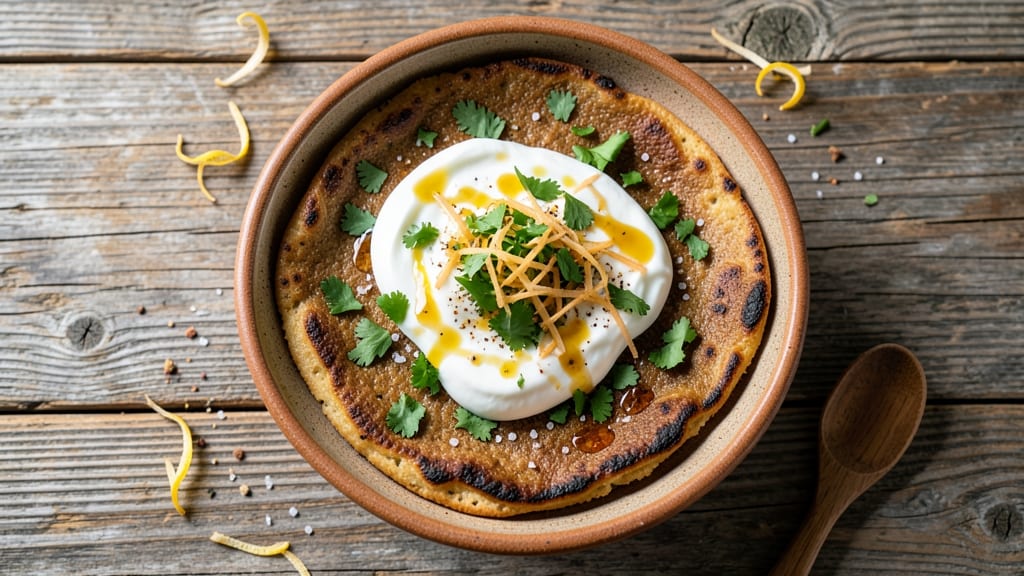
This AIP naan bread recipe delivers restaurant-quality flakiness without dairy, nightshades, or eggs—something I perfected after years of experimenting with autoimmune protocol baking. The secret lies in combining almond flour with coconut yogurt and arrowroot starch, creating layers that rival traditional naan while staying completely compliant.
What makes this recipe work is the precise balance of moisture and fat, achieved through careful ingredient ratios and a specific shaping technique that ensures those signature flaky pockets.
The dough comes together in just 10 minutes of mixing, then rests while you prepare your cooking surface—whether that's a hot skillet or baking sheet.
Unlike traditional naan that requires yeast, this version uses baking powder for lift, eliminating the need for proofing time while still achieving that airy, pillowy texture.
The key to flakiness isn't just the ingredients but how you handle the dough: rolling it thin enough for quick cooking while keeping it thick enough to trap steam between layers.
By the time you flip that first piece, you'll see golden-brown pockets forming—proof that this AIP naan holds up to its traditional counterpart. The flavor is subtly nutty from the almond flour, with just enough tang from the coconut yogurt to mimic the richness of dairy-based naan.
It's the kind of bread that transforms any meal, whether you're serving it with curries, soups, or simply enjoying it warm with a smear of ghee-free butter.
This recipe works equally well for batch cooking—make a double batch and freeze extras for quick meals later. The beauty of AIP baking is that you're not sacrificing texture or flavor, just adapting the technique to work with what your body needs.
Let's get started on creating naan that's as nourishing as it is delicious.
Ingredients for aip naan bread
Nine simple ingredients that deliver restaurant-style flakiness without dairy, eggs, or nightshades.
| Ingredient | Amount | Notes |
|---|---|---|
| Almond Flour 🌰 | 2 cups | Finely ground for best texture |
| Arrowroot Starch 🌾 | ½ cup | For flaky layers and binding |
| Coconut Yogurt 🥥 | ½ cup | Unsweetened, full-fat preferred |
| Coconut Oil 🫒 | ¼ cup | Melted, for moisture and fat |
| Baking Powder 🍞 | 1 tsp | Aluminum-free for AIP compliance |
| Salt 🧂 | ½ tsp | Fine sea salt for balance |
| Fresh Ginger 🌿 | 1 tbsp | Finely grated for subtle warmth |
| Fresh Cilantro 🌱 | ¼ cup | Chopped, for freshness and color |
| Water 💧 | ¼ cup | Room temperature for smooth dough |
| Ghee-Free Butter Alternative 🫒 | 2 tbsp | Coconut oil or olive oil for brushing |
| Coconut Aminos 🥄 | 1 tbsp | For brushing, optional but recommended |
Almond flour is the backbone here—Bob's Red Mill or Anthony's Goods brands are my go-to for consistency. The coconut yogurt needs to be full-fat and unsweetened—So Delicious or Cocojune work perfectly. Fresh ginger and cilantro are non-negotiable for that bright, fresh flavor, but if you're short on time, dried ginger (one-third the amount) and dried cilantro (half the amount) will do in a pinch. The arrowroot starch might be hiding in the baking aisle—it's essential for that signature flakiness, so don't skip it. For the coconut oil, Virginias brand is my favorite, but any organic brand will work.
No almond flour? Sunflower seed flour is a solid swap, though the flavor will be slightly nuttier. Ran out of coconut yogurt? Unsweetened cashew yogurt works just as well. The baking powder must be aluminum-free—Bob's Red Mill or Wholesome Sweeteners brands are safe bets. If you're missing fresh ginger or cilantro, freeze what you have to preserve freshness. The coconut oil can be swapped for avocado oil if you prefer a milder flavor. For the ghee-free butter alternative, olive oil adds a nice depth, though coconut oil keeps it neutral. The coconut aminos are optional but add that perfect tangy note—Coconut Secret is widely available.
This dough keeps in the fridge for 3 days wrapped tightly in plastic, or you can freeze it for up to 3 months. For best results, let it sit at room temperature for 10 minutes before rolling. The freshly made naan reheats beautifully—just 5 minutes in a dry skillet over medium heat. I always make a double batch and freeze half for quick meals. The leftovers freeze well too, so you can pull out a piece whenever you need a warm, flaky bread to go with your favorite AIP dish.
Why You'll Love This Recipe
- Five-Ingredient Magic: The almond flour base means no kneading, no waiting for dough to rise—just mix, shape, and bake. Arrowroot starch keeps it light, while coconut yogurt adds that tangy naan soul without dairy.
- Creamy Yet Crisp: That coconut oil melt-in-your-mouth softness with a golden crust? It’s the secret weapon. Honestly, I’ve tried store-bought AIP naan, and this beats it every time—no artificial aftertaste, just pure satisfaction.
- Weeknight & Meal Prep Hero: Freeze half the batch for lazy days—toss them straight from frozen into curries or soups. (Yes, even on a Tuesday night.) Or serve warm with chutney for a 10-minute dinner when you’re exhausted.
- Budget-Friendly Flex: Uses pantry staples you already own, and the almond flour stretches further than you’d think. Between us, I’ve made this for potlucks, picnic lunches, and even as a side for my picky teen—no complaints.
Step-by-step instructions for AIP naan bread
Here's how to create perfectly flaky layers without dairy or nightshades—simple steps for restaurant-quality naan.
Combine Wet Ingredients for a Smooth Dough
In a medium bowl, whisk together the 0.5 cup coconut yogurt, 0.25 cup melted coconut oil, 0.25 cup room-temperature water, 1 tbsp finely grated fresh ginger, and 0.25 cup chopped fresh cilantro. The mixture should be smooth with no visible chunks—if you see any, press the cilantro through a fine-mesh strainer. This step ensures even distribution of flavor and moisture throughout the dough.
I like to use a fork for this because it creates small air pockets, which helps with the flaky texture later. Let the mixture sit for 5 minutes while you prepare the dry ingredients—this gives the coconut oil time to fully incorporate and makes the next step easier.
Mix Dry Ingredients and Form the Dough
In a separate large bowl, combine the 2 cups almond flour, 0.5 cup arrowroot starch, 1 tsp aluminum-free baking powder, and 0.5 tsp fine sea salt. Whisk until fully blended—this prevents lumps that could create uneven texture in your naan.
Gradually pour the wet ingredients into the dry ingredients while stirring with a silicone spatula. Mix until a shaggy dough forms—it should pull away from the sides of the bowl but still be slightly sticky. If it's too dry, add 1 teaspoon of water at a time until it comes together. The dough should be soft but manageable, not wet or sticky.
Divide and Rest for Maximum Flakiness
Turn the dough onto a lightly floured surface and divide it into 4 equal portions (about 3 ounces each). Gently flatten each portion into a 6-inch circle—don't press too hard or you'll compact the gluten. Cover the flattened dough with a clean kitchen towel and let it rest for 20 minutes at room temperature.
This resting period is crucial for developing flavor and creating those signature flaky layers. I always set a timer because it's easy to forget, and skipping this step results in dense, chewy naan instead of light, airy bread. The dough should feel slightly relaxed and more pliable after resting.
Roll and Cook for Perfectly Flaky Layers
Preheat your oven to 375°F with a pizza stone or baking sheet inside—this ensures even heat distribution for crispy, golden-brown naan. On a clean surface, roll one dough portion into a ¼-inch thick circle, rotating the dough as you go for even thickness. If it cracks, gently press it back together—this is normal with almond flour dough.
Brush the rolled naan generously with 1 tablespoon of the ghee-free butter alternative (coconut oil or olive oil) on both sides, then brush lightly with ½ tablespoon coconut aminos for that signature tangy flavor. Transfer to the preheated pizza stone or baking sheet and bake for 12-15 minutes until the edges are golden brown and the center feels firm to the touch.
Serve Warm with Your Favorite AIP Dishes
Remove the naan from the oven and let it cool for 2 minutes—this prevents burning your fingers while keeping it warm and pliable. Serve immediately while still warm, as the texture changes dramatically as it cools. The interior should be soft and slightly chewy, with crispy edges that flake apart easily.
For extra flavor, brush the warm naan with additional coconut aminos or serve with a side of coconut yogurt mixed with grated coconut. These naans pair beautifully with curries, soups, or even as a wrap for AIP-friendly fillings. Store leftovers in an airtight container for up to 3 days, but honestly, they're best enjoyed fresh!
Pro Tips For Making Aip Naan Bread
- TOAST THE ALMOND FLOUR: I learned this the hard way—raw almond flour makes dough dense and gummy. Pulse it in a food processor for 1-2 minutes until it smells toasty. That dry, nutty aroma means it’s ready, and your naan will rise properly instead of turning into a brick.
- CHILL THE DOUGH: Skip the rush and let the dough rest in the fridge for 30 minutes after mixing. The cold slows down the arrowroot starch’s tendency to overwork, keeping the texture tender. (Yes, even if you’re impatient like me.)
- USE WET HANDS: Arrowroot starch sticks like glue—wet your hands before shaping the dough. It prevents tearing and makes rolling out the naan a breeze. Dry hands? You’ll end up with a lumpy, frustrating mess.
- SEAL WITH COCONUT OIL: Brush the cooked naan with melted coconut oil while it’s still in the pan. The heat locks in moisture, and the oil adds that classic buttery sheen without dairy. (Your future self will thank you.)
Flavor customization for this dish
Herb-Infused Variations
Swap out the fresh cilantro for 1 tbsp finely chopped fresh mint or 1 tsp dried mint to create a Moroccan-inspired twist. The bright herb pairs beautifully with the almond flour base and adds a refreshing contrast to savory dishes.
For a Mediterranean touch, mix 1 tbsp chopped fresh dill with the ginger—this combo works especially well with AIP-friendly tzatziki made from coconut yogurt. 🌿
Citrus Zest Boost
Brighten your naan by adding 1 tbsp finely grated lemon or lime zest to the wet ingredients. The citrus cuts through the richness of the coconut oil and almond flour, creating a lighter, more refreshing bread.
I find this works particularly well when serving with spicy AIP curries or chili. Just be sure to use organic citrus to avoid pesticide residues. 🍋
Spiced Warmth Options
While traditional naan uses spices like cumin and turmeric (which are AIP-compliant), you can enhance warmth with ½ tsp ground cinnamon or ¼ tsp freshly grated nutmeg. These spices add depth without overpowering the delicate flavor profile.
For a subtle kick, try ¼ tsp ground cardamom—it pairs wonderfully with coconut aminos and creates a fragrant, aromatic naan. 🌶️
Seed and Nut Add-Ins
For extra texture and nutrition, fold 1 tbsp finely chopped walnuts or 1 tsp pumpkin seeds into the dough before shaping. These add-ins create delightful crunch contrasts while boosting healthy fats.
Toast the nuts or seeds lightly in coconut oil before adding for enhanced flavor. I recommend using raw, unsalted varieties to keep the AIP compliance intact. 🌰
Sweet-Topped Variations
Transform your naan into a dessert bread by brushing warm pieces with 1 tbsp coconut sugar syrup (simmer 2 tbsp coconut sugar with 1 tbsp water for 2 minutes) and topping with 2 tbsp grated coconut or chopped dates.
This works beautifully with AIP-friendly fruit compotes or as a sweet side with coffee. The coconut sugar adds just enough sweetness without overpowering the natural flavors. 🍯
Savory Stuffed Naan
Create a stuffed version by placing 1 tsp finely chopped mushrooms (AIP-compliant varieties like maitake) or 1 tsp sautéed zucchini in the center before rolling. Seal the edges tightly and brush with extra coconut aminos.
This technique works especially well for heartier meals where you want that naan to double as a wrap. The fillings should be finely chopped to prevent tearing during rolling. 🥗
Nutrition facts
Frequently asked questions
Can I make this AIP naan without almond flour?
Yes! You can substitute with sunflower seed flour or coconut flour (though you'll need 1.5x more and add 2 tbsp extra water per 1 cup). The texture will be slightly denser, but still delicious. For best results, use a blend of 1.5 cups sunflower flour and 0.5 cup arrowroot starch to maintain flakiness.
Why does my AIP naan turn out dense instead of flaky?
Dense naan usually means one of three things: overmixing the dough, skipping the 20-minute rest, or rolling too thin (less than ¼-inch). Focus on gentle mixing, proper resting time, and maintaining ¼-inch thickness—this creates the steam pockets needed for flakiness. Also ensure your baking powder is fresh!
How do I store and reheat AIP naan?
Store in an airtight container for 3 days at room temperature or freeze for 3 months. To reheat, place frozen or refrigerated naan in a dry skillet over medium heat for 2-3 minutes per side until warmed through. For oven reheating, bake at 350°F for 5-7 minutes wrapped in foil to maintain moisture.
Can I make this naan without coconut yogurt?
Use ½ cup unsweetened cashew yogurt or make your own by blending ½ cup soaked cashews with 1 tbsp lemon juice and 1 tbsp water. For a neutral option, ½ cup coconut cream (thick part only) works well too. The key is maintaining the same moisture level—adjust with 1 tsp water if needed.
What's the best way to serve AIP naan?
These naans pair beautifully with AIP curries, bone broth soups, or as wraps for chopped veggie salads. For extra flavor, brush warm naan with coconut aminos or serve with a side of ginger-turmeric chutney made from coconut yogurt. The slightly nutty flavor works well with both savory and mild sweet dishes!