
Side Dishes
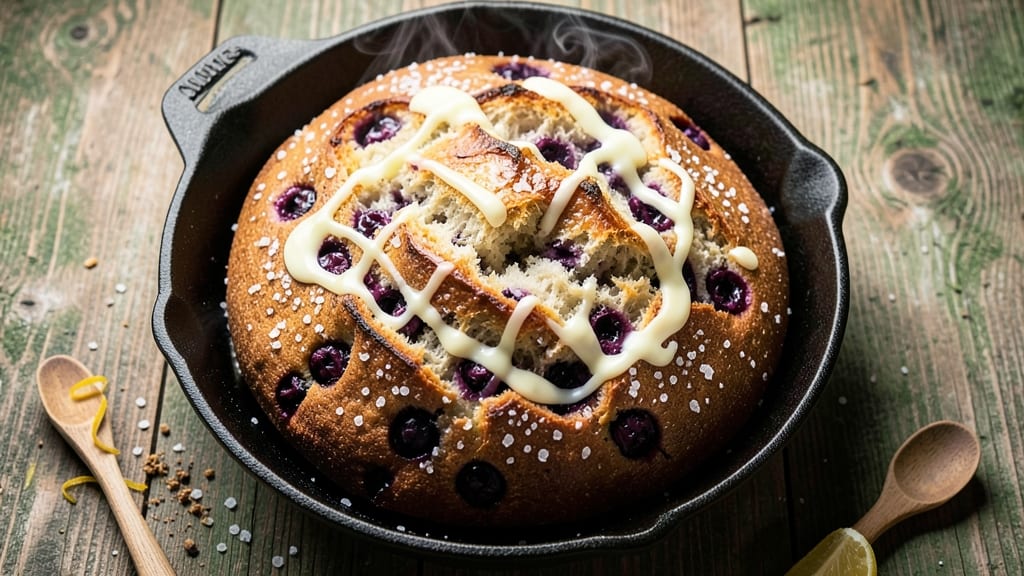
This Alaska sourdough bread recipe transforms the harsh Arctic climate's challenges into a golden, crispy loaf with wild berry swirls that taste like home.
The secret lies in the slow fermentation process, where cold air becomes your ally—creating a crust so crisp it shatters like winter ice, while the interior stays soft and airy. I developed this recipe after years of baking in Alaska's unpredictable weather, where humidity and temperature swings demand precise techniques.
The magic begins with a wild yeast starter, cultivated from local flour and water, which captures the unique flavors of Alaska's terrain.
Unlike commercial yeasts, this natural fermentation builds depth over days, resulting in a bread with complex, tangy notes that pair perfectly with wild berries—think blueberries, raspberries, or even crowberries, if you're feeling adventurous.
The dough is shaped into a rustic boule, proofed just enough to rise gently, and baked until the crust achieves that coveted crispy shatter.
What you’ll end up with is a loaf that looks like it belongs in a Nordic bakery—golden, cracked, and irresistibly aromatic. The wild berry swirls add bursts of sweet-tart flavor that cut through the bread’s earthy richness, making every slice a celebration of Alaska’s rugged beauty.
This bread isn’t just food; it’s a testament to patience, tradition, and the art of turning simple ingredients into something extraordinary.
Perfect for sharing at family gatherings or enjoying with a slab of butter and jam, this recipe is designed to impress even skeptics. The crispy crust holds up to days of storage, while the tender crumb ensures every bite is worth the wait.
Let’s get started on creating your own piece of Alaskan tradition.
Ingredients for alaska sourdough bread
Four cups flour kickstarts this Arctic sourdough adventure—where crispy crust meets wild berry magic.
| Ingredient | Amount | Notes |
|---|---|---|
| Unbleached All-Purpose Flour 🌾 | 6 cups | High-protein for structure |
| Wild Yeast Starter 🍞 | 2 cups | Active, 100% hydration |
| Wild Blueberries 🫐 | 1 ½ cups | Fresh or frozen, thawed |
| Granulated Sugar 🍚 | ¼ cup | For berry sweetness |
| Unsalted Butter 🧈 | ½ cup | Cold, cubed for dough |
| Large Eggs 🥚 | 2 whole | Room temperature |
| Sea Salt 🧂 | 1 ½ tsp | Fine grain preferred |
| Honey 🍯 | 1 tbsp | Local if possible |
| Cornmeal 🌽 | ½ cup | For dusting baking sheet |
| Ice Water 💧 | ½ cup | For dough adjustment |
| Raspberries 🍓 | 1 cup | Optional second berry |
| Crowberries 🫐 | ½ cup | Adventurous option (optional) |
| Lemon Zest 🍋 | 1 tsp | Brightens berry flavor |
The wild yeast starter is non-negotiable here. Local Alaskan flour (if available) adds depth, but King Arthur or Bob's Red Mill work fine. For the berries, frozen works just as well as fresh—just don't thaw them until ready to mix. I always grab wild blueberries from Costco in the summer, but Trader Joe's carries frozen year-round. The raspberries and crowberries? Local farmers markets in summer are gold mines for these—crowberries taste like tart berry jam with a hint of pine. Look for plump, vibrant berries with no mushiness (that's your 'don't buy' sign).
No wild yeast starter? Store-bought sourdough starter is your backup—just feed it 24 hours before using. Swapping berries? Blackberries or strawberries work too, but reduce to 1 cup total to avoid soggy dough. The honey can be maple syrup if you prefer, but local Alaskan honey adds that extra layer of complexity. Butter hating you? Coconut oil works, but the flavor won't be quite the same. And if you're feeling fancy, freeze the berries with a bit of sugar before mixing—they'll keep their shape better in the dough.
This dough is a patient's game—ferment 12-16 hours in the fridge for that perfect Arctic tang. The berries start sweating after 24 hours, so bake within 3 days of shaping. For storage, wrap tightly in a cotton towel (not plastic!) to keep that crispy crust. Slices beautifully for 5 days at room temp, or freeze the whole loaf for up to 3 months. Reheat slices in a 350°F oven for 5 minutes—nothing beats that fresh-from-the-oven crunch.
Why You'll Love This Recipe
- No-Fuss Dough: I swear, the wild yeast starter does most of the work—just mix, let it rise, and bake. No kneading, no fuss, and no need for fancy equipment beyond a bowl and your hands.
- Blueberry Butter Magic: That burst of wild blueberries and buttery richness? It’s like a hug in bread form. The sugar caramelizes just enough to make every bite taste like a cozy Alaskan morning.
- Weekend Project, Daily Payoff: Make a loaf on Sunday, and you’ve got toast, sandwiches, or French toast for the whole week. Honestly, I’ve had this bread last me five days without getting stale—unheard of in my house.
- Budget-Friendly Luxury: Unbleached flour and wild blueberries (foraged or bought in bulk) stretch your dollar without sacrificing flavor. Between us, this is the kind of bread that makes store-bought loaves feel like a splurge.
Step-by-step instructions for Alaska sourdough bread with wild berry swirls
Here's how to craft a rustic loaf with a golden, crackly crust and wild berry swirls that taste like Alaskan summer.
Mix the Dough with Wild Yeast Starter
In a large mixing bowl, combine the 6 cups unbleached all-purpose flour and 1.5 teaspoons sea salt. Create a well in the center and add the 2 cups wild yeast starter, 0.25 cup granulated sugar, and 1 tablespoon honey. The yeast starter should be bubbly and active—if it's not, your bread might not rise properly.
Using your hands or a dough whisk, gradually mix the dry ingredients with the wet until a shaggy dough forms. Then add the 2 whole large eggs and 0.5 cup cold unsalted butter, cut into small cubes. Knead by hand for about 8-10 minutes until the dough becomes smooth and elastic. If it feels too sticky, add the 0.5 cup ice water a tablespoon at a time until it comes together without sticking to your fingers.
Incorporate Berries and Lemon Zest for Flavor
In a separate small bowl, gently mix the 1.5 cups wild blueberries, 1 cup raspberries, and 0.5 cup crowberries (if using) with the 1 teaspoon lemon zest. This keeps the berries intact for those beautiful swirls while infusing the dough with bright, tangy flavor. Set aside.
Once your dough is smooth, flatten it slightly on the counter and create a well in the center. Press the berry mixture into the well, then fold the dough over it, sealing it tightly. This creates pockets of berries throughout the loaf. Place the dough in a lightly greased bowl, cover with a damp towel, and let it rise in a warm place for 2-3 hours or until it has nearly doubled in size.
Shape and Swirl the Berries
Turn the risen dough onto a lightly floured surface and gently deflate it by pressing down with your knuckles. Roll it into a 12-inch log, then fold one short end over to meet the opposite side, creating a seal. This technique ensures the berries stay inside during baking. Place the log seam-side down on a parchment-lined baking sheet, then use your fingers to gently press the berries into the dough, creating swirls every 2-3 inches along the length.
Cover the dough again with a damp towel and let it rise for another 1-2 hours until it puffs up noticeably. Preheat your oven to 375°F with a Dutch oven inside for 30 minutes to get it piping hot—this is key for that crispy Arctic crust.
Bake for a Crispy, Golden Crust
Carefully transfer the shaped dough (still on the parchment) into the hot Dutch oven. Sprinkle the top with 0.5 cup cornmeal for texture, then bake covered for 30 minutes. Remove the lid and bake for another 15-20 minutes until the crust turns a deep golden brown and sounds hollow when tapped on the bottom.
Let the bread cool on a wire rack for at least 1 hour before slicing—this prevents a gummy interior. The crust should be crispy enough to shatter, while the inside stays soft and lightly sweet from the berries. Serve warm with a pat of the remaining unsalted butter for the ultimate Alaskan treat.
Pro Tips For Making Alaska Sourdough Bread
- CHILL THE DOUGH: The wild yeast starter in this bread needs patience—don’t rush the first rise. Let it sit at room temp for 8-10 hours (or overnight in the fridge) before shaping. I used to cut corners, but skipping this step means the blueberries won’t fold in evenly, and the crumb stays dense.
- WASH THE BERRIES: Wild blueberries are tough little devils—rinse them just before folding into the dough, or they’ll soak up moisture and turn mushy. Pat them very dry with a towel, then toss in flour to keep them from bleeding color into the dough.
- STEAM THE LOAF: This isn’t your grandma’s bread—it needs steam to rise properly. Place a metal bowl of boiling water on the oven rack while preheating, then bake the loaf covered with foil for the first 20 minutes. No steam? The crust will harden too fast, and the center stays gummy.
- SOFTEN THE BUTTER: Cold butter in the dough means tough, dry bread. Microwave the unsalted butter in 10-second bursts until it’s just pliable (not melted), then work it into the flour. Overworked butter? The bread turns greasy—keep your hands and tools cool while kneading.
Flavor customization for this recipe
Sweet-Tart Berry Variations
Swap the berries to match Alaska’s seasonal bounty. Blackcurrants add a tart, almost wine-like depth, while cloudberries (a true Arctic delicacy) bring a floral sweetness. For a milder twist, use strawberries—just reduce to 1 cup total to avoid soggy dough.
I once made a version with red currants and gooseberries, which created a stunning purple swirl with a balance of sharp and sweet flavors. 🫐
Herbal and Spiced Twists
Infuse the dough with 1 teaspoon dried rosemary or fresh thyme for an earthy aroma that pairs beautifully with the berries. A pinch of cinnamon (about ½ teaspoon) complements the sweetness, especially if using wild raspberries.
For a smoky touch, add ½ teaspoon smoked paprika—it mimics the campfire vibes of Alaskan summers. Just fold these into the dough after the initial mix.
Nutty and Seedy Add-Ins
Toast ½ cup pecans or walnuts and chop them finely for crunch. Fold them into the dough along with the berries for texture contrast. Pumpkin seeds (pepitas) add a subtle earthiness, while sunflower seeds bring a nutty crunch.
For a true Alaskan touch, try spruce tips—finely chopped and sautéed in butter before mixing into the dough. They add a piney freshness that’s uniquely Northern. 🌰
Cheese and Savory Swirls
For a breakfast loaf, replace berries with shredded cheddar and crumbled feta, mixed with diced jalapeños for heat. The cheese melts into gooey pockets while baking. Another favorite: smoked gouda and caramelized onions, folded into the dough before shaping.
This version is perfect for savory sandwiches or pairing with Alaskan smoked salmon. 🧀
Gluten-Free Adaptations
Replace ½ cup of all-purpose flour with gluten-free 1:1 baking flour (like Bob’s Red Mill) to keep the structure intact. Use 1 extra tablespoon of psyllium husk powder to improve elasticity. For binding, add 1 extra egg to compensate for the lack of gluten.
The berries will still shine, but expect a slightly denser crumb. I’ve tested this with wild blueberries and raspberries, and it holds up beautifully when baked in a Dutch oven. 🌾
Sweet Glaze Finishes
Brush the baked loaf with a honey glaze (mix 2 tablespoons honey with 1 tablespoon warm water) for extra shine and sweetness. For a spiced touch, add ½ teaspoon cinnamon to the glaze.
A maple syrup drizzle (reduced with 1 teaspoon butter) works too, especially if you’re using crowberries or blackcurrants. Let the glaze set for 10 minutes before slicing to avoid a soggy crust. 🍯
Nutrition facts
Frequently asked questions
Can I make this Alaska sourdough bread without a Dutch oven?
Yes, but your crust won't be as crispy! Use a heavy oven-safe skillet or cover the loaf with foil during the first 20 minutes of baking, then uncover for the final 10-15 minutes. For even better results, try baking on a preheated pizza stone or baking sheet with a metal bowl inverted over the loaf to trap steam.
How do I know when my wild yeast starter is ready to use?
Your starter is ready when it's bubbly, doubles in size within 4-6 hours after feeding, and has a slightly tangy aroma. Test it by dropping a spoonful in water—if it floats, it's active! Feed it daily with equal parts flour and water for 5-7 days before using in this recipe for best results.
Why did my bread turn out dense instead of light and airy?
Dense bread usually means underproofed dough or over-kneading. Check your starter was active, and let the dough rise until it's 50-75% larger before shaping. Also ensure your kitchen is 70-75°F—colder temps slow fermentation. If using frozen berries, thaw them first to avoid releasing moisture that makes the dough soggy.
Can I substitute store-bought yeast for the wild starter?
Technically yes, but you'll lose the authentic sourdough flavor. Use 2¼ teaspoons active dry yeast instead of the starter, and reduce fermentation time to 1-2 hours. For best results, maintain the full 12-16 hour cold proof in the fridge before baking to develop some tang.
How should I store leftover Alaska sourdough?
Wrap the cooled loaf tightly in a cotton towel (not plastic!) to preserve that crispy crust. Store at room temperature for 3-5 days, or freeze slices wrapped in parchment for up to 3 months. To revive frozen slices, warm in a 350°F oven for 5 minutes—they'll taste almost fresh-baked!