
Side Dishes
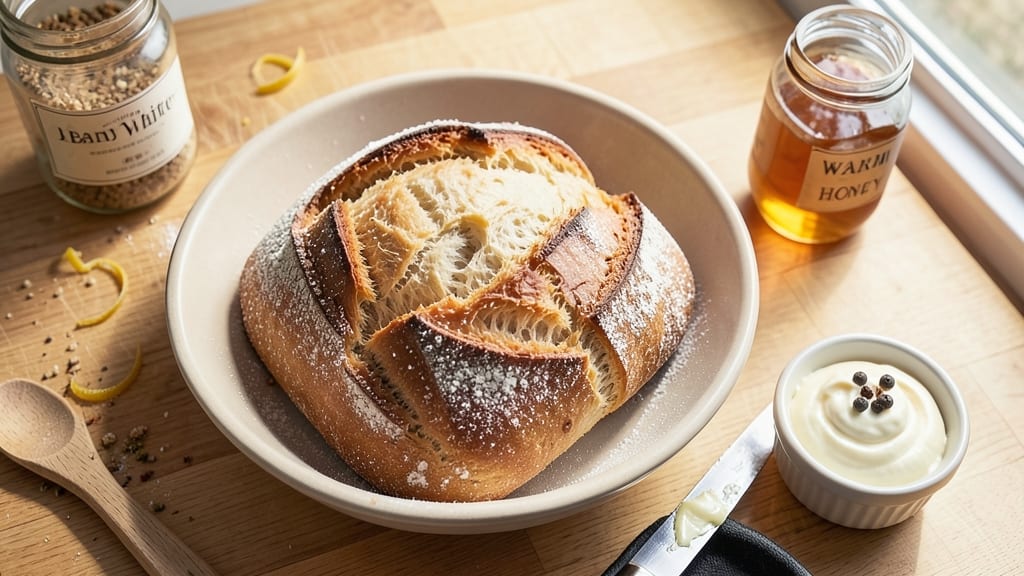
This Albany white bread recipe delivers the perfect balance of soft, pillowy crumb and a crisp golden crust—just like the classic bakery loaf. The secret lies in a precise dough formula with just the right amount of yeast and sugar, creating that signature tender texture and subtle sweetness.
After years of perfecting this recipe, I've found that patience during proofing is everything—it transforms tough dough into airy, light bread that slices beautifully.
The process begins with a simple yet structured dough that develops gluten gradually, ensuring a fine, even crumb. Unlike denser breads, Albany white bread relies on a gentle kneading technique and proper proofing times to achieve its signature softness.
The crust forms a delicate golden shell when baked at the right temperature, sealing in that irresistible texture. This isn't just bread—it's a versatile staple that elevates sandwiches, toast, and French toast to restaurant-quality levels.
What makes this recipe truly foolproof is the attention to detail at each stage—from measuring ingredients precisely to monitoring proofing times carefully. The result is a loaf with a tender interior and a crisp exterior that holds up perfectly for slicing.
Whether you're baking for a family meal or meal prepping for the week, this bread becomes the star of every plate. Ready to master the art of Albany white bread?
Once baked, the bread stays fresh for days when stored properly, making it ideal for busy schedules. The slight sweetness from the sugar balances the yeasty depth, creating a flavor profile that's both comforting and refined.
With this recipe, you'll finally achieve that bakery-quality loaf at home—no shortcuts, just pure, satisfying bread-making tradition. Let's get started on creating your perfect batch.
Ingredients for albany white bread
Precision ingredients transform simple flour into bakery-style Albany white bread with signature softness and crisp crust.
| Ingredient | Amount | Notes |
|---|---|---|
| All-Purpose Flour 🌾 | 4 ½ cups | Bread flour preferred for better texture |
| Active Dry Yeast 🍞 | 2 ¼ tsp | Ensure yeast is fresh (test in warm water) |
| Granulated Sugar 🍚 | ½ cup | White sugar for subtle sweetness |
| Unsalted Butter 🧈 | ½ cup | Cold, cubed for easier mixing |
| Large Eggs 🥚 | 1 whole | Room temperature for even mixing |
| Milk 🥛 | 1 cup | Whole milk for richness (warm) |
| Salt 🧂 | 1 ½ tsp | Diamond Crystal kosher salt |
| Water 💧 | ½ cup | Room temperature for activation |
| Cornmeal 🌽 | ¼ cup | For dusting loaf pan (optional) |
| Egg Wash 🥚 | 1 whole | 1 egg beaten with 1 tbsp water |
| Coarse Sugar 🍚 | 2 tbsp | For sprinkling on crust (optional) |
The flour is non-negotiable here. Bread flour (13-14% protein) creates that signature fine crumb, but King Arthur All-Purpose works in a pinch if you're stocked up. Yeast is the heart of this recipe—always test freshness by dropping it in warm water with a pinch of sugar. If it bubbles within 5 minutes, you're good. The butter should be cold and cubed to prevent overmixing, which kills gluten development. For the milk, warm it to about 110°F (43°C) to activate the yeast properly without killing it. Whole milk adds richness, but 2% works if that's what you have.
No bread flour? Add 1 tbsp vital wheat gluten to all-purpose flour for similar results. Running short on butter? Vegetable shortening at the same weight gives a similar texture, though with less flavor. The egg wash isn't just for looks—it creates that golden crust. For extra shine, add 1 tsp honey to the egg wash. If you're baking in a humid climate, reduce the water by 1 tbsp to prevent a gummy texture. The coarse sugar topping is optional but adds that bakery-style crunch. Turbinado sugar works best if you want to splurge—it caramelizes beautifully.
This dough is a 24-hour project—plan ahead. After mixing, let it rest in the fridge overnight for 8-12 hours (this is called cold fermentation). It keeps beautifully in an airtight container for 3 days in the fridge. For proofing, use a proofing basket or bowl lined with a floured towel to maintain shape. Once baked, cool completely on a wire rack—cutting too soon makes the crumb gummy. Wrap cooled loaves in a clean kitchen towel and store at room temperature for 2-3 days. For longer storage, freeze slices wrapped in plastic for up to 3 months—they toast perfectly straight from frozen.
Why You'll Love This Recipe
- No-Knead Magic: I swear by this dough—just mix, let it rise, and bake. The butter and eggs make it tender without a single punch or fold from me.
- Buttery Softness: That rich, creamy texture? All thanks to the butter and sugar working together. It’s the kind of bread that melts in your mouth but holds its shape.
- Lunchbox Legend: Between us, this is my go-to for sandwiches—no soggy edges, no weird textures. Pack it for school, work, or a picnic, and it stays perfect.
- Budget Baking: Five ingredients, one bowl, zero fuss. I’ve made loaves for a week’s worth of toast for under $3. That’s bread that actually fits my grocery budget.
Step-by-step instructions for Albany white bread
Mastering this classic loaf requires patience and precision—here's how to achieve that signature soft crumb and golden crust.
Activate the Yeast for Maximum Rise
In a small bowl, combine the 0.5 cup water with the 0.5 cup granulated sugar and warm it until it reaches 110°F—it should feel warm to the touch but not hot. Sprinkle the 2.25 tsp active dry yeast over the warm liquid and let it sit for 5-10 minutes until it becomes frothy. This activation step ensures your dough will rise properly and develop that light, airy texture we're after.
If the yeast doesn't bubble after 10 minutes, it's likely dead—start over with fresh yeast. The sugar helps feed the yeast during this critical stage, creating the perfect environment for fermentation. Don't rush this step; a good rise begins with properly activated yeast.
Mix the Dough Until Windowpane Stage
In a large bowl, whisk together the 4.5 cups all-purpose flour and 1.5 tsp salt. In a separate bowl, combine the 1 cup warm milk (about 110°F), the 0.5 cup cold cubed butter, and the 1 whole large egg. Pour the yeast mixture into the wet ingredients and mix until combined.
Gradually add the dry ingredients to the wet, mixing with a wooden spoon or dough whisk until a shaggy mass forms. Turn the dough onto a lightly floured surface and knead for 8-10 minutes by hand, or use a stand mixer with a dough hook on medium speed for 5-6 minutes. The dough should be smooth and elastic, forming a "windowpane" when you stretch a small piece—it should be thin enough to see light through without tearing. This test guarantees proper gluten development for that signature soft crumb.
Let the Dough Rise in Two Stages
Place the dough in a lightly greased bowl, cover with a damp towel, and let it rise in a warm place for 1 hour or until it has doubled in size. This first rise allows the yeast to ferment and create gas bubbles throughout the dough. After the initial rise, punch down the dough to release air bubbles, then shape it into a loaf and place it in a 9x5-inch loaf pan that's been lightly greased and dusted with 0.25 cup cornmeal for easy removal.
Cover the loaf pan and let it rise again for 45-60 minutes until the dough has risen 1-2 inches above the pan. The second rise is crucial for achieving that tall, pillowy loaf. If your kitchen isn't warm enough, place the pan near a turned-off oven light or in a warm oven (off) with the light on. The dough should feel springy when pressed gently—this confirms it's ready for baking.
Bake for a Golden Crust and Perfect Crumb
Preheat your oven to 375°F. Brush the risen dough with the 1 whole egg wash (1 egg beaten with 1 tbsp water) and sprinkle 2 tbsp coarse sugar evenly over the top. Bake for 30-35 minutes until the bread is deep golden brown and sounds hollow when tapped on the bottom. The sugar will caramelize during baking, creating that beautiful crust while adding subtle sweetness.
For best results, I recommend baking on the middle rack where heat circulates evenly. If the top browns too quickly, tent the pan loosely with aluminum foil. Once baked, transfer the loaf to a wire rack to cool completely before slicing—this prevents a gummy texture. The internal temperature should reach 190°F when measured with an instant-read thermometer for that perfect crumb structure.
Cool and Slice for Maximum Freshness
Allow the bread to cool completely on a wire rack for at least 1 hour before slicing. This resting period is essential—it lets the steam escape and the crumb set properly. If you can't wait, slice carefully with a serrated knife and warm the slices in a 350°F oven for 5-10 minutes to restore freshness.
The finished loaf should have a soft, pillowy crumb with tender layers and a crisp, golden crust. Each slice should hold its shape without falling apart, with a delicate balance of sweetness from the sugar and subtle saltiness from the dough. Store any leftovers wrapped in plastic at room temperature for up to 3 days, or freeze for up to 3 months for fresh-tasting bread whenever you need it.
Pro Tips For Making Albany White Bread
- Use Room-Temp Butter: Albany white bread relies on that tender, flaky crumb, and cold butter won’t cut it here. Let your unsalted butter sit out for 30-45 minutes until it’s soft but still holds its shape—this guarantees even distribution without lumps, and the dough will handle the shaping like a dream.
- Bloom Yeast in Warm Milk: I used to just toss the yeast in with the dry ingredients, and my bread always took forever to rise. Instead, mix the yeast with ¼ cup warm milk (105-110°F) and 1 tsp sugar first—let it sit for 5 minutes until frothy. This jumpstarts fermentation and ensures your dough rises faster and more reliably.
- Skip Over-Kneading: Albany white bread isn’t a sourdough—you don’t need to knead it into submission. Once the dough comes together, do 4-5 sets of stretch-and-folds (every 30 minutes for 2 hours) instead of punching it down repeatedly. This builds gluten gently without overworking the dough, which keeps the texture light and airy.
- Proof Loaves Until They’re Almost Ready: The final proof is where Albany white bread gets its signature height, but most recipes underestimate how close you should go. Stop shaping when the loaves have doubled in size and the tops spring back slowly when poked—about 1-1.5 hours at 75°F. Overproofing here flattens the crumb, and underproofing leaves them dense.
Creative variations of this recipe
Sweet Cinnamon Twist
Add 1 teaspoon ground cinnamon and ½ teaspoon vanilla extract to the dough during mixing for a subtle sweetness that pairs perfectly with butter. The cinnamon enhances the bread's warmth, making it ideal for French toast or toast with jam.
For extra indulgence, sprinkle ½ cup brown sugar instead of coarse sugar on top before baking. 🌟
Herbed Garden Loaf
Mix in 1 tablespoon fresh rosemary or thyme leaves with the flour for an aromatic twist. The herbs add complexity without overpowering the bread's delicate flavor. I recommend using dried herbs if fresh aren't available—just reduce to 1 teaspoon for the same impact.
This variation works beautifully with soups or as a side for roasted meats.
Whole Wheat Version
Replace 1 cup all-purpose flour with whole wheat flour for a nuttier, heartier loaf. To maintain the soft texture, add 1 tablespoon vital wheat gluten to compensate for the denser flour.
The result is a slightly sweeter, more substantial bread perfect for sandwiches or toast. For best results, let the dough rest an extra 15 minutes before shaping.
Everything Bagel Style
Top the risen dough with 1 tablespoon poppy seeds, 1 tablespoon sesame seeds, and 1 teaspoon garlic powder before baking. The seeds add texture and flavor, transforming this into a versatile loaf for bagels or toast.
For extra crunch, sprinkle ½ teaspoon coarse salt on top after brushing with egg wash. 💫
Cheesy Garlic Pull-Apart
Add ½ cup shredded cheddar cheese and 1 teaspoon garlic powder to the dough for a rich, flavorful variation. Shape the dough into a round loaf pan and bake as directed.
The cheese creates pockets of gooey goodness that make this perfect for sharing. For a stronger garlic flavor, add 1 minced garlic clove to the egg wash before brushing.
Honey Oat Boost
Substitute ½ cup milk with ½ cup oat milk and add 2 tablespoons honey to the dough for a naturally sweetened loaf. The oats add a subtle nuttiness, while the honey enhances the bread's softness.
This version is ideal for breakfast toast or as a base for savory sandwiches. For extra texture, stir in ¼ cup rolled oats during mixing.
Nutrition facts
Frequently asked questions
Why does Albany white bread need two rise times?
The first rise activates the yeast and develops flavor, while the second rise in the loaf pan creates that signature tall, pillowy shape. Skipping the first rise makes the dough dense, and skipping the second rise flattens the loaf. Think of it as a two-step fermentation process that builds both texture and flavor.
Can I make this bread without a stand mixer?
This recipe works perfectly with hand-kneading. Use a wooden spoon to mix initially, then knead by hand for 8-10 minutes on a floured surface until the dough is smooth and elastic. The windowpane test (stretching dough thin enough to see light) confirms proper gluten development.
What if my dough doesn't rise at all?
Check three things first: yeast freshness (test in warm water with sugar), water temperature (110°F), and room warmth. If your kitchen is cold, place the dough near a turned-off oven light or in a warm oven (off) with the light on. If it still fails, your yeast may be dead—start fresh with new yeast.
How do I store leftover Albany white bread?
Wrap cooled slices in plastic wrap or store the whole loaf in an airtight container at room temperature for 2-3 days. For longer storage, freeze slices wrapped individually for up to 3 months. To revive frozen bread, warm slices in a 350°F oven for 5-10 minutes before serving.
Can I use this dough for dinner rolls instead?
Yes! Divide the dough into 12 equal pieces after the first rise, shape into balls, and place on a baking sheet. Let them rise for 30-45 minutes until puffy, then bake at 375°F for 12-15 minutes until golden. Brush with egg wash and sprinkle with coarse sugar for extra flavor. Perfect for serving with soups or stews!