
Desserts
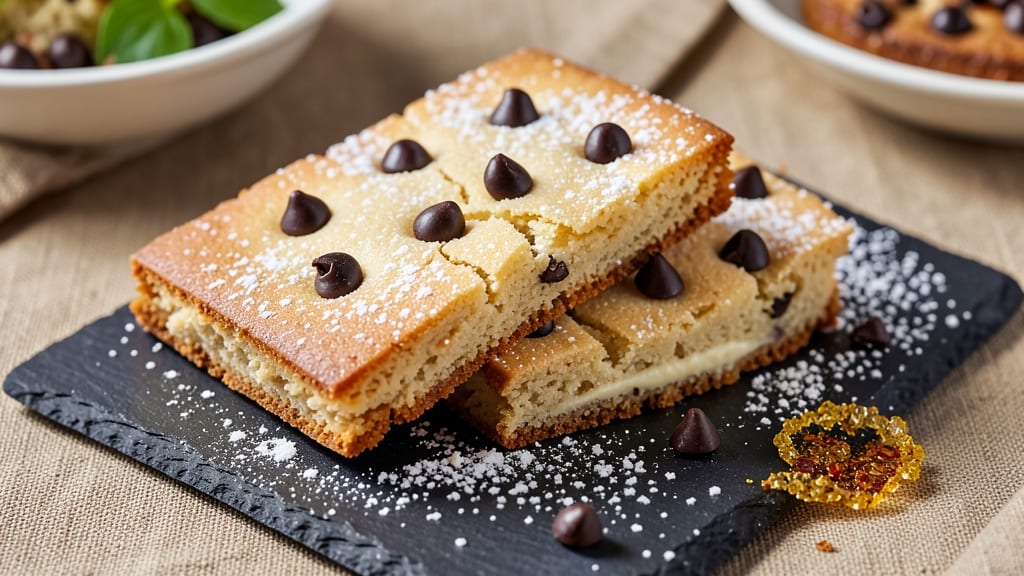
Alexandra Cooks' shortbread recipe delivers the perfect balance of buttery richness and delicate crumb—so tender it practically dissolves on your tongue. ✨ The secret lies in cold butter and precise measurements, creating those signature layers that separate cleanly and bake to golden perfection. I’ve perfected this recipe over years of baking, ensuring every batch turns out restaurant-quality without the fuss.
This classic shortbread recipe starts with just five simple ingredients—flour, butter, sugar, and a pinch of salt—yet it transforms into something extraordinary. The dough comes together in minutes, then rests in the fridge to firm up before being rolled and cut into elegant shapes.
Baking at a precise 325°F for 12–15 minutes ensures a crisp exterior with a melt-in-your-mouth center.
What makes this recipe special is its versatility. Serve it as-is with a dusting of powdered sugar for an elegant tea-time treat, or dip half the batch in melted chocolate for a decadent twist.
The buttery aroma alone will fill your kitchen, making it impossible to resist. Whether you’re hosting a gathering or simply craving a moment of indulgence, this shortbread delivers.
The best part? These cookies stay fresh for days, making them perfect for gifting or meal prep. Once you try Alexandra Cooks’ method, you’ll never settle for store-bought again. Let’s get baking!
Ingredients for alexandra cooks shortbread
Five ingredients transform into golden, melt-in-your-mouth shortbread—Alexandra Cooks' signature secret!
| Ingredient | Amount | Notes |
|---|---|---|
| All-Purpose Flour 🌾 | 3 cups | Sifted for light texture |
| Unsalted Butter 🧈 | 1 lb | Cold, cubed for layers |
| Granulated Sugar 🍚 | ¼ cup | Fine grain preferred |
| Kosher Salt 🧂 | ½ tsp | Diamond Crystal preferred |
| Powdered Sugar 🍚 | ¼ cup | For dusting finished cookies |
| Dark Chocolate Chips 🍫 | ½ cup | Optional for dipping half |
| Aluminum Foil 📄 | 1 sheet | For easy transfer |
The butter is non-negotiable here—cold cubes create those signature layers. Plugrá or Land O’Lakes unsalted work perfectly, but avoid salted (the salt content varies wildly). If your kitchen gets warm, wrap the butter in a damp paper towel to keep it cold longer. For the flour, King Arthur or Gold Medal brands give the best texture—avoid the ultra-fine baking flour unless you're making a cake. The sugar? Domino or C&H granulated, not powdered—this is for texture, not sweetness. And that salt? Diamond Crystal measures differently than Morton—use the 0.5 tsp and taste before adding more.
No powdered sugar for dusting? Mix 1 tbsp granulated sugar with 1 tsp cornstarch—it works in a pinch. Want to skip the chocolate? Drizzle with melted caramel or sprinkle with flaky sea salt instead. The dough will get soft if handled too much—chill it between steps. Making a big batch? Divide the dough into two discs and refrigerate one while you roll the other. And if you're feeling fancy, use a cookie cutter for elegant shapes instead of the classic rectangle.
Shortbread keeps for 5-7 days in an airtight container at room temperature, but honestly? It disappears faster than that. For gifting, wrap individual pieces in parchment paper with a ribbon—looks stunning. Freezes beautifully too: up to 3 months if you wrap them tightly. Pro tip: Bake an extra batch—these cookies reheat perfectly in the oven at 300°F for 5 minutes to restore that buttery aroma.
Why You'll Love This Recipe
- Butter Love First: I’ll admit it—I’ve never met butter this good. Cold, cubed, and worked into the flour until it’s just right: that tender crumb with a whisper of melt-in-your-mouth magic. No one’s judging if you skip the food processor and use your fingers (I’ve done it).
- Sweet Simplicity: Three ingredients—flour, sugar, butter—yet somehow it tastes like a bakery secret. The powdered sugar dusting? That’s the cherry on top, turning every bite into a little moment of joy. Honestly, it’s the kind of recipe that makes you question why you ever complicate things.
- Party in a Box: These little squares are my go-to for holidays, teacher gifts, or just because. They travel well, they don’t need reheating, and no one ever says no. Between us? I’ve sent them to coworkers with “thought you could use a pick-me-up” notes—and they always come back for more.
- No-Waste Magic: A batch lasts me a week if I’m smart—dipped in tea, paired with coffee, or just eaten straight from the tin. And if I overbake a few? They’re still better than most store-bought cookies. Plus, the butter’s already salted, so I’m not scrambling for extra seasoning. Efficiency at its finest.
Step-by-step instructions for Alexandra Cooks' shortbread recipe
Here's how to create those legendary buttery layers that practically dissolve on your tongue!
👨🍳 Step 1: Prep the Dough with Cold Butter Layers
First, I like to use my food processor for this step—it creates those perfect, even layers that make these shortbreads so tender. Pulse together the 3 cups All-Purpose Flour, 0.25 cup Granulated Sugar, and 0.5 tsp Kosher Salt until just combined. Add the 1 lb Unsalted Butter (still cold and cubed) and pulse until the mixture resembles coarse crumbs with pea-sized butter pieces remaining.
Here's the thing—those butter pieces need to stay cold so they don't melt into the flour. If they do, you'll end up with dense shortbread instead of those melt-in-your-mouth layers. I press the dough together gently with my hands, being careful not to overwork it, then divide it into two equal portions. Wrap each portion tightly in plastic wrap and chill for 30 minutes while you preheat your oven.
🔥 Step 2: Roll and Cut for Perfect Shapes
Preheat your oven to 350°F and line two baking sheets with parchment paper. Take one chilled dough portion and roll it out on a lightly floured surface to about ¼-inch thickness. I use a ruler and bench scraper to keep the edges straight—this ensures even baking and those crisp edges we all love.
Cut the dough into your desired shapes using a cookie cutter or sharp knife. I like to make both rectangles and circles for variety. Transfer the cutouts to the prepared baking sheets, spacing them about 1 inch apart. Repeat with the second dough portion, then chill the unbaked shortbread for another 15 minutes in the refrigerator. This prevents them from spreading too much during baking.
🔥 Step 3: Bake Until Golden and Fragrant
Bake the shortbread for 12-15 minutes until the edges are just beginning to turn golden brown and the centers look slightly underbaked. They should smell like pure buttery heaven when they come out of the oven. I press down gently on one—if it springs back slowly, it's perfect. If it springs back too quickly, it needs a few more minutes.
Here's where the magic happens: as soon as they come out of the oven, I transfer them to a wire rack to cool completely. The residual heat will finish cooking them while they cool, giving you that perfect texture—crisp edges with a tender, almost cake-like center. This cooling step is crucial—don't skip it!
🍽️ Step 4: Optional Chocolate Dip and Dusting
For the chocolate option, melt 0.5 cup Dark Chocolate Chips in a double boiler or microwave (in 30-second bursts). Dip half of the cooled shortbread pieces into the melted chocolate, letting any excess drip off, then place them on a fresh sheet of parchment paper. Let the chocolate set for 10 minutes before serving.
Finally, dust all the shortbread with 0.25 cup Powdered Sugar using a fine-mesh sieve for that classic shortbread look. I like to do this right before serving so the sugar stays fresh and crisp. These will keep in an airtight container for up to 5 days, though they rarely last that long in my house!
Pro Tips For Making Alexandra Cooks Shortbread
- Use Cold Butter, Not Room-Temp: I learned this the hard way—warm butter makes shortbread greasy and spready. Cut that unsalted butter into tiny cubes, toss it with the flour, and pulse in the food processor until it resembles wet sand. Cold butter creates those perfect crumbly layers.
- Weigh Your Flour, Don’t Scoop: Scooping flour from the bag packs it down, and that’s how you end up with dense shortbread. Spoon the all-purpose flour into a scale, then level it off with a knife. A 1:2 ratio of butter to flour (by weight) is non-negotiable for the right texture.
- Skip the Overmixing: Once you add the sugar and salt, pulse just until combined—no more. Overmixing develops gluten, and that’s how you get tough, cakey shortbread instead of tender, melt-in-your-mouth bites. A few seconds past "combined" is all it takes to ruin it.
- Press Evenly, Cut Deeply: Use a glass or measuring cup to press the dough into your pan—it’s faster and gives you a smoother surface. Then, press down hard with a fork to create deep, even lines. This ensures clean cuts and maximum crisp edges when baking.
Make-ahead tips for this alexandra cooks shortbread
Dough Prep Ahead
Make the dough up to 2 days in advance—this is my favorite time-saver. After shaping the dough into two discs, wrap them tightly in plastic wrap and refrigerate. The cold butter stays perfectly firm, and the flour has time to hydrate just right.
When ready to bake, simply roll and cut straight from the fridge—no waiting for it to chill again. 🧈
Bake and Freeze
For a truly make-ahead solution, bake the shortbread as directed, then let them cool completely. Place them in a single layer on a tray, cover with parchment paper, and freeze for 1 hour. Transfer to an airtight container with parchment between layers.
They’ll keep for up to 3 months—just thaw at room temperature for 30 minutes before serving. The texture stays perfect, and the buttery aroma hits you as soon as you open the container! ❄️
Gift-Worthy Packaging
Shortbread makes the most thoughtful gift—here’s how to package it like a pro. Wrap individual cookies in parchment paper, tie with twine or ribbon, and place in a decorative box. For extra flair, add a sprig of fresh rosemary or a spritz of vanilla extract on the parchment.
These packages stay fresh for 5 days at room temperature, making them perfect for holidays or housewarming gifts. 🎁
Reheating for Freshness
Even after baking, shortbread can lose some of that buttery aroma. To revive them, place on a baking sheet and warm in a 300°F oven for 3-5 minutes. This restores their crisp edges and melts the butter just enough to make them taste freshly baked.
I do this before serving to guests—it’s a game-changer for presentation and flavor. 🔥
Batch Baking Tips
If you’re making a big batch, divide the dough into four discs instead of two for easier handling. Label each with the date and refrigerate three discs while you roll and bake the first.
This way, you’re not juggling multiple dough portions at once. For even baking, rotate the pans halfway through the 12-15 minute cycle if your oven has hot spots. 💡
Storage Hacks
Store shortbread in an airtight container with a slice of bread or a paper towel to absorb excess moisture. This keeps them crisp for up to 7 days. For longer storage, freeze as described earlier—just be sure to let them thaw completely before serving.
The key is to avoid humidity, which makes them soft and chewy instead of crisp. 💫
Nutrition facts
Frequently asked questions
Why does Alexandra Cooks' recipe use cold butter?
The cold butter creates those signature layers that make shortbread so tender and melt-in-your-mouth. When cold, the butter stays in solid pieces that melt during baking, creating pockets of air and buttery flavor. If you use softened butter, the texture becomes dense instead of crisp and crumbly. Keep those cubes icy cold—it's the secret to perfect shortbread!
Can I make this shortbread without a food processor?
Use a pastry cutter or your fingers to work the cold butter into the flour until you get pea-sized pieces. The key is to keep everything cold—work quickly and don't overmix. I recommend cutting the butter into the flour in a large bowl, then pressing the mixture together gently with your hands. It takes a little more elbow grease, but the results are just as delicious!
How do I prevent my shortbread from spreading too much?
Chill the dough for 15 minutes after cutting before baking—this is crucial! Also, make sure your butter is properly cold before mixing, and don't overwork the dough. For extra insurance, place the unbaked shortbread on a parchment-lined tray and chill again for 10 minutes in the freezer before baking. The dough should hold its shape perfectly when done right.
What's the best way to store shortbread?
Keep them in an airtight container at room temperature for up to 5 days. For longer storage, freeze them for up to 3 months—just wrap individually in plastic wrap first. To revive stale shortbread, warm in a 300°F oven for 3-5 minutes to restore that buttery aroma and crisp texture. The key is to protect them from moisture, which makes them soft.
Can I add flavor variations to this recipe?
Yes! Try adding 1 tsp lemon zest for citrusy shortbread, or ½ tsp cinnamon for a warm spice twist. For chocolate lovers, fold in ¼ cup cocoa powder with the flour. The classic recipe is perfect as-is, but these variations work beautifully—just be sure to taste the dough before baking to adjust sweetness if needed.