
Side Dishes
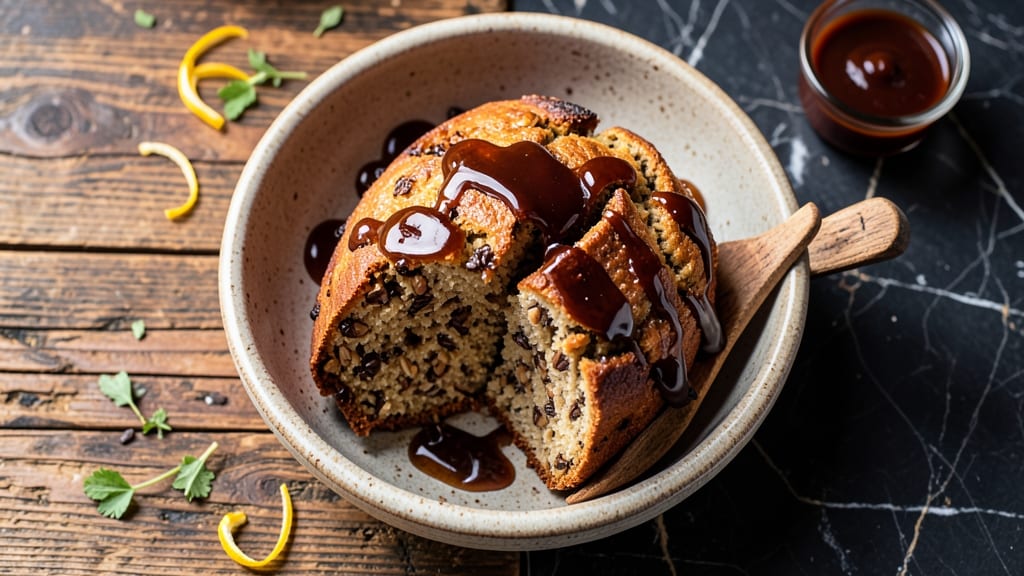
This All Bran brown bread recipe transforms simple pantry staples into a hearty, wholesome loaf with a satisfying crunch and moist interior. The secret lies in blending All Bran cereal with whole wheat flour for a perfect texture—chewy yet sturdy enough to hold up to sandwiches or toast.
I developed this recipe after years of experimenting with whole-grain breads, and it consistently delivers that classic, comforting flavor without sacrificing nutrition.
The beauty of this recipe is its foolproof method—no special equipment required, just basic mixing, kneading, and baking. The All Bran adds fiber and a delightful crunch, while the molasses and honey deepen the flavor, creating a bread that tastes like a home-baked treasure.
Perfect for breakfast toast, sandwiches, or as a side to hearty meals, this loaf is a staple in my kitchen year-round.
What sets this bread apart is its versatility—it stays fresh for days and freezes beautifully for quick meals. The crust develops a golden-brown hue with a subtle crackly texture, while the inside remains soft and inviting.
Whether you're a seasoned baker or new to homemade bread, this recipe ensures success with clear, step-by-step instructions.
Once baked, the aroma alone will make your kitchen feel like a cozy bakery. Slice it warm for the best experience, or store it in an airtight container to enjoy for up to five days.
The possibilities are endless—try it with butter, jam, or as the base for your favorite sandwich. Let’s get baking!
Ingredients for all bran brown bread
Pantry staples meet wholesome baking magic—just twelve ingredients transform into golden-brown All Bran bread perfection.
| Ingredient | Amount | Notes |
|---|---|---|
| All Bran Cereal 🌾 | 1 cup | Unprocessed, original flavor preferred |
| Whole Wheat Flour 🌾 | 3 cups | Unbleached for best texture |
| Unsweetened Applesauce 🍎 | ½ cup | Substitute for oil/fat |
| Molasses 🍯 | ¼ cup | Dark molasses for depth |
| Honey 🍯 | ¼ cup | Local raw honey preferred |
| Active Dry Yeast 🍞 | 2 tsps | Fresh yeast in pinch |
| Granulated Sugar 🍚 | ½ cup | White sugar preferred |
| Warm Water 💧 | 1 ¼ cups | 110°F for yeast activation |
| Salt 🧂 | 1 tsp | Diamond Crystal preferred |
| Vegetable Oil 🫒 | ¼ cup | For dough softness |
| Poppy Seeds 🌻 | 1 tbsp | Optional for texture |
| Sesame Seeds 🌻 | 1 tbsp | Optional for crunch |
The All Bran cereal is non-negotiable here—store-brand or name brands work equally well, but avoid the sweetened varieties. Bob's Red Mill or Quaker are reliable choices, but check the ingredients label for added sugars or oils. The whole wheat flour should be unbleached for a lighter texture; King Arthur is my go-to brand, but any high-protein flour works. For the molasses and honey, local, raw options add depth of flavor—Whole Foods or Trader Joe's carry excellent selections. The yeast is critical: use active dry yeast and test it first by dissolving a pinch in warm water with a pinch of sugar—if it bubbles within 5 minutes, it's fresh. Diamond Crystal kosher salt is ideal for its coarse texture, but any fine sea salt works in a pinch.
No applesauce? Unsweetened applesauce from a jar is best, but mashed banana or Greek yogurt can substitute in a bind. Substituting honey? Maple syrup works 1:1, though the flavor will shift slightly. The vegetable oil can be swapped for melted coconut oil or butter (though butter adds richness). For seeds, sesame or poppy are traditional, but sunflower or flaxseeds add a nice crunch too. Pre-fermenting the dough for 1-2 hours enhances flavor—just mix the wet ingredients and let sit before adding dry components. No stand mixer? A sturdy wooden spoon and strong arms work perfectly for kneading.
This bread freezes beautifully—slice before freezing for perfect toast portions. Wrap tightly in plastic wrap, then foil, and it’ll keep for up to 3 months. For freshness, store in a canvas bread bag or paper-lined basket at room temperature for 3-4 days. Revive stale bread by wrapping in a damp towel and microwaving for 20 seconds. The crust develops best when baked in a dark, heavy pan—cast iron or ceramic works wonders. Double the recipe for a family loaf; just scale all ingredients proportionally. Leftovers? Toast with butter and jam for an instant breakfast treat.
Why You'll Love This Recipe
- No Mixer Needed: I swear by this recipe when my hands are full—just stir the All Bran and flour with a wooden spoon until it’s crumbly, then fold in the applesauce. The dough comes together faster than my coffee brews, and honestly? That’s all it takes.
- Molasses-Honey Magic: Between us, this combo is ridiculously good—molasses gives it that deep, caramelized warmth, while honey softens the edges just enough to make every bite irresistible. My kids dip it in butter like it’s a dessert, and I don’t blame them.
- Weeknight Meal Prep: Slice it fresh for toast in the morning, but it also holds up for days in the fridge—perfect for sandwiches or charcuterie boards. I bake a loaf on Sunday, and it’s still my go-to by Friday, no fuss.
- Pantry Staple Power: All Bran, whole wheat flour, and applesauce? Ingredients I already have. Molasses and honey are cheap enough that I don’t flinch at the price, and the bread stretches my grocery budget further than store-bought ever could. Plus, it’s got fiber to spare.
Step-by-step instructions for All Bran brown bread
Here's how to transform simple pantry staples into a hearty, crunchy loaf that's perfect for toast or sandwiches.
Activate the Yeast with Warm Water and Sugar
In a small bowl, combine the 1.25 cups warm water (around 110°F) with the 2 tsps active dry yeast and 0.5 cup granulated sugar. Let this sit for 5-10 minutes until it becomes frothy and bubbly—this confirms your yeast is alive and ready to work. The bubbles indicate fermentation has begun, which is essential for creating that light, airy texture in your bread.
If you don't see bubbles after 10 minutes, your yeast might be inactive. In that case, sprinkle in another ½ tsp yeast and wait another 5 minutes. This step is your foundation, so don't rush it. The warm water should feel like bathwater to the touch—not hot enough to kill the yeast, but warm enough to activate it.
Mix Wet Ingredients and Combine with Dry Components
In a large mixing bowl, whisk together the 1 cup All Bran Cereal, 0.5 cup unsweetened applesauce, 0.25 cup molasses, 0.25 cup honey, and 1 tsp salt. This combination of wet ingredients creates a rich, flavorful base that balances the heartiness of the whole grains. The applesauce acts as a natural fat substitute, keeping the dough soft without adding extra oil.
Gradually pour in the yeast mixture while stirring continuously. Then, drizzle in the 0.25 cup vegetable oil and mix until fully incorporated. The dough will be thick and sticky at this stage—this is normal. Add the 3 cups whole wheat flour in increments, mixing just until combined. Overmixing develops gluten, which can make the bread dense, so stop as soon as the flour disappears.
Knead the Dough Until Smooth and Elastic
Transfer the dough to a lightly floured surface and knead for 8-10 minutes until it becomes smooth and elastic. You'll know it's ready when it springs back slowly when poked. The whole wheat flour makes this dough denser than white flour dough, so don't be surprised if it feels heavier. Work in short bursts to avoid overheating the gluten.
If the dough feels too sticky, wet your hands slightly while kneading to prevent it from sticking. Once kneaded, place the dough in a lightly oiled bowl, cover it with a damp towel, and let it rise in a warm place for 1-1.5 hours or until it has doubled in size. The kitchen counter near the oven is ideal for this—just make sure it's not drafty.
Shape and Proof the Dough for Optimal Texture
Punch down the risen dough to release any air pockets, then shape it into a 9x5-inch loaf pan lined with parchment paper. The dough will be soft and slightly tacky, but don't worry—this is what gives the bread its moist interior. Sprinkle the 1 tbsp poppy seeds and 1 tbsp sesame seeds evenly over the top for added texture and visual appeal.
Cover the loaf pan with a damp towel and let it proof for another 30-45 minutes until it rises about ½ inch above the pan. This final rise ensures a light, airy crumb. Preheat your oven to 375°F during this time—you want everything ready to go when the dough is proofed. The seeds will toast beautifully in the oven, adding a delightful crunch to each slice.
Bake Until Golden and Internal Temperature Reaches 190°F
Bake the loaf for 45-50 minutes until the top is deep golden brown and an instant-read thermometer inserted into the center reads 190°F. The bread should sound hollow when tapped on the bottom—this indicates it's fully baked. If the top browns too quickly, tent the loaf with aluminum foil to prevent over-browning while it finishes cooking inside.
Remove the bread from the oven and let it cool in the pan for 10 minutes, then transfer it to a wire rack to cool completely. This cooling period is crucial—it allows the bread to set properly, preventing a gummy texture. Once fully cooled, slice the loaf into ¼-inch thick pieces for that perfect crunch with every bite. Store any leftovers in an airtight container for up to 5 days or freeze for longer storage.
Pro Tips For Making All Bran Brown Bread
- Mix Dry Ingredients First: I learned this the hard way—adding All Bran cereal directly to wet ingredients creates a gummy mess. Whisk the whole wheat flour, baking soda, and salt together first, then stir in the cereal last so it stays loose and evenly distributed.
- Preheat Pan to 375°F: This isn’t just a suggestion—it’s the thing that matters most. A cold pan makes the bread dense and gummy. After mixing, let the batter sit for 5 minutes while you preheat, then pour it into a hot pan for a crispier crust and even rise.
- Don’t Overmix the Applesauce: After burning three batches, I finally figured out: fold in the applesauce just until combined. Overworking it turns the batter into glue, and the bread ends up heavy. A few gentle swirls with a spatula keeps the texture light.
- Swap Molasses for Blackstrap: Sounds weird, but it works: blackstrap molasses has more depth and less sweetness, balancing the honey better. Use half the amount called for—it’s stronger, so you’ll need less to avoid an overly bitter loaf. (Yes, even if you’re impatient like me.)
Troubleshooting this dish
Dense Dough Woes
If your dough feels too heavy or dense after kneading, you might be overworking the gluten. Whole wheat flour develops gluten differently than white flour, so knead just until smooth—about 8-10 minutes. I’ve found that using a dough scraper helps prevent over-kneading while keeping sticky dough manageable.
If the dough still feels dense after baking, try reducing the whole wheat flour by ¼ cup next time and replacing it with all-purpose flour for a lighter texture. 💪
Flat or Underproofed Loaf
A flat loaf usually means the yeast didn’t activate properly or the dough didn’t rise enough. Double-check your yeast by testing it in warm water with sugar—it should bubble within 5-10 minutes.
If your kitchen is cold, place the dough near the oven (turned off) with the light on to create warmth. For extra insurance, let the dough rise for an additional 30 minutes if it hasn’t doubled in size after 1.5 hours.
A warm spot speeds up fermentation, especially with whole grains. ⏰
Bread Crumb Too Dry
If your bread turns out dry, the issue is likely insufficient fat or moisture. The ½ cup unsweetened applesauce and ¼ cup vegetable oil are key for keeping the crumb soft.
If you skipped either, add 2 tbsp Greek yogurt or 1 tbsp melted butter to the dough for extra moisture. Also, avoid overbaking—remove the bread when the internal temperature hits 190°F, not when it’s fully browned. A toothpick should come out clean with a few moist crumbs. 💧
Seeds Not Sticking
If your poppy and sesame seeds fall off during baking, the dough wasn’t tacky enough when shaping. Wet your hands slightly and press the seeds gently into the dough before the final proof.
For extra grip, brush the top of the loaf with a little water or egg wash before sprinkling seeds. I’ve also had success mixing the seeds into the dough before shaping—just distribute them evenly. This ensures they stay put and add crunch to every bite. 🌻
Bread Sticks to Pan
Lining your 9x5-inch loaf pan with parchment paper should prevent sticking, but if it still happens, the dough might need more flour. Lightly grease the parchment with vegetable oil before shaping the dough. For stubborn cases, dust the pan with ½ tsp cornmeal before adding the parchment.
Avoid overgreasing—just a light coat prevents sticking without making the bread greasy. If the bread still sticks, try baking it on a parchment-lined sheet pan instead. 🧂
Nutrition facts
Frequently asked questions
Can I substitute whole wheat flour with all-purpose flour?
You can replace up to 1 cup of whole wheat flour with all-purpose flour to make the dough lighter, but the texture will be less hearty. For best results, use at least 2 cups of whole wheat flour to maintain the classic All Bran crunch. The whole grains add fiber and a satisfying bite that all-purpose flour can't replicate.
Why does my dough feel too sticky?
The whole wheat flour and All Bran cereal absorb more moisture, making the dough naturally sticky. Wet your hands slightly while kneading to prevent sticking, and avoid adding extra flour—this can make the bread dense. A dough scraper helps too! The stickiness actually contributes to that moist crumb.
How long should I let the dough rise?
First rise: 1-1.5 hours until doubled. Second rise (after shaping): 30-45 minutes until it rises ½ inch above the pan. Cold kitchens slow fermentation—place the dough near the oven (turned off) with the light on for warmth. Never skip proofing; it develops flavor and texture.
Can I make this bread without molasses or honey?
Yes! Replace ½ cup molasses + ¼ cup honey with ¾ cup maple syrup or ½ cup brown sugar + ¼ cup warm water. The sweetness balances the whole grains, but you'll lose some depth of flavor. For a savory version, reduce sweetener to ¼ cup and add 1 tsp cinnamon for warmth.
How do I store or freeze this bread?
Wrap cooled loaves in plastic wrap, then foil, and store at room temperature for 3-4 days. For freezing, slice first, wrap tightly, and freeze for up to 3 months. To revive, toast directly from frozen or thaw at room temperature. The seeds stay crispy when frozen! For extra freshness, place in a canvas bread bag.