
Side Dishes
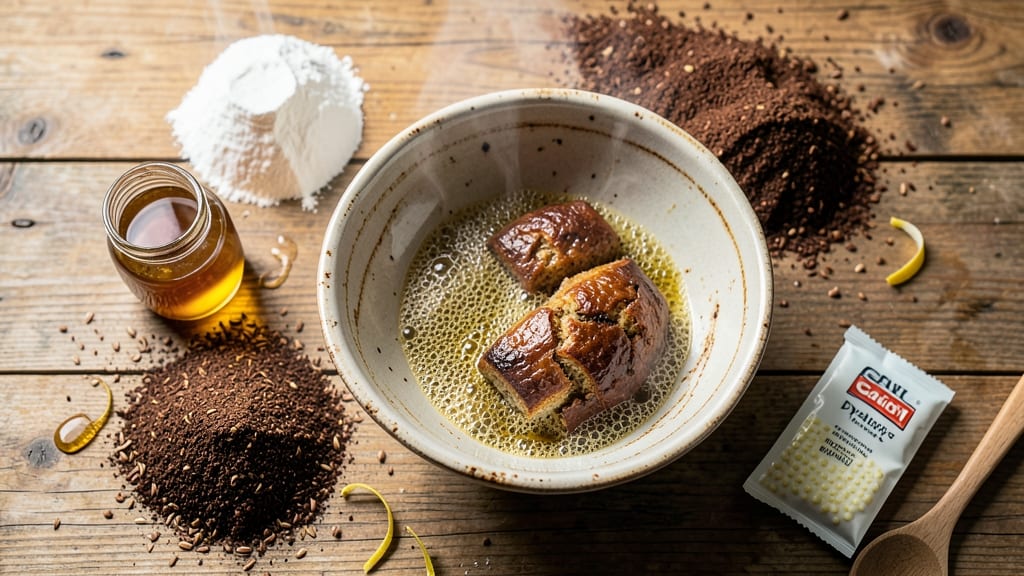
Mastering all-rye bread with a Dutch oven crust and chewy artisan texture transforms your kitchen into a bakery. This recipe delivers dense, nutty flavor and a crispy exterior—no bakery skills required. The secret lies in precise hydration, autolyse rest, and high-heat baking for that signature crust.
We begin with a high-hydration dough that develops gluten gradually for an open, airy crumb. Rye flour’s natural sourness and earthy notes shine when proofed properly, while the Dutch oven traps steam for an oven spring that rivals artisanal loaves. Every step—from kneading to scoring—impacts the final texture.
The result? A loaf with golden, shatteringly crisp edges and a chewy, dense interior that holds up to toast or sandwiches. The crust crackles with each bite, while the crumb remains tender. This recipe balances traditional methods with modern shortcuts, ensuring success even for beginners.
Perfect for sandwiches, toast, or serving alongside soups, this bread keeps well for days. Ready to bake a loaf that rivals your favorite bakery? Let’s get started with the ingredients and step-by-step instructions.
Ingredients for all rye bread
Precision matters here—high-hydration dough and artisanal rye flour create bakery-quality texture.
| Ingredient | Amount | Notes |
|---|---|---|
| Dark Rye Flour 🌾 | 3 ½ cups | Stone-ground preferred for texture |
| All-Purpose Flour 🌾 | 1 cup | For structure and gluten development |
| Active Dry Yeast 🍞 | ¼ oz | Or 2.5g for precise measurement |
| Warm Water 💧 | 2 ¼ cups | 105°F (40°C) for optimal yeast activation |
| Honey 🍯 | 1 tbsp | Feeds yeast and adds subtle sweetness |
| Salt 🧂 | 1 ½ tsp | Diamond Crystal preferred for accuracy |
| Olive Oil 🫒 | 1 tbsp | Extra-virgin for richness |
| Rye Berries 🌾 | ¼ cup | Optional for added texture and flavor |
| Cornmeal 🌽 | ¼ cup | For dusting Dutch oven |
| Ice Water 💧 | ½ cup | For final dough adjustment |
The dark rye flour is non-negotiable for authentic flavor—King Arthur or Bob’s Red Mill are industry standards. Stone-ground varieties develop deeper flavor during baking. If your local store lacks dark rye, King Arthur’s light rye works in a pinch, though the color will differ. For yeast, Saf-Instant is ideal as it doesn’t require activation, while active dry yeast needs the 5-minute proofing step. The olive oil should be extra-virgin—California Certified brands provide consistent quality. Rye berries, if used, should be toasted lightly before mixing to enhance their nutty aroma.
No dark rye flour? Substitute with 2 cups whole wheat flour plus 1.5 cups all-purpose—though texture will be less dense. Running short on honey? Maple syrup works at equal volume, though it adds more sweetness. The cornmeal can be swapped for semolina if unavailable, though cornmeal creates a slightly crispier crust. For gluten-free adaptations, King Arthur’s gluten-free all-purpose flour can replace both flours at a 1:1 ratio, though texture will differ significantly. Prefer a lighter loaf? Reduce water by 0.25 cups, but expect a firmer crumb.
This dough requires two full days for optimal flavor development. Store the autolyse stage (flour and water mixed) in an airtight container at room temperature for 12-24 hours before adding remaining ingredients. For long-term storage, freeze the completed dough in a sealed bag for up to 3 months—thaw overnight in the fridge before shaping. The baked loaf keeps well at room temperature for 5-7 days, though it’s best enjoyed within 3 days for maximum freshness. For reheating, wrap in foil and warm at 300°F (150°C) for 10 minutes to restore crispiness.
Why You'll Love This Recipe
- No-Knead Magic: I swear by this—just mix, let it rise overnight, and bake. The dark rye flour does all the heavy lifting while you sleep, so you’re not stuck slaving away in the kitchen.
- Honeyed Depth: That touch of honey? It’s what makes this bread ridiculously good—caramelizing just enough to balance the earthy rye, giving you a crust that’s crisp but not bitter.
- Weeknight Hero: Toss a loaf in the freezer for sandwiches all week, or slice it for toast in 10 seconds. It’s my go-to for lazy mornings or quick lunches—no fuss, just flavor.
- Budget-Friendly Staple: Dark rye flour might sound fancy, but a little goes a long way, and this recipe stretches further than store-bought loaves. Plus, the yeast and honey are cheap pantry staples.
Step-by-step instructions for all rye bread with Dutch oven crust
Mastering this recipe delivers a dense, chewy crumb and crispy Dutch oven crust every time.
Activate the Yeast with Warm Water and Honey
In a large mixing bowl, combine the 2.25 cups warm water (should feel like bathwater, 105°F) with the 1 tablespoon honey and 0.25 oz active dry yeast. Let this sit undisturbed for 5-10 minutes until you see frothy bubbles forming on the surface. This indicates the yeast is active and ready to work.
The honey serves a dual purpose here—it feeds the yeast to kickstart fermentation while adding subtle sweetness to balance the rye's earthy flavor. If no bubbles appear after 10 minutes, your yeast may be dead, and you'll need to start over with fresh yeast. This is why using precise measurements matters with yeast.
Mix the Dough Using the Autolyse Technique
Add the 3.5 cups dark rye flour and 1 cup all-purpose flour to the yeast mixture. Stir vigorously with a wooden spoon or dough whisk until a shaggy dough forms. Let it rest for 20 minutes while you prepare the remaining ingredients. This resting period, called autolyse, allows the flour to fully hydrate and develop gluten more effectively.
After the rest, add the 1.5 teaspoons salt and 1 tablespoon olive oil to the dough. Using your hands or a dough scraper, work these ingredients into the dough until fully incorporated. The dough will be sticky—this is normal with high-hydration rye bread. Avoid adding extra flour at this stage, as it will affect the final texture.
Develop the Dough Through Bulk Fermentation
Turn the dough onto a lightly floured surface and knead gently for 5-7 minutes until smooth and elastic. The rye's density makes this dough less forgiving than traditional bread doughs, so handle it with care. Shape it into a loose round and place it back in the mixing bowl.
Cover the bowl with a damp kitchen towel and let the dough ferment at room temperature for 1-2 hours, or until it has roughly doubled in size. You'll know it's ready when the dough springs back slowly when poked with a finger and leaves a slight indentation. This fermentation step is critical for developing flavor and texture—don't rush it.
Shape and Final Proof in the Dutch Oven
Lightly dust a work surface with 0.25 cup cornmeal to prevent sticking. Turn the dough out and gently shape it into a round loaf, tucking the edges underneath. Place the shaped dough seam-side up in a cornmeal-dusted Dutch oven. Cover the Dutch oven with a lid or damp towel and let it proof for 30-45 minutes until it has risen about 1 inch above the rim.
Preheat your oven to 450°F while the dough proofs. The Dutch oven will retain heat exceptionally well, creating that signature crispy crust. If your oven runs hot, start checking for doneness at the 20-minute mark rather than waiting for the full time—every oven behaves differently.
Bake for Maximum Crust and Crumb Perfection
Carefully transfer the Dutch oven to the preheated oven. Bake covered for 30 minutes, then remove the lid and bake uncovered for an additional 15-20 minutes until the bread is deep golden brown and sounds hollow when tapped on the bottom. The internal temperature should reach 205-210°F when measured with an instant-read thermometer.
Remove the bread from the Dutch oven and let it cool on a wire rack for at least 1 hour before slicing. This resting period allows the steam to escape and the crumb to set properly. If you can't wait, slice carefully—it will still be warm and tender inside. The final result should be a dense, chewy crumb with a crispy, crackly crust that's perfect for sandwiches or serving with butter.
Pro Tips For Making All Rye Bread
- Bloom the Yeast First: Mix the yeast with warm water and honey before adding flours—this ensures it’s active and cuts fermentation time. I used to skip this with rye and ended up waiting twice as long for the dough to rise. Five minutes of extra work saves hours later.
- Weigh Your Dark Rye: Rye flour packs differently than all-purpose—use a kitchen scale for accuracy. My first batch turned out dense because I scooped; now I measure by weight, and the crumb opens up like it should.
- Skip the Over-Kneading: Rye dough is sticky and tough—knead just until the ingredients combine, about 3–4 minutes by hand. I learned this after fighting a rock-hard dough; less effort = better texture.
- Steam the Oven: Place a metal tray with boiling water in the oven before baking—this adds moisture and prevents a dry crust. I was skeptical until I tried it; now my rye loaves stay moist for days.
Perfect pairings for all rye bread
Classic Pairings
This dense, nutty rye bread shines alongside smoked salmon and herbed cream cheese—the saltiness of the fish and tangy cream cheese complement the bread's earthy notes. I love pairing it with cured meats like prosciutto or salami, where the bread's chewy texture holds up to the cured flavors.
For a vegetarian option, avocado slices with a sprinkle of flaky sea salt create a refreshing contrast. 🥗
Soup and Stew Companions
Serve warm slices with German potato soup or lentil stew—the bread's dense crumb soaks up rich broths beautifully. I often pair it with beef barley soup during colder months, where the bread's heartiness balances the broth's lightness.
For a lighter option, a tomato basil soup with a drizzle of balsamic glaze highlights the bread's subtle sweetness.
Breakfast Pairings
Transform your breakfast with scrambled eggs and sharp cheddar cheese—the bread's crust adds a satisfying crunch. I also love using it for French toast—its density prevents sogginess, and the crust adds texture.
For a savory start, smoked salmon bagels with cream cheese and capers become even more delicious with this rye. 🍳
Cheese and Charcuterie Boards
Add slices to charcuterie boards with aged cheddar, brie, and blue cheese—the bread's nutty flavor cuts through rich cheeses. Pair with dried fruits like figs or apricots for a sweet-savory balance.
I often include olives, nuts, and honey for a well-rounded spread that lets the bread's unique flavor shine.
Condiment Recommendations
Enhance every bite with garlic butter—melt unsalted butter with minced garlic and a pinch of salt, then brush on warm slices. For a tangy kick, whole-grain mustard or horseradish cream adds depth.
I also love apple butter for a sweet contrast, especially with turkey or ham sandwiches. 🍯
Beverage Pairings
Complement the bread's robust flavor with dark beer like stout or porter—the maltiness mirrors the rye's richness. For wine lovers, a dry Riesling or Pinot Noir balances the bread's earthiness. Herbal teas like chamomile or rooibos provide a soothing contrast, while black coffee enhances the bread's nutty depth.
Nutrition facts
Frequently asked questions
Why does my rye dough feel so sticky?
High-hydration rye dough is naturally sticky due to the flour's high moisture absorption. The 2.25 cups water creates a dense, chewy texture—but don't add extra flour! It weakens the gluten structure. Instead, wet your hands slightly when handling the dough to prevent sticking.
Can I skip the Dutch oven for baking?
Yes, but the crust won't be as crispy. Use a baking stone or steel preheated to 450°F and bake uncovered for 45-50 minutes. For extra steam, spray the oven walls with water during the first 10 minutes—though results will differ from the Dutch oven's signature crackly crust.
How do I fix over-proofed dough?
If your dough rises too much (or collapses), don't panic! Shape it gently and bake immediately at 425°F for 5-10 minutes longer. The Dutch oven's trapped steam helps rebuild structure. For future attempts, reduce proofing time by 20-30 minutes—rye dough rises slower than wheat dough.
What's the best way to store leftover rye bread?
Wrap tightly in beeswax wrap or foil to retain moisture, then store at room temperature for 5-7 days. For longer storage, freeze sliced bread in a sealed bag for 3 months. To revive stale slices, warm in a 350°F (175°C) oven for 5-7 minutes with a damp towel over them.
Can I add seeds or nuts to this recipe?
Mix in 1/4 cup seeds (sesame, flax, or pumpkin) or 1/2 cup chopped walnuts during the final kneading stage. Toast them first for 2-3 minutes to enhance flavor. For best results, reduce water by 1 tablespoon to compensate for added moisture from nuts/seeds.