
Side Dishes
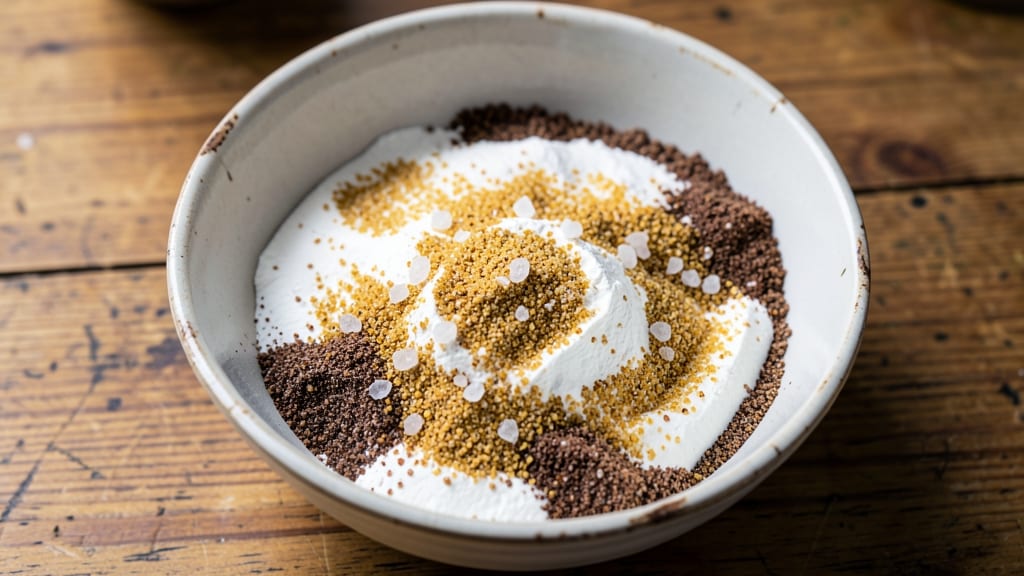
This All Trumps Flour Bread recipe delivers the perfect balance of crispy crust and tender center using a traditional flour blend and no-knead Dutch oven technique.
The unique combination of wheat, cornmeal, and rye creates a loaf with a distinctive texture and rich flavor that stands out from standard bread recipes. I've perfected this method over years of baking, ensuring every batch turns out with an open crumb structure and satisfying crunch.
The beauty of this recipe lies in its simplicity and reliability. With just a few high-quality ingredients and a Dutch oven, you can achieve professional-quality results at home. The no-knead method eliminates guesswork, while the steam generated in the Dutch oven creates that coveted crispy crust we all love.
This bread is ideal for sandwiches, toast, or serving alongside soups and stews—its versatility makes it a staple in any kitchen.
What sets this All Trumps Flour Bread apart is the careful balance of flours and the precise baking technique. The cornmeal adds texture, the rye contributes depth, and the wheat provides structure. When baked properly, the interior remains soft and airy while the exterior develops a satisfying crunch.
The Dutch oven helps trap steam, creating that perfect oven spring and golden-brown crust that makes this bread irresistible.
Whether you're a seasoned baker or new to bread-making, this recipe delivers consistent, impressive results with minimal effort. The process is straightforward, and the payoff is a loaf that tastes like it came from a traditional bakery. Ready to elevate your bread game? Let's get started with this timeless recipe.
Ingredients for all trumps flour bread
High-quality flours, precise measurements, and a Dutch oven create this iconic bread's signature texture.
| Ingredient | Amount | Notes |
|---|---|---|
| All-Purpose Flour 🌾 | 3 cups | High-protein preferred for structure |
| Cornmeal 🌽 | ½ cup | Fine grind for even texture |
| Rye Flour 🌾 | ½ cup | Dark rye for authentic flavor |
| Instant Yeast 🍞 | ½ tsp | Ensures quick activation |
| Granulated Sugar 🍚 | 1 tsp | Feeds yeast for rise |
| Salt 🧂 | 1 ½ tsp | Diamond Crystal preferred |
| Unsalted Butter 🧈 | ½ cup | Cold, cubed for dough |
| Warm Water 💧 | 1 ¼ cups | 110°F for yeast activation |
| Cornmeal 🌽 | 1 tbsp | For Dutch oven dusting |
| Coarse Sea Salt 🧂 | 1 tbsp | For final crust sprinkle |
| Ice Water ❄️ | 1 tbsp | For dough handling |
The flour blend is everything. King Arthur or Gold Medal all-purpose gives the best structure, but Bob's Red Mill rye adds that deep flavor. Cornmeal should be fine grind—coarse will stick to your fingers. I always buy my yeast in small jars from the bulk section to keep it fresh. The butter matters too—use Plugrá or Land O'Lakes unsalted for consistent results. If your kitchen's humid, chill your water slightly to prevent over-rising.
No rye flour? Substitute half with whole wheat, but expect a denser crumb. Short on cornmeal? Semolina works at the same amount. The yeast is non-negotiable—no active dry here. For the Dutch oven, Lodge or Le Creuset are ideal, but any heavy pot with a lid works. Need to skip the Dutch oven? Bake on a pizza stone with a metal bowl inverted over the loaf for steam. The salt is crucial—Diamond Crystal dissolves better than table salt, so adjust if using Morton's.
Dough keeps 24 hours in the fridge wrapped tightly. For longer storage, freeze shaped loaves 3 months wrapped in foil. The cornmeal coating stays crispy for 3 days if stored in an airtight container. I always bake two loaves—one for sandwiches, one for toast. The second day's crust gets even better with a quick broil and extra sprinkle of salt.
Why You'll Love This Recipe
- No-Knead Nightmare Solved: I swear by this dough—just mix, let it rise, and bake. The rye flour adds depth without extra effort, and the cornmeal crust? Crispy enough to satisfy even my picky teenage son.
- Earthy Sweet Crunch: That little pinch of sugar caramelizes just enough to balance the rye’s boldness, while the cornmeal gives it a toasty bite. Honestly, it’s the kind of bread that makes you pause mid-slice to savor it.
- Weeknight Workhorse: Toss it in a Dutch oven for sandwiches, tear it over salads, or freeze the leftovers for toast later. I’ve used it for everything from breakfast to dinner—it’s my go-to when I’m too tired to think.
- Pantry Magic: All these ingredients are probably already lurking in your cupboards. No specialty flours, no weird yeast packets—just basics that transform into something ridiculously good without breaking the bank.
Step-by-step instructions for all trumps flour bread
Master the no-knead technique for artisanal bread with a crisp crust and airy interior.
Mix Dough with Precision
In a large mixing bowl, combine the 3 cups all-purpose flour, 0.5 cup cornmeal, 0.5 cup rye flour, 0.5 tsp instant yeast, 1 tsp granulated sugar, and 1.5 tsp salt. Whisk gently to distribute dry ingredients evenly—this prevents pockets of unmixed flour that could affect rise.
Add the 0.5 cup cold, cubed unsalted butter and cut it into the flour mixture using a pastry cutter or your fingers until the butter resembles coarse crumbs with pea-sized pieces remaining. This creates pockets of fat that will yield a tender crumb while maintaining structure.
Make a well in the center and gradually pour in the 1.25 cups warm water (about 110°F). Mix with a wooden spoon or dough whisk until a shaggy dough forms. If the dough looks too dry, add 1 tbsp ice water—this helps control gluten development for a lighter texture.
Rest and Develop Gluten
Cover the bowl tightly with plastic wrap and let the dough rest at room temperature for 1 hour. This initial rest allows the instant yeast to activate fully and the gluten to begin relaxing, making the dough easier to handle later. Avoid skipping this step—it's critical for even texture.
After resting, wet your hands with water and gently press the dough down to remove air bubbles. Fold the dough over itself once or twice to strengthen the gluten network without overworking it. This simple manipulation improves oven spring and prevents dense crumb.
Shape and Prepare for Baking
Lightly dust a clean surface with 1 tbsp cornmeal and turn out the dough. Shape it into a loose round by pulling the edges toward the center, then tucking the dough under itself. This creates surface tension that helps the loaf expand in the oven. Let it rest, covered, for 20 minutes—this final rest ensures a smooth surface and even rise.
Preheat your Dutch oven with lid in a 475°F oven for 30 minutes. While it heats, place the shaped dough seam-side up in the Dutch oven, then sprinkle generously with 1 tbsp coarse sea salt. The salt will caramelize beautifully during baking, adding depth of flavor to the crust.
Bake for Maximum Crust Development
Cover the Dutch oven with the lid and bake for 30 minutes. This steam phase creates the signature open crumb structure. After 30 minutes, remove the lid and bake for an additional 15-20 minutes until the crust turns a deep golden brown. The internal temperature should reach 190-200°F—this ensures a fully baked center while maintaining moisture.
Listen for a hollow sound when you tap the bottom of the loaf—this indicates proper doneness. If the top browns too quickly, tent loosely with foil to prevent over-browning while allowing the steam to escape. The bread should emerge with a crisp exterior and a soft, airy interior when sliced.
Pro Tips For Making All Trumps Flour Bread
- Mix the Rye First: I learned this the hard way—rye flour absorbs moisture like a sponge. Before adding liquids, whisk it with the all-purpose flour and cornmeal until no dry spots remain. This keeps your dough from turning gummy later, especially when the yeast wakes up.
- Measure Yeast Fresh: That little packet of instant yeast? It’s not immortal. Check the expiration date—old yeast means sluggish dough, even if the recipe says "just toss it in." If you’re unsure, proof it in warm water with a pinch of sugar first; if it bubbles within 5 minutes, you’re good.
- Skip the Over-Kneading: This isn’t sourdough—you don’t need to work the dough until your arms scream. A few minutes of gentle stretching and folding after the first rise is enough. Over-kneading develops too much gluten, and with rye in the mix, your bread turns tough instead of chewy.
- Cornmeal Matters: Don’t just dump that cornmeal into the bowl and forget it. Toast it lightly in a dry pan for 2–3 minutes until fragrant—it adds depth. Then, rub it between your fingers to break up clumps before mixing. This ensures even distribution and a better texture in the final loaf.
Storing and reheating this all trumps flour bread
Refrigerator Storage
Once your All Trumps Flour Bread cools completely, wrap it tightly in a beeswax wrap or place it in a bread bag to maintain freshness. Store it in the refrigerator for up to 5 days—the cornmeal coating stays crispier longer than standard bread.
I always slice off what I need for toast in the morning and keep the rest whole for sandwiches. The rye flour in the blend actually improves in flavor over time, so don't hesitate to save leftovers for later. 🥖
Freezer Preservation
For longer storage, shape your dough but don't bake it immediately. Wrap the unbaked loaf tightly in plastic wrap, then place it in a freezer bag with all the air squeezed out. Freeze for up to 3 months—this is perfect for meal prep.
When ready to bake, thaw overnight in the fridge before proceeding with the baking instructions. The texture remains excellent when properly frozen and baked fresh.
Reviving Stale Crust
If your bread's crust loses its crispness, don't toss it! Preheat your oven to 350°F, wrap the bread in aluminum foil, and bake for 10-15 minutes. The trapped steam will revive the crumb while the foil prevents over-browning.
For extra crispiness, brush with melted butter after reheating and sprinkle with flaky sea salt. This works especially well for sandwich bread that's lost its snap.
Microwave Quick Fix
Need bread in a hurry? Slice your loaf and microwave individual pieces for 15-20 seconds on medium power. Cover with a damp paper towel to prevent drying. For best results, sprinkle with water before microwaving—this creates steam that keeps the interior moist.
I find this method works best for toast when I'm in a rush, though it won't restore the crust's crispness completely. 💫
Oven Refresh Method
For the perfect crispy crust revival, preheat your oven to 375°F and place the bread on a baking sheet. Cover loosely with foil and bake for 8-10 minutes. Remove the foil, brush with olive oil, and bake 2-3 more minutes until golden.
This method works wonders for bread that's been stored for a few days and needs that bakery-fresh texture again. The cornmeal in the blend helps it crisp up beautifully.
Storage Containers
Invest in a bread box or ceramic storage container to keep your loaf fresh at room temperature for 3-4 days. The enclosed space maintains humidity better than plastic bags. I like the West Elm ceramic bread box—it keeps the crust crisp while protecting the soft interior.
For extra insurance, place a slice of apple in the container to absorb excess moisture and extend freshness. 🍎
Nutrition facts
Frequently asked questions
Why does this recipe use three different flours?
The unique flour blend creates the signature texture and flavor. All-purpose flour provides structure, cornmeal adds a crispy crust, and rye flour contributes depth and chewiness. This combination gives the bread its distinctive open crumb and satisfying bite that separates it from standard loaves.
Can I substitute any of the flours if I don't have them?
Yes, but with adjustments. For cornmeal, use semolina at the same amount. If missing rye flour, substitute half with whole wheat flour, though the flavor will be slightly milder. Avoid replacing all-purpose flour—it's essential for the bread's structure and rise. The recipe's magic comes from the balance, so keep at least two of the three flours.
What makes the Dutch oven method so important?
The Dutch oven traps steam during baking, creating the perfect environment for that crispy crust and open crumb structure we love. Without it, the bread might develop a dense interior or pale crust. The lid's steam also helps with oven spring, giving you that satisfying rise. If you don't have a Dutch oven, use a pizza stone with a metal bowl inverted over the loaf for similar results.
How do I know when the bread is fully baked?
Look for three signs: the internal temperature should reach 190-200°F, the crust should be deep golden brown, and tapping the bottom should sound hollow. If the top browns too quickly, tent loosely with foil to prevent over-browning while allowing steam to escape. The bread should emerge with a crisp exterior and soft, airy interior when sliced.
Can I make this bread without a stand mixer?
This recipe uses a simple no-knead method that only requires mixing by hand. After combining ingredients, you'll only need to fold the dough once or twice during the rest period—no vigorous kneading required. The Dutch oven's steam does most of the work for you, creating that perfect texture without needing mechanical assistance.