
Side Dishes
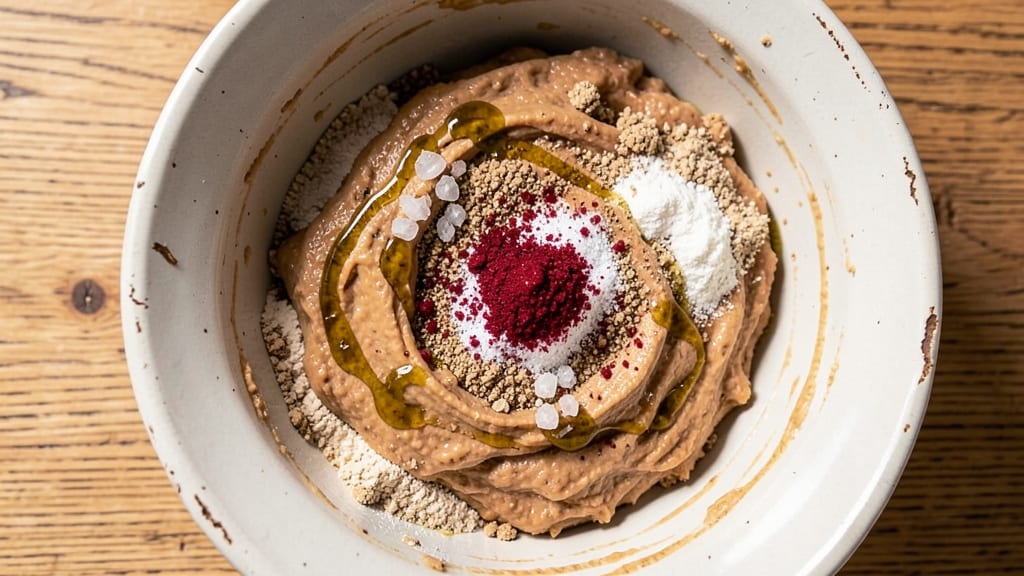
This all whole wheat bread recipe delivers restaurant-quality crust with a nutty, sweet interior—no kneading required. The secret lies in a slow fermentation that develops deep flavor while the Dutch oven creates that coveted crispy crust.
I perfected this version after years of experimenting with whole wheat doughs that often turned dense or dry.
What sets this recipe apart is the no-knead method, which saves time without sacrificing texture. A combination of bread flour and whole wheat flour gives structure while maintaining that wholesome, hearty flavor.
The dough ferments overnight, allowing gluten to relax and develop complex flavors naturally—no fancy equipment needed, just patience and a Dutch oven.
The result is bread with a crispy, caramelized crust that gives way to a tender, slightly sweet crumb with pockets of air. The aroma alone will transform your kitchen into a bakery, and each slice offers that perfect balance of chewiness and softness.
This is the kind of bread that makes toast, sandwiches, and open-faced meals feel special.
Whether you're baking for a crowd or just treating yourself, this recipe scales beautifully. The Dutch oven method ensures consistent results, and the flavor only improves as the bread cools. Let's get started on creating your perfect loaf.
Ingredients for all whole wheat bread
Fourteen ingredients transform into a loaf with restaurant-quality crust and nutty sweetness.
| Ingredient | Amount | Notes |
|---|---|---|
| Bread Flour 🌾 | 3 cups | High-protein for structure |
| Whole Wheat Flour 🌾 | 1 ½ cups | Unbleached preferred |
| Instant Yeast 🍞 | ½ tsp | Active dry works too |
| Granulated Sugar 🍚 | ¼ cup | Feeds yeast fermentation |
| Salt 🧂 | 1 ½ tsp | Diamond Crystal preferred |
| Extra-Virgin Olive Oil 🫒 | ½ cup | High-quality for flavor |
| Warm Water 💧 | 1 ½ cups | 110°F for optimal yeast |
| Honey 🍯 | 1 tbsp | Enhances sweetness |
| Cornmeal 🌽 | ¼ cup | For Dutch oven dusting |
| Ice Water ❄️ | ½ cup | For final dough adjustment |
The flours are the foundation—bread flour provides structure while whole wheat delivers that signature nutty depth. King Arthur or Bob's Red Mill are excellent choices for both, but any high-quality brands work. For the yeast, Saf-Instant is my go-to because it dissolves directly in water, but active dry yeast works if you let it proof first. The olive oil should be extra-virgin for that fruity richness that carries through the bread's flavor. If you're using a Dutch oven, Lodge is the gold standard for even heat distribution and that perfect crust.
No bread flour? All-purpose flour plus 1 tbsp vital wheat gluten mimics its structure. Whole wheat flour substitutions can be tricky—white whole wheat flour is a lighter alternative, but expect slightly less flavor. Running short on honey? Maple syrup at equal measure works beautifully. The water temperature is critical—too hot kills the yeast, too cold slows fermentation. Use a thermometer if you're unsure. For the cornmeal, stone-ground grits can substitute in a pinch, though texture differs slightly. And if your dough feels too sticky after adding ice water, let it rest another 10 minutes before shaping.
This dough ferments best at 70-75°F—use a warm spot in your kitchen if needed. The overnight rise develops complex flavors, so don't rush it. Once baked, let the bread cool at least 1 hour before slicing to prevent gumminess. Store wrapped at room temperature for 3 days or freeze slices for 3 months. The crust stays crispy for days if kept dry. For reheating, wrap in foil and warm at 350°F for 10 minutes—nothing like fresh bread, but close enough.
Why You'll Love This Recipe
- No-Knead Magic: I swear by this—just mix the bread flour and whole wheat together, sprinkle in the yeast, and let the dough rise while I sip coffee. The instant yeast gets it going fast, so no waiting around like with my old recipes.
- Nutty Crusty Core: Between us, whole wheat bread can taste dry, but this combo? The bread flour keeps it tender inside while the whole wheat gives that satisfying chew. That little pinch of sugar? Makes the crust sing when it browns.
- Weeknight Wonder: I make a batch on Sunday, and it lasts through sandwiches, toast, and even French toast for breakfast. Freezes like a dream too—just thaw and toast. No sad, stale bread here.
- Pocketbook Hero: Whole wheat flour is pricey, but here’s the hack: using half bread flour stretches it further without sacrificing texture. A loaf costs me less than $3 and fills my kitchen with fresh bread vibes every time.
Step-by-step instructions for all whole wheat bread
This no-knead method delivers a rustic crust and tender crumb using only whole grains.
Mix the Dough in a Large Bowl
In a large mixing bowl, combine the 3 cups bread flour and 1.5 cups whole wheat flour. Whisk to break up any lumps, then create a well in the center. Add the 0.5 tsp instant yeast, 0.25 cup granulated sugar, 1.5 tsp salt, and 0.5 cup extra-virgin olive oil. The whole wheat flour will make this dough denser than all-purpose, so don't be alarmed if it looks thick initially.
Gradually pour in the 1.5 cups warm water (about 110°F) and the 1 tbsp honey while stirring with a wooden spoon. Mix until a shaggy dough forms—it won't come together completely at this stage, and that's intentional. The high gluten content in bread flour combined with whole wheat creates a slightly sticky texture. Cover the bowl with a damp kitchen towel and let it rest for 1 hour at room temperature. This allows the yeast to activate and the flour to hydrate fully.
Shape and Proof the Dough
After resting, the dough should be more cohesive but still soft. Wet your hands with water and gently fold the dough over itself 4-5 times to develop some structure without kneading. The whole wheat flour makes this dough less elastic, so handle it gently to avoid tearing. Transfer the dough to a lightly floured surface and shape it into a round loaf, tucking the edges underneath. Place it seam-side up in a bowl lined with a clean kitchen towel.
Cover the bowl and let the dough proof for 2-3 hours until it has nearly doubled in size. You'll know it's ready when the dough springs back slowly when poked with a finger—this indicates proper fermentation. The whole wheat flour slows fermentation slightly compared to all-purpose, so don't rush this step. If your kitchen is cold, proofing may take closer to 3 hours.
Prepare the Dutch Oven
Preheat your oven to 450°F with the Dutch oven inside for at least 30 minutes. While it heats, sprinkle 0.25 cup cornmeal evenly into the bottom of the Dutch oven—this prevents sticking and adds a subtle crunch. Remove the hot Dutch oven from the oven using oven mitts and carefully transfer the proofed dough to the cornmeal-lined pot. The dough should be very puffy but may deflate slightly when moved.
Sprinkle the top of the dough with a pinch of salt and a drizzle of water. Cover the Dutch oven tightly with its lid and return it to the oven. Bake for 30 minutes at 450°F, then remove the lid and bake for another 10-15 minutes until the bread is deep golden brown. The whole wheat flour will darken more than white flour, so look for a rich mahogany color rather than a pale crust. Tap the bottom—it should sound hollow.
Cool and Slice for Maximum Flavor
Remove the bread from the Dutch oven and place it on a wire rack. Let it cool completely for at least 1 hour before slicing—this allows the crumb to set and prevents a gummy texture. The whole wheat flour contains more moisture than white flour, so patience here is crucial. The interior should be tender with a subtle nutty sweetness from the honey and whole grains.
For best results, slice the cooled loaf with a serrated knife and serve within 2-3 days. If storing, wrap tightly in plastic and keep at room temperature. This bread freezes well for up to 3 months—thaw at room temperature before serving. The crust will be crisp, the crumb dense yet tender, and every bite will showcase the nutty depth of whole wheat.
Pro Tips For Making All Whole Wheat Bread
- Mix the Dough Slowly: Whole wheat flour absorbs liquid like a sponge—start with just 3 cups of water and add it gradually while mixing. I used to dump it all in at once and ended up with a gummy mess that never rose properly. A damp but manageable dough is the goal, not a sticky disaster.
- Use Warm Water, Not Hot: The yeast needs a cozy 105–110°F environment to activate, but boiling water kills it instantly. Fill your measuring cup with water, let it sit for 5 minutes after boiling, then test it with your finger—it should feel warm but not scalding. No thermometer? Stick your elbow in; if it’s comfortable, the yeast will be too.
- Skip the Over-Kneading: Whole wheat dough is tougher than white flour dough, so resist the urge to punch and fold it like you’re trying to win a wrestling match. Overworking it develops too much gluten, making the bread dense. Three minutes of vigorous kneading by hand (or 5–6 minutes in a stand mixer) is enough—stop when it springs back slowly when poked.
- Add Vital Wheat Gluten: If your bread turns out dense or crumbly, it’s because whole wheat lacks the elastic gluten of bread flour. Mix in 1–2 tablespoons of vital wheat gluten per pound of flour before adding liquids—it’s the difference between a brick and a loaf that actually slices. I keep a small bag in my pantry now; it’s worth the few bucks.
Serving suggestions for this recipe
Toast Perfection
This bread excels as toast with its crispy crust and tender crumb. Use a toaster set to medium-high for 2-3 minutes until golden brown. For extra richness, spread with whipped honey butter (mix 2 tbsp softened butter with 1 tbsp honey and a pinch of sea salt).
The whole wheat adds a nutty depth that pairs beautifully with avocado or smoked salmon. 🥖
Sandwich Game-Changer
Slice the bread into ½-inch thick pieces for perfect sandwiches. The dense yet tender crumb holds up to wet ingredients like grilled chicken or veggie burgers. Toast lightly before assembling to maintain crispiness.
I love it with sharp cheddar, crisp lettuce, and sliced tomatoes—the whole wheat flavor complements everything. For a gourmet touch, add a smear of garlic aioli on the inside.
Open-Faced Elegance
Turn this bread into a sophisticated open-faced meal. Toast thick slices until crisp, then top with warm tomato soup, melted Gruyère cheese, and fresh basil. The crust stays sturdy while the crumb soaks up flavors beautifully.
For a savory option, try prosciutto-wrapped mozzarella with a drizzle of balsamic glaze. The whole wheat's nutty notes balance rich toppings perfectly.
Dipping Companion
Serve warm slices with olive oil and balsamic vinegar for a simple yet elegant appetizer. The crispy crust soaks up the oil beautifully while the tender crumb provides contrast. For a heartier dip, try whipped feta mixed with lemon zest and olives.
The bread's rustic flavor pairs wonderfully with Mediterranean spreads or spicy hummus. Cut into ½-inch thick wedges for easy serving.
Breakfast Star
This bread makes incredible French toast. Cut into ½-inch slices and soak in an egg mixture of 2 eggs, ¼ cup milk, and 1 tsp vanilla extract for 10 minutes. Cook in butter over medium heat until golden brown.
The whole wheat adds a delightful nuttiness that pairs perfectly with maple syrup or fresh berries. For extra decadence, sprinkle with powdered sugar and cinnamon while warm.
Bread Pudding Base
Save stale slices for homemade bread pudding—the whole wheat adds wonderful texture. Cube the bread and layer with a custard of 2 eggs, 1 cup milk, ¼ cup sugar, and 1 tsp vanilla.
Bake at 350°F for 30-40 minutes until golden. The nutty flavor shines through, especially when topped with cinnamon and toasted pecans. Serve warm with vanilla ice cream for a comforting dessert.
Nutrition facts
Frequently asked questions about whole wheat bread
Why does my whole wheat dough feel so dense and sticky?
Whole wheat flour absorbs more moisture than white flour and contains less gluten, making the dough naturally denser and stickier. The recipe uses bread flour for structure while keeping that wholesome whole wheat flavor. Don't worry—this is normal! The no-knead method actually works better with this texture, developing flavor as it ferments.
Can I make this bread without a Dutch oven?
Yes, but you'll need to create steam for a crispy crust. Preheat a baking sheet in the oven, then place your shaped dough on it. Pour boiling water into a heatproof bowl and place it on the lower oven rack. Bake covered for 30 minutes, then uncover and bake 10-15 minutes more. The crust won't be as dramatic, but the bread will still be delicious!
How do I know when the bread is fully baked?
Look for a deep golden-brown color and listen for a hollow sound when you tap the bottom. The internal temperature should reach 190-200°F. Whole wheat bread darkens more than white bread, so aim for a rich mahogany crust rather than pale golden. Let it cool completely before slicing to prevent gumminess.
What's the best way to store whole wheat bread?
Wrap tightly in plastic wrap or aluminum foil and store at room temperature for up to 3 days. For longer storage, slice and freeze individual pieces for 3 months. Thaw at room temperature before serving. The crust stays crispy if kept dry, but the crumb will soften slightly after freezing.
Can I substitute white whole wheat flour?
Yes! White whole wheat flour has a lighter color and slightly milder flavor, but it works perfectly in this recipe. Use the same amount as regular whole wheat flour. The texture will be slightly less dense, but you'll still get that wonderful nutty sweetness. It's a great option if you prefer a lighter-colored loaf.