
Desserts
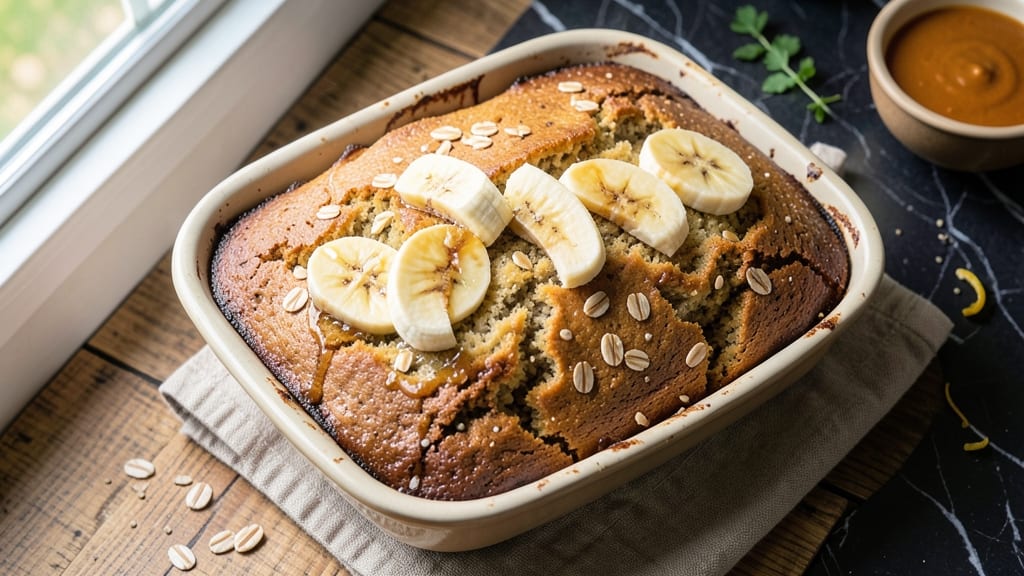
This allergy-free banana bread recipe delivers a moist, tender crumb without gluten, dairy, or eggs—proving you don’t need traditional ingredients for bakery-quality results. The secret lies in flax eggs and coconut oil, which create the same structure and richness as their dairy-based counterparts.
I developed this recipe after years of perfecting vegan baking, ensuring every slice stays soft for days while maintaining that classic banana bread flavor.
The foundation of this recipe is simple yet effective: ripe bananas provide natural sweetness and moisture, while almond flour and oats replace wheat flour without compromising texture. A touch of cinnamon and nutmeg enhances the warm, comforting aroma, and vanilla extract adds depth.
The baking process is straightforward—just mix, bake, and let the oven work its magic for 50 minutes at 350°F—resulting in a loaf that’s perfect for breakfast, snacks, or gifting.
What makes this banana bread truly special is its ability to satisfy even the most discerning palates while accommodating dietary restrictions. The crumb remains densely moist (not dry) thanks to the flax egg binding and coconut oil’s fat content, which keeps slices tender rather than crumbly.
This recipe also avoids cross-contamination risks, making it safe for those with severe allergies when prepared in a clean environment.
Whether you’re baking for a family member with dietary restrictions or simply want a healthier version of a classic, this banana bread delivers on flavor, texture, and inclusivity. The best part? It’s foolproof—no advanced techniques required. Let’s get baking!
Ingredients for allergy free banana bread
Simple plant-based ingredients transform into bakery-quality allergy-free banana bread.
| Ingredient | Amount | Notes |
|---|---|---|
| Ripe Bananas 🍌 | 2 cups | Mashed, about 3-4 medium bananas |
| Almond Flour 🌰 | 2 cups | Blanched, fine grind preferred |
| Old-Fashioned Rolled Oats 🌾 | 1 ½ cups | Blended into fine flour |
| Ground Flaxseed 🌿 | ½ cup | For flax eggs, freshly ground |
| Coconut Oil 🥥 | ½ cup | Melted, full-fat preferred |
| Pure Maple Syrup 🍁 | ½ cup | Grade B for depth of flavor |
| Vanilla Extract 🌸 | 1 tbsp | Pure, alcohol-free preferred |
| Ground Cinnamon 🌶️ | 2 tsp | Ceylon cinnamon for subtle flavor |
| Ground Nutmeg 🌿 | ½ tsp | Freshly grated preferred |
| Sea Salt 🧂 | ½ tsp | Fine grain, Diamond Crystal |
| Baking Soda 🧪 | ½ tsp | Aluminum-free preferred |
| Unsweetened Almond Milk 🥛 | ½ cup | For moisture, unsweetened |
| Chopped Walnuts 🌰 | ½ cup | Optional, for texture |
The almond flour is the backbone here—Bob’s Red Mill or Anthony’s Goods brands deliver the finest texture. Look for blanched almond flour, which has a milder flavor and lighter color. The oats should be old-fashioned, not quick oats, as they blend better into a fine flour. Bob’s Red Mill rolled oats work perfectly. For the flaxseed, grind it yourself if possible—pre-ground loses potency quickly. If you must use pre-ground, check the expiration date and store it in the freezer. The coconut oil should be virgin and unrefined—refined versions lack the subtle coconut flavor that enhances the bread’s richness.
No almond flour? Oat flour made from certified gluten-free oats works in a pinch, though texture will differ slightly. Substitute maple syrup with agave nectar at the same ratio, but expect a slightly different flavor profile. The walnuts can be omitted entirely or swapped for pecans or pumpkin seeds if you prefer a different texture. For the vanilla extract, alcohol-free versions are ideal if you’re sensitive to alcohol content, though regular vanilla works fine. If you don’t have Ceylon cinnamon, regular cinnamon will work, but the flavor will be slightly stronger and more spicy. The baking soda is non-negotiable—it’s what creates that classic banana bread rise.
Store the loaf wrapped in parchment paper at room temperature for up to 3 days—it stays moist longer this way. For extended storage, slice and freeze individual portions for up to 3 months. The bread reheats beautifully in the oven at 300°F for 5-10 minutes to restore freshness. If you’re concerned about cross-contamination, use separate utensils and bowls for this recipe, especially if preparing in a shared kitchen. The almond flour and oats should be stored in airtight containers in a cool, dark place to maintain freshness.
Why You'll Love This Recipe
- No-Fuss Mixing: I swear by this recipe because it’s literally dump-and-stir. The almond flour and oats blend together like magic—no sifting, no fuss—just mash those bananas, toss in the flax egg, and you’re done. My hands stay clean, and my patience stays intact.
- Rich, Nutty Depth: That combo of coconut oil and almond flour gives it a buttery, toasty richness you’d never guess was allergy-friendly. The oats add a subtle crunch, while the bananas keep it moist—like a hug in bread form.
- Breakfast or Snack: Honestly, this works for everything. Toast slices for a quick breakfast, pack it in lunchboxes, or serve it warm with a drizzle of honey. My kids grab it after school, and I sneak bites when I think no one’s looking.
- Budget-Friendly Leftovers: Between us, this bread lasts. The flax egg and coconut oil stretch the ingredients, and it doesn’t dry out fast. I make one loaf on Sunday, and it’s still there when I need it—no wasted groceries, no last-minute takeout. Win.
Step-by-step instructions for allergy-free banana bread
This method delivers a perfectly moist crumb without gluten or dairy—every detail ensures success.
Prepare the Flax Eggs and Mix Wet Ingredients
In a small bowl, combine the 0.5 cup ground flaxseed with the 0.5 cup unsweetened almond milk and stir vigorously. Let it sit for 5 minutes until it thickens into a gelatinous consistency—this is your flax egg substitute. Meanwhile, in a large mixing bowl, mash the 2 cups ripe bananas until smooth, with no visible lumps remaining.
Add the melted 0.5 cup coconut oil, 0.5 cup pure maple syrup, 1 tbsp vanilla extract, and the flax egg mixture to the banana puree. Stir until fully incorporated. The batter should be thick but pourable—this ensures proper moisture distribution in the final loaf. If it looks too thick, add 1 tablespoon of almond milk to loosen it slightly.
Combine Dry Ingredients and Fold Into Batter
In a separate bowl, whisk together the 2 cups almond flour, 1.5 cups old-fashioned rolled oats (blended into a fine flour), 2 tsp ground cinnamon, 0.5 tsp ground nutmeg, 0.5 tsp sea salt, and 0.5 tsp baking soda. Sift the mixture through a fine-mesh sieve directly into the wet ingredients to eliminate any potential lumps.
Using a spatula, gently fold the dry ingredients into the wet mixture until just combined—overmixing develops gluten and can make the bread dense. If using the 0.5 cup chopped walnuts, fold them in now. The batter should hold its shape when spooned but remain slightly sticky. This texture guarantees a tender, moist crumb without being gummy.
Bake at Low Temperature for Even Cooking
Preheat your oven to 325°F and line a 9x5-inch loaf pan with parchment paper, leaving an overhang on the sides for easy removal. Pour the batter into the prepared pan and smooth the top with a spatula. Tap the pan gently on the counter to release any trapped air bubbles—this prevents a dense, uneven texture.
Bake for 50-60 minutes, or until a toothpick inserted into the center comes out clean with just a few moist crumbs clinging to it. The edges should be golden brown, but the top may still look slightly underdone—this is normal. Overbaking dries out the bread, so resist the urge to extend the time.
Cool and Rest for Maximum Moisture Retention
Remove the loaf from the oven and let it cool in the pan for 10 minutes. Then transfer it to a wire rack to cool completely for at least 1 hour. This resting period allows the moisture to redistribute evenly, preventing a gummy texture. Slice the bread while still slightly warm for the best crumb structure—each slice should be tender with a fine, even grain.
For extra moisture, brush the cooled loaf with a thin layer of melted coconut oil or a simple maple syrup glaze (mix 1 tablespoon maple syrup with 1 tablespoon almond milk). Store wrapped in the refrigerator for up to 5 days or freeze for 3 months—the flavor actually improves with time as the banana essence develops.
Pro Tips For Making Allergy Free Banana Bread
- Mash Bananas Thoroughly: I learned this the hard way—lumpy banana bread is a crime. Use a fork to break up the flesh first, then press through a fine-mesh sieve or blend briefly with an immersion blender. No strainer? A clean kitchen towel works in a pinch, but the sieve removes those stubborn banana fibers that make the texture gummy.
- Toast the Oats: Skip the raw oats—this isn’t oatmeal. Pulse them in a food processor for 10–15 seconds until they’re lightly toasted and smell nutty. This adds depth and prevents that chalky aftertaste almond flour can bring. (Yes, even if you’re impatient like me.)
- Mix Flax Eggs Last: Add the ground flaxseed to 3 tablespoons warm water and stir vigorously for 30 seconds—it thickens as it sits. Wait 5 minutes before folding it into the batter, or you’ll end up with a dense, dry loaf. Trust the process; your future self will thank you.
- Grease with Coconut Oil: Don’t just spray or use butter—melt 1 tablespoon coconut oil and brush it generously into the pan, then sprinkle a thin layer of almond flour inside. This prevents sticking and keeps the crust from cracking as it bakes. (Pro move: Use a 9x5-inch loaf pan for perfect rise.)
Wine and beer pairings for this dish
Sweet Dessert Wines
Banana bread’s natural sweetness pairs beautifully with Moscato d’Asti—its floral notes and light effervescence complement the warm spices like cinnamon and nutmeg. I love serving this with Brachetto d’Acqui, an Italian sparkling red with strawberry and rose aromas that bridge the banana’s richness with a fruity contrast. 🍷
Spiced White Wines
For a more robust pairing, try Gewürztraminer from Alsace—its lychee and spice profile mirrors the banana’s sweetness while the wine’s slight tartness cuts through the bread’s richness. A Viognier with its stone fruit and floral notes also works wonderfully, especially if you’ve added walnuts to the recipe.
Creamy Beer Pairings
A Belgian witbier like Hoegaarden adds a refreshing citrusy contrast to the banana’s natural sweetness. The light effervescence cleanses your palate between bites. For a richer option, try a Belgian dubbel like Rodengard—its caramel and vanilla notes harmonize perfectly with the bread’s spiced flavor profile. 🍺
Avoid These Pairings
Skip heavy red wines like Cabernet Sauvignon or bold beers like stouts—they’ll overpower the delicate banana and spice flavors. Even dry whites like Sauvignon Blanc can clash with the bread’s sweetness. Instead, focus on wines and beers that enhance the natural sweetness and warmth of the spices.
Non-Alcoholic Options
For a refreshing non-alcoholic match, try sparkling apple cider with a hint of cinnamon. The effervescence and subtle sweetness mirror the banana bread’s texture and flavor. A ginger beer with a touch of honey also works beautifully, especially if you’ve added nutmeg to your recipe. 🍏
Nutrition facts
Frequently asked questions
Can I substitute oat flour for almond flour in this allergy-free banana bread?
Yes, but expect a slightly denser texture. Use 1:1 ratio of certified gluten-free oat flour and add 1 extra tablespoon of almond milk to compensate for the lack of fat in almond flour. For best results, blend old-fashioned oats into a fine powder first. The flavor will be more neutral compared to almond's nutty profile.
Why does my allergy-free banana bread turn out dry or crumbly?
This usually happens from overbaking or insufficient moisture. Bake until a toothpick comes out with a few moist crumbs (not completely clean), and never exceed 60 minutes at 325°F. For extra moisture, brush the cooled loaf with melted coconut oil or maple syrup glaze. Also ensure your bananas are very ripe—the riper, the sweeter and more moist they are.
How do I prevent cross-contamination when baking for severe allergies?
Use separate utensils, bowls, and measuring cups exclusively for this recipe. Clean all surfaces with hot, soapy water before starting, and avoid shared kitchen tools like toasters or mixers used with gluten/dairy products. Store ingredients in sealed containers to prevent accidental mixing. For extra safety, bake in a dedicated allergy-free kitchen if possible.
Can I make this banana bread without nuts?
Simply omit the walnuts entirely or substitute with seeds like pumpkin or sunflower seeds for a similar crunch. The texture will be slightly different but still delicious. The recipe's moisture and structure come from the flax eggs and coconut oil, not the nuts, so you won't compromise the bread's quality.
Will this bread be safe for someone with egg allergies?
Yes, this recipe is completely egg-free thanks to the flax egg substitution. The ground flaxseed mixed with almond milk creates a perfect binding agent that mimics eggs' structural properties. Always check your flaxseed package for cross-contamination warnings if severe allergies are a concern, but the actual flax egg itself poses no risk.