
Side Dishes
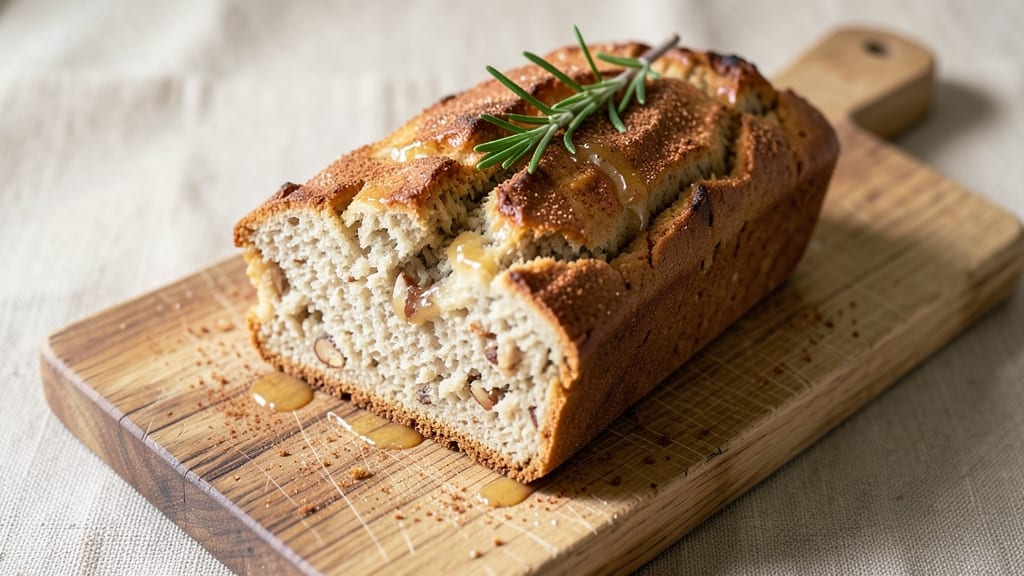
This Paleo almond bread delivers all the moist crumb and nutty crunch of classic bread—without grains, dairy, or refined sugar. 💛 The secret lies in almond flour's natural binding power and egg whites for that signature lightness, creating a loaf that's tender inside with a crisp exterior.
I perfected this recipe after years of experimenting with Paleo baking, and it's become a staple in my kitchen for breakfast toast or sandwiches.
The foundation is simple: almond flour provides structure and richness, while eggs and applesauce create moisture without relying on traditional flours. A touch of cinnamon and vanilla adds warmth, balancing the natural sweetness of the almonds.
What makes this recipe work is the precise ratio of ingredients—too much flour makes it dense, but this balance ensures a moist, fluffy crumb that holds up perfectly.
By the time it emerges from the oven, you'll have a golden loaf with a fragrant aroma that fills your home. The texture is what sets it apart: tender enough to slice cleanly, yet sturdy enough to hold toppings like almond butter or avocado.
It's the kind of Paleo-friendly bread that proves you don't need grains to enjoy something truly satisfying.
Best of all, this recipe scales easily—whether you're baking for one or feeding a crowd. The ingredients are straightforward, and the method is foolproof, ensuring success even for those new to Paleo baking. Let's get started on creating your perfect grain-free loaf!
Ingredients for almond bread recipe paleo
Eight simple ingredients transform into a Paleo-friendly loaf with perfect texture and nutty flavor.
| Ingredient | Amount | Notes |
|---|---|---|
| Almond Flour 🌰 | 3 cups | Finely ground, unsweetened |
| Large Eggs 🥚 | 6 whole | Room temperature preferred |
| Unsweetened Applesauce 🍎 | ½ cup | No sugar added variety |
| Coconut Oil 🥥 | ¼ cup | Melted, full-fat preferred |
| Vanilla Extract 🌿 | 1 tbsp | Pure vanilla extract |
| Ground Cinnamon 🍃 | 1 tsp | Freshly ground preferred |
| Sea Salt 🧂 | ½ tsp | Fine grain preferred |
| Baking Powder 🍞 | ½ tsp | Aluminum-free preferred |
| Pure Maple Syrup 🍁 | ¼ cup | Grade B for depth of flavor |
| Large Egg Whites 🥚 | 4 whole | Separated from yolks |
| Almond Butter 🥜 | ¼ cup | Natural, no added sugar |
| Chopped Almonds 🌰 | ¼ cup | Toasted for extra crunch |
Almond flour is the star here—Bob's Red Mill or Anthony's Goods are my go-tos for consistency. If you can't find unsweetened, just remove the sugar from regular almond flour (it's usually just a tiny bit). The egg whites are non-negotiable for that signature lightness—room temperature eggs whip up better, so take them out 30 minutes before mixing. For the almond flour, I always sift it first to avoid lumps (trust me, it makes a difference). The maple syrup adds natural sweetness without the blood sugar spike of refined sugar, and Grade B has that deeper, caramel-like flavor that works perfectly here.
No applesauce? Unsweetened pumpkin puree or mashed banana (about half the amount) works in a pinch. Running low on coconut oil? Avocado oil or melted butter (if not strictly Paleo) will work just fine. The vanilla extract can be swapped for vanilla bean paste if you're feeling fancy—just reduce the amount to 1 teaspoon since it's more concentrated. For the almond butter, natural, no-sugar-added brands like Justin's or Almond Breeze keep things balanced. If you're short on time, skip the toasted almonds on top—the bread will still be delicious, just without that extra crunch.
This dough keeps in the fridge for 3 days if covered tightly, though it's best fresh. For make-ahead baking, prepare the batter and refrigerate overnight—it actually develops better flavor. Once baked, let it cool completely before slicing to avoid a gummy texture. Store wrapped at room temperature for 3 days or freeze slices for up to 3 months. I like to portion it into individual slices and freeze them—just toast straight from frozen for a quick breakfast. The bread reheats beautifully in the oven at 300°F for 5 minutes if it gets stale.
Why You'll Love This Recipe
- No Mixer Needed: I swear by this recipe because it’s just stir, pour, bake—no fancy equipment. The applesauce keeps it moist without extra fuss, and the almond flour blends like a dream with a fork. Honestly, it’s the kind of recipe that makes me feel like a baking pro, even when I’m in sweatpants.
- Vanilla-Coconut Magic: That vanilla extract isn’t just flavoring—it’s the star. Paired with the rich, nutty almond flour and the subtle sweetness of applesauce, it tastes like a cross between a bakery loaf and a cozy morning treat. Between us, it’s the kind of flavor that makes you want to eat it straight from the pan.
- Breakfast or Snack: This bread is my secret weapon for lazy mornings, lunchboxes, or even a quick dessert. Toast it with a smear of almond butter for a protein-packed breakfast, or serve it with coffee—no one will guess it’s paleo. (Yes, even on a Tuesday night.)
- Lasts All Week: I make a batch on Sundays and it’s still fresh by Friday. The coconut oil keeps it from drying out, and the dense texture means it doesn’t go stale fast. Plus, it’s budget-friendly—almond flour might seem pricey, but a little goes a long way, and it stretches further than regular bread. My wallet (and my kids) thank me.
Step-by-step instructions for almond bread recipe Paleo
Here's how to bake a perfectly moist, nutty paleo bread that's light yet dense enough to slice beautifully.
👨🍳 Step 1: Prep the Wet Ingredients for Maximum Moisture
In a large mixing bowl, combine the 6 whole large eggs and 0.5 cup unsweetened applesauce. Whisk vigorously for 2-3 minutes until the mixture is pale yellow and fully emulsified—this creates a stable base for the bread's moisture. The applesauce adds natural sweetness while keeping the texture tender.
In a separate bowl, melt the 0.25 cup coconut oil (I use the microwave in 20-second bursts, stirring between each) until completely liquid. Let it cool slightly—it should be warm to the touch but not hot. Add the melted coconut oil to the egg mixture along with the 0.25 cup pure maple syrup, 1 tbsp vanilla extract, 1 tsp ground cinnamon, and 0.5 tsp sea salt. Whisk until everything is fully incorporated and smooth.
👨🍳 Step 2: Combine Dry Ingredients and Fold Gently
In a medium bowl, sift together the 3 cups almond flour and 0.5 tsp baking powder. This aerates the flour and prevents dense pockets in your bread. Gently fold the dry mixture into the wet ingredients using a silicone spatula, mixing just until combined—overmixing develops gluten and makes the bread tough.
Here's the thing—almond flour is finicky. You want to see just a few streaks of flour remaining. The goal is to distribute it evenly without overworking the batter. Add the 0.25 cup almond butter now and fold it in until completely smooth. This adds richness and helps bind the bread together.
🍳 Step 3: Incorporate Egg Whites for Lightness
In a clean, grease-free bowl, beat the 4 whole large egg whites with an electric mixer on high speed until soft peaks form. This takes about 2-3 minutes. Gently fold one-third of the egg whites into the batter to lighten it, then fold in the remaining egg whites in two additions. Be careful not to deflate the batter—this is what gives your paleo bread that airy quality.
Fold in the 0.25 cup chopped almonds last. I like to toast them first in a dry skillet over medium heat for 2-3 minutes until fragrant and golden—this adds incredible texture and flavor. Let them cool slightly before adding to the batter. The almonds should be evenly distributed throughout.
🔥 Step 4: Bake in a Preheated Loaf Pan
Preheat your oven to 350°F and grease a standard 9x5-inch loaf pan thoroughly with coconut oil or line it with parchment paper. Pour the batter into the prepared pan and smooth the top with a spatula. Tap the pan gently on the counter 2-3 times to release any air bubbles.
Bake for 45-50 minutes until the top is golden brown and a toothpick inserted in the center comes out clean. I know it seems like a long time, but patience is key here—almond flour bread needs that time to set properly without drying out. The edges should pull away slightly from the pan, and the internal temperature should reach 205°F.
⏰ Step 5: Cool and Slice for Perfect Texture
Remove the bread from the oven and let it cool in the pan for 10 minutes before transferring to a wire rack to cool completely. This resting period is crucial—it allows the bread to set properly and prevents it from crumbling when you slice it. Don't skip this step, even though it's tempting!
Once fully cooled, slice the bread into ½-inch thick pieces. Each slice should have a moist crumb with visible flecks of almond throughout. The texture should be tender yet sturdy enough to hold its shape when toasted. Store any leftovers in an airtight container at room temperature for up to 3 days, or freeze for longer storage.
Pro Tips For Making Almond Bread Recipe Paleo
- Whisk Eggs Like Mad: Beat those eggs until they’re frothy and pale—about 30 seconds past when you think they’re done. I used to skip this, and the bread turned out dense. The extra air makes all the difference, especially with almond flour’s heavy texture.
- Toast Your Almond Flour: Lightly toast the almond flour in a dry pan for 5 minutes before mixing—just until it smells nutty. This removes excess moisture and gives the bread a richer flavor. (Yes, even if you’re impatient like me.)
- Don’t Overmix the Batter: Stir the applesauce and coconut oil into the eggs gently—just until combined. Overmixing means tough bread. I learned this after kneading the batter like dough, and it was a disaster.
- Bake at 325°F, Not Higher: Almond flour burns fast. Stick to 325°F for 30-35 minutes, even if the edges look set. The center stays moist this way—I’ve ruined batches by cranking the heat, and the result was dry and crumbly.
Troubleshooting this recipe
Dense or Gummy Texture
If your almond bread turns out dense or gummy, it’s usually from overmixing the batter or underbaking. The key is to fold the dry ingredients just until combined—stop when you see a few streaks of flour remaining.
Also, ensure your oven is fully preheated to 350°F and bake until the internal temperature reaches 205°F. A toothpick should come out clean or with a few moist crumbs, not wet batter. 🌰
Cracked Top or Uneven Rise
Cracked tops or uneven rise often happen when the batter isn’t smooth or the oven isn’t hot enough. Whisk the wet ingredients thoroughly to eliminate air bubbles, and tap the loaf pan gently on the counter 2-3 times before baking to release any trapped air.
If your oven runs hot, reduce the temperature to 325°F and bake for an extra 5-10 minutes. Using a 9x5-inch loaf pan lined with parchment paper also helps prevent sticking and cracking.
Dry or Crumbly Crust
A dry or crumbly crust usually means the bread didn’t stay moist enough during baking.
Flat or Soggy Bottom
A flat or soggy bottom is often caused by an undergreased pan or uneven heat distribution. Always grease your 9x5-inch loaf pan thoroughly with coconut oil or line it with parchment paper. Place a baking sheet on the lower rack to catch drips and improve heat circulation. If your oven has hot spots, rotate the pan halfway through baking. For extra insurance, bake on the middle rack where heat is most even. ⏰
Bitter or Harsh Almond Flavor
If your bread tastes bitter, it might be from over-toasting the almonds or using too much almond butter. Toast the almonds just until fragrant (2-3 minutes) and let them cool completely before adding to the batter.
For the almond butter, stick to natural, no-sugar-added brands like Justin’s or Almond Breeze—avoid flavored varieties. If the flavor is still too strong, reduce the almond butter to 2 tablespoons and add 1 tablespoon of coconut oil for balance.
Bread Sticks to the Pan
Sticking happens when the pan isn’t properly greased or lined. Always coat the pan with coconut oil and press parchment paper into the corners for full coverage. If the bread still sticks, try lining the pan with a silicone baking mat or use a lightly oiled disposable aluminum pan.
Avoid nonstick pans—they can react with the acidic ingredients in the batter. For extra insurance, chill the batter for 10 minutes before baking to help it set faster and release cleaner from the pan.
Nutrition facts
Frequently asked questions
Can I make this almond bread without eggs?
Yes, but you'll need to use a binding substitute like 1 flax egg (1 tbsp ground flaxseed + 3 tbsp water) for each whole egg. For egg whites, try ¼ cup aquafaba (chickpea brine) whipped to stiff peaks. Just note that the texture may be slightly denser without the natural lift of eggs.
How do I make this bread sweeter naturally?
Increase the maple syrup to ⅓ cup or add 2-3 pitted dates blended into the wet ingredients. For extra sweetness without moisture, mix in 1-2 tbsp monk fruit sweetener with the dry almond flour. The cinnamon already enhances sweetness perception naturally!
Can I add chocolate chips to this recipe?
Use ½ cup sugar-free dark chocolate chips (85%+ cocoa) and fold them in with the chopped almonds. For a Paleo-friendly option, try Lily's Sugar-Free Baking Chips. Keep the baking time the same—chocolate melts quickly at 350°F!
Why does my almond bread taste bland?
Almond flour can be subtle, so boost flavor by doubling the cinnamon to 2 tsp or adding ½ tsp vanilla bean paste. A pinch of cardamom or nutmeg (¼ tsp each) adds warmth. For richness, increase almond butter to ⅓ cup—just reduce coconut oil by 1 tbsp to balance moisture.
How do I store leftovers to keep them fresh?
Wrap cooled slices tightly in plastic wrap or store in an airtight container with a slice of bread or paper towel to absorb moisture. At room temperature, it stays fresh for 3 days. For longer storage, freeze slices individually—just toast straight from frozen for 3-4 minutes at 350°F.