
Side Dishes
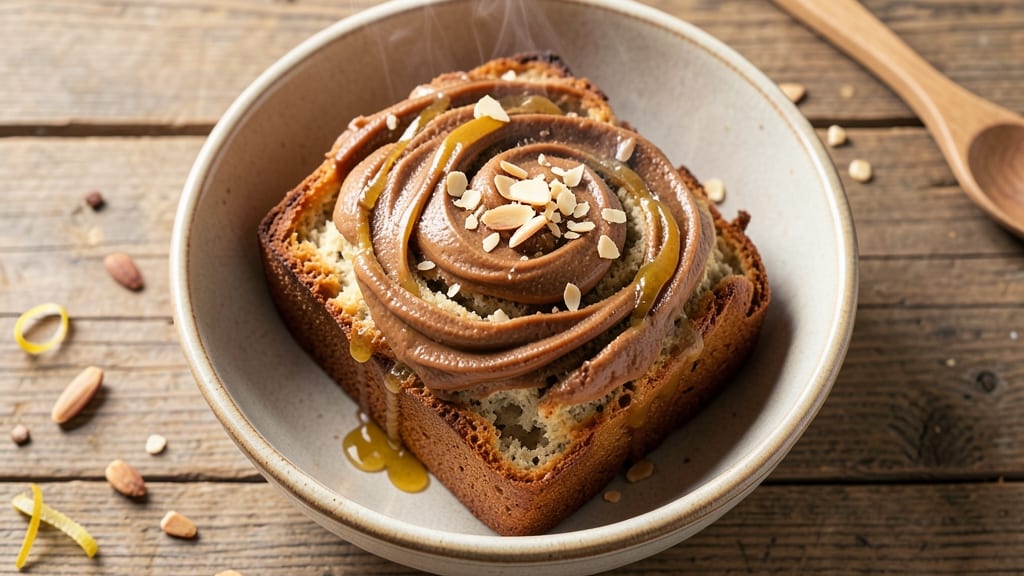
This almond butter bread recipe transforms simple pantry staples into a rich, nutty loaf that’s moist, dense, and packed with natural sweetness—no refined sugar needed. The secret lies in blending almond butter directly into the batter, creating a tender crumb and deep, toasty flavor in every slice. I’ve perfected this recipe over years of baking, ensuring it works in standard loaf pans or as muffins, making it versatile for breakfast, snacks, or dessert.
The beauty of this recipe is its simplicity: just five core ingredients (plus almond butter) combine to deliver a bread that’s hearty yet light, with a slight chew from the nuts.
The batter is thick and sticky—don’t skip the resting time—so the bread rises evenly and bakes to a golden, crackly crust. For extra indulgence, brush the top with a simple glaze of powdered sugar and almond milk or sprinkle with sesame seeds before baking.
What you’ll end up with is a loaf that’s naturally sweetened, protein-rich, and free from artificial additives, yet still satisfyingly rich. The texture is a perfect balance: tender enough to slice easily but sturdy enough to hold up to toast or sandwiches.
It’s the kind of bread that disappears quickly—whether you’re serving it warm with jam or packing slices for lunch.
Best of all, this recipe adapts effortlessly. Use it as a base for savory twists (add rosemary or garlic powder) or keep it classic with a cinnamon swirl. The dough also freezes beautifully, so you can bake a batch ahead and enjoy fresh bread all week. Let’s get started!
Ingredients for almond butter bread
Five core ingredients plus almond butter create this dense, nutty loaf—naturally sweetened and packed with protein.
| Ingredient | Amount | Notes |
|---|---|---|
| Almond Butter 🥜 | 1 cup | Natural, unsweetened preferred |
| All-Purpose Flour 🌾 | 2 ½ cups | Spray flour container with oil for easy scooping |
| Granulated Sugar 🍚 | ½ cup | Or coconut sugar for refined-free version |
| Unsweetened Almond Milk 🥛 | ¾ cup | Room temperature for best mixing |
| Applesauce 🍎 | ½ cup | Unsweetened for natural sweetness |
| Active Dry Yeast 🍞 | 2 ¼ tsp | Ensure yeast is fresh (test in warm water) |
| Ground Cinnamon 🌿 | 1 tsp | Optional but enhances flavor |
| Salt 🧂 | ½ tsp | Diamond Crystal preferred |
| Vanilla Extract 🌸 | 1 tsp | Pure vanilla extract preferred |
| Powdered Sugar 🍚 | 2 tbsp | For glaze (optional) |
| Sesame Seeds 🌰 | 1 tbsp | For topping (optional) |
| Olive Oil 🫒 | 2 tbsp | For greasing pan |
The almond butter is non-negotiable here—Creamy natural almond butter from Marukyu or Justin's works best, but any unsweetened brand will do. Look for jars with just almonds and maybe a pinch of salt; avoid those with added oils or sugars. The flour should be King Arthur or Gold Medal for reliable texture. If you're using a different almond milk, opt for unsweetened varieties like Silk or Blue Diamond—the flavor is milder and won't overpower the bread. For the yeast, always check the expiration date, but if you're unsure, test it in warm water with a pinch of sugar—it should foam within 5-10 minutes.
No almond butter? Cashew butter or tahini can substitute, though the flavor will differ slightly. Running low on almond milk? Oat milk or coconut milk work in a pinch, but the texture might be slightly denser. Skip the sugar entirely for a lower-carb version, though the bread will be less tender. The applesauce adds moisture and natural sweetness—unsweetened is key. For extra richness, stir in 1 tablespoon of melted coconut oil with the almond butter. The sesame seeds are optional but add a lovely crunch—toasted sesame seeds from Trader Joe's are my go-to for that nutty aroma. If you're avoiding gluten, swap the all-purpose flour for a 1:1 gluten-free blend.
This batter is thick and sticky—don't skip the 30-minute rest in the fridge before baking. It helps the bread rise evenly and prevents a dense crumb. Store wrapped at room temperature for 2-3 days or freeze for up to 3 months. To reheat, wrap slices in a damp paper towel and warm in a toaster or oven at 300°F for 5 minutes. The glaze keeps for 1 week in the fridge—just whisk with a splash of almond milk to loosen. For extra indulgence, drizzle warm bread with melted almond butter straight from the jar.
Why You'll Love This Recipe
- Here’s what sold me: the almond butter gives it that deep, nutty warmth, but the applesauce keeps it from tasting like a dense brick. The sugar just sweetens the deal—no weird aftertaste, just smooth, satisfying bites that aren’t cloying.
- I’ll be real: almond butter isn’t cheap, but this recipe stretches it. A single jar lasts me weeks because the dough’s rich but not heavy—meaning one loaf feels indulgent, not wasteful. Plus, almond milk and applesauce are cheap staples. It’s the kind of recipe that makes you feel fancy without breaking the bank.
Step-by-step instructions for almond butter bread
Here's how to craft rich, nutty almond butter bread with a tender crumb and perfect rise.
Activate the Yeast for Perfect Rise
In a small bowl, combine the 0.75 cup unsweetened almond milk (warmed to 105-110°F) with the 2.25 tsp active dry yeast. Let it sit for 5-10 minutes until foamy. You'll see bubbles forming and the mixture expanding—this confirms your yeast is active and ready to work. If it doesn't foam after 10 minutes, your yeast may be expired, and you'll need to start over.
While waiting, light a kitchen torch or preheat your oven to its lowest setting (170°F). Place a heatproof bowl on a baking sheet, then place the baking sheet in the oven. This creates a warm, draft-free environment for your dough to rise properly. The warm oven method yields more consistent results than leaving dough on the counter.
Mix Wet and Dry Ingredients Separately
In a large mixing bowl, combine the 1 cup almond butter, 0.5 cup granulated sugar, 0.5 cup applesauce, 1 tsp vanilla extract, 1 tsp ground cinnamon, and 0.5 tsp salt. Use a hand mixer or stand mixer with the paddle attachment to blend on medium speed for 2-3 minutes until smooth and creamy. The mixture should be thick but pourable—this ensures even distribution when combined with the dry ingredients.
In a separate bowl, whisk together the 2.5 cups all-purpose flour. Sift the flour if your kitchen scale requires it or if you notice any lumps. This step prevents dense pockets in your bread and ensures a light, airy texture. Keep both bowls nearby as you'll need to work quickly once the yeast is activated.
Combine and Knead the Dough
Add the foamy yeast mixture to the wet ingredients and mix on low speed for 30 seconds to combine. Gradually add the 2.5 cups all-purpose flour, mixing on low speed until just incorporated. Avoid overmixing—you should still see some flour streaks. The dough will be sticky, which is normal given the almond butter content.
Turn the dough onto a lightly floured surface and knead for 5-7 minutes by hand or use a dough hook attachment on medium speed for 3-4 minutes. The dough should be smooth and slightly tacky but not wet. If it's too sticky, add 1 tablespoon flour at a time until it comes together. Shape into a round loaf and place it in the greased bowl you prepared earlier.
First Rise and Shape for Even Baking
Cover the bowl with a damp kitchen towel and let the dough rise in the warm oven for 1-1.5 hours or until doubled in size. The dough should feel light and springy when pressed gently with a finger. If the dough doesn't rise well, it may be too cold—place the bowl in a slightly warmer area of the oven for the remaining time.
Once risen, punch down the dough to release air bubbles. Transfer it to a lightly floured surface and shape into a 9x5-inch loaf pan, pressing the dough evenly into the corners. Brush the top with 2 tbsp olive oil and sprinkle with 1 tbsp sesame seeds for texture. Cover loosely with plastic wrap and let rise for another 30-45 minutes until just above the pan's rim.
Bake to Golden Perfection
Preheat your oven to 350°F. Bake the bread for 50-55 minutes until the top is golden brown and a toothpick inserted in the center comes out clean. The bread may need 5-10 extra minutes if your oven runs hot—watch for the edges to turn too dark. Tent the bread with foil if the top browns too quickly.
Remove from the oven and let cool in the pan for 10 minutes, then transfer to a wire rack. Brush the warm bread with a mixture of 2 tbsp powdered sugar and 1 tbsp almond milk for a sweet glaze. Serve warm for the best texture—this bread is moist and tender when fresh but can be stored at room temperature for 2-3 days or frozen for up to 3 months.
Pro Tips For Making Almond Butter Bread
- STIR THE ALMOND BUTTER WELL: Don’t just dump almond butter into the wet ingredients—it’s thick and clumpy. Whisk it vigorously for at least 30 seconds until it’s completely smooth. I learned this the hard way when I had lumps in every bite—now I make sure it’s fully incorporated before adding anything else.
- USE COLD ALMOND MILK: Reach for cold unsweetened almond milk straight from the fridge. It blends more evenly with the almond butter and keeps the batter from getting too warm too fast, which can make the bread dense. (Yes, even if you’re impatient like me.)
- CHECK DONENESS WITH A TOOTHPICK: This bread’s moist, so it won’t read like a cake—skip the "poke and see if it springs back" test. Instead, insert a toothpick into the center; it should come out with moist crumbs, not wet batter. If it’s sticky, bake another 5 minutes.
- SWAP APPLESAUCE FOR PUMPKIN: Need a shortcut? Substitute applesauce with an equal amount of canned pumpkin puree—it adds natural sweetness and keeps the bread ultra-moist without extra effort. (I skip measuring when I’m lazy, but the texture’s noticeably better when I don’t.)
Storing and reheating your leftovers
Room Temperature Storage
Wrap your cooled almond butter bread tightly in plastic wrap or place it in an airtight container to preserve freshness. Store at room temperature for up to 3 days—the bread will stay moist and flavorful, though the texture may firm up slightly.
To revive stale slices, warm them for 10-15 seconds in the microwave or toast in a toaster until golden. 🥖
Refrigerator Refresh
If you prefer chilled slices, refrigerate the bread in an airtight container for up to 5 days. Reheat by wrapping slices in a damp paper towel and microwaving for 15-20 seconds on medium power.
For a crispier texture, bake at 350°F for 5-7 minutes until warmed through. The refrigerator slows down staling, but the bread’s natural oils may separate slightly over time.
Freezer Prep Tips
Slice the bread before freezing for quick grab-and-go portions. Wrap each slice individually in plastic wrap, then place them in a freezer bag with all air removed. Label with the date—this bread freezes beautifully for up to 3 months.
Thaw overnight in the fridge or reheat directly from frozen in the oven at 325°F for 10-12 minutes until warmed through. The texture remains tender when reheated properly.
Glaze Storage
Prepare the powdered sugar glaze in advance and store it in a small airtight jar in the fridge for up to 1 week. Before using, whisk with 1 tsp almond milk to loosen.
The glaze’s moisture content means it thickens over time—add a splash of milk as needed. Brush directly onto toasted bread for a fresh, sweet finish. This trick saves time on busy mornings! ✨
Reviving Day-Old Bread
If your bread dries out, revive it by sprinkling 1 tsp water over slices and wrapping them in a damp towel for 10 minutes. The steam helps restore moisture without making the bread soggy.
For extra richness, spread a thin layer of almond butter on revived slices before toasting. This method works wonders for breakfast sandwiches or toast with jam. 💫
Nutrition facts
Frequently asked questions
Can I make this almond butter bread without yeast?
Yes! For a quick version, replace the yeast with 1 tsp baking soda and 1 tsp baking powder, then bake immediately at 350°F for 30-35 minutes. The texture will be denser (like a cake) but still delicious. This method works well for muffins too—just reduce baking time by 5 minutes.
Why does my almond butter bread turn out dense?
Density usually happens from overmixing the dough or skipping the 30-minute rest before baking. Mix just until combined (flour streaks remain) and let the sticky dough rest—this helps gluten relax. Also, ensure your yeast is active (test in warm water first) and your oven is properly preheated. A toothpick test after baking should confirm doneness.
How can I make this bread nut-free?
Swap the almond butter for 1 cup sunflower seed butter or 1 cup tahini (sesame paste). Reduce the almond milk to 0.5 cup to balance moisture, and add 1 tbsp ground flaxseed to the dry ingredients for binding. The flavor will be earthier but still rich. Always check seed butter labels for allergens.
Can I use this dough for muffins instead of a loaf?
Divide the dough into 12 muffin cups (greased) and bake at 350°F for 20-25 minutes until golden. For extra height, fill cups only 2/3 full. Muffins work great for breakfast—top with a dollop of almond butter and chia seeds. The baking time will be shorter than a loaf, but the texture remains moist.
What's the best way to add chocolate chips?
Fold in 0.5 cup vegan chocolate chips during Step 3 when combining wet and dry ingredients. For even distribution, use your hands to gently mix them into the dough. Bake as directed, but check at 45 minutes—chocolate can burn faster. Pro tip: Sprinkle extra chips on top before baking for a marbled effect.