
Side Dishes
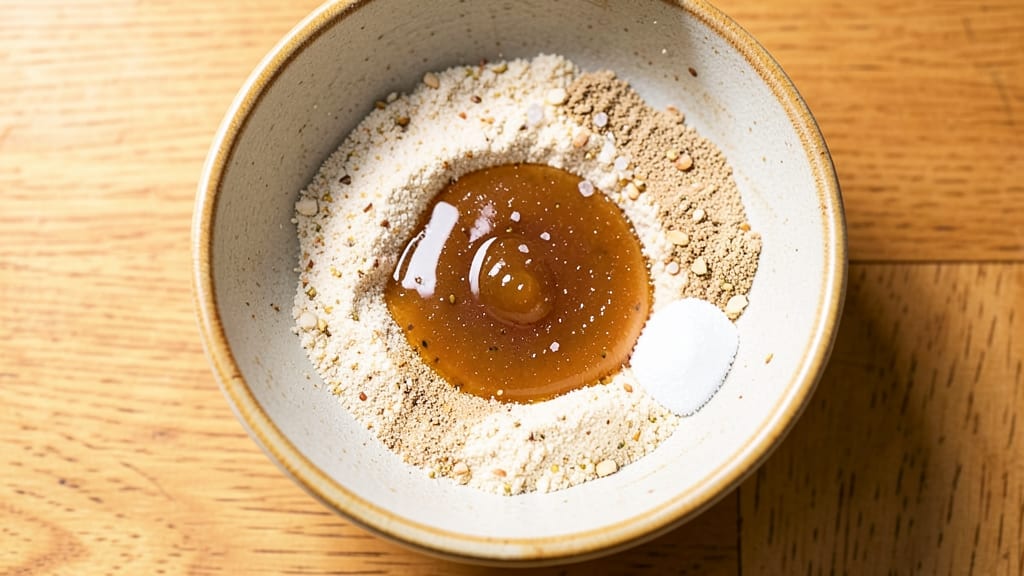
This almond flax bread recipe delivers a naturally gluten-free loaf packed with nutty richness and seed-powered structure—no binders or substitutes needed. The secret lies in flaxseed's ability to mimic eggs while almond flour provides that signature tender crumb, creating a bread that's both hearty and delicate.
What makes this recipe special is its perfect balance of hydration and protein, resulting in a loaf that's ideal for toast, sandwiches, or simply enjoyed with butter straight from the pan.
The magic happens in the mixing technique, where ground flaxseed combines with water to form a gel-like binder that replaces traditional eggs. Almond flour contributes structure while keeping the bread naturally gluten-free, and a touch of psyllium husk ensures that signature soft yet sturdy texture.
Unlike many gluten-free breads that turn out dense, this recipe yields a loaf with an open crumb and just the right amount of chew—perfect for those who miss traditional bread but want a healthier alternative.
Baking at a precise temperature and monitoring proofing time ensures a golden-brown crust and even rise throughout. The result is a loaf that stays fresh for days, making it perfect for meal prep or gifting.
Whether you're serving it toasted with avocado, as sandwich bread, or simply sliced with jam, this almond flax bread proves that gluten-free can be just as satisfying as the original.
For best results, follow the exact hydration ratios and mixing instructions to avoid a gummy texture. The flaxseed binder works best when combined properly, and almond flour requires careful measurement to maintain the ideal crumb.
With just a few simple ingredients and proper technique, you'll achieve a loaf that rivals traditional bread in both flavor and texture.
Ingredients for almond flax bread
Nutty almond flour and flaxseed binder create this gluten-free loaf that's heartier than most store-bought breads.
| Ingredient | Amount | Notes |
|---|---|---|
| Ground Flaxseed 🌾 | ½ cup | Freshly ground preferred |
| Water 💧 | 1 ¼ cups | Room temperature |
| Almond Flour 🌰 | 3 cups | Blanched preferred |
| Psyllium Husk Powder 🌿 | 1 ½ tbsp | Unflavored, finely ground |
| Baking Powder 🍞 | 1 ½ tsp | Aluminum-free preferred |
| Salt 🧂 | ½ tsp | Fine sea salt |
| Apple Cider Vinegar 🍎 | 1 tbsp | For acidity balance |
| Maple Syrup 🍁 | 2 tbsp | Pure, unfiltered |
| Chia Seeds 🌱 | 1 tbsp | For extra texture |
| Olive Oil 🫒 | ¼ cup | Extra-virgin preferred |
| Sunflower Seeds 🌻 | ¼ cup | Toasted for crunch |
| Sesame Seeds 🌾 | 1 tbsp | Optional for garnish |
The almond flour is your star here—Bob's Red Mill or Anthony's Goods are my go-tos for consistent texture. If you're buying in bulk, store it in the freezer to prevent rancidity. The flaxseed must be freshly ground (even pre-ground loses potency in weeks), so grind it yourself right before mixing. Psyllium husk is non-negotiable for that perfect crumb—NOW Foods sells it in bulk online, and it keeps for months in a sealed container. For the seeds, Trader Joe's has the best price on sunflower and sesame—just toast them in a dry pan for 3 minutes before adding.
No psyllium husk? Extra flaxseed at 1.5 tbsp helps, but texture will be slightly denser. Sub almond flour for cashew flour at 1:1 ratio, though it's pricier. Running low on maple syrup? Agave nectar works too, but maple has that deeper flavor. The apple cider vinegar can be swapped for lemon juice at half the amount—just adjust for acidity. Toasted seeds? Skip toasting if you're in a rush, but they add serious crunch. For extra richness, add 1 tbsp tahini to the wet ingredients.
This loaf stays fresh for 5-6 days wrapped tightly in parchment, but it's best the first 2 days. Freeze slices for up to 3 months—just wrap individually in plastic. The psyllium makes it hold up better than most gluten-free breads, so it's perfect for meal prep. For serving, toast with olive oil or use straight from the pan with jam. The seeds keep forever in the pantry, while flaxseed lasts 3 months ground in the fridge.
Why You'll Love This Recipe
- No Mixer Needed: I swear by this recipe when my hands are full—just stir, shape, and bake. The psyllium husk does all the heavy lifting, holding it together without a single drop of oil or complicated steps.
- Nutty Warmth: That first bite? Rich, buttery almond flour meets a subtle earthiness from the ground flaxseed—no added sugar, no artificial flavors, just pure, satisfying crunch. Honestly, it’s the kind of bread that makes me forget it’s gluten-free.
- Meal Prep MVP: Slice it fresh, toast it later. It stays crisp for days in the fridge (yes, even the ends) and reheats in seconds—perfect for breakfast wraps or sandwiches when you’re running out the door.
- Budget-Friendly Staple: A loaf costs me pennies compared to store-bought, and the ingredients last forever. Between us, I’ve stretched one batch into toast, muffins, and even breadcrumbs for meatballs—no waste, all flavor.
Step-by-step instructions for almond flax bread
This nutty, seed-packed loaf comes together in layers—start with the flax egg, then build the dough, and bake to golden perfection.
Create the Flax Egg Mixture
In a small bowl, combine the 0.5 cup ground flaxseed with the 1.25 cups room-temperature water. Stir vigorously for 30 seconds until completely smooth—this creates your flax egg, which acts as the binder for our gluten-free loaf. The mixture should thicken noticeably within 5 minutes as the flaxseeds absorb the water. If it's too thick after mixing, add 1 teaspoon more water to achieve a pudding-like consistency.
Here's the thing—this step is non-negotiable. The flax egg replaces eggs in traditional bread recipes, so its proper formation ensures your loaf holds together. Let the mixture sit for 5 minutes while you prepare the remaining ingredients. You'll know it's ready when it looks like thick custard and doesn't run when you lift the spoon.
Mix the Wet and Dry Ingredients
In a large mixing bowl, whisk together the 0.25 cup extra-virgin olive oil, 2 tablespoons maple syrup, and 1 tablespoon apple cider vinegar. This creates the flavor base for your bread. Then add the flax egg mixture and stir until fully combined. The liquid should look slightly syrupy but well incorporated.
In a separate bowl, sift together the 3 cups almond flour, 1.5 tablespoons psyllium husk powder, 1.5 teaspoons baking powder, and 0.5 teaspoon fine sea salt. Psyllium husk is our secret weapon—it mimics gluten's structure and gives the bread that satisfying chew. Whisk these dry ingredients until there are no more lumps, then gradually add them to the wet mixture.
I like to use a wooden spoon for this part—it helps scrape up any flour clinging to the bowl. Mix just until combined, about 2 minutes, being careful not to overmix. Overworking the dough can make the bread dense instead of light and airy. The batter should be thick but still pourable—if it's too stiff, add 1 tablespoon water to loosen it.
Fold in Seeds and Prepare the Loaf Pan
Stir in the 1 tablespoon chia seeds, 0.25 cup toasted sunflower seeds, and 1 tablespoon sesame seeds (if using). These add texture and nutrition, but don't overmix—just fold them in until evenly distributed. The seeds should be visible throughout the batter, giving each slice that satisfying crunch.
Preheat your oven to 350°F and lightly grease a 9x5-inch loaf pan with olive oil or line it with parchment paper. The paper makes removal easier, but if you prefer a classic look, just make sure the pan is well-oiled. Pour the batter into the prepared pan and smooth the top with a wet spatula. Tap the pan gently on the counter 2-3 times to eliminate any air bubbles that might have formed during mixing.
Bake to Golden Perfection
Bake for 50-55 minutes until the top is golden brown and a toothpick inserted in the center comes out clean. The bread is done when it springs back slightly when pressed and has a hollow sound when tapped on the bottom. I know it seems like a long time, but this ensures your loaf is fully baked through without drying out.
If the top browns too quickly, tent the pan loosely with aluminum foil after 30 minutes to prevent over-browning while the center finishes cooking. The internal temperature should reach 205-210°F when done. Remove from the oven and let cool in the pan for 10 minutes before transferring to a wire rack to cool completely.
Slice and Serve (The Best Part!)
Once fully cooled, slice the loaf into 4 equal portions—each serving should be about 2 inches thick. The bread will keep well at room temperature for 3 days in an airtight container, or you can freeze slices for up to 3 months. The flavor actually improves over time as the seeds soften slightly and the almond flour develops deeper nuttiness.
Here's where it gets fun—this bread is incredibly versatile. Toast slices for breakfast with almond butter, use it for sandwiches with avocado and smoked salmon, or serve warm with a smear of cream cheese and a drizzle of honey. Each bite delivers that perfect balance of nutty almond, crunchy seeds, and subtle sweetness from the maple.
Pro Tips For Making Almond Flax Bread
- Mix Flax First: The ground flaxseed and water need a proper 5-minute soak—no rushing. I used to just stir it in and wonder why the bread turned gummy. Let it sit until it’s thick and gel-like, like a weird egg-white substitute.
- Weigh Almond Flour: Scooping almond flour straight from the bag packs it down, and you’ll end up with dense, sad bread. Use a kitchen scale for accuracy—this stuff varies wildly in density. (Yes, even if you’re impatient like me.)
- Don’t Overmix: Once you fold in the psyllium husk powder, mix just until combined—overdoing it makes the gluten-like bonds in almond flour turn the dough rubbery. Think “gentle folds,” not “whipping it into submission.”
- Bake Until Internal Temp Hits 205°F: The crust might look done at 190°F, but almond flour bread needs that extra heat to fully set. A toothpick coming out clean is good, but your thermometer is the real MVP here—no more dry centers.
Flavor customization for this dish
Sweet Variations
Craving extra sweetness? Swap the 2 tbsp maple syrup for 3 tbsp honey or agave nectar—both enhance the bread's natural nuttiness while adding a floral note.
For a caramelized twist, stir in 1 tbsp brown sugar with the wet ingredients and bake until the crust reaches 375°F for the last 5 minutes to create a deep amber glaze. 🍯
Spiced Twist
Warm up your loaf with ½ tsp cinnamon and ¼ tsp cardamom in the dry ingredients for a cozy, spiced flavor. The cinnamon pairs beautifully with the almond flour, while cardamom adds a subtle earthiness.
If you love pumpkin spice, add ½ tsp pumpkin pie spice and fold in ¼ cup pumpkin puree to the wet mix. These spices work best when toasted in a dry pan for 30 seconds to release their aromas.
Herb-Infused
For a savory profile, fold in 1 tbsp fresh rosemary or thyme leaves with the seeds. The herbs brighten the nutty base, making this bread perfect for charcuterie boards or grilled cheese sandwiches.
To intensify the flavor, finely chop the herbs and steep them in 2 tbsp hot water for 5 minutes before adding to the wet ingredients. Strain out the solids to avoid a gritty texture. 🌿
Seed Swaps
Customize the crunch by swapping seeds—try ½ cup pumpkin seeds for a toasty, earthy bite or ¼ cup hemp seeds for a protein boost. For a tropical vibe, add ¼ cup toasted coconut flakes along with the sesame seeds.
If you're nut-free, replace almond flour with oat flour and use sunflower seed butter instead of olive oil to maintain binding.
Savory Option
Transform this into a savory loaf by omitting the maple syrup and adding 1 tbsp nutritional yeast to the dry ingredients for a cheesy, umami depth. Stir in 2 tbsp finely chopped sun-dried tomatoes or 1 tsp garlic powder for extra flavor.
This version pairs perfectly with soups, dips, or as a base for open-faced sandwiches. The psyllium husk ensures it still holds together beautifully without gluten. 🧀
Extra Moisture
If your kitchen is dry or you prefer a softer crumb, increase the olive oil to ⅓ cup or add 2 tbsp unsweetened applesauce to the wet mix.
For a richer texture, replace ¼ cup of the almond flour with ¼ cup tahini—it adds creaminess while keeping the bread gluten-free. These adjustments work especially well in high-altitude baking where dryness can be an issue. 💧
Nutrition facts
Frequently asked questions
Why does this recipe use both flaxseed and psyllium husk?
The ground flaxseed creates a gel-like binder that replaces eggs, while psyllium husk mimics gluten's structure for that perfect chewy-yet-tender crumb. Together, they prevent a dense texture that's common in gluten-free breads. The flaxseed also adds fiber and omega-3s, making this bread more nutritious than traditional loaves.
Can I make this bread without almond flour?
Yes! Replace the 3 cups almond flour with 2.5 cups oat flour and 0.5 cup sunflower seed flour for a nut-free version. For extra richness, add 2 tbsp tahini to the wet ingredients. The texture will be slightly denser but still delicious—just reduce baking time by 5 minutes to prevent over-browning.
How do I fix a loaf that turned out too dense?
Density usually means overmixing or insufficient psyllium husk. Next time, mix the wet and dry ingredients just until combined (about 2 minutes) and ensure you've added the full 1.5 tbsp psyllium husk. For a quick fix, try toasting slices in a dry pan for 2-3 minutes per side to crisp the exterior—this improves texture for sandwiches.
Is this bread safe for nut allergies?
Only if you replace the almond flour with a certified nut-free alternative like oat flour or sunflower seed flour. The seeds (chia, sunflower, sesame) are safe for most nut allergies unless you have a seed allergy. Always check labels on psyllium husk and baking powder for cross-contamination warnings.
Can I bake this in a different shape?
This batter works well for round freeform loaves (bake on a parchment-lined sheet at 350°F for 40-45 minutes) or mini loaves (use 4x4-inch pans, bake 25-30 minutes). For rolls, divide the batter into 8 portions and bake on a lined sheet for 18-20 minutes. Just reduce baking time by 10-15% for smaller shapes.