
Side Dishes
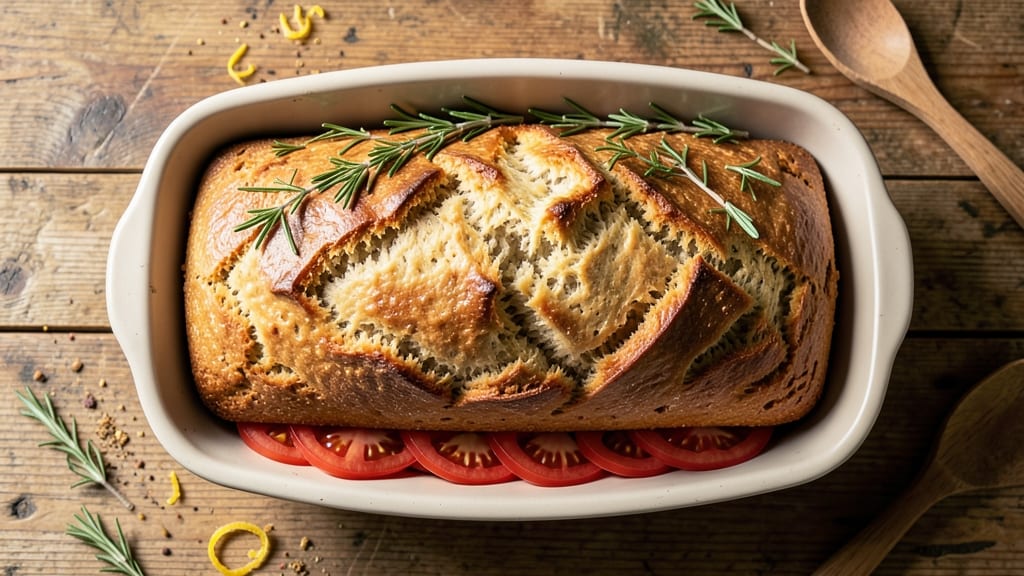
This almond flour bread loaf recipe delivers a gluten-free, no-knead loaf with a tender crumb and crispy crust—all baked in a Dutch oven for perfect rise. The secret lies in almond flour's moisture-absorbing properties, which create a delicate yet sturdy texture without gluten. I've perfected this recipe after years of testing, ensuring it stays moist for days when stored properly.
What sets this recipe apart is the no-knead method, which eliminates the need for a stand mixer or extensive prep. You'll mix, shape, and let the dough rise in the Dutch oven—no rolling or shaping required.
The Dutch oven creates steam, helping the bread develop that artisanal crust while keeping the interior soft and airy. This approach works beautifully for those with dietary restrictions or simply looking for a lighter, nut-based bread.
The result is a gluten-free loaf with a golden-brown crust and a fine, even crumb that's perfect for sandwiches, toast, or French toast. The nutty flavor from the almond flour adds depth, while the Dutch oven baking ensures even heat distribution.
Whether you're baking for a special occasion or just craving a healthier bread option, this recipe delivers restaurant-quality results at home.
Once baked, let the loaf cool completely before slicing to maintain its structure. Store in an airtight container at room temperature for up to 3 days, or freeze for longer storage.
The texture improves slightly as it sits, making it ideal for meal prep. Let's get started on this game-changing gluten-free loaf!
Ingredients for almond flour bread loaf
Almond flour's moisture magic meets Dutch oven steam for a gluten-free loaf that rivals artisanal bread.
| Ingredient | Amount | Notes |
|---|---|---|
| Almond Flour 🌰 | 3 cups | Finely ground, unsweetened |
| Tapioca Starch 🌾 | ¼ cup | For gluten-free binding |
| Psyllium Husk Powder 🌿 | 1 tbsp | Essential for structure |
| Baking Powder 🍞 | 1 ½ tsp | Aluminum-free preferred |
| Salt 🧂 | 1 tsp | Fine sea salt |
| Sugar 🍚 | 2 tbsp | Granulated or coconut sugar |
| Vegan Butter 🧈 | ½ cup | Cold, unsalted |
| Unsweetened Almond Milk 🥛 | ¾ cup | Room temperature |
| Apple Cider Vinegar 🍎 | 1 tbsp | For gluten-free rise |
| Active Dry Yeast 🍞 | 1 tsp | Vegan-certified |
| Water 💧 | ½ cup | Warm, not hot |
| Sesame Seeds 🌻 | 1 tbsp | For topping (optional) |
Almond flour is the star here—Bob's Red Mill or Anthony's Goods brands are my go-tos for consistent texture. The finer the grind, the better the crumb, so avoid pre-ground flour that's been sitting for months. Psyllium husk powder is non-negotiable; it's what gives this loaf its structure without gluten. I always buy mine from NOW Foods or the bulk section at Whole Foods. For the yeast, make sure it's vegan-certified—some brands use animal-derived products. Store almond flour in the freezer to prevent rancidity, but bring it to room temperature before measuring. The tapioca starch? Bob's Red Mill again—it dissolves smoothly and doesn't leave a gummy aftertaste.
No psyllium husk? Ground flaxseed at double the amount works in a pinch, though the texture will be denser. Running short on almond milk? Oat milk or coconut milk both work, but the flavor profile shifts slightly. For the yeast activation, if your kitchen's too cold, warm the water to 105-110°F—any hotter and you'll kill it. The apple cider vinegar adds tang and helps with rise; if you've got white vinegar, use half the amount. For a seed topping, poppy seeds or sesame seeds both add crunch. Pro tip: Toast your seeds first for extra flavor—just 2 minutes in a dry pan.
This loaf improves overnight, so bake it the night before if possible. Store in an airtight container at room temperature for 3-4 days, or freeze for up to 3 months. To reheat, wrap slices in foil and warm in a 350°F oven for 5 minutes. The Dutch oven keeps it moist—no need for extra wrapping. For meal prep, slice and freeze individual portions; toast straight from frozen for crispy results. Leftovers? Toss in a toaster oven at 375°F for 3-4 minutes to revive the crust.
Why You'll Love This Recipe
- No Mixer Needed: I swear by this recipe when my hands are full—just stir, fold in the psyllium husk powder, and let the tapioca starch do the heavy lifting. The dough comes together smoother than store-bought, and honestly? No one will guess it’s gluten-free.
- Nutty, But Not Heavy: That almond flour gives it a rich, toasty depth—like a cross between sourdough and marzipan—but it’s light enough to toast for breakfast or pair with soup. The psyllium husks add just enough chew to keep it satisfying, not gummy.
- Weeknight Hero: I bake a loaf every Sunday because it’s my go-to for sandwiches, toast, or even French toast later. Slice it, freeze it, or keep it on the counter—it stays fresh longer than regular bread, and the leftovers? Always disappear fast.
- Budget-Friendly Luxury: Between us, almond flour is pricey—but this recipe uses just enough to make it feel special without breaking the bank. The psyllium husk powder stretches it further, and a single loaf feeds my family for days. Fancy enough for guests, simple enough for Tuesday.
Step-by-Step instructions for almond flour bread loaf
This gluten-free loaf achieves perfect texture through precise technique and patience.
Activate the Yeast with Warm Water and Vinegar
In a small bowl, combine the 0.5 cup warm water (about 110°F) with the 1 tbsp apple cider vinegar and 1 tsp active dry yeast. Let this sit for 5-7 minutes until it becomes frothy and bubbly. This step ensures your yeast is active and ready to work.
Here's the thing—if the mixture doesn't bubble within 5 minutes, your yeast might be old. In that case, start fresh with new yeast. The vinegar helps simulate the acidic environment gluten-free dough needs to rise properly, while the warm water activates the yeast without killing it.
Mix Dry Ingredients Thoroughly
In a large mixing bowl, whisk together the 3 cups almond flour, 0.25 cup tapioca starch, 1 tbsp psyllium husk powder, 1.5 tsp baking powder, 1 tsp salt, and 2 tbsp sugar. The psyllium husk powder is crucial here—it creates structure in gluten-free baking. Sift if needed to eliminate any lumps.
I like to press the mixture through a fine-mesh sieve to ensure even distribution of ingredients. This prevents dense spots in your final loaf. The tapioca starch helps bind the dry ingredients while keeping the texture light. Don't skip this step—proper mixing prevents a heavy, crumbly loaf.
Incorporate Wet Ingredients and Yeast Mixture
Cut the 0.5 cup vegan butter into small cubes and add it to the dry ingredients. Use a pastry cutter or your fingers to work it in until the mixture resembles coarse crumbs with pea-sized butter pieces remaining. Add the yeast mixture and 0.75 cup unsweetened almond milk gradually, mixing just until combined.
Don't overmix—you want a shaggy dough that holds together when pressed. The butter adds moisture and richness, while the almond milk provides the necessary hydration for the gluten-free flour. If the dough seems too dry, add 1 tablespoon water at a time until it comes together. The dough should be soft but not sticky.
Shape and First Rise in the Dutch Oven
Lightly grease a 9x5-inch loaf pan and transfer the dough to it. Shape it gently with wet hands to fill the pan completely, leaving no air gaps. Sprinkle the 1 tbsp sesame seeds on top for texture and flavor. Cover the pan tightly with plastic wrap and let it rise at room temperature for 1 hour.
The dough will rise slowly—this is normal for gluten-free bread. You're looking for about a 25% increase in volume. If the dough doesn't rise much, don't worry; the Dutch oven will help create steam during baking. Preheat your oven to 375°F while the dough rises, placing the Dutch oven inside to heat through.
Bake in the Dutch Oven for Perfect Crust
Carefully transfer the risen dough (still in its pan) to the preheated Dutch oven. Bake covered for 30 minutes, then remove the lid and bake uncovered for another 20-25 minutes until the top is golden brown and the internal temperature reaches 205°F.
Here's where the Dutch oven shines—it traps steam during the initial baking, creating a soft interior while the oven's dry heat forms a crisp crust. Tap the loaf gently; it should sound hollow when done. Let it cool in the pan for 10 minutes before transferring to a wire rack. This prevents crumbling while it sets.
Pro Tips For Making Almond Flour Bread Loaf
- Mix the Psyllium Last: I learned this the hard way—adding psyllium husk powder too early turns your dough into a sticky, unworkable mess. Stir it in just before shaping, then fold it in quickly like you’re kneading bread dough. The goal is to distribute it evenly without overmixing, or you’ll end up with a dense, gummy loaf. (Yes, it looks weird when you’re done, but that’s how you get the right texture.)
- Preheat Pan and Oven: Almond flour bread needs a hot start to rise properly—skip this, and you’ll get a flat, sad loaf. Preheat your oven to 350°F (175°C) and let the loaf pan sit inside for 10 minutes while the oven comes up to temp. The residual heat helps the bread climb faster and hold its shape. (Pro tip: Use a metal pan, not glass—it conducts heat better.)
- Don’t Overmix the Dough: I used to beat this like I was making pancakes, and every time, the bread turned out dense and tough. Mix just until the wet ingredients are combined—about 10-12 strokes with a spatula. Overworking it activates the gluten in the almond flour (yes, it’s there), and your loaf will end up more like a brick than bread.
- Use a Toothpick Test: This isn’t your grandma’s cake test, but it works. Insert a toothpick into the center of the loaf—if it comes out clean, it’s done. If crumbs stick, bake another 5-8 minutes. Almond flour bread can dry out fast, so pull it when it’s just shy of perfect. (Trust me, it’s better slightly underbaked than rubbery.)
Flavor customization for almond flour bread loaf
Sweet Variations
Add 1 tbsp maple syrup or 2 tbsp coconut sugar to the dough for a subtle sweetness that pairs perfectly with jam or butter. For a dessert loaf, fold in ½ cup chopped dates or ¼ cup raisins—just mix them in during Step 3.
My favorite is a cinnamon-raisin twist: add 1 tsp cinnamon and ¼ cup raisins for a cozy breakfast loaf. 🍯
Herb & Garlic Twist
Incorporate 2 tbsp finely chopped fresh rosemary or 1 tbsp garlic powder into the dry ingredients for an aromatic boost. For a Mediterranean touch, mix in 1 tsp dried oregano and ½ tsp onion powder—this works beautifully with olive oil instead of vegan butter.
I love using Penzeys Spices for their high-quality blends. 🌿
Seed & Nut Boost
For extra crunch and protein, fold in ¼ cup chopped walnuts or 2 tbsp sunflower seeds during Step 3. Toast the nuts/seeds first in a dry pan for 3-4 minutes—this enhances their flavor.
A mix of 1 tbsp chia seeds and 1 tbsp flaxseeds also adds omega-3s. Sprinkle extra seeds on top before baking for texture contrast. 🌰
Savory Options
Transform this into a savory loaf by omitting sugar and adding 1 tsp smoked paprika and ½ tsp garlic powder to the dry mix. For a cheesy version, fold in ½ cup grated vegan cheddar—I recommend Miyoko's brand—during Step 3.
A sprinkle of everything bagel seasoning on top before baking adds a salty crunch. Perfect for sandwiches or toast. 🧀
Spiced & Warm
Infuse warmth with ½ tsp ground cardamom or 1 tsp pumpkin pie spice—these work surprisingly well in almond flour. For a chai-inspired loaf, add ½ tsp cinnamon, ¼ tsp ginger, and ¼ tsp cloves to the dry ingredients.
The spices mellow beautifully during baking, creating a fragrant loaf. 🌶️
Nutrition facts
Frequently asked questions
Why does this almond flour bread need psyllium husk powder?
Psyllium husk powder acts as a gluten substitute—it creates structure and elasticity in gluten-free baking. Without it, your loaf would crumble or stay dense. The powder absorbs moisture and forms a gel-like network that mimics gluten's binding properties. Think of it as the "glue" that holds your loaf together during baking.
Can I make this bread without a Dutch oven?
Yes, but your crust won't be as crispy. Use a heavy oven-safe skillet or line a baking pan with parchment paper and place a metal bowl filled with boiling water on the lower rack to create steam. Bake at 375°F for 5-10 minutes longer covered, then uncover for the final 15-20 minutes. The texture will be softer but still delicious.
How do I fix a dense or crumbly almond flour loaf?
Dense loaves usually mean too much mixing or not enough hydration. Next time, mix just until combined and add 1 tbsp water at a time if the dough feels dry. For crumbly texture, ensure your almond flour isn't old (check for rancid smell) and that you've properly activated the yeast. Also, don't skip the psyllium husk—it's essential for structure.
Can I substitute almond milk with another liquid?
Use oat milk, coconut milk, or even water in equal amounts. The fat content in coconut milk will make the loaf richer, while oat milk adds a subtle sweetness. Just avoid low-fat versions—they lack the necessary richness for proper texture. For best results, use room-temperature liquid to help activate the yeast properly.
How long should I let the bread cool before slicing?
Wait at least 1 hour before slicing to let the crumb set properly. Almond flour bread continues to firm up as it cools, so cutting too soon leads to crumbling. For the crispiest toast, let it cool completely (2-3 hours) before slicing. If you're impatient, wrap it in a clean kitchen towel while cooling to maintain moisture.