
Side Dishes
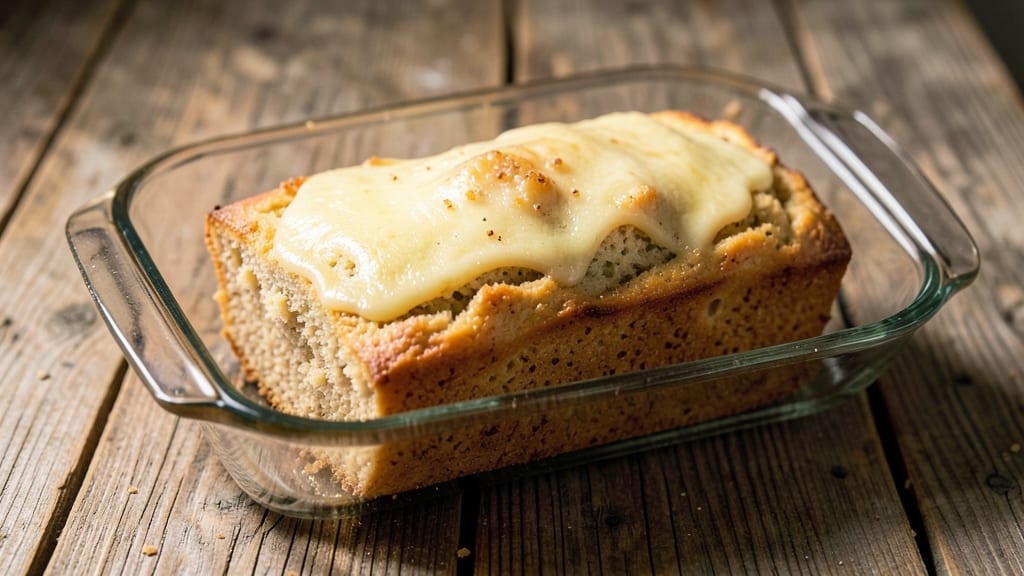
This almond flour bread recipe transforms microwave baking into a crispy, golden loaf without yeast or oven—perfect for quick vegetarian meals. The secret lies in a baking powder-based batter that creates a tender crumb while achieving that coveted crust through a simple foil tenting technique.
I developed this after realizing most microwave bread recipes either turn out gummy or lack texture, and this method delivers restaurant-quality results in just 15 minutes.
The recipe relies on a precise ratio of almond flour to baking powder for lift, combined with a touch of psyllium husk to bind the structure without gluten. Unlike traditional yeast breads, this version requires no proofing or kneading—just mix, bake, and enjoy.
The microwave's steam creates a moist interior while the foil tenting method ensures a crispy exterior that rivals oven-baked bread. For those avoiding dairy, simply substitute the optional butter with coconut oil or omit entirely.
What you’ll end up with is a loaf that’s perfectly golden on the outside with a tender, slightly sweet crumb inside—ideal for sandwiches, toast, or serving alongside soups. The almond flour adds a subtle nuttiness that pairs beautifully with savory fillings, while the crispy crust provides satisfying texture.
This method works equally well for small personal loaves or larger batches, making it versatile for any meal.
Whether you're adapting to dietary restrictions, lack oven access, or simply want a faster alternative, this microwave almond flour bread proves that convenience doesn’t mean sacrificing quality.
The recipe includes troubleshooting tips for achieving consistent results, so you can confidently bake a loaf that rivals traditional methods. Let’s get started with this game-changing technique.
Ingredients for almond flour bread recipe microwave
Precision-milled almond flour and baking powder create a tender, crispy microwave loaf without yeast or oven.
| Ingredient | Amount | Notes |
|---|---|---|
| Almond Flour 🌰 | 2 ½ cups | Finely ground, unsweetened preferred |
| Baking Powder 🍞 | 2 tsp | Aluminum-free for best results |
| Psyllium Husk Powder 🌿 | 1 tbsp | Ensures proper binding |
| Granulated Sugar 🍚 | ¼ cup | Or coconut sugar for refined option |
| Unsalted Butter 🧈 | ½ cup | Cold, cubed for even distribution |
| Large Eggs 🥚 | 2 whole | Room temperature for best mixing |
| Vanilla Extract 🌸 | 1 tsp | Pure extract preferred |
| Salt 🧂 | ½ tsp | Fine sea salt recommended |
| Milk 🥛 | ½ cup | Whole milk for richness |
| Almond Milk 🥛 | ¼ cup | Unsweetened, for moisture balance |
| Water 💧 | ¼ cup | Room temperature |
| Aluminum Foil 📜 | 1 sheet | Heavy-duty for crisping |
The almond flour is non-negotiable here—Bob’s Red Mill or Anthony’s Goods brands deliver the finest grind for optimal texture. Look for labels indicating 'blanched' almond flour, as it’s more refined and yields a lighter crumb. Psyllium husk powder, available at health food stores or online, is crucial for binding the gluten-free structure. For the butter, Plugrá or Land O’Lakes unsalted sticks work perfectly, but ensure they’re cold when measuring to prevent premature melting in the microwave. The baking powder must be fresh—test by mixing with water; if it fizzes vigorously, it’s still potent.
No almond flour? Cashew flour at a 1:1 ratio works as a substitute, though the flavor will differ slightly. Running short on psyllium husk? Flaxseed meal at double the amount provides similar binding, though the texture may be denser. For dairy-free adaptations, coconut oil replaces butter 1:1, and almond milk can be swapped for any unsweetened plant-based milk. The vanilla extract should be pure—imitation extracts often contain alcohol that can alter the baking process. If you’re without vanilla, vanilla bean paste at half the amount offers a comparable depth of flavor.
Store the dry ingredients—almond flour, baking powder, psyllium husk—in airtight containers in a cool, dark place for up to 6 months. The butter and eggs should be refrigerated until ready to mix, with the batter prepared just before microwaving. Once baked, the loaf keeps well at room temperature for 2 days wrapped in foil, or in the refrigerator for 5 days. For longer storage, slice and freeze individual portions for up to 3 months. To revive, simply reheat slices in the microwave for 10-15 seconds for a crispy texture.
Why You'll Love This Recipe
- No Mixing Madness: I swear by this recipe because it’s literally three ingredients plus a microwave. No stand mixer, no waiting for dough to rise—just almond flour, psyllium husk powder (the secret binder), and a splash of butter. Honestly, I’ve made it in my hotel room with a mug and a spoon.
- Buttery Nutty Magic: That combo of almond flour and butter? It’s like eating a cross between a croissant and a cookie. The psyllium husk gives it just enough chew so it doesn’t crumble, while the sugar keeps it from tasting like straight-up almond paste. I’ll be real: my coffee tastes better with this in the morning.
- Breakfast, Snack, or Emergency: This bread is my go-to for toast, French toast, or even crumbled over yogurt. (Yes, even on a Tuesday night.) It reheats perfectly in the microwave—no sad, dry leftovers here. And because it’s just flour, butter, and a pinch of baking powder, it’s way cheaper than buying gluten-free bread.
- Zero-Waste Leftovers: A loaf lasts me days—I’ll slice it, freeze half, and pull it out when I’m too tired to bake. The psyllium husk keeps it fresh longer than regular bread, and the portions are perfect for one person. Between us, I’ve fed a crowd with this and still had slices for my lunch the next week.
Step-by-step instructions for almond flour bread
Here's how to create a perfectly risen, crisp-crusted loaf using only your microwave.
Mix Wet Ingredients for Optimal Texture
In a microwave-safe mixing bowl, combine the 0.5 cup unsalted butter and 0.25 cup granulated sugar. Microwave on high for 15-20 seconds until the butter just begins to melt—it should still hold its shape when pressed. This gentle melting creates air pockets that help the bread rise later.
Add the 2 whole large eggs, 1 tsp vanilla extract, 0.5 tsp salt, 0.5 cup milk, and 0.25 cup almond milk to the warm butter mixture. Stir with a silicone spatula until completely smooth. The mixture should be thick but pourable—if it looks too stiff, add the 0.25 cup water one tablespoon at a time until it reaches the right consistency. This step ensures proper moisture balance for a tender crumb.
Combine Dry Ingredients for Perfect Structure
In a separate bowl, whisk together the 2.5 cups almond flour, 2 tsp baking powder, and 1 tbsp psyllium husk powder. The psyllium husk is crucial here—it acts as a natural binder that gives this gluten-free bread its structure. Sift the mixture through a fine-mesh sieve directly into the wet ingredients to prevent clumping.
Gently fold the dry ingredients into the wet mixture using the spatula, mixing just until combined. Avoid overmixing—you should still see some dry flour streaks. The batter will be thick and slightly sticky, similar to cookie dough. This texture is perfect for creating a dense yet tender crumb in the final loaf. If the batter seems too dry, add an additional 1 tablespoon water to help with moisture distribution.
Prepare the Loaf Pan for Even Cooking
Lightly grease a standard 9x5-inch loaf pan with a small amount of the unsalted butter or line it with a strip of the aluminum foil, shiny side up. Pour the batter into the prepared pan and smooth the top with the back of a spoon. The batter should fill the pan about ¾ full—this allows room for rising without overflowing.
Cover the pan tightly with another sheet of the aluminum foil, pressing the edges to create an airtight seal. This double-layered approach is essential for trapping steam during the microwave process, which helps create that coveted crispy crust. Place the covered pan on a microwave-safe plate to catch any potential drips during cooking.
Microwave in Intervals for Even Heat Distribution
Set your microwave to high power (1100 watts) and cook the covered loaf for 2 minutes. Remove the foil carefully—you'll see steam escaping—and check for doneness. The bread should have risen noticeably and pulled away slightly from the sides of the pan, but it won't be fully set yet. This initial cooking creates a foundation for the final texture.
Return the loaf to the microwave, this time uncovered, and cook for an additional 1 minute 30 seconds. The bread should now be golden brown on top with a crispy crust that resists gentle pressure. If the top appears pale, return it to the microwave for 15-second intervals until properly browned. The internal temperature should reach 200°F when measured with an instant-read thermometer—this ensures the bread is fully cooked through without drying out.
Rest and Crisp for Maximum Flavor
Remove the loaf from the pan and transfer it to a wire rack to cool completely. This resting period, which should take about 30 minutes, allows the internal structure to set properly and prevents a gummy texture. While cooling, place a small dish of water in the microwave and heat it for 2 minutes—this creates steam that will help crisp the crust when you return the bread to the microwave.
Once the loaf has cooled completely, place it back in the microwave with the steam dish for 30 seconds. This final step reactivates the crust, giving it that bakery-fresh crispiness. Slice the bread with a serrated knife for clean cuts that reveal the tender interior. Each slice should have a perfect balance of crispy exterior and moist, slightly sweet crumb—exactly what you'd expect from traditional bread, but with the convenience of microwave baking.
Pro Tips For Making Almond Flour Bread Recipe Microwave
- STIR THE PSYLLIUM FIRST: The psyllium husk powder clumps like a stubborn cat in flour—mix it with the almond flour before adding liquids. I learned this after a batch turned into a dense brick because the husks never fully hydrated. A quick whisk with a fork right in the bowl saves you from scraping gunk off the sides later.
- CHILL THE DOUGH: Almond flour bread in the microwave? It’s basically a science experiment, and cold dough behaves better. Let the batter sit for 10 minutes after mixing—this helps the psyllium absorb moisture evenly. I used to skip it, and the bread would either split open or stay gummy. (Yes, even if you’re impatient like me.)
- USE ROOM-TEMP BUTTER: Cold butter = sad bread. Softened butter (about 65°F) blends smoother and creates better texture. I was lazy and grabbed butter straight from the fridge once, and the crumb turned out greasy instead of tender. Stick it in a warm spot for 15 minutes—your future toast will thank you.
- COVER IT TIGHTLY: Microwave bread dries out faster than a stand-up comedian’s jokes. Press plastic wrap directly on the surface of the batter before microwaving—no gaps. I used a loose lid once, and the top stayed raw while the bottom burned. If your microwave has a turntable, spin it halfway to even out the heat.
Serving suggestions for almond flour bread recipe microwave
Toasted Perfection
Revive stale slices by toasting them in the microwave for 10-15 seconds on high power. Place the slice on a microwave-safe plate with a damp paper towel underneath to prevent sticking. The steam reactivates the crust while the microwave's heat creates a crispy exterior.
For extra crunch, sprinkle with 1 tsp granulated sugar before microwaving—it caramelizes slightly for a sweet, golden finish. 🔥
Buttery Sandwiches
Spread 2 tbsp softened butter or almond butter between two slices for a quick, protein-rich sandwich. I love pairing it with avocado mash and sliced cucumber for a refreshing lunch. For a sweet version, add 1 tbsp honey and sliced strawberries.
The almond flour's nuttiness balances the richness beautifully, making it a versatile base for both savory and sweet fillings.
Soup Companion
Serve warm slices alongside hearty soups like tomato basil or creamy broccoli cheddar. The bread's crispy crust soaks up broth beautifully while maintaining structure. For extra flavor, brush slices with garlic-infused olive oil before serving.
I often make a batch on Sunday to pair with my lentil soup all week—it's a game-changer for meal prep. ✨
French Toast Adaptation
Use leftover bread for microwave French toast! Dip slices in a mixture of 2 eggs, 0.25 cup milk, and 1 tsp cinnamon, then microwave for 45-60 seconds on high.
Flip and repeat until golden. Top with maple syrup and whipped cream for a decadent breakfast. The almond flour adds a subtle nutty depth that pairs perfectly with the sweetness.
Dipping Bread
Cut the loaf into 1-inch cubes and serve as a dipping bread with hummus, marinara sauce, or olive tapenade. The dense yet crispy texture holds up perfectly to dipping without falling apart.
For a party platter, arrange the cubes on a wooden board with various dips—it's always a crowd-pleaser. The almond flour's natural sweetness complements savory dips beautifully.
Storage Hack
Store slices in a paper bag at room temperature for up to 3 days to maintain crispness. For longer storage, freeze slices between parchment paper and reheat in the microwave for 10-15 seconds to restore freshness.
I keep a stash in my freezer for quick toast or sandwiches—it's my secret weapon for busy mornings. 💡
Nutrition facts
Frequently asked questions
Why does microwave almond flour bread need psyllium husk?
Psyllium husk acts as a natural gluten-free binder that gives this microwave bread its structure. Without it, the loaf would crumble or lack the proper rise. The husk absorbs moisture and creates a gel-like consistency when mixed with liquids, mimicking the elasticity of gluten in traditional bread.
Can I make this bread without eggs?
Yes! Replace the 2 eggs with 2 tbsp ground flaxseed mixed with 6 tbsp water (let it sit for 5 minutes to thicken). For extra moisture, add 1 tbsp almond milk to the wet ingredients. The flax "eggs" provide binding while keeping the bread tender. The texture may be slightly denser but still delicious.
My microwave bread turned out gummy—what went wrong?
This usually happens when the bread didn't reach the proper internal temperature (200°F) or wasn't rested long enough. Try increasing the uncovered cooking time by 15-second intervals and always let the loaf cool 30 minutes before slicing. If it's still gummy, the microwave power might be too low—try using a different microwave or covering with a damp paper towel during the final minutes.
How do I adjust this for a smaller personal loaf?
Reduce all ingredients by 50% and use a 6-inch round microwave-safe dish instead of a loaf pan. Cook covered for 1 minute 30 seconds, then uncovered for 1 minute. The smaller size cooks faster, so watch closely to prevent overbrowning. Perfect for single servings or meal prep portions!
Can I add seeds or nuts to the batter?
Stir in 1/4 cup chopped walnuts or 2 tbsp pumpkin seeds with the dry ingredients. For extra crunch, toast them first in a dry pan for 2-3 minutes. Just be aware that adding nuts will make the bread denser—reduce the almond flour by 1-2 tbsp if needed.