
Side Dishes
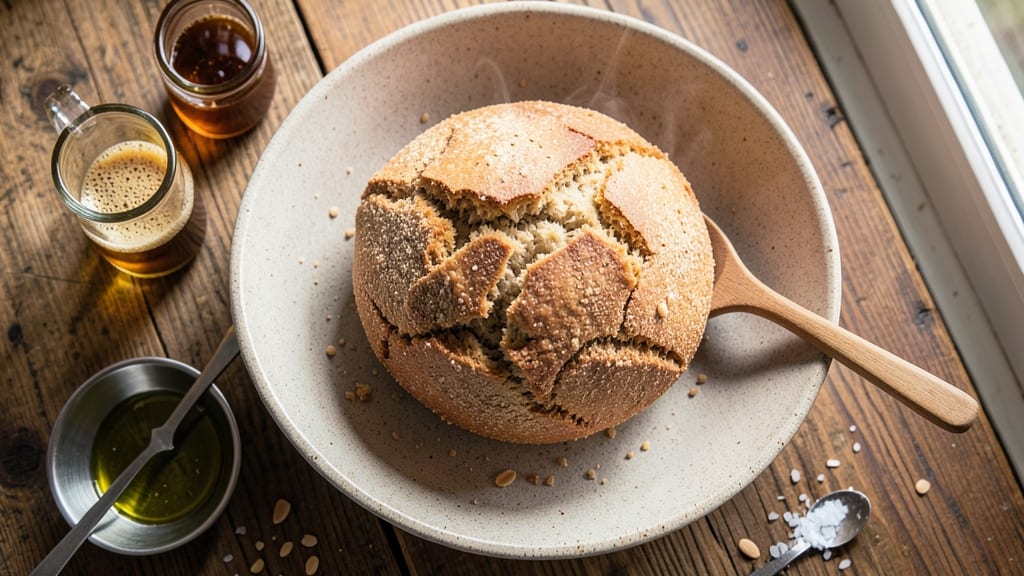
This almond flour yeast bread recipe with no eggs delivers the perfect balance of nutty crust and tender crumb—ideal for those who love gluten-free baking without sacrificing texture.
The secret lies in properly hydrating the almond flour and letting the yeast work its magic slowly, creating a loaf that's light yet sturdy enough to slice beautifully. Unlike dense egg-free breads, this version rises properly thanks to a carefully timed proofing process that develops flavor and structure.
What sets this recipe apart is the lightly sweet crumb achieved through a touch of honey or maple syrup, which also helps bind the dough without relying on eggs.
The almond flour provides a rich, buttery flavor while maintaining moisture, and the yeast activation is key—skipping this step leads to flat, flavorless results. With just 30 minutes of active prep and 1 hour of baking, you'll have a golden, aromatic loaf that toasts like a dream.
The bread's nutty crust develops as it bakes, while the interior remains soft and slightly sweet, making it perfect for sandwiches, toast, or French toast. The recipe avoids common pitfalls like dryness or crumbling by using a combination of warm liquids and proper proofing times.
Whether you're gluten-free, egg-free, or simply craving a lighter bread, this method delivers restaurant-quality results at home.
For best results, let the bread cool completely before slicing—this ensures clean cuts and prevents crumbling. Store wrapped at room temperature for up to 3 days or freeze for longer storage. Pair it with butter, jam, or your favorite fillings for a satisfying meal. Ready to bake?
Ingredients for almond flour bread recipe with yeast no eggs
Nine ingredients transform almond flour into a golden, aromatic loaf with nutty crust and tender crumb—no eggs needed!
| Ingredient | Amount | Notes |
|---|---|---|
| Almond Flour 🌰 | 2 ½ cups | Finely ground, unsweetened |
| Warm Water 💧 | 1 ¼ cups | 110°F for yeast activation |
| Instant Yeast 🍞 | 1 ½ tsp | Active dry works too |
| Maple Syrup 🍯 | ¼ cup | Or honey for sweetness |
| Olive Oil 🫒 | ¼ cup | Extra-virgin preferred |
| Salt 🧂 | 1 ½ tsp | Fine sea salt |
| Psyllium Husk Powder 🌿 | 1 ½ tbsp | Key for structure |
| Apple Cider Vinegar 🍏 | 1 tbsp | For tangy flavor |
| Vanilla Extract 🌸 | 1 tsp | Pure vanilla preferred |
| Baking Powder 🍞 | 1 ½ tsp | Aluminum-free |
| Ground Cinnamon 🌶️ | ½ tsp | Optional for warmth |
| Cornstarch 🌾 | 1 tbsp | For breading crust |
Almond flour is the star here, so Bob's Red Mill or Anthony's Goods are my go-tos for the finest grind. The warm water is crucial—yeast needs to activate properly, and 110°F is perfect. If you're using honey instead of maple syrup, reduce the amount slightly since it's sweeter. The psyllium husk might sound weird, but trust me—it's what keeps this bread from crumbling like most egg-free loaves. For the yeast, FreshPact is my favorite brand, but any instant yeast works. Just make sure it's not expired—yeast loses potency fast.
No maple syrup? Agave or date syrup work in a pinch, but adjust the amount since they vary in sweetness. Running low on apple cider vinegar? White vinegar or lemon juice gives similar tang. The vanilla extract is non-negotiable for that warm, inviting flavor—imitation won't cut it here. If you're avoiding gluten entirely, double-check your psyllium husk and baking powder labels to ensure they're certified gluten-free. The cornstarch on the outside creates that beautiful golden crust, so don't skip it. For extra richness, you can add a tablespoon of melted coconut oil to the dough.
This bread keeps best in an airtight container at room temperature for 3 days, but it's so good it rarely lasts that long. For longer storage, wrap tightly in foil and freeze—it'll keep for up to 3 months. When you're ready to eat, let it sit at room temperature for 10 minutes to revive the crumb. The crust gets even better the next day, so if you can, bake it a day ahead. Slice with a serrated knife for clean cuts—this bread is sturdy but still tender. Leftovers? Toast them for the ultimate crispy texture.
Why You'll Love This Recipe
- No-Mess Mixing: I swear by this recipe because it’s just three bowls—no food processor, no standing over a counter for 10 minutes. The almond flour and olive oil blend like butter (okay, fine, it’s not butter, but it feels like it), and the yeast activates in warm water while I’m still measuring maple syrup. Honestly, my hands stay clean, and that’s a win.
- Maple-Kissed Richness: That splash of maple syrup? It’s not just sweetness—it’s what makes this bread taste like something you’d pay extra for. The almond flour gives it a nutty depth, the yeast lifts it just enough to feel airy, and the olive oil keeps it from being dry. Spread it with almond butter, and you’ve got a breakfast sandwich that’ll fool anyone into thinking you slaved over it.
- Weeknight Workhorse: Between us, this bread is my go-to for lunchboxes, charcuterie boards, or just toast when I’m too tired to think. It holds up for days in the fridge (yes, even with that first slice gone by noon), and I’ve even frozen slices to toast later. The best part? It’s the only bread I bake that doesn’t make my kitchen smell like a bakery for hours.
- Budget-Friendly Luxury: Almond flour isn’t cheap, but this recipe uses just enough to feel special without breaking the bank. The yeast and maple syrup stretch the flavor, so you’re not just eating bread—you’re eating good bread. And since it’s so easy to make, I don’t feel guilty when I double the batch. (Spoiler: I always do.)
Step-by-step instructions for almond flour yeast bread
Here's how to transform simple ingredients into a tender, nutty loaf that's perfect for sandwiches or toast.
Activate the Yeast and Mix Wet Ingredients
In a large mixing bowl, combine the 1.25 cups warm water (about 110°F) with the 1.5 tsp instant yeast. Let it sit for 5 minutes until it becomes frothy—this confirms the yeast is alive and ready to work. If it doesn't bubble, your yeast might be expired, and you'll need to start over.
Once activated, add the 0.25 cup maple syrup, 0.25 cup olive oil, 1 tbsp apple cider vinegar, 1 tsp vanilla extract, and 0.5 tsp ground cinnamon. Whisk everything together until fully incorporated. The mixture should be smooth with a slight sheen from the oil—this helps create a tender crumb. I like to use a fork for this step to avoid overmixing later.
Combine Dry Ingredients and Form the Dough
In a separate bowl, whisk together the 2.5 cups almond flour, 1.5 tsp salt, 1.5 tbsp psyllium husk powder, and 1.5 tsp baking powder. The psyllium husk is what gives this bread its structure—it's the secret to that satisfying chew without needing gluten. Sift the dry ingredients lightly to aerate them before adding to the wet mixture.
Pour the dry ingredients into the wet mixture and stir gently with a wooden spoon until just combined. Avoid overmixing—you're looking for a thick, sticky batter that clumps slightly when you press it. The dough will be very different from traditional bread dough, and that's okay! Sprinkle the 1 tbsp cornstarch over the top and fold it in with a spatula. The cornstarch helps create that beautiful crust later.
Let the Dough Rest and Develop Flavor
Cover the bowl with a damp kitchen towel or plastic wrap and let the dough rest at room temperature for 1 hour. This resting period allows the psyllium husk to fully hydrate and the flavors to meld. You'll notice the dough becomes slightly less sticky as it absorbs the liquid. I like to place the bowl in a warm spot, like near the oven with the light on, to help the yeast work more efficiently.
After 1 hour, give the dough one final gentle stir. It should still look thick and sticky, but it will be more cohesive. This is normal—almond flour dough behaves differently than wheat flour dough. The key here is patience; don't rush this step or your bread might end up dense.
Shape and Bake for a Perfect Loaf
Preheat your oven to 350°F and line a loaf pan with parchment paper, leaving an overhang on the sides for easy removal. Carefully transfer the dough to the prepared pan and spread it evenly, pressing down gently with a wet spatula to remove any air bubbles. The dough will be thick and sticky, but resist the urge to press too hard—you want to maintain some air pockets for a tender crumb.
Bake for 45-50 minutes until the top is golden brown and a toothpick inserted in the center comes out clean. The bread will rise slightly in the oven, and you'll smell that wonderful nutty aroma filling your kitchen. If the top browns too quickly, tent the pan with foil to prevent over-browning while the center finishes baking.
Cool and Enjoy Your Creation
Remove the bread from the oven and let it cool in the pan for 10 minutes. Then transfer it to a wire rack to cool completely. This cooling period is crucial—it allows the bread to set properly and prevents it from becoming gummy. The crust should be firm and slightly crisp, while the interior will have that tender, slightly sweet crumb you're after.
Slice the bread while it's still warm for the best texture, but let it cool completely before storing. This almond flour bread keeps well at room temperature for 3-4 days or can be frozen for up to 3 months. Each slice is perfect for toast, sandwiches, or simply enjoying with butter and jam. The nutty flavor and tender crumb make it a standout in any bread basket!
Pro Tips For Making Almond Flour Bread Recipe With Yeast No Eggs
- STIR THE DOUGH LONG: Almond flour dough is stubborn—mix it for a solid 5 minutes by hand or until it pulls away from the bowl. I used to rush this, and the bread turned out dense. The gluten-free structure needs time to develop, even without wheat.
- WEIGH THE ALMOND FLOUR: Scooping almond flour leads to inconsistent batches. Use a kitchen scale for precision—too much and your bread will be dry; too little and it won’t hold shape. (Yes, even if you’re impatient like me.)
- DON’T OVERPROOF THE DOUGH: Yeast in almond flour wakes up slower than wheat dough. Watch for just 30–45 minutes of rise—until it’s puffy but not collapsed. Overproofing makes it gummy, and you’ll regret it when the crumb falls apart.
- SWAP MAPLE FOR HONEY (IF NEEDED): Maple syrup adds moisture but can make the bread gummy if overused. For a lighter texture, replace half with honey or a splash of warm water—it cuts sweetness while keeping the dough tender. (Your future self will notice.)
Storing and reheating your leftovers
Room Temperature Storage
Wrap your freshly baked almond flour bread tightly in parchment paper or plastic wrap to preserve its moisture and prevent drying. Store it in an airtight container at room temperature for up to 3 days.
The nutty flavors actually deepen as it sits, making day-old slices even more delicious. I like to keep mine in a glass loaf pan with a damp towel underneath to maintain softness. 🌰
Freezer Preservation
For longer storage, slice the bread and wrap each piece individually in plastic wrap, then place them in a freezer bag with all the air squeezed out. This prevents freezer burn and keeps the texture intact for up to 3 months.
When you're ready to eat, thaw at room temperature for 30 minutes—no microwave needed! The bread reheats beautifully and makes perfect toast straight from the freezer. ❄️
Reheating Methods
For the best texture, reheat slices in a toaster or toaster oven for 2-3 minutes until golden and crisp. If using an oven, wrap slices in foil and heat at 300°F for 5-7 minutes to restore moisture without drying them out.
Avoid the microwave—it turns the bread gummy. For extra richness, brush warm slices with melted butter or olive oil before serving. 🔥
Reviving Stale Bread
If your bread feels dry after storage, revive it by placing slices in a paper bag and microwaving for 10-15 seconds. The steam from the bag softens the crumb instantly.
Alternatively, sprinkle a few drops of water on the bread and cover with a damp towel for 5 minutes—this works wonders for restoring chewiness. A quick toast in a cast-iron skillet also brings back the crispy crust. ✨
Crust Maintenance Tips
To keep the crust from becoming tough, store the bread away from direct sunlight and avoid opening the container frequently. If the crust loses its crispness, revive it by broiling for 1-2 minutes at 350°F until golden again.
For extra crunch, brush the cooled crust with melted butter or egg wash before baking—this creates a restaurant-quality finish. 💫
Portioning for Meal Prep
Slice the bread into ½-inch thick pieces before storing to make meal prep easier. Stack slices with parchment paper between each one to prevent sticking. Portion individual servings into ziplock bags for grab-and-go toast or sandwiches.
Label with the date to track freshness—this bread stays fresh longest when stored in small, airtight portions. 📅
Nutrition facts
Frequently asked questions
Why does this almond flour bread need psyllium husk?
Psyllium husk is the secret to binding this egg-free bread without gluten. It absorbs moisture and creates a network that holds the loaf together, preventing crumbling. The 1.5 tablespoons in this recipe mimics the structure wheat flour provides, giving you that satisfying chew and sliceable texture.
Can I substitute honey for maple syrup?
Yes, but reduce the amount to 2 tablespoons since honey is sweeter. The syrup helps activate the yeast and adds moisture to the almond flour. For extra richness, add 1 teaspoon of melted coconut oil to compensate for any dryness.
What if my dough doesn't rise at all?
Check your yeast first—it may be expired if it didn't foam in the 5-minute activation test. Also ensure your water was 110°F (not too hot or cold). Try placing the covered bowl in a warm oven (80°F) for 30 minutes to encourage rising. If it still fails, your almond flour might be too old—replace it with fresh.
How do I make this bread more flavorful?
Boost the flavor by adding 1 teaspoon of cinnamon or ½ teaspoon of cardamom to the dry ingredients. For a richer taste, replace 2 tablespoons of olive oil with melted butter (if not dairy-free). A sprinkle of flaky sea salt on top before baking also enhances the nutty notes.
Is this bread safe for nut allergies?
No—this recipe contains almond flour and is not safe for those with tree nut allergies. For a nut-free alternative, try substituting with sunflower seed flour (though texture will differ). Always check labels on psyllium husk and other ingredients for cross-contamination warnings.