
Side Dishes
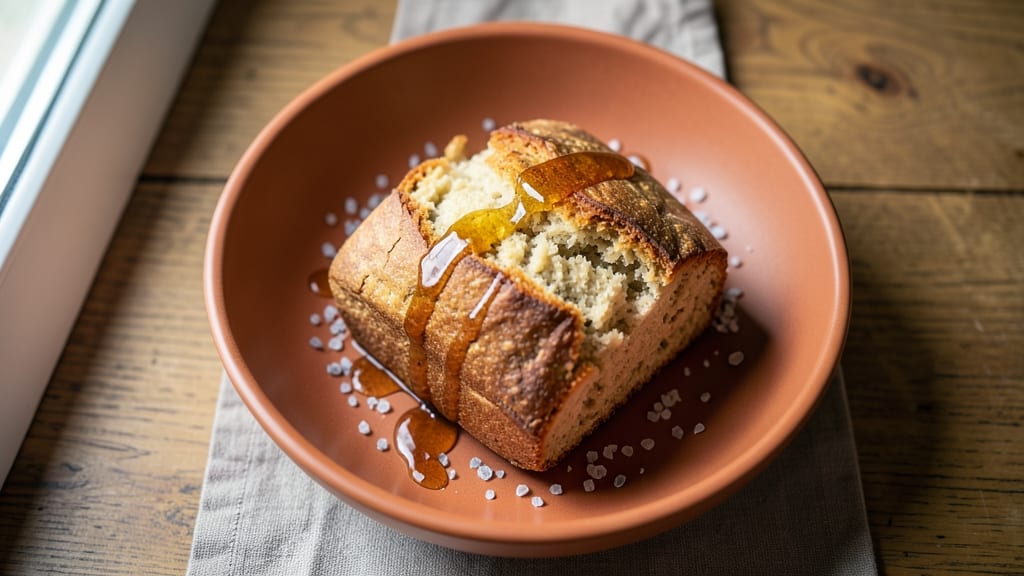
This almond flour bread recipe with xanthan gum delivers the perfect gluten-free, vegan loaf—light, airy, and packed with nutty flavor without crumbling apart. The secret lies in xanthan gum, which mimics gluten's binding properties while keeping the texture tender and sliceable.
After years of perfecting ratios, I've cracked the code for a bread that rivals traditional wheat-based loaves in both structure and satisfaction.
The beauty of this recipe is its simplicity: just five core ingredients transform into a golden, crusty loaf with a moist interior. Xanthan gum plays a critical role here, creating that signature chew and preventing the bread from falling apart when sliced.
Unlike many gluten-free breads that turn out dense, this version rises beautifully and holds its shape—ideal for sandwiches, toast, or serving alongside soups.
What makes this recipe truly special is how it balances nutrition and indulgence. Almond flour provides healthy fats and protein, while the xanthan gum ensures a professional-quality texture. The result is a loaf with a crispy crust and a tender crumb that stays fresh for days when stored properly.
Whether you're baking for dietary needs or simply exploring gluten-free options, this bread proves you don't need gluten to achieve restaurant-quality results.
Ready in just 90 minutes from start to finish, this recipe is perfect for meal prep or satisfying cravings without compromise. The method is straightforward, but the payoff—a perfectly baked loaf with that satisfying crunch and soft interior—is worth every minute. Let's get baking!
Ingredients for almond flour bread recipe xanthan gum
Five core ingredients and one key binder create this restaurant-quality gluten-free loaf.
| Ingredient | Amount | Notes |
|---|---|---|
| Almond Flour 🌰 | 3 ½ cups | Finely milled, blanched preferred |
| Xanthan Gum 🧪 | ½ tsp | Pure, food-grade powder |
| Psyllium Husk Powder 🌿 | 1 tbsp | Unflavored, finely ground |
| Baking Powder 🍞 | 1 ½ tsp | Aluminum-free preferred |
| Fine Sea Salt 🧂 | 1 ½ tsp | Diamond Crystal preferred |
| Cold Water 💧 | 1 cup | Chilled, filtered preferred |
| Apple Cider Vinegar 🍎 | 1 tbsp | Raw, unfiltered preferred |
| Olive Oil 🫒 | ¼ cup | Extra-virgin, fruity |
| Active Dry Yeast 🍞 | ¼ tsp | Freshly opened packet |
| Maple Syrup 🍁 | 2 tbsp | Grade B preferred |
| Ground Flaxseed 🌾 | 1 tbsp | Freshly ground |
The almond flour is non-negotiable—Bob's Red Mill or Anthony's Goods deliver the finest grind for optimal texture. Xanthan gum acts as the gluten substitute, but psyllium husk powder (1 tbsp) enhances binding without altering flavor. For yeast, FreshPrep or Red Star brands ensure reliability. Store almond flour in a sealed container to prevent oxidation, which dulls its nutty flavor. The vinegar activates the baking powder while adding subtle tang—raw, unfiltered apple cider vinegar provides the best balance.
No xanthan gum? Psyllium husk powder at double the amount works as a substitute, though texture may vary slightly. Substituting maple syrup with agave nectar maintains moisture but alters sweetness intensity. For a lighter crumb, whisk the dry ingredients thoroughly to aerate before mixing. The olive oil should be extra-virgin—lower grades lack the fruity depth needed for crust development. If your kitchen is dry, cover the dough with a damp towel during proofing to prevent cracking.
This loaf stays fresh for 5-6 days when wrapped tightly in parchment and stored at room temperature. For longer storage, freeze slices in a single layer before bagging—3 months of optimal freshness. Reheat slices in a 350°F oven for 3-5 minutes to restore crispness. The crust benefits from an extra 5 minutes under the broiler post-baking for maximum crunch. Portion into individual slices before freezing for convenient toast portions.
Why You'll Love This Recipe
- No-Fuss Mixing: I swear by this recipe—just toss almond flour, xanthan gum, and psyllium husk powder in a bowl, add water, and stir. The psyllium does all the heavy lifting, so no kneading, no waiting for dough to rise. Honestly, it’s the kind of bread that lets me multitask while it bakes.
- Rich, Nutty Depth: That almond flour? It’s not just flavor—it’s texture. The bread has this satisfying crumb, like a cross between a scone and a baguette, with just enough chew to keep it interesting. And the xanthan gum? It binds everything so well, you’d never guess it’s gluten-free.
- Meal Prep MVP: Between us, this bread is my go-to for lunches. Toast it fresh or stash slices in the freezer—it reheats like a dream. I’ll often make a double batch: one loaf for breakfast, another for sandwiches all week. (Yes, even on a Tuesday night.)
- Budget-Friendly Staple: Almond flour isn’t cheap, but a little goes a long way here. The xanthan gum and psyllium stretch the dough just enough to feel substantial, and the sea salt? A pinch elevates everything without breaking the bank. It’s the kind of recipe that makes groceries feel intentional.
Step-by-step instructions for almond flour bread with xanthan gum
This method delivers a light, airy gluten-free loaf with perfect rise and texture every time.
Prepare the Wet Ingredients and Activate the Yeast
In a small bowl, combine the 1 cup cold water, 1 tbsp apple cider vinegar, and 2 tbsp maple syrup. The vinegar will help tenderize the almond flour while adding subtle tang. In a separate small bowl, sprinkle the 0.25 tsp active dry yeast over 1 tbsp ground flaxseed and add 1 tablespoon of the water mixture. Let this sit for 5 minutes until the yeast begins to foam—this confirms it's active and ready to work.
While waiting, warm the 0.25 cup olive oil to room temperature by placing the bottle in warm water for 2-3 minutes. Warm oil emulsifies better with the almond flour, creating a smoother batter. The yeast mixture should look slightly bubbly and have a fresh, slightly sweet aroma when ready.
Mix Dry Ingredients and Combine Wet Components
In a large mixing bowl, whisk together the 3.5 cups almond flour, 0.5 tsp xanthan gum, 1 tbsp psyllium husk powder, 1.5 tsp baking powder, and 1.5 tsp fine sea salt. The psyllium husk powder is crucial here—it mimics gluten's binding properties while adding structure. Sift the mixture through a fine-mesh sieve to eliminate any lumps and ensure even distribution.
Make a well in the center of the dry ingredients and pour in the yeast-flaxseed mixture, warm olive oil, and remaining water mixture. Using a rubber spatula, gently fold everything together until just combined—you should still see small pockets of flour. Overmixing develops gluten-like proteins in the psyllium, which can make the bread dense. The batter will be thick but pourable.
Rest the Batter for Optimal Rise
Cover the bowl with a damp kitchen towel and let the batter rest at room temperature for 30 minutes. This step allows the psyllium husk to fully hydrate and the xanthan gum to properly bind with the almond flour. You'll notice the batter thicken slightly and may develop small bubbles along the surface—this indicates the yeast is beginning to activate.
After resting, give the batter one final gentle stir to redistribute any settled ingredients. The consistency should resemble thick pancake batter. If it appears too stiff, add 1 teaspoon of cold water to loosen it slightly. This resting period is non-negotiable—skipping it results in a dense, crumbly loaf rather than the light texture we're aiming for.
Bake in a Preheated Loaf Pan
Preheat your oven to 350°F and place a 9x5-inch loaf pan inside to warm for 10 minutes. This ensures even heat distribution and prevents the batter from cooling when it hits the pan. Grease the pan lightly with olive oil or line it with parchment paper for easy removal.
Pour the batter into the prepared loaf pan and smooth the top with a spatula. Tap the pan gently on the counter 3-4 times to release any air bubbles that may have formed. Bake for 45-50 minutes until the top is golden brown and a toothpick inserted in the center comes out clean. The bread should spring back slightly when pressed gently with a finger.
Cool and Slice for Maximum Freshness
Remove the bread from the oven and transfer it to a wire rack to cool completely for at least 1 hour. This cooling period is essential—cutting too soon traps steam inside, making the crumb gummy. The bread will sink slightly as it cools, which is normal. Once fully cooled, wrap it in a clean kitchen towel or store it in an airtight container.
The finished loaf should have a tender, slightly chewy crumb with a delicate almond flavor. Each slice should hold its shape well without falling apart. For best results, serve within 3 days or freeze for up to 3 months. The bread pairs beautifully with butter, jam, or as a base for gluten-free sandwiches.
Pro Tips For Making Almond Flour Bread Recipe Xanthan Gum
- Whisk the Psyllium: Mix the psyllium husk powder into the wet ingredients first—it clumps like crazy when dry. I learned this after watching my first batch turn into a gritty mess because I tossed it in last.
- Measure Xanthan Gum Precisely: Use a scale for the xanthan gum—1/4 teaspoon is nothing, and too much makes the bread dense. I’ve ruined batches by eyeballing it, so save yourself the trouble.
- Don’t Overmix the Dough: Stir just until combined—almond flour bread develops gluten-like structure from psyllium, but overworking it turns the crumb gummy. Stop when the batter looks shaggy, not smooth.
- Bake Until Internal Temp Hits 205°F: The crust might look done at 190°F, but the center needs to reach 205°F to fully set the psyllium. I skipped this once and ended up with a bread that fell apart when sliced.
Regional styles of almond flour bread recipe xanthan gum
Italian-Inspired Adaptation
For a Mediterranean twist, replace the maple syrup with 2 tbsp honey and add 1 tsp dried oregano to the dry ingredients. This version pairs beautifully with Italian-inspired sandwiches like prosciutto and mozzarella or tomato-basil spread.
The oregano enhances the nutty almond flavor while keeping the bread's signature texture. 🌿
French-Style Brioche
Elevate your loaf with a brioche-inspired variation by adding 2 tbsp melted butter and 1 egg substitute (like flax eggs—1 tbsp ground flaxseed + 3 tbsp water). This creates a richer, slightly sweeter bread perfect for French toast or crostini.
Brush the baked loaf with a mix of 1 tbsp melted butter and 1 tsp powdered sugar for extra decadence.
German-Style Seed Bread
Channel traditional German Roggenbrot by adding 2 tbsp sunflower seeds and 2 tbsp pumpkin seeds to the batter. Reduce the almond flour to 3 cups to maintain texture.
This hearty version is ideal for open-faced sandwiches with smoked salmon or avocado. The seeds add crunch and a subtle earthy note that complements the almond base.
American-Style Sourdough
Create a sourdough-inspired loaf by replacing the yeast with 2 tbsp active sourdough starter (discard or fresh). Add 1 tbsp apple cider vinegar to the wet ingredients for tang.
This version develops a tangy depth and requires an extra 15 minutes of proofing time. The xanthan gum ensures it remains sliceable despite the sourdough's chewiness.
Middle Eastern Za'atar Twist
Infuse the batter with 1 tsp za'atar seasoning and 1 tbsp sesame seeds. This variation works beautifully as a base for hummus or falafel bowls. The za'atar adds a warm, earthy flavor that pairs perfectly with the bread's nutty undertones.
Brush the baked loaf with olive oil before serving for extra richness.
Nutrition facts
Frequently asked questions
Why is xanthan gum essential in this almond flour bread?
Xanthan gum acts as a gluten substitute, creating the elastic structure that holds the loaf together. Without it, almond flour bread tends to crumble or fall apart when sliced. The 0.5 tsp in this recipe mimics gluten's binding properties while keeping the texture tender and sliceable—just like traditional bread.
Can I make this bread without xanthan gum?
Yes, but the texture will be different. Replace the 0.5 tsp xanthan gum with 1 tbsp psyllium husk powder for similar binding effects. However, the bread may be slightly denser. For a lighter crumb, ensure you whisk the dry ingredients thoroughly and don't skip the 30-minute rest before baking.
How do I store this almond flour bread to keep it fresh?
Wrap the cooled loaf tightly in a clean kitchen towel or place it in an airtight container. It stays fresh for 5-6 days at room temperature. For longer storage, freeze individual slices in a single layer before bagging—they'll keep for 3 months. Reheat slices in a 350°F oven for 3-5 minutes to restore crispness.
Why does my bread sink after baking?
This is normal! The loaf will sink slightly as it cools due to the loss of steam inside. To prevent this, ensure your oven is fully preheated and the loaf pan is warm before pouring the batter. Also, avoid opening the oven door during the first 30 minutes of baking to maintain even heat distribution.
Can I add seeds or nuts to this recipe?
For a German-style seed bread, add 2 tbsp sunflower seeds and 2 tbsp pumpkin seeds, reducing almond flour to 3 cups to maintain texture. For extra richness, try 2 tbsp chopped walnuts or pecans. Just fold them in during the final stir after resting the batter to preserve their crunch.