
Desserts
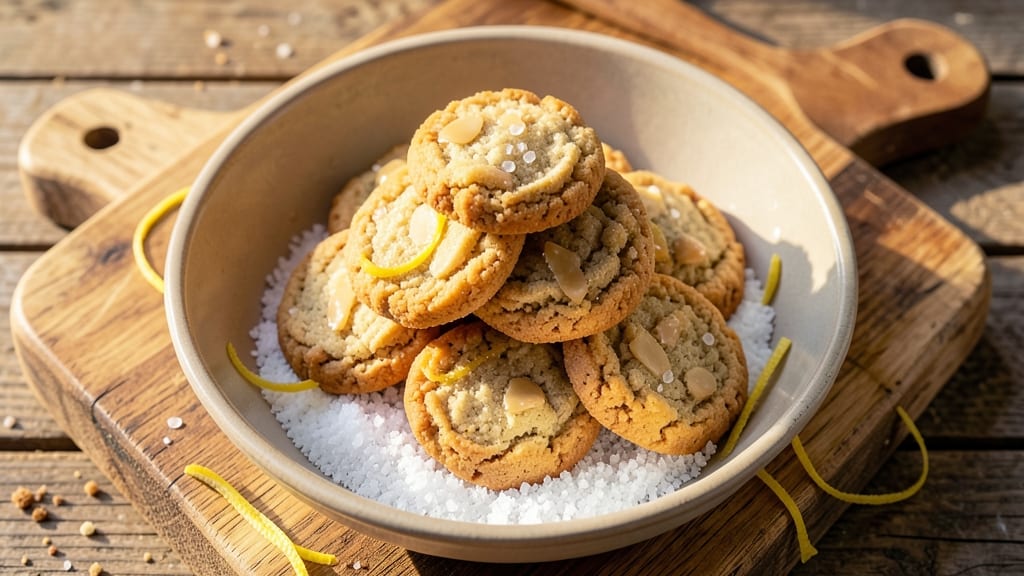
This almond flour keto shortbread cookies recipe delivers the buttery crunch you crave without the carbs—perfect for satisfying sweet cravings while staying on track. The secret lies in almond flour's natural richness, which replaces traditional flour while keeping cookies tender yet sturdy.
I’ve perfected this recipe over years of baking, ensuring every batch turns out golden, crisp-edged, and irresistibly flavorful.
What makes these cookies truly special is their foolproof texture: chilling the dough prevents spreading, while baking at the right temperature guarantees a delicate crunch. With just 5 simple ingredients, you’ll achieve a treat that’s both keto-friendly and restaurant-quality.
The result? A cookie that’s crisp around the edges, soft in the center, and packed with buttery, nutty flavor—without a single gram of guilt.
These cookies are ideal for holiday gifting, meal prep, or a quick afternoon pick-me-up. They’re naturally sweetened with erythritol or monk fruit, so you can enjoy them without worrying about blood sugar spikes.
The almond flour not only keeps them low-carb but also adds a satisfying richness that traditional shortbread can’t match.
Ready to bake? The process is straightforward, and the results are worth every minute. Whether you’re new to keto baking or a seasoned pro, this recipe delivers the perfect balance of simplicity and indulgence. Let’s get started!
Ingredients for almond flour keto shortbread cookies
Five ingredients plus two optional boosters—almond flour’s magic makes these keto cookies crisp, buttery, and guilt-free.
| Ingredient | Amount | Notes |
|---|---|---|
| Almond Flour 🌰 | 2 cups | Finely ground, unsweetened preferred |
| Unsalted Butter 🧈 | ½ cup | Cold, cubed for texture |
| Erythritol or Monk Fruit Sweetener 🍯 | ¼ cup | Granulated, measure precisely |
| Vanilla Extract 🌸 | 1 tsp | Pure, high-quality preferred |
| Diamond Crystal Kosher Salt 🧂 | ½ tsp | Fine grain for even distribution |
| Xanthan Gum 🧪 | ½ tsp | Essential for binding (optional) |
| Lemon Zest 🍋 | 1 tsp | Freshly grated for brightness |
| Heavy Cream 🥛 | 2 tbsp | Cold, for dough cohesion |
Almond flour is the star here—Bob’s Red Mill or Anthony’s Goods are my go-tos for consistent texture. The finer the grind, the smoother your cookies. If you’re using pre-ground flour, pulse it in a food processor for 10 seconds to break up any clumps. Cold butter is non-negotiable: it prevents spreading and ensures that signature shortbread crunch. For the sweetener, erythritol gives a cleaner taste, while monk fruit blends more smoothly into the dough. Both are available at Trader Joe’s or Thrive Market if you’re not near a specialty store.
No xanthan gum? Skip it—these cookies still hold together, though they’ll be slightly crumbly. Vanilla extract can be swapped for vanilla bean paste (use half the amount) if you’re feeling fancy. Short on heavy cream? Melted coconut oil works in a pinch, though the texture will be slightly denser. The lemon zest adds a subtle brightness that balances the richness—zest only, no pith. If you’re sensitive to citrus, reduce to ½ tsp or omit entirely. For extra indulgence, fold in chopped toasted almonds or dark chocolate chips (85% cocoa or higher) after chilling the dough.
The dough must chill for at least 2 hours—this prevents spreading and develops flavor. Store it in an airtight container between layers of parchment paper for up to 5 days. Baked cookies keep their crisp edges for 3 days in a sealed container at room temperature, or freeze for 3 months for freshness. For gifting, package in cellophane bags with ribbon—they’re sturdy enough to handle shipping. Reheat at 300°F for 2-3 minutes to restore crispness if they soften.
Why You'll Love This Recipe
- Four-Ingredient Magic: I swear, you only need butter, almond flour, a pinch of salt, and vanilla to make these. No eggs, no weird binders—just mix, press, chill, and bake. It’s the kind of recipe that makes you feel like a genius for how little effort it takes.
- Buttery Vanilla Bliss: That crispy edge with the melt-in-your-mouth center? Chef’s kiss. The vanilla extract (don’t skimp—use the good stuff) makes every bite taste like a hug, while the almond flour keeps it rich without the wheat-guilt. Honestly, I’ve never missed regular shortbread this much.
- Party in a Jar: Between us, these are my go-to for holiday gifts, coffee dates, or when I need to impress someone who definitely doesn’t do keto. They travel well, stay fresh for days in an airtight container, and—here’s the kicker—no one will guess they’re sugar-free. (Yes, even the cookie skeptics.)
- Zero-Waste Winner: I make a double batch, freeze half, and pull them out whenever I’m craving something sweet. The butter stays solid in the fridge, the almond flour lasts forever, and the sweetener won’t spoil. It’s the kind of recipe that pays for itself—literally, because I’m always snacking on the leftovers.
Step-by-step instructions for almond flour keto shortbread cookies
These buttery, crunchy cookies come together with minimal effort but maximum flavor—perfect for keto diets.
Mix Dry Ingredients for Perfect Texture
In a medium bowl, whisk together the 2 cups almond flour, 0.25 cup erythritol or monk fruit sweetener, 0.5 tsp Diamond Crystal kosher salt, 0.5 tsp xanthan gum, and 1 tsp lemon zest. The xanthan gum is what binds these cookies together, so don't skip it—it mimics gluten's structure without the carbs. Sift the mixture lightly to break up any lumps, ensuring even distribution of the sweetener and salt throughout the almond flour.
I like to press the lemon zest between my fingers first to remove any bitter white pith—just the vibrant yellow zest adds brightness without overpowering. Save the zest for later if you have extra; it keeps well in the freezer for up to 3 months. This dry mix is your foundation, so take your time here to avoid gritty cookies later.
Cut in Cold Butter for Maximum Flakiness
Add the 0.5 cup cold, cubed unsalted butter to the dry mixture and use a pastry cutter, fork, or your fingers to work it in until the mixture resembles coarse crumbs with pea-sized butter pieces remaining. The butter should stay cold—this prevents the cookies from spreading too much in the oven. If your kitchen is warm, chill the dough for 10 minutes before proceeding.
Here's the thing—cold butter creates those beautiful flaky layers. When it melts in the oven, the steam pockets create lift, resulting in that signature shortbread texture. If the mixture feels too dry, add 1 tablespoon of cold heavy cream at a time until it just comes together. You want it to hold when pressed, but not be sticky.
Incorporate Wet Ingredients for Cohesion
Add the 2 tbsp cold heavy cream and 1 tsp vanilla extract to the mixture. Using a wooden spoon or silicone spatula, gently fold everything together until just combined. The dough will be thick and crumbly—this is normal. Avoid overmixing, as it can develop gluten-like properties in the almond flour, making the cookies tough instead of tender.
Here's where it gets fun—press the dough together firmly to form a cohesive mass. If it still feels too dry, add another ½ tablespoon of heavy cream. The dough should hold when pressed but not be sticky to the touch. Divide it into 4 equal portions (about ¼ cup each) and flatten each into a ½-inch thick disk. Wrap each in plastic wrap and refrigerate for at least 1 hour—this chilling step is non-negotiable for clean edges and proper texture.
Preheat and Shape for Perfect Cookies
Preheat your oven to 350°F and line two baking sheets with parchment paper. Remove the dough from the refrigerator and let it sit at room temperature for 5 minutes to soften slightly. Roll each disk between your palms to even out the thickness, then press it onto a piece of parchment paper. Using a 3-inch round cutter (or a glass), cut out circles and transfer them to the prepared baking sheets, spacing them 1 inch apart. Gather the scraps, re-roll, and cut more cookies.
This is the moment that matters: the dough should hold its shape when cut but still be firm enough to maintain those clean edges. If it's too soft, return it to the refrigerator for 10-15 minutes before reshaping. The cookies will spread slightly in the oven, so don't worry if they look a bit uneven at this stage.
Bake Until Golden and Fragrant
Bake the cookies for 12-14 minutes, rotating the baking sheets halfway through, until the edges are golden brown and the centers look just slightly underdone. The kitchen should fill with a buttery, nutty aroma—this is your signal that they're ready. For even baking, I like to use the middle rack of the oven where heat is most consistent.
Let the cookies cool on the baking sheets for 5 minutes before transferring them to a wire rack to cool completely. The edges will firm up as they cool, but the centers should remain tender. If you can't resist, enjoy them warm—they're even more delicious straight from the oven. Store in an airtight container at room temperature for up to 5 days, or freeze for up to 3 months for freshly baked cookies anytime.
Pro Tips For Making Almond Flour Keto Shortbread Cookies
- Chill the Dough: Almond flour dough is fussy—it cracks and spreads when warm. Press the dough into a single disc, wrap it in plastic, and refrigerate for at least 30 minutes (or up to 24 hours). This isn’t just about convenience; it’s the only way to guarantee clean edges and that perfect shortbread crumb.
- Pulse the Flour: Don’t just eyeball the almond flour—pulse it in a food processor for 10-15 seconds before mixing. This breaks up any clumps and ensures even distribution of fat and sweetener, so your cookies don’t turn out sandy or dense. (Yes, even if you’re tempted to skip it.)
- Use Cold Butter: Let the unsalted butter sit in the fridge until it’s just firm to the touch, then cut it into cubes. Cold butter creates flaky layers, while warm butter makes cookies spread like pancakes. I learned this the hard way—my first batch looked like sad, flat discs.
- Sweeten Gently: Erythritol or monk fruit can clump like a nightmare. Sift it with the almond flour, or better yet, whisk it into the butter first so it dissolves evenly. Uneven sweetness = cookies that taste like sugar on one bite and nothing on the next. (And no, you can’t fix it later.)
Creative variations of these flavors
Citrus Twist
Swap the lemon zest for 1 tsp orange zest or a mix of both for a brighter, slightly sweeter flavor profile. I find Blood Orange zest adds a unique depth—its berry notes complement the buttery richness beautifully.
For extra zing, add 1 tsp fresh orange juice to the dough along with the vanilla. This variation works especially well during holiday seasons when citrus is abundant. 🍊
Spiced Chai Version
Infuse the dough with warm spices by adding ½ tsp ground cinnamon, ¼ tsp cardamom, and ¼ tsp ginger to the dry ingredients. For a festive touch, fold in ½ tsp toasted cinnamon after baking.
This spiced variation pairs perfectly with chai tea or dark chocolate-dipped for a cozy treat. The spices enhance the buttery flavor while keeping it keto-friendly. 🌿
Nutty Crunch Add-Ins
For extra texture, fold in ¼ cup chopped toasted pecans or walnuts after chilling the dough. I like to toast the nuts in the oven at 350°F for 8-10 minutes until fragrant before mixing them in.
For a sweeter crunch, add ¼ cup sugar-free dark chocolate chunks (like Lily’s or ChocZero). These add-ins elevate the cookie’s texture while keeping it low-carb. 🌰
Coconut Macadamia Fusion
Replace half the almond flour with 1 cup finely ground macadamia nuts for a richer, creamier cookie. Add 1 tbsp unsweetened shredded coconut for a tropical twist. Macadamia flour has a higher fat content, which makes the cookies even more decadent.
This variation is ideal for those who love nutty, buttery flavors with a hint of coconut sweetness. 🥥
Herbal Infusion
For a sophisticated twist, add 1 tsp dried lavender or ½ tsp dried rose petals to the dry ingredients. These herbs add a delicate floral note that pairs surprisingly well with the buttery almond flavor.
Use culinary-grade lavender (like Frontier Co-op) to avoid any bitter aftertaste. This variation is perfect for gifting or special occasions. 🌸
Nutrition facts
Frequently asked questions
Why do these cookies need to chill for so long?
Chilling the dough for at least 2 hours is crucial for two reasons: it prevents spreading during baking and develops the flavor. The cold butter stays solid longer, creating those beautiful crisp edges. Without chilling, your cookies will turn out flat and cakey instead of the perfect shortbread texture you want!
Can I make these cookies without xanthan gum?
Yes, but they'll be slightly crumbly. Xanthan gum mimics gluten's binding properties, so skipping it means your cookies might fall apart more easily. If you're avoiding it, try adding 1 extra tablespoon of heavy cream to help with cohesion. The texture will still be delicious—just a bit more delicate!
How do I store these cookies to keep them crispy?
Store them in an airtight container at room temperature for up to 5 days. For longer storage, freeze them for 3 months. To restore crispness, pop them in a 300°F oven for 2-3 minutes before serving. The key is keeping them in a sealed container to prevent moisture from making them soft.
What's the best way to cut these cookies evenly?
Use a 3-inch round cutter (or a glass) for perfect circles. Press firmly but don't force it—if the dough resists, it needs more chilling. For irregular shapes, use a knife to cut wedges. The dough should hold its shape when cut, giving you clean edges that bake beautifully.
Can I use almond butter instead of almond flour?
No, almond butter won't work as a direct substitute because it's much wetter and changes the texture completely. Almond flour provides the dry base needed for proper crumb structure. If you're out of almond flour, you could try 1 cup finely ground blanched almonds instead, but pulse them in a food processor first for consistency.