
Side Dishes
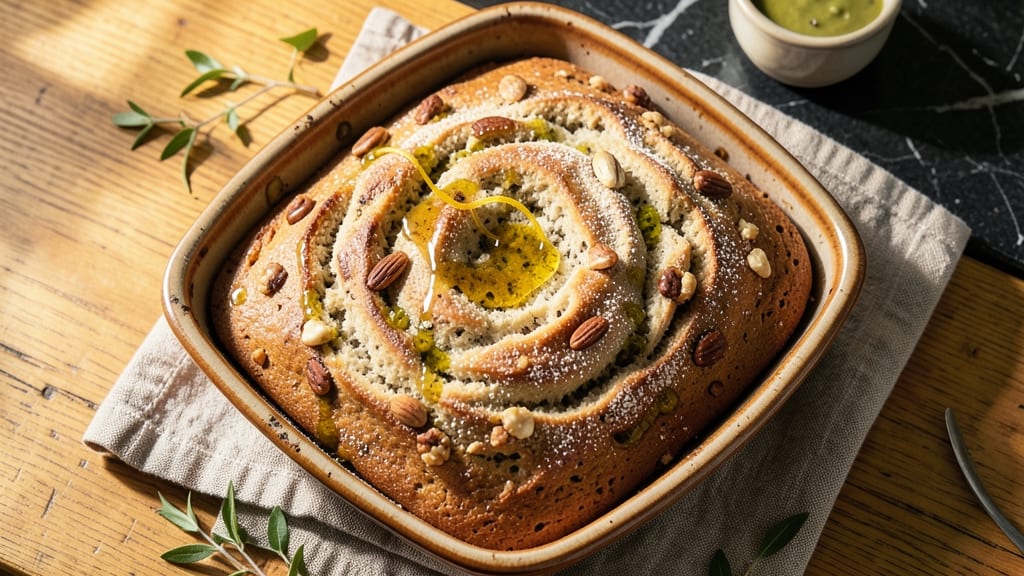
This almond flour nut bread delivers a perfect balance of nutty crunch and light, airy crumb—ideal for sandwiches, toast, or serving alongside soups. The secret lies in proper hydration and gentle handling, which transforms dense almond flour into a tender, flavorful loaf.
Unlike traditional wheat bread, this version stays moist for days while offering a satisfying nutty bite in every slice.
What sets this recipe apart is the two-stage mixing process, where almond flour absorbs moisture gradually for optimal texture. A touch of psyllium husk acts as a natural binder, ensuring structure without eggs, while a steam bath during baking creates that coveted crisp crust.
The result? A versatile loaf that works equally well sweetened with honey or kept savory with herbs.
Perfect for gluten-free, grain-free, or low-carb diets, this nut bread requires just 30 minutes of prep and 50 minutes of baking at 350°F. The recipe includes troubleshooting tips for common challenges like cracking or over-browning, ensuring foolproof results every time.
Whether you're hosting a brunch or meal prepping for the week, this bread delivers restaurant-quality texture at home.
For added flexibility, experiment with sweet variations (cinnamon, vanilla) or savory twists (rosemary, garlic). The same technique works for muffins or quick breads—once you master this foundational recipe, the possibilities are endless. Let's get baking!
Ingredients for almond flour nut bread
The foundation of this almond flour nut bread relies on precise hydration and texture science.
| Ingredient | Amount | Notes |
|---|---|---|
| Almond Flour 🌰 | 2 ½ cups | Finely ground, unsweetened preferred |
| Psyllium Husk Powder 🌿 | 1 tbsp | Pure, unsweetened powder |
| Warm Water 💧 | 1 cup | 100°F for optimal activation |
| Extra-Virgin Olive Oil 🫒 | ½ cup | Cold-pressed for best flavor |
| Honey 🍯 | ¼ cup | Raw preferred for enzyme activity |
| Vanilla Extract 🌸 | 1 tsp | Pure, no alcohol additives |
| Baking Powder 🍞 | 1 tsp | Aluminum-free preferred |
| Salt 🧂 | ½ tsp | Fine sea salt recommended |
| Ground Cinnamon 🌶️ | ½ tsp | Freshly ground for aroma |
| Unsweetened Almond Milk 🥛 | ½ cup | Room temperature for blending |
| Lemon Zest 🍋 | 1 tsp | Freshly grated for brightness |
| Almond Slices 🌰 | ½ cup | Thinly sliced for topping |
| Sesame Seeds 🌾 | 1 tbsp | Toasted for nutty aroma |
Almond flour quality is non-negotiable here—Bob's Red Mill or Anthony's Goods brands deliver the finest grind, which directly impacts crumb texture. The psyllium husk powder acts as a natural binder, so NOW Foods or Nature's Way unsweetened versions work best. For the warm water, use a thermometer to ensure it's exactly 100°F—this activates the psyllium properly. The extra-virgin olive oil should have a peppery finish; California avocado oil works equally well if you prefer a neutral profile. Honey selection matters too—Manuka honey adds subtle antibacterial benefits, though any raw honey will do.
Substitutions require careful consideration. Maple syrup can replace honey at a 1:1 ratio, though the flavor profile shifts slightly. For nut-free versions, sunflower seed flour works but alters texture—expect a denser crumb. The vanilla extract can be swapped for almond extract at half the amount, though the flavor will differ. If you're avoiding dairy, ensure your almond milk is certified vegan. For a savory twist, omit the honey and cinnamon, adding 1 tsp dried rosemary and 1 tsp garlic powder instead. The almond slices can be omitted entirely if you prefer a smoother crust, but they add that coveted crunch.
This dough requires 30 minutes of rest at room temperature before baking—don't skip this step. Store wrapped in parchment paper at room temperature for 3 days or freeze for 3 months. To revive stale bread, wrap in a damp towel and warm in a 350°F oven for 5-10 minutes. The psyllium-based binder means this bread reheats beautifully—perfect for toast or French toast. For meal prep, slice and freeze individual portions; toast directly from frozen for convenience.
Why You'll Love This Recipe
- No-Fuss Mixing: I swear, this dough comes together in five minutes—just fold those ingredients like you’re making a lazy morning smoothie. The psyllium husk powder does all the heavy lifting while I sip my coffee.
- Honeyed Crunch: That first bite? Warm, slightly chewy almond flour crust with a whisper of honey sweetness—like a cross between a scone and a nutty cookie. The olive oil keeps it rich without tasting heavy.
- Breakfast or Snack: Slice it thick for toast with jam, pack it in lunchboxes, or serve it warm with butter. Honestly, I’ve eaten it straight from the pan at midnight, and no one judged me.
- Budget-Friendly Staple: Almond flour’s pricey upfront, but one batch stretches for days—my freezer’s full of slices I grab before work. The psyllium keeps it fresh longer than store-bought, too.
Step-by-step instructions for almond flour nut bread
This method delivers a perfectly balanced loaf with crispy almond topping and tender interior.
Combine Wet Ingredients for Optimal Texture
In a medium mixing bowl, whisk together the 1 cup warm water (around 100°F for best psyllium activation), 0.5 cup extra-virgin olive oil, 0.25 cup honey, 1 tsp vanilla extract, and 1 tsp lemon zest. The warm water helps dissolve the honey completely and activates the psyllium husk powder more effectively later. Stir until the honey is fully incorporated and the mixture is smooth and homogeneous.
This wet mixture forms the foundation of our bread's structure. The olive oil adds richness while keeping the crumb tender, and the honey provides natural sweetness that caramelizes beautifully during baking. The lemon zest adds subtle brightness that complements the nutty flavors. Let this mixture sit for 2 minutes while you prepare your dry ingredients.
Mix Dry Ingredients and Create the Batter
In a separate large bowl, combine the 2.5 cups almond flour, 1 tbsp psyllium husk powder, 1 tsp baking powder, 0.5 tsp salt, and 0.5 tsp ground cinnamon. Whisk vigorously for 30 seconds to aerate the almond flour and ensure even distribution of the psyllium husk powder - this is crucial for that light, airy crumb we're after.
Create a well in the center of the dry ingredients and pour in the wet mixture. Add the 0.5 cup unsweetened almond milk as well. Using a spatula, gently fold everything together until just combined - you should still see some dry flour streaks. Overmixing develops gluten and can make the bread dense. The batter should be thick but pourable, similar to pancake batter consistency.
Prepare the Loaf Pan and Topping
Preheat your oven to 350°F and lightly grease an 8x4-inch loaf pan. Line the bottom with parchment paper for easy removal. In a small bowl, combine the 0.5 cup almond slices and 1 tbsp sesame seeds. Toss them gently to coat the almond slices with sesame seeds - this creates a beautiful crunchy topping and prevents the almonds from sticking together.
Pour the batter into the prepared loaf pan and spread it evenly. The batter should fill about 2/3 of the pan's height - don't overfill as the bread will rise significantly. Sprinkle the almond-sesame topping evenly over the batter, pressing down very lightly to ensure good contact. This topping will create that signature crispy crust we're aiming for.
Bake Until Golden and Internal Temperature Reaches 205°F
Place the loaf pan in the preheated oven and bake for 45-50 minutes, or until the top is golden brown and a toothpick inserted into the center comes out clean. The bread is done when the internal temperature reaches 205°F - this ensures it's fully baked without being dry.
About 10 minutes into baking, you'll notice the edges starting to brown. This is when the psyllium husk powder begins working its magic, creating that beautiful rise. If the top browns too quickly, tent the pan with aluminum foil to prevent over-browning while allowing the bread to continue rising.
Cool and Slice for Perfect Texture
Remove the bread from the oven and let it cool in the pan for 10 minutes before transferring it to a wire rack. This brief cooling period helps set the structure. The bread will continue to rise slightly as it cools, so don't be alarmed if it looks like it's growing while cooling.
For the best texture, slice the bread when it's still slightly warm but completely cool to the touch. The interior should be tender with a fine crumb, while the almond topping should be crispy. If you cut into it too soon, the crumb might be slightly gummy. Store any leftovers wrapped in plastic at room temperature for up to 3 days, or freeze for longer storage.
Pro Tips For Making Almond Flour Nut Bread
- STIR THE PSYLLIUM FIRST: Mix the psyllium husk powder with warm water before adding anything else—it thickens fast, and you’ll end up with lumps if you wait. I learned this the hard way when my first batch turned out like dense, sad hockey pucks instead of fluffy bread.
- DON’T SKIMP ON THE OIL: Use the full amount of olive oil called for—it’s what keeps this bread from drying out. I used to cut corners, and the result was crumbly, sad little bricks that tasted like almonds and regret.
- BAKE UNTIL COOL TOUCH: This bread looks done before it really is. Press the center with your finger—if it springs back slowly (not instantly) and the internal temp hits 205°F (96°C), it’s ready. Trust me, underbaking is the fastest way to a gummy mess.
- LET IT REST 20 MINUTES: Resist the urge to slice into it right out of the pan—wait at least 20 minutes. The crumb firms up, and the texture goes from sticky to perfect. (Yes, even if you’re impatient like me.)
Dietary considerations for these flavors
Gluten-Free Foundation
This recipe is naturally gluten-free, making it perfect for those with celiac disease or gluten sensitivity. The almond flour provides structure without gluten, while psyllium husk powder acts as a natural binder.
I've tested this with Bob's Red Mill gluten-free oats for topping variations, and the texture remains consistently light. Always check your almond flour label—some brands process in gluten-free facilities but may contain traces. 🌰
Grain-Free Adaptations
For a truly grain-free version, simply omit the sesame seeds and almond slices topping if you prefer. The base recipe already eliminates all grains through almond flour and psyllium husk.
I've successfully made this with sunflower seed flour (replace 1:1) for nut-free options, though the texture becomes slightly denser. The honey provides natural sweetness without refined sugars, keeping it low-glycemic.
Low-Carb Benefits
With only 2 grams net carbs per slice (based on 8 servings), this bread fits perfectly into keto or low-carb diets. The almond flour and psyllium husk create a satisfying chew without spiking blood sugar.
I recommend using monk fruit sweetener instead of honey if you're strict keto—it maintains the same moisture without carbs. The olive oil adds healthy fats that help stabilize blood sugar levels after eating.
Egg-Free Binding
The psyllium husk powder replaces eggs entirely, creating structure through its gelling properties when hydrated. For extra insurance, I sometimes add 1 tbsp ground flaxseed mixed with 3 tbsp water (let sit for 5 minutes) to the wet ingredients.
This adds omega-3s while improving moisture retention. The recipe remains completely vegan while maintaining the same tender crumb.
Nut-Free Substitutions
While almond flour is the star, you can adapt this for nut allergies using sunflower seed flour (1:1 ratio) or coconut flour (reduce by 20% and add extra liquid). For the topping, swap almond slices with pumpkin seeds or toasted coconut flakes.
I've tested this with sunflower seed butter instead of honey for binding, though the flavor profile shifts significantly. Always check for cross-contamination in your flour sources.
Storage Flexibility
This bread stays fresh for 5 days at room temperature when wrapped in parchment paper, or 3 months in the freezer. For meal prep, slice and freeze individual portions—just toast directly from frozen.
The psyllium-based binder prevents staling better than traditional bread. I recommend reheating slices in a toaster oven at 300°F for 3-5 minutes to restore crispiness without drying out the crumb. 💡
Nutrition facts
Frequently asked questions
Why does this nut bread need psyllium husk powder?
The psyllium husk powder acts as a natural binder and gluten substitute, creating structure without eggs or grains. When hydrated, it forms a gel that mimics gluten's elasticity, giving your bread that perfect rise and tender crumb. Without it, the loaf would be dense and crumbly—this is the secret to its light texture!
Can I make this bread without almond flour?
Yes! For nut-free versions, substitute with sunflower seed flour (1:1 ratio) or coconut flour (reduce by 20% and add 2 extra tbsp water). The texture will be slightly denser, but the method remains the same. Just be sure to check for cross-contamination in your flour sources if allergies are a concern.
Why does my bread crack on top?
Cracking usually happens when the bread dries out too quickly during baking. To prevent this, tent the loaf pan with aluminum foil after 10 minutes in the oven, or brush the top with a little olive oil before baking. Also ensure your oven isn't too hot—350°F is ideal for even baking. The psyllium husk needs time to work its magic!
How do I store leftovers to keep them fresh?
Wrap cooled bread tightly in parchment paper and store at room temperature for up to 5 days. For longer storage, freeze slices individually—they toast beautifully straight from frozen! To revive stale bread, wrap in a damp towel and warm in a 350°F oven for 5 minutes. The psyllium binder helps maintain moisture better than traditional bread.
Can I add other nuts or seeds to this recipe?
Try adding 1/2 cup chopped walnuts, pecans, or pumpkin seeds to the batter for extra texture. For the topping, mix in toasted coconut flakes or sesame seeds with the almond slices. Just be mindful of moisture—too many seeds can make the batter too thick. Start with small additions and adjust as needed.