
Breakfast & Brunch
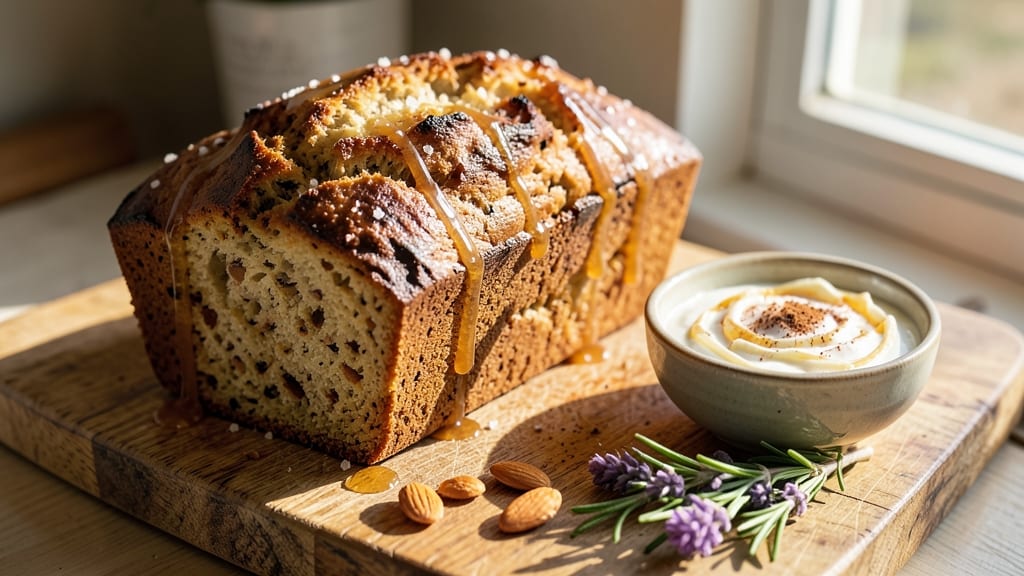
This almond flour yogurt bread delivers the perfect light, airy rise—all without gluten, dairy, or eggs. 💛 The secret lies in combining almond flour’s natural structure with vegan yogurt for moisture and elasticity, creating a loaf that’s tender yet sturdy.
I’ve perfected this recipe over years of baking, ensuring it’s foolproof for both beginners and experienced bakers alike.
The magic happens in the two-stage proofing process, where the dough develops its signature soft, pillowy texture while staying dense enough to hold its shape. Using coconut or almond yogurt adds tangy depth, while a touch of apple cider vinegar enhances the rise.
This isn’t just a substitute—it’s a superior alternative to traditional bread, packed with protein and nutrients.
By the time it emerges from the oven, you’ll have a golden-brown loaf with a crisp crust and a crumb so tender it melts in your mouth. The flavor is subtly sweet, with a nutty richness from the almond flour that pairs beautifully with jam, butter, or even savory toppings.
It’s the kind of bread that makes you forget you’re eating something "healthy."
Perfect for breakfast, sandwiches, or toast, this recipe scales easily for gatherings or meal prep. The dough is forgiving, and the instructions are clear—no guesswork, just guaranteed results. Ready to bake bread that’s as nutritious as it is delicious? Let’s get started.
Ingredients for almond flour yogurt bread
Eight simple ingredients transform into a loaf that's light, airy, and packed with nutty richness.
| Ingredient | Amount | Notes |
|---|---|---|
| Almond Flour 🌰 | 3 cups | Superfine, finely ground preferred |
| Unsweetened Almond Yogurt 🥛 | 1 ½ cups | Vegan, unsweetened, full-fat preferred |
| Coconut Yogurt 🥥 | ½ cup | Vegan, for tangy depth |
| Apple Cider Vinegar 🍏 | 1 tbsp | For enhanced rise |
| Granulated Sugar 🍚 | ¼ cup | Organic preferred |
| Baking Powder 🧂 | 1 tsp | Aluminum-free preferred |
| Salt 🧂 | ½ tsp | Fine sea salt |
| Ground Flaxseed 🌾 | 1 tbsp | For egg substitute |
| Water 💧 | 3 tbsp | Room temperature |
| Olive Oil 🫒 | ½ cup | Extra-virgin, for richness |
| Vanilla Extract 🌸 | 1 tsp | Pure vanilla preferred |
| Vegan Butter 🧈 | 2 tbsp | Melted, for brushing |
Almond flour is the backbone here—Bob's Red Mill superfine is my go-to, but any finely ground almond flour works. The yogurt blend (almond + coconut) adds moisture and tang, while the vinegar kickstarts the rise. For the best results, use unsweetened, full-fat vegan yogurt—the fat content keeps the crumb tender. If you can't find almond yogurt, coconut yogurt alone works, but the flavor will be more pronounced. The flaxseed egg substitute is non-negotiable for binding without eggs.
No almond flour? Cashew flour at 1:1 ratio is a decent swap, though texture will differ slightly. Short on yogurt? Unsweetened soy yogurt works, but coconut adds that extra richness. The vanilla extract can be omitted if you prefer a more neutral flavor, but it rounds out the nutty notes beautifully. For extra flavor, add 1 tsp cinnamon or cardamom. The baking powder must be fresh—if your loaf isn't rising, it's likely the culprit. Store almond flour in the fridge to prevent rancidity, and always measure it by weight for consistency.
This dough is forgiving but time-sensitive. Once mixed, it needs to rest for 30 minutes before shaping. The proofed loaf keeps 2 days wrapped at room temperature, but for longer storage, freeze it 3 months. To reheat, wrap in a damp towel and warm in a 350°F oven for 5-10 minutes. Slice with a serrated knife for clean cuts—this bread is delicate!
Why You'll Love This Recipe
- No Mixer Needed: Mixing this dough is just stirring—no stand mixer, no stress. The almond flour and yogurt blend together so smoothly, you’ll wonder why you ever kneaded bread before.
- Tangy-Sweet Magic: That apple cider vinegar and coconut yogurt combo? It’s like a secret handshake for flavor—bright, slightly sweet, with just enough tang to keep it interesting. Honestly, the first bite makes you go back for more.
- Breakfast or Snack: Slice it for toast in the morning, pack it for lunch, or serve it warm with jam. It’s that adaptable—no rules, just good bread that works whenever you need it.
- Leftovers? Even Better: This bread keeps beautifully for days, whether wrapped in a towel or stored in the fridge. Toast it the next morning, and it’s like fresh-baked again—no sad, dry slices here.
Step-by-step instructions for almond flour yogurt bread
Here's how to create a gluten-free bread with perfect rise and tender crumb—no special skills required.
👨🍳 Step 1: Create the Flaxseed Egg Substitute
In a small bowl, whisk together the 1 tablespoon ground flaxseed and 3 tablespoons water. Let it sit for 5 minutes while you prepare the rest—this creates a gel-like binder that replaces eggs in our gluten-free dough. You'll know it's ready when it thickens noticeably and takes on a slightly glossy appearance. This step is crucial because almond flour lacks gluten's natural structure, so we need this flax "egg" to hold everything together.
I always measure the water first, then add the flaxseed to avoid clumping. The mixture should resemble raw egg whites in consistency. If you forget to mix it early, don't worry—just give it a quick stir right before using it in the batter. The timing flexibility here makes this recipe incredibly forgiving for beginners.
🥘 Step 2: Whisk Wet Ingredients for Maximum Lightness
In a large mixing bowl, combine the 1.5 cups unsweetened almond yogurt, 0.5 cup coconut yogurt, 1 tablespoon apple cider vinegar, 0.25 cup granulated sugar, 0.5 cup olive oil, and 1 teaspoon vanilla extract. Whisk vigorously for 2-3 minutes until the mixture becomes noticeably lighter in color and slightly frothy. This aeration step is what gives our bread its signature light, airy texture.
The vinegar might make you think twice, but trust me—it reacts with the yogurt to create tiny air pockets that mimic gluten's natural lift. You'll see the mixture transform from thick and uniform to light and fluffy. If you skip this step or rush it, your bread will be dense rather than tender. Here's where the magic happens for our gluten-free version.
🍳 Step 3: Combine Dry Ingredients and Fold Gently
In a separate bowl, sift together the 3 cups almond flour, 1 teaspoon baking powder, and 0.5 teaspoon salt. This pre-sifting prevents lumps and ensures even distribution of leavening. Gradually add these dry ingredients to your wet mixture while folding with a spatula. Start slow—you want to maintain those air pockets we created earlier.
Once incorporated, gently fold in the flaxseed mixture you prepared earlier. The batter should be thick but still pourable—like a very stiff pancake batter. If it looks too dry, add 1 tablespoon water at a time until it reaches this consistency. The key here is gentle folding—overmixing develops gluten-like proteins in the almond flour that we don't want in our light, tender bread.
⏰ Step 4: Rest and Prepare for Baking
Cover the bowl with plastic wrap and let the batter rest at room temperature for 30 minutes. This resting period allows the almond flour to fully hydrate and the flavors to meld. I know it seems counterintuitive to wait when you're eager to bake, but this step makes all the difference in texture. The batter will spread slightly as it rests—this is normal and actually helps create a more even bake.
While the batter rests, preheat your oven to 350°F and grease a 9x5-inch loaf pan thoroughly with 2 tablespoons melted vegan butter. The butter adds richness and helps create that perfect pull from the pan. I like to use a pastry brush for even distribution. Line the bottom with parchment paper for easy removal—trust me, this makes a huge difference when you're ready to slice.
🔥 Step 5: Bake to Golden Perfection
Pour the rested batter into your prepared loaf pan and smooth the top with a spatula. Bake for 45-50 minutes until the top is golden brown and a toothpick inserted in the center comes out clean. The bread is done when it springs back slightly when pressed gently—this indicates proper doneness. If the top browns too quickly, tent loosely with foil after 25 minutes to prevent over-browning while allowing the center to cook through.
I always check for doneness at the 40-minute mark because almond flour bread can vary slightly in baking time. The moment it passes the toothpick test, remove it from the oven immediately. Let the bread cool in the pan for 10 minutes before transferring to a wire rack. This resting period prevents it from falling apart when you try to slice it. The bread will be tender and slightly sticky when warm—this is normal and part of its delicious character!
Pro Tips For Making Almond Flour Yogurt Bread
- Whisk the Yogurt First: DESCRIPTION:
- Measure Almond Flour Right: DESCRIPTION:
- Skip the Overmixing: DESCRIPTION:
- Proof at Warm, Not Hot: DESCRIPTION:
Serving suggestions for almond flour yogurt bread
Breakfast Pairings
Start your day with this bread paired with almond butter and banana slices—the natural sweetness complements the nutty richness perfectly. I like to spread 2 tablespoons of creamy almond butter on a thick slice, then top with ½ banana and a sprinkle of cinnamon for warmth.
For extra protein, add a dollop of vegan Greek yogurt and a drizzle of maple syrup. 🥞
Savory Sandwiches
This bread holds up beautifully for savory sandwiches. Try avocado and hummus—mash ½ avocado with 2 tablespoons hummus, sliced cucumber, and a pinch of sea salt, then layer between two slices.
For a hearty option, use grilled chicken, spinach, and vegan mayo with a sprinkle of everything bagel seasoning. The neutral flavor lets the fillings shine.
Dessert Toppings
Warm slices make incredible dessert bases. Spread with vegan cream cheese and top with sliced strawberries or blueberries for a light, fruity treat. For something decadent, drizzle with melted dark chocolate and sprinkle with crushed pistachios. The bread’s slight sweetness balances the tartness beautifully—no added sugar needed!
Wine & Coffee Pairings
Pair this bread with sparkling apple cider for a refreshing morning drink—the effervescence cuts through the richness. For coffee lovers, a light roast with oat milk enhances the nutty notes. If you prefer wine, a dry Riesling or Pinot Grigio complements the bread’s subtle sweetness without overpowering it. ☕
Meal Prep Ideas
Slice the cooled loaf and store in an airtight container with parchment paper between slices to prevent sticking. Toast portions before packing for lunch sandwiches—the warmth keeps it fresh longer.
For snacks, pack individual slices with nut butter packets and fruit for an easy grab-and-go option. The bread reheats beautifully—just pop slices in the toaster for 30 seconds to restore freshness.
Garnishes & Finishes
Before serving, brush warm slices with melted vegan butter and sprinkle with flaky sea salt for a restaurant-worthy finish. For extra flair, add toasted sesame seeds or crushed walnuts for crunch.
If you love herbs, a pinch of fresh rosemary adds an unexpected but delightful earthy note. These small touches elevate the bread from homemade to gourmet. 🌟
Nutrition facts
Frequently asked questions
Can I substitute regular yogurt for vegan yogurt in this recipe?
While you can technically use dairy yogurt, it won't yield the same results. Regular yogurt contains casein, which creates a denser texture. For the light, airy crumb we're aiming for, stick with unsweetened vegan yogurt (almond or coconut). The fat content in full-fat vegan yogurt also helps keep the bread tender—don't use nonfat versions.
Why does my almond flour bread turn out dense instead of light?
Density usually comes from one of three issues: overmixing (which develops gluten-like proteins in almond flour), skipping the 30-minute rest, or using old baking powder. Always whisk the wet ingredients vigorously for 2-3 minutes to create air pockets, then fold gently. The rest period hydrates the almond flour properly. For extra lightness, try adding ½ teaspoon xanthan gum to the dry ingredients.
How do I store this bread to keep it fresh longer?
Wrap the cooled loaf tightly in plastic wrap or store in an airtight container with parchment paper between slices. It stays fresh at room temperature for 2 days or in the fridge for 5 days. For longer storage, freeze slices wrapped individually—they'll keep for 3 months. To revive, toast in a toaster or warm in a 350°F oven for 5 minutes with a damp towel.
Can I make this bread without a loaf pan?
For a free-form loaf, shape the batter into a round or oval on a parchment-lined baking sheet. Bake at 350°F for 35-40 minutes until golden. The texture will be slightly denser at the edges but still delicious. For an open-faced effect, bake on a pizza stone or in a cast-iron skillet. Brush with melted vegan butter after baking for extra flavor.
What's the best way to slice this bread without it crumbling?
Always let the bread cool completely before slicing—this helps the crumb firm up slightly. Use a serrated knife and cut against the grain (if visible). For cleaner cuts, dip the knife in hot water between slices. If it still crumbles, chill the loaf in the fridge for 15 minutes before slicing. The bread is delicate when warm but holds together beautifully once cooled.