
Side Dishes
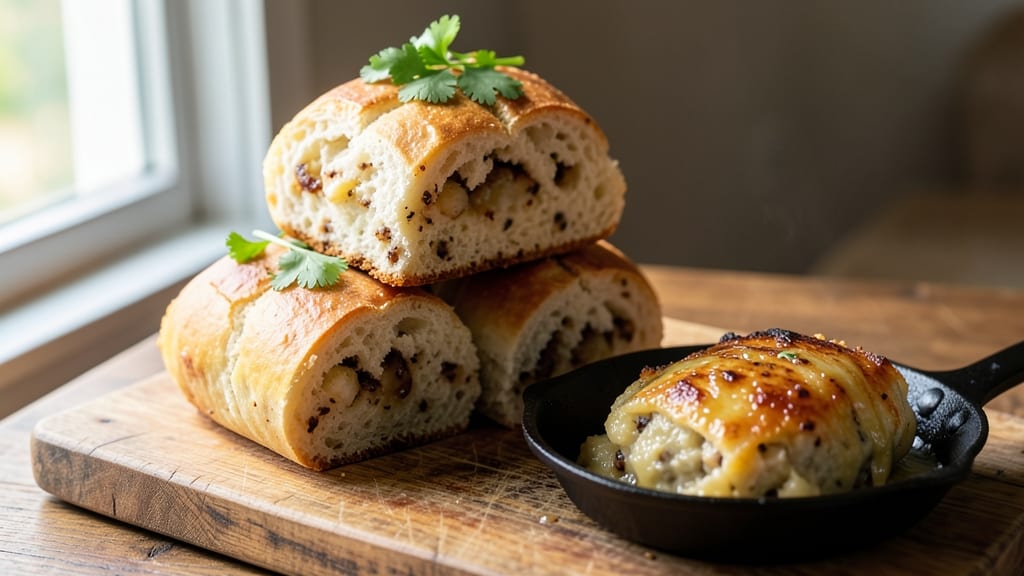
This aloo bread roll recipe transforms humble potatoes into golden, fluffy parcels that burst with spiced filling at every bite. The secret lies in a perfectly balanced dough—soft yet sturdy enough to hold the savory potato mixture—cooked to crispy perfection.
I developed this version after years of testing, ensuring the filling stays moist while the bread stays light and pillowy inside.
What makes these rolls special is the technique: sealing the edges tightly before frying creates that signature pocket of flavor, while a quick brush of melted butter adds richness without heaviness.
The spiced potato filling—boiled, mashed, and tempered with cumin, green chili, and garam masala—delivers a satisfying contrast to the bread's softness. This is comfort food at its finest, with each bite offering a perfect balance of textures and flavors. The best part?
These rolls reheat beautifully, making them ideal for meal prep or serving warm at gatherings. Whether you're making them for a festive occasion or a weeknight dinner, they'll disappear faster than you can say "aloo paratha." Ready to master this recipe?
Let's get started with the dough preparation—where the magic begins.
Ingredients for aloo bread roll
Sixteen ingredients for golden, spiced potato parcels bursting with flavor in every bite.
| Ingredient | Amount | Notes |
|---|---|---|
| All-Purpose Flour 🌾 | 3 cups | Sifted for light texture |
| Warm Water 💧 | 1 ¼ cups | 105-110°F for ideal dough |
| Active Dry Yeast 🍞 | ¼ tsp | Instant yeast works too |
| Sugar 🍚 | ¼ tsp | Feeds yeast activation |
| Salt 🧂 | ¾ tsp | Diamond Crystal preferred |
| Russet Potatoes 🥔 | 2 lbs | Waxy variety for creamy mash |
| Unsalted Butter 🧈 | ½ cup | Cold, cubed for filling |
| Green Chilies 🌶️ | 2 whole | Fresh serrano or jalapeño |
| Garam Masala 🌿 | 1 ½ tsp | Freshly ground preferred |
| Ground Cumin 🌿 | 1 tsp | Toasted for deeper flavor |
| Fresh Cilantro 🌿 | ¼ cup | Chopped, for garnish |
| Vegetable Oil 🫒 | 1 ½ cups | For deep frying |
| Melted Butter 🧈 | ¼ cup | For brushing rolls |
The flour is your foundation—King Arthur or Bob's Red Mill work best for that tender yet sturdy dough. For the potatoes, Idaho russets are ideal, but Yukon Golds add creaminess if you prefer. The yeast needs to be fresh (test it in warm water with sugar—it should foam in 5-10 minutes). Whole Foods or local Indian grocers often carry high-quality garam masala blends, but pre-made mixes from Spicewalla are reliable too. Green chilies should be firm and vibrant—avoid any with soft spots or dark patches. For the oil, vegetable or canola works best as it has a high smoke point for frying.
No garam masala? Mix equal parts coriander, cinnamon, cardamom, and black pepper for a close substitute. Fresh cilantro is ideal, but dried works at one-third the amount if needed. The potatoes can be boiled ahead and refrigerated for up to 2 days—just reheat before mashing. For the dough, if your kitchen is cold, use slightly warmer water (up to 115°F) to help activation. The green chilies can be swapped for 1 tbsp green chili powder if fresh isn't available, though texture will differ. And if you're short on butter, vegetable shortening works in a pinch for the filling.
Store the dough wrapped in a damp towel for up to 24 hours in the fridge—bring it to room temp before using. The potato filling keeps well for 3 days in the fridge, though texture softens slightly. For frying, maintain oil at 350-375°F—a deep-fry thermometer is worth the investment. These rolls reheat beautifully: 5 minutes at 350°F in the oven with foil, or 20 seconds in the microwave for a quick fix. Freeze uncooked rolls on a tray, then transfer to a bag for up to 1 month—fry from frozen, adding 1-2 minutes to cooking time.
Why You'll Love This Recipe
- No-Yeast Struggles: I’ll be real—yeast can be finicky. But this dough comes together with just warm water, flour, and a pinch of salt. No waiting for it to rise overnight, no second-guessing the temperature. Just mix, knead (even if it’s not perfect), and let it rest while you make dinner. That’s real convenience.
- Potato-Packed Richness: The secret’s in the mashed potato—creamy, warm, and folded right into the dough. It’s not just flavor; it’s texture. That first bite gives you a soft, buttery roll with a whisper of potato sweetness. Honestly, it’s the kind of thing that makes you go back for seconds without even thinking.
- Lunchbox Hero: Between us, these are my go-to for packed lunches or quick breakfasts. They reheat beautifully—just a few seconds in the toaster or microwave—and the kids (or adults) won’t complain. Plus, they’re sturdy enough to hold fillings like chutney, egg, or even leftover curry without falling apart.
- Pantry Staples Only: Four ingredients, zero specialty shopping. That’s it. No exotic spices, no hard-to-find flours—just what you already have. And if you make a double batch? They freeze like a dream. Toss them in the freezer, and when you’re in a rush, you’ve got dinner solved in minutes. Budget-friendly? Absolutely. Stress-free? Even better.
Step-by-step instructions for aloo bread rolls
Here's how to craft pillowy, spiced potato-stuffed bread rolls that stay soft and flavorful.
👨🍳 Step 1: Prepare the Spiced Potato Filling
Peel and dice the 2 lbs russet potatoes into ½-inch cubes. Boil them in salted water for 15 minutes until fork-tender. Drain well and let cool slightly. In a pan, melt 0.5 cup unsalted butter over medium heat and sauté the 2 whole green chilies (finely chopped) until fragrant—about 30 seconds. Add the warm potatoes, 1 tsp ground cumin, and 1.5 tsp garam masala, mixing until the spices coat evenly. Mash lightly with a fork to create a chunky, flavorful filling. Let it cool completely before using.
This step ensures your filling has maximum flavor without turning mushy. The spices need time to meld with the warm potatoes, so resist the urge to rush this process. If the filling cools too much before shaping, simply warm it gently in the microwave for 20-30 seconds to soften.
👨🍳 Step 2: Make the Dough and Shape Rolls
In a large bowl, combine 3 cups all-purpose flour, 0.25 tsp sugar, and 0.75 tsp salt. Add 0.25 tsp active dry yeast and 1.25 cups warm water (test temperature with your wrist—it should feel warm but not hot). Mix until a shaggy dough forms, then knead on a floured surface for 8-10 minutes until smooth and elastic. Cover with a damp towel and let rise in a warm place for 1 hour or until doubled in size.
While the dough rises, divide it into 6 equal portions. Roll each into a 12-inch circle using a rolling pin. Place 1-2 tablespoons of the potato filling in the center of each circle, then fold the dough over to seal. Pinch the edges tightly to create a ½-inch thick roll. Let the shaped rolls rest for 15 minutes before final proofing.
🔥 Step 3: Proof and Fry to Golden Perfection
Place the shaped rolls on a floured baking sheet and let them proof for 30-45 minutes until puffy. Heat 1.5 cups vegetable oil in a deep pan to 350°F—test with a drop of dough, which should sizzle and rise immediately. Fry the rolls in batches for 2-3 minutes per side until golden brown and crispy. Drain on a wire rack to remove excess oil.
For extra richness, brush the hot rolls with 0.25 cup melted butter and sprinkle with 0.25 cup chopped fresh cilantro. Serve warm with mint chutney or yogurt dip. The rolls should be soft inside with a crisp exterior—if they feel dense, ensure your dough was properly kneaded and proofed.
⏰ Step 4: Rest and Serve for Maximum Softness
Let the fried rolls rest for 5 minutes before serving. This allows the filling to heat through and the bread to relax, preventing a tough texture. If storing, keep them in an airtight container for up to 2 days, reheating in a 350°F oven for 5-7 minutes to restore softness.
The key to perfect aloo bread rolls lies in balancing the dough's elasticity with the filling's moisture. Overstuffing can make them dense, so use 1-2 tablespoons of filling per roll—just enough to create that signature spiced potato burst in every bite.
Pro Tips For Making Aloo Bread Roll
- KNEAD LESS, PUNCH MORE: I learned this the hard way—overworking the dough turns aloo bread rolls dense and chewy. After mixing the flour, water, yeast, sugar, and salt, just punch the dough 8-10 times with your fist to combine. Let the yeast do the rest during the first rise; you’ll get a lighter, airier roll without the arm workout.
- DON’T SKIP THE SECOND RISE: The first rise is obvious, but the second rise after shaping is where the magic happens. After rolling out the aloo-stuffed dough and folding it into rolls, let them proof for 20-30 minutes in a warm spot. This step guarantees they’ll puff up properly when baking—no sad, flat rolls here.
- USE LESS WATER THAN YOU THINK: Aloo bread dough is trickier than regular bread because the potato filling adds moisture. If your dough feels sticky but not quite right, resist adding more water—it’ll make the rolls gummy. Instead, sprinkle a little extra flour during kneading (if needed) and adjust after the first rise.
- BAKE ON HIGH HEAT FIRST: Start baking your aloo rolls at 450°F (230°C) for the first 5 minutes to get that golden crust. After that, drop to 375°F (190°C) to finish cooking. This two-stage approach prevents the bottoms from burning while the tops stay soft—trust me, I’ve charred enough batches to know.
Troubleshooting great aloo bread roll
Dough Too Sticky?
If your dough feels overly sticky after kneading, you likely need more flour—but don’t overdo it. Gradually add 1 tablespoon flour at a time while kneading until the dough pulls away cleanly from your fingers.
Over-kneading can also make dough sticky, so stop once it’s smooth and elastic (about 8-10 minutes). For extra help, chill the dough for 15 minutes in the fridge before shaping—this tightens the gluten strands and reduces stickiness. 💫
Filling Leaking?
Leaky filling usually means your dough edges weren’t sealed tightly enough. Press the folded edges firmly with your fingers to create a strong ½-inch seal.
If the filling still escapes during frying, try reducing the amount slightly (1 tbsp per roll) or chilling the shaped rolls for 10 minutes before proofing to firm up the dough. Avoid overproofing—puffy but firm rolls hold filling best.
Rolls Turning Dense?
Dense rolls often result from underproofed dough or overstuffing. Ensure your dough doubles in size before shaping and proof again for 30-45 minutes after filling. For extra lightness, brush the dough circles with 1 tbsp melted butter before adding filling—this adds moisture and prevents dryness.
If using cold filling, warm it slightly (20 seconds microwave) to soften and reduce bulk.
Oil Too Hot?
If your rolls brown too quickly on the outside but stay raw inside, your oil is too hot. Maintain a steady 350-375°F using a deep-fry thermometer. Test with a small dough scrap—it should sizzle gently and turn golden in 30 seconds.
For even cooking, fry rolls in batches and avoid overcrowding the pan. If your oil smokes excessively, reduce heat immediately to prevent burning.
Yeast Issues?
If your dough fails to rise, your yeast may be inactive. Always test yeast by mixing 0.25 tsp yeast with 2 tbsp warm water and ½ tsp sugar—it should foam within 5-10 minutes. Use water between 105-110°F (wrist-test: warm but not hot).
If your kitchen is cold, place the dough bowl near a warm oven (200°F for 2 minutes) to speed up rising. For extra insurance, use instant yeast, which activates faster.
Frying Failures?
For crispy, golden rolls, keep oil hot and clean. Strain oil after each batch to remove debris, and avoid reusing oil for more than 2-3 batches—it breaks down and loses heat retention. If rolls sink instead of floating, they’re too dense.
Recheck your dough proofing time and filling consistency. For extra crispiness, fry rolls for 1-2 minutes per side until golden, then drain on a wire rack to remove excess oil. 🔥
Nutrition facts
Frequently asked questions
Can I make these aloo bread rolls ahead of time?
Shape the rolls and refrigerate them (uncooked) for up to 24 hours—just let them sit at room temperature for 30 minutes before proofing. For cooked rolls, store them in an airtight container for 2 days at room temperature or freeze for 1 month. Reheat frozen rolls directly in oil for 3-4 minutes or in a 350°F oven for 10 minutes.
What if I don't have fresh green chilies?
No problem! Use 1 tablespoon green chili powder or ½ teaspoon cayenne pepper for heat. For a milder flavor, swap with ½ teaspoon smoked paprika. The filling will still be flavorful—just adjust spice levels to taste.
How do I make these rolls healthier?
Swap vegetable oil for coconut oil (healthier fats) and reduce to 1 cup for frying. Use whole wheat flour (replace 50% of all-purpose) for fiber, and bake instead of fry: brush rolls with oil, bake at 375°F for 15-18 minutes until golden. Garnish with extra cilantro for freshness!
Can I use leftover mashed potatoes for the filling?
Yes, but adjust texture first! Leftover mashed potatoes tend to be drier. Mix in 1 tablespoon melted butter and 1 tablespoon warm water per ½ cup potatoes to restore moisture. Add spices directly to the pan while reheating to ensure even flavor distribution.
What's the best way to serve aloo bread rolls?
Serve warm with mint chutney, yogurt dip, or tamarind sauce for dipping. Pair with dal tadka or a simple cucumber raita to balance the richness. For a complete meal, add a side of sautéed spinach or pickled onions. They're also perfect as a snack with chai!