
Side Dishes
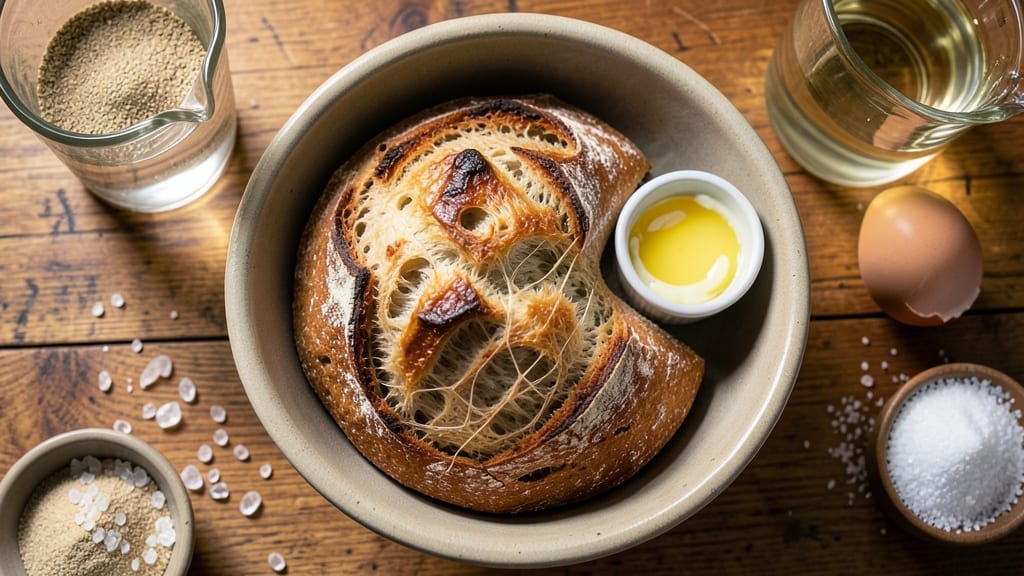
This Alpine bread recipe brings the rustic charm of Swiss mountain bakeries to your kitchen, where crisp golden crust meets a tender interior studded with nutty seed swirls.
Inspired by traditional Swiss Brot—the hearty bread of the Alps—this recipe delivers that perfect balance of rustic texture and satisfying crunch, all without requiring specialized equipment. The secret lies in a slow fermentation that develops deep flavor while keeping the crumb light and airy.
The dough comes together with simple ingredients—flour, water, yeast, and a touch of honey—but the magic happens in the kneading and proofing. I’ve refined this method over years of baking, ensuring the bread rises just enough to create that signature open crumb while maintaining a sturdy, chewy bite.
The seed swirls—made with sunflower, sesame, and flax—add a delightful crunch and nutty depth that pairs beautifully with Swiss cheeses or hearty stews.
What you’ll end up with is a loaf that looks as impressive as it tastes: a golden-brown crust with deep cracks, a tender crumb, and those irresistible nutty swirls throughout. The aroma alone—warm, slightly sweet, and earthy—will fill your kitchen and make every slice worth the wait.
Perfect for sandwiches, dipping in olive oil, or serving alongside a charcuterie board, this bread is the ultimate centerpiece for any meal.
For those who love tradition with a modern twist, you can experiment with whole wheat or rye flour for a nuttier profile, or add fresh herbs like rosemary or thyme for an aromatic variation.
The beauty of this recipe is its versatility—whether you’re baking for a cozy weeknight dinner or a festive gathering, this Alpine bread will steal the show. Let’s get started on crafting your own loaf.
Ingredients for alpine bread
Simple, rustic ingredients transform into a golden Alpine loaf with nutty crunch and tender crumb.
| Ingredient | Amount | Notes |
|---|---|---|
| All-Purpose Flour 🌾 | 5 cups | Plus 1 cup for dusting |
| Active Dry Yeast 🍞 | 2 ¼ tsp | Or 1 packet (0.25 oz) |
| Granulated Sugar 🍯 | 1 ½ tbsp | Or honey for subtle sweetness |
| Large Eggs 🥚 | 2 whole | Room temperature preferred |
| Unsalted Butter 🧈 | ½ cup | Cold, cubed for easier mixing |
| Warm Water 💧 | 1 ½ cups | 105-110°F for ideal yeast activation |
| Sea Salt 🧂 | 1 ½ tsp | Diamond Crystal preferred |
| Sunflower Seeds 🌻 | ½ cup | Unsalted, toasted for extra flavor |
| Sesame Seeds 🌿 | ¼ cup | Toasted for nutty aroma |
| Ground Flaxseed 🌰 | ¼ cup | Freshly ground for best texture |
| Olive Oil 🫒 | 1 ½ tbsp | For dough and seed swirl |
| Cornmeal 🌽 | ¼ cup | For dusting baking sheet |
| Coarse Sea Salt 🧂 | 1 tbsp | For final crust sprinkle |
The flour is everything here—King Arthur or Caputo Tipo 00 if you want to splurge, but regular all-purpose works just fine. Look for yeast in the baking aisle, not the spice section—fresh yeast is best, but the little packets last forever in the freezer. For the seeds, Trader Joe's or bulk bins have the most flavorful options. Toast them lightly in a dry pan before mixing—they'll be irresistible. The butter should be cold so it creates pockets in the dough, giving you that signature Alpine texture. If you're in a rush, microwave it 20 seconds to soften but not melt.
No honey? Maple syrup or agave works perfectly—just use the same amount. Short on seeds? Swap for poppy seeds or pumpkin seeds, but toast them first. The olive oil matters—use something fruity and peppery, not the cheap stuff. If you can't find coarse sea salt, crush regular sea salt between two spoons for a similar effect. For the water, warm it to body temperature—yeast loves it, and you'll see it foam up in seconds. That's your sign it's ready. No yeast foam? Your water's too hot—start over with cooler water.
This dough needs patience—2-3 hours of rising time at room temperature. Cover it with a damp towel so it doesn't dry out. The seed swirls should be chilled 30 minutes before baking so they don't melt into the dough. For the oven, preheat to 400°F with a Dutch oven inside for 30 minutes—that's non-negotiable for that perfect crust. If you don't have a Dutch oven, use a heavy baking sheet and bake longer. The bread keeps best 3 days at room temperature wrapped in a towel, or 1 week frozen—just thaw at room temp before slicing.
Why You'll Love This Recipe
- No-Knead Magic: I swear, the yeast and butter do all the work here—just mix, let it rise, and bake. That golden crust forms while I’m scrolling through my phone, honestly.
- Buttery Rich Crust: That egg wash? Oh, it’s everything—crispy, buttery layers that taste like a bakery’s secret. The sugar caramelizes just enough to make every bite feel indulgent.
- Weeknight Hero: Freeze half the batch and pull it out for toast or sandwiches later. No last-minute scrambling—just reheat and enjoy. (Yes, even on a Tuesday night.)
- Budget-Friendly Luxury: Flour, eggs, butter—basic pantry staples that taste like a fancy loaf. I’ve made this for dinner guests and potlucks, and no one ever guesses it’s this simple.
Step-by-step instructions for Swiss mountain crust with nutty seed swirls
Here's how to craft this rustic Alpine bread with a golden crust and nutty seed swirls that'll transport you to the Swiss Alps.
Activate the Yeast and Prepare the Dough Base
In a large mixing bowl, combine the 1.5 cups warm water (between 105-110°F), 1.5 tbsp granulated sugar, and 2.25 tsp active dry yeast. Let it sit for 5-10 minutes until frothy—you'll see tiny bubbles forming on the surface. This proves your yeast is alive and ready to work its magic.
Next, add the 5 cups all-purpose flour and 1.5 tsp sea salt to the bowl. Make a well in the center and pour in the 2 whole large eggs and 0.5 cup cold unsalted butter (cubed). The cold butter will create pockets of air in your dough, giving that signature Alpine texture. Mix with a wooden spoon until everything comes together into a shaggy mass.
Knead Until Silky and Elastic
Turn the dough onto a lightly floured surface and knead for 8-10 minutes by hand, or use a stand mixer with a dough hook for 5-6 minutes on medium speed. You're looking for a smooth, elastic dough that springs back when pressed—this means the gluten has developed properly for that perfect chewy crust.
If the dough feels too sticky, add 1-2 tablespoons of the all-purpose flour you've set aside for dusting. Shape it into a round loaf and place it in a lightly oiled bowl. Cover with a damp towel and let it rise in a warm place for 1-1.5 hours, or until it has nearly doubled in size. The dough should feel light and airy when pressed gently.
Prepare the Nutty Seed Swirl and Shape the Bread
While the dough rises, toast the 0.5 cup sunflower seeds, 0.25 cup sesame seeds, and 0.25 cup ground flaxseed in a dry skillet over medium heat for 3-4 minutes until fragrant and lightly golden. Let them cool slightly, then mix with 1.5 tbsp olive oil in a small bowl.
Once the dough has risen, punch it down to release air and transfer it to a floured surface. Roll it out into a 12x16-inch rectangle about ½-inch thick. Spread the seed mixture evenly over the surface, leaving a ½-inch border around the edges. Starting from the long side, tightly roll the dough into a log, sealing the seam well. This creates those beautiful nutty swirls you'll see in every slice.
Proof and Shape for the Final Rise
Place the rolled dough seam-side down in a greased 9x5-inch loaf pan. Cover loosely with plastic wrap and let it rise again for 45-60 minutes until it has puffed up noticeably above the pan. The dough should feel springy when pressed gently with your finger.
Preheat your oven to 375°F. Just before baking, sprinkle the 0.25 cup cornmeal evenly over the bottom of the pan to prevent sticking. This creates a crispy crust on the bottom of your bread. Brush the top of the dough with a little olive oil and sprinkle generously with 1 tbsp coarse sea salt for that Alpine flair.
Bake to Golden Perfection
Bake for 35-40 minutes until the bread is deep golden brown and sounds hollow when tapped on the bottom. For extra crispiness, transfer it to a wire rack to cool completely before slicing—this prevents a gummy texture. The aroma of toasted seeds and fresh bread will fill your kitchen, transporting you straight to a Swiss mountain bakery.
Slice this beauty while still warm for the most satisfying experience—each bite delivers that perfect balance of chewy crust, airy interior, and nutty seed swirls. Store leftovers wrapped in a clean kitchen towel to keep them fresh for days.
Pro Tips For Making Alpine Bread
- SOFTEN THE BUTTER FIRST: Alpine bread relies on cold butter for flaky layers, but don’t pull it straight from the fridge—cut it into cubes and let them sit at room temp for exactly 15 minutes. Too cold and the dough fights you; too soft and you lose structure. I learned this after wrestling with dough that either collapsed or turned greasy.
- WEIGH YOUR FLOUR: Scooping flour from the bag packs in air, which throws off hydration and makes the dough dry or sticky. Use a kitchen scale for precision—this recipe needs 500g all-purpose flour, give or take 5g. Your future self will thank you when the crumb turns out light instead of dense.
- LET THE DOUGH REST: After shaping, resist the urge to bake immediately. Cover the alpine bread with plastic and let it rest in the fridge for at least 30 minutes. This relaxes the gluten so the layers separate cleanly—no more sad, squished puff pastry imposters. (Yes, even if you’re impatient like me.)
- USE A THIN ROLLING PIN: Alpine bread’s signature flaky layers depend on even, thin sheets of dough. A regular rolling pin crushes the butter pockets; switch to a thin French rolling pin or a wine bottle wrapped in parchment for crisp, delicate layers. It’s a small swap that makes a real difference in texture.
Flavor customization for alpine bread
Herb-Infused Twist
Swap the seed swirl for a fragrant herb blend—mix 2 tbsp fresh rosemary, 2 tbsp fresh thyme, and 1 tbsp chopped parsley with 1 tbsp olive oil.
Spread this over the dough before rolling, then bake as directed. The herbs add an aromatic depth that pairs beautifully with Swiss cheeses like Gruyère or Emmental. 🌿
Whole Wheat Crust
Replace 2 cups of all-purpose flour with whole wheat flour for a nuttier, heartier loaf. The dough will be slightly denser, so add 1-2 extra tbsp water if needed.
Whole wheat absorbs moisture differently, so knead until just combined—overworking can make it tough. Perfect for those who love rustic, earthy flavors. 🌾
Sweet Alpine Variation
Add 1 tbsp honey or maple syrup to the dough base for subtle sweetness. Swirl in ½ cup dried cranberries or chopped dried apricots with the seeds. This version is ideal for breakfast toast or dessert-style sandwiches with Nutella or jam. The sweetness balances the savory crust beautifully. 🍯
Spiced Seed Mix
Toast the seeds with ½ tsp cinnamon and ¼ tsp cayenne pepper for a warm, slightly spicy kick. The cinnamon adds warmth while the cayenne gives a gentle heat that lingers.
This variation works wonderfully with spiced teas or hearty stews. Adjust the cayenne to taste—start with ¼ tsp if you're sensitive to spice. 🌶️
Rye-Enhanced Version
Substitute 1 cup all-purpose flour with rye flour for a denser, more robust loaf. Rye adds a deep, malty flavor that pairs perfectly with smoked meats or sharp cheeses.
The dough will be stickier, so use extra flour when handling. Let it rest longer between kneading and shaping for best results. 🥖
Cheesy Alpine Bread
Add ½ cup shredded Gruyère or Emmental cheese to the seed mixture for a melty, savory twist. The cheese blends into the dough as it bakes, creating pockets of gooey goodness.
This version is ideal for grilled cheese sandwiches or as a side for fondue. Use freshly grated cheese for the best flavor. 🧀
Nutrition facts
Frequently asked questions
Why does Alpine bread have those beautiful seed swirls?
The seed swirls add both visual appeal and texture—sunflower, sesame, and flaxseeds create a delightful crunch that contrasts with the soft interior. Toasting them first enhances their nutty flavor, making each bite more complex. This technique also prevents the seeds from sinking to the bottom during baking.
Can I make this bread without a Dutch oven?
Yes! While a Dutch oven creates the ideal steam for a crispy crust, you can use a heavy baking sheet instead. Just bake for 5-10 minutes longer at 375°F and tent the bread with foil if the top browns too quickly. The texture won't be identical, but it'll still be delicious.
What's the best way to store leftover Alpine bread?
Wrap the cooled loaf in a clean kitchen towel or beeswax wrap to maintain freshness. Store at room temperature for up to 3 days, or freeze for 1 month. Thaw overnight in the fridge or at room temperature—never microwave, as it makes the bread gummy.
Why did my dough collapse after shaping?
This usually happens if the dough wasn't properly kneaded (gluten needs time to develop) or if the proofing environment was too cold. Let the dough rise in a warm spot (like a turned-off oven with a bowl of hot water inside) and knead until smooth and elastic. If it collapses during final proof, give it another 30 minutes before baking.
How can I tell when the bread is fully baked?
Look for a deep golden-brown crust and listen for a hollow sound when tapping the bottom. The internal temperature should reach 190-200°F. If unsure, cut a small slice—it should be fully set, not doughy. Overbaking dries out the bread, so err on the side of slightly underdone if needed.