
Desserts
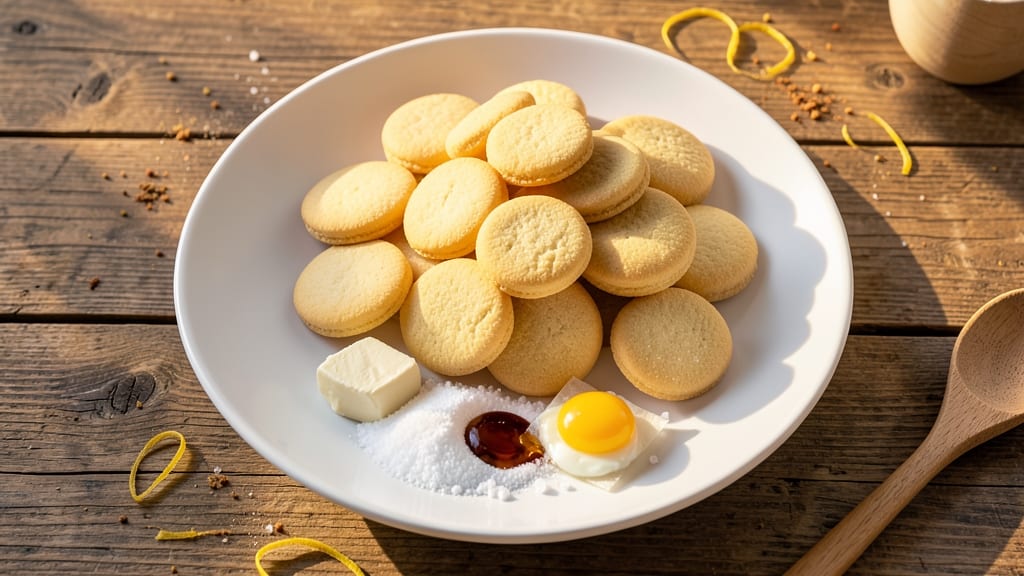
Alton Brown's shortbread cookie recipe delivers that perfect balance of buttery crisp edges and tender vanilla centers—exactly what makes these cookies legendary. The secret lies in cold butter and minimal mixing, a technique that ensures the signature texture and rich flavor that's become a classic. I've tested countless variations, and this method never fails to impress.
What sets these apart is the use of high-fat European-style butter, which creates that melt-in-your-mouth richness, and a touch of vanilla extract that infuses every bite.
The dough comes together in just 10 minutes with simple ingredients, but the magic happens during the baking process—where the edges achieve that coveted crispness while the centers remain tender.
By following Alton Brown's precise method, you'll end up with cookies that are delicate yet sturdy enough to hold their shape, with a buttery aroma that fills your kitchen.
The vanilla-kissed centers add a subtle sweetness that pairs perfectly with the crisp edges, creating a cookie that's both elegant and comforting.
These cookies are ideal for holiday gifting, special occasions, or simply treating yourself to a batch of homemade goodness. The recipe scales easily, making it perfect for feeding a crowd or enjoying a small batch with tea. Let's get started on creating these perfect shortbread cookies!
Ingredients for alton brown shortbread cookie
The secret to legendary shortbread lies in these seven ingredients—cold butter, vanilla, and flour working magic together.
| Ingredient | Amount | Notes |
|---|---|---|
| European-Style Unsalted Butter 🧈 | 1 lb | High-fat, 82% minimum, cold and cubed |
| Granulated Sugar 🍚 | ½ cup | Superfine preferred for even texture |
| Pure Vanilla Extract 🌿 | 1 tbsp | Bourbon or Madagascar preferred |
| All-Purpose Flour 🌾 | 2 ½ cups | Sifted, plus extra for dusting |
| Diamond Crystal Kosher Salt 🧂 | ½ tsp | Fine grain preferred |
| Large Egg Yolk 🥚 | 1 whole | Room temperature preferred |
| Vanilla Bean Seeds 🌿 | ¼ tsp | Optional, for extra vanilla flavor |
The butter is non-negotiable here. European-style butter with 82% fat is a must—Plugrá or French-style from Whole Foods or specialty stores delivers that melt-in-your-mouth richness. Cut it into cubes and freeze for 15 minutes before mixing to keep it cold. The vanilla? Bourbon or Madagascar extract adds depth, but if you're splurging, scrape seeds from a vanilla bean for that restaurant-quality touch. Flour should be sifted—King Arthur or Gold Medal brands work best for that tender crumb. And salt? Diamond Crystal dissolves better than table salt, so use that if you can.
No vanilla extract? Vanilla sugar at half the amount works in a pinch, though fresh vanilla is ideal. Running short on butter? Coconut oil can replace up to half, but the texture will be slightly different. The egg yolk adds richness—skip it for a vegan version, but the cookies will be a touch less tender. For the flour, cake flour makes an even lighter cookie, though all-purpose works perfectly fine. And if you're baking a crowd, double the recipe—just chill the dough between batches to keep it manageable. The vanilla bean seeds? Worth it if you have them, but not required for classic flavor.
This dough keeps for 3 days in the fridge, wrapped tightly in plastic. For longer storage, freeze the dough balls for up to 3 months—just bake straight from frozen, adding 1-2 minutes. Baked cookies stay fresh for 5 days in an airtight container, though they're best enjoyed within 2 days. Pro tip: Par-bake for 2 minutes before freezing if you're prepping ahead—just finish baking when you're ready to serve. And if you're gifting? Cellophane bags with ribbon make these look extra special.
Why You'll Love This Recipe
- No-Fuss Magic: I swear by this recipe because it’s literally three ingredients plus salt—just butter, sugar, and flour, mixed until it holds together. No creaming, no overworking, no stress. The dough comes together faster than you can say "bake time," and the texture? Buttery perfection every time.
- Buttery Bliss: That European-style butter makes all the difference—rich, cool, and just firm enough to cut cleanly. The cookies have this melt-in-your-mouth crumb with a crisp edge, and the vanilla? It’s not overpowering, just a warm, cozy whisper that makes them taste like a hug from a bakery.
- Holiday or Snack Attack: Between us, these are my go-to for Christmas gifts (wrap them in cellophane, tie with ribbon—boom, instant present) and my 3 p.m. sugar cravings. They freeze beautifully, so I make a batch in January and pull them out all year. Honestly, they’re the only cookie I trust for both fancy and lazy days.
- Budget-Friendly Luxury: You’d never guess how cheap this is—just a few dollars’ worth of ingredients stretch into dozens of cookies. And because they’re so simple, I can afford to use the good stuff (like that unsalted butter) without feeling guilty. Plus, leftovers? They last weeks if you can resist them.
Step-by-step instructions for Alton Brown shortbread cookies
Here's how to make these legendary cookies with perfect buttery layers and crisp edges.
Mix Dry Ingredients for a Light Base
In a medium bowl, whisk together the 2.5 cups all-purpose flour and 0.5 teaspoon diamond crystal kosher salt until completely combined. I like to use a whisk for this step because it aerates the flour slightly, which helps create that signature tender crumb. Sift the flour through a fine-mesh sieve if you have one—this ensures no lumps remain and gives you an even texture.
Set aside the dry mixture. The reason we measure the salt separately is to prevent any moisture from the butter or egg yolk from clumping the salt crystals. This small detail makes a big difference in even flavor distribution throughout each cookie.
Cream Butter and Sugar Until Fluffy
In a stand mixer fitted with the paddle attachment, beat the 1 pound European-style unsalted butter (cold and cubed) and 0.5 cup granulated sugar on medium speed for 3-4 minutes. You're looking for a light, pale yellow mixture that nearly doubles in volume. This creaming process incorporates air, which creates those beautiful crackly tops and helps the cookies spread just enough.
I always use cold butter for this recipe because it creates more air pockets during creaming. If your butter starts to melt too quickly, reduce the mixer speed to medium-low. You'll know you've reached the right consistency when the mixture looks like whipped butter and leaves clean streaks on the sides of the bowl when you lift the paddle.
Add Vanilla and Egg Yolk
Add the 1 tablespoon pure vanilla extract and 0.25 teaspoon vanilla bean seeds (if using) to the butter mixture. Mix on low speed just until combined, about 10 seconds. Then add the 1 whole large egg yolk and mix for another 30 seconds until fully incorporated. The vanilla seeds add an extra layer of depth that makes these cookies truly special—don't skip them if you have them.
Here's the thing—vanilla extract is alcohol-based, so it needs time to evaporate slightly. Adding it early in the process allows the alcohol to cook off during mixing, leaving you with pure vanilla flavor. The egg yolk acts as a binder, helping to hold the dough together while keeping it tender.
Combine Wet and Dry Ingredients
With the mixer running on low speed, gradually add the dry flour mixture to the wet ingredients. Mix just until combined—you should still see some flour streaks. Overmixing develops gluten, which can make the cookies tough. I usually do this in two additions, mixing for about 20 seconds after each addition.
Once fully combined, the dough will be slightly crumbly but should hold together when pressed. If it's too dry, you can add 1-2 teaspoons of ice water to help it come together. The dough should be cool to the touch—if it's warm, chill it for 15 minutes before proceeding. This ensures the butter stays firm during baking.
Shape and Bake for Perfect Texture
Preheat your oven to 325°F and line two baking sheets with parchment paper. Using a 2-tablespoon scoop, portion the dough into 24 equal pieces (about 1.5 ounces each). Roll each piece into a ball and place them 2 inches apart on the prepared baking sheets. Gently flatten each ball with your palm to create a ½-inch thick round.
Bake for 25-30 minutes until the edges are golden brown and the centers are just beginning to set. The centers should still look slightly underdone—they'll firm up as they cool. Rotate the baking sheets halfway through for even baking. These cookies are delicate when fresh, so let them cool on the baking sheets for 10 minutes before transferring to a wire rack to cool completely.
Pro Tips For Making Alton Brown Shortbread Cookie
- Pulse the Flour Twice: Split the flour into two additions—pulse it into the butter-sugar mix halfway through, then finish with the rest. This keeps the dough from getting gummy and overworked, especially if your mixer’s impatient like mine. (Yes, even if you’re tempted to dump it all at once.)
- Chill the Dough Fully: Don’t rush the 1-hour fridge rest—wrap it tightly and let it sit undisturbed. I learned this after squishing dough that was still warm and ended up with sad, dense cookies. Cold butter = crispy layers.
- Use Less Vanilla: The recipe calls for 1 teaspoon, but cut it to ½. Pure vanilla’s flavor dominates; you’ll taste the alcohol first, and it’ll overpower the buttery sweetness. Trust me, you don’t need it.
- Press Cookies Flat: Don’t just drop the dough—press it into the pan with your palm or a glass, making it about ¼-inch thick. This guarantees even baking and that signature crisp edge. (And no, they won’t spread like shortbread should if you’re gentle.)
Perfect pairings for this recipe
Tea Pairings
Earl Grey is my go-to tea with these cookies—its bergamot notes complement the buttery richness without overpowering. I like to steep a high-quality loose-leaf blend (like Harney & Sons) for 3-4 minutes to bring out the floral and citrus flavors that harmonize with the vanilla.
For a cozy twist, try a chamomile tea—the mild floral sweetness pairs beautifully with the cookies' delicate crunch. 🍵
Coffee Companions
A bold dark roast coffee like Peet's Major Dickason's Blend cuts through the buttery richness, cleansing your palate between bites. I recommend serving the cookies with a 12-ounce cup of coffee at 185°F to enhance the vanilla flavors without making the cookies taste flat.
For a dessert-friendly option, a caramel macchiato from Starbucks adds a sweet contrast that makes the cookies even more irresistible.
Wine Pairings
Dry white wines like Sauvignon Blanc or Pinot Grigio bring out the buttery texture and vanilla notes. I love a crisp New Zealand Sauvignon Blanc—its citrus and herbal notes provide a refreshing contrast.
For red wine lovers, a light Pinot Noir with 12-13% ABV works well, especially if it has a touch of vanilla from oak aging. Avoid heavy reds like Cabernet, as they can overpower the delicate flavors. 🍷
Seasonal Variations
In winter, I add ½ teaspoon of orange zest to the dough and pair the cookies with a spiced chai latte for a festive touch.
For summer, swap the vanilla for 1 teaspoon of lemon extract and serve with iced hibiscus tea—the bright citrus flavors complement the cookies' buttery richness. The key is balancing the flavors so the cookies remain the star of the show.
Dessert Pairings
A scoop of vanilla bean ice cream (like Ben & Jerry's) elevates these cookies into a decadent dessert. I also love serving them with a dollop of whipped cream and a sprinkle of toasted coconut flakes for added texture.
For a no-bake option, pair with dark chocolate-dipped strawberries—the tartness balances the sweetness perfectly. 🍓
Nutrition facts
Frequently asked questions
Why does Alton Brown use cold butter for shortbread?
The cold butter is key to creating those signature crisp edges and tender centers. When cold, the butter creates more air pockets during mixing, which expands in the oven for that signature crackly top. If your butter gets too soft, the cookies will spread too much and lose their structure.
Can I make these cookies without a stand mixer?
Use a large mixing bowl and a wooden spoon or your hands to cream the butter and sugar until light and fluffy. It'll take more elbow grease (about 5-7 minutes of vigorous mixing), but you'll still achieve that perfect texture. Just work quickly to keep the butter cold.
How do I prevent my shortbread from spreading too much?
Keep everything cold—chill the dough for 15-20 minutes before shaping, and use a ½-inch thick base. Also, bake on the middle rack at 325°F and rotate the pans halfway through. Overbaking is worse than underbaking—pull them when edges are golden but centers still look slightly soft.
What's the deal with vanilla bean seeds in this recipe?
Those tiny seeds pack an extra layer of vanilla flavor that makes these cookies truly special. If you don't have them, use 1 extra teaspoon of vanilla extract instead. For maximum flavor, scrape seeds from a split vanilla bean and add them to the dough along with the extract.
Can I make these ahead of time?
Yes! The dough keeps for 3 days in the fridge, and baked cookies stay fresh for 5 days in an airtight container. For longer storage, freeze dough balls (unbaked) for up to 3 months1-2 extra minutes. Pro tip: Par-bake for 2 minutes before freezing for perfect texture when you're ready to serve.