
Side Dishes
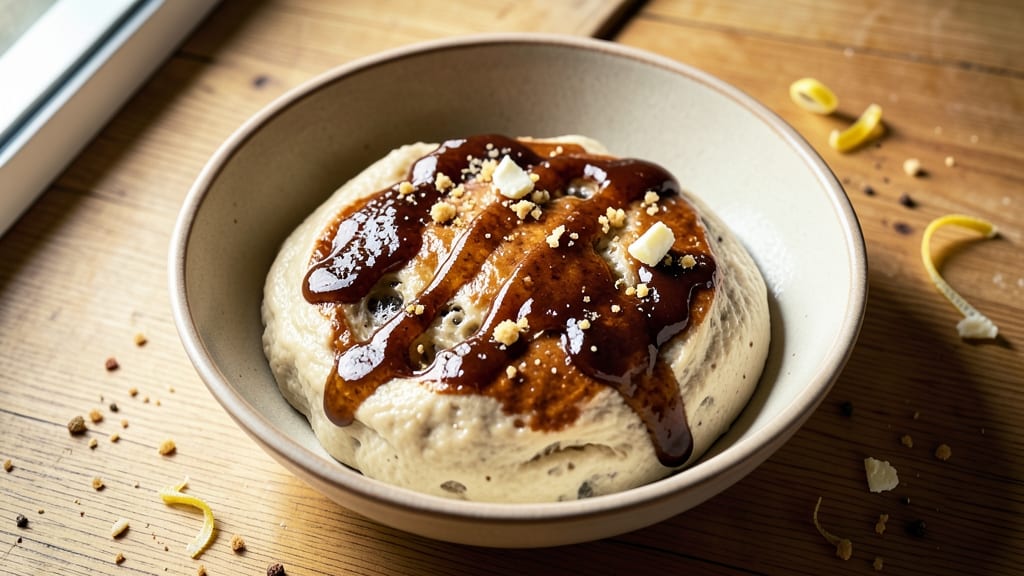
Alvin Ord's bread recipe delivers a slow-fermented crust with a deep, molasses-kissed flavor that transforms ordinary meals into something extraordinary. The secret lies in a 48-hour cold fermentation that develops complex, caramel-like notes while creating a chewy, open crumb structure.
This isn't just bread—it's a flavor experience that pairs beautifully with soups, stews, or even as a standalone centerpiece.
The process requires patience, but the results are worth every moment. You'll start with a simple dough of flour, water, yeast, and a touch of molasses, then let it ferment slowly in the refrigerator.
This extended fermentation breaks down the gluten and sugars, creating that signature depth and texture that sets this bread apart from standard loaves.
By the time you pull it from the oven, you'll have a loaf with a crisp, golden crust and a tender, slightly sticky interior that practically melts in your mouth.
The molasses adds a subtle sweetness that balances perfectly with savory spreads like butter, honey, or even sharp cheeses. This bread isn't just food—it's an experience that elevates every bite.
Perfect for those who appreciate the art of slow cooking, this recipe delivers restaurant-quality results at home. Whether you're serving it alongside a hearty soup or enjoying it fresh out of the oven, the flavor and texture will leave everyone asking for seconds.
Let's get started on creating your own masterpiece.
Ingredients for alvin ord's bread
Four loaves of extraordinary bread start with these simple yet transformative ingredients.
| Ingredient | Amount | Notes |
|---|---|---|
| Bread Flour 🌾 | 5 cups | High-protein for chewy texture |
| Unsalted Butter 🧈 | ½ cup | Cold, cubed for dough |
| Molasses 🍯 | ¼ cup | Dark, unsulphured preferred |
| Active Dry Yeast 🍞 | ½ tsp | Freshly measured, not clumped |
| Granulated Sugar 🍚 | 1 tbsp | White or brown sugar |
| Salt 🧂 | 1 ½ tsp | Diamond Crystal preferred |
| Warm Water 💧 | 1 ½ cups | 105-110°F for yeast activation |
| Cornmeal 🌽 | ¼ cup | For dusting baking sheet |
| Coarse Sea Salt 🧂 | 1 tsp | For topping crust |
| Ice Water ❄️ | ½ cup | For final dough adjustment |
The flour is non-negotiable here—King Arthur or Caputo bread flour gives that signature open crumb. If you're stuck with all-purpose, add an extra teaspoon of vital wheat gluten. Molasses? Goya or Blackstrap from the Latin aisle has the deepest flavor. The yeast must be fresh—if it's been sitting in your pantry for months, it won't deliver that 48-hour magic. For the butter, Plugrá or Land O'Lakes unsalted melts beautifully without overpowering. Keep everything cold until the dough comes together—your hands should feel chilled when you finish kneading.
No molasses? Maple syrup at half the amount works in a pinch, but you'll lose that caramel depth. Short on bread flour? All-purpose plus 1 tbsp vital wheat gluten mimics the protein structure. The warm water is critical—too hot kills the yeast, too cold and it won't activate. Test it with your pinky finger: it should feel warm, not hot. For the yeast, if you've got instant yeast, skip the sugar (it's already in the yeast). The ice water at the end? That's what creates the signature chewy texture—don't skip it, even if the dough feels sticky.
This dough is a patient's game. Once shaped, it needs 48 hours in the fridge—set a reminder or you'll forget. The longer it ferments, the more complex the flavor. Wrap tightly in plastic or a damp towel to prevent drying. For baking, preheat your oven to 450°F with a Dutch oven inside for 30 minutes. The bread keeps well for 5-7 days wrapped at room temp, or 3 months frozen. Slice it fresh—stale bread ruins the magic.
Why You'll Love This Recipe
- No-Knead, No-Fuss Magic: I swear by this—just mix, let it rise, and bake. The molasses and butter do all the heavy lifting while I scroll through my phone.
- Sweet & Smoky Depth: That molasses caramelizes into something rich and complex, like a hug from a bakery. The butter keeps it tender, but the crust? Crisp enough to make you pause mid-bite.
- Weeknight Bread Hero: Toss a slice in a sandwich, drizzle it with jam for breakfast, or serve it warm with butter. It’s my go-to for lazy mornings or impromptu dinner guests.
- Budget-Friendly Staple: A single batch costs pennies and lasts forever—freeze slices for toast later, or stash dough for emergency sourdough. Alvin Ord’s recipe turns basic ingredients into gold.
Step-by-step instructions for Alvin Ord's bread recipe
Here's how to craft this legendary slow-fermented loaf with rich molasses depth and a chewy crust.
Activate the Yeast and Begin the Dough
In a large bowl, combine the 1.5 cups warm water, 1 tbsp granulated sugar, and 0.5 tsp active dry yeast. Let this sit for 10-15 minutes until frothy—this confirms your yeast is alive and ready to work. If it doesn't bubble, your yeast may be dead, and you'll need to start over.
Once bubbly, add the 5 cups bread flour and 1.5 tsp salt to the bowl. Using a wooden spoon or your hands, mix until a shaggy dough forms. The molasses comes next—add the 0.25 cup molasses and mix again. Here's the thing: molasses is thick, so don't be surprised if it takes a few minutes to fully incorporate. The dough will be sticky, but that's exactly what we want for that moist, chewy texture.
Incorporate the Butter and Begin the First Ferment
Cut the 0.5 cup unsalted butter into small cubes and add them to the dough. Using your hands, work the butter into the dough until it's fully incorporated and the mixture becomes smooth. If it feels too sticky, don't panic—this is normal. The butter should melt slightly but still be visible in small pockets, which will create those delicious layers later.
Turn the dough onto a lightly floured surface and knead for 8-10 minutes until it's smooth and elastic. You'll know it's ready when it springs back slowly when poked. Shape the dough into a ball, place it back in the bowl, cover with a damp towel, and let it ferment at room temperature for 4-6 hours. You're looking for the dough to nearly double in size—this slow ferment develops incredible flavor and texture.
Cold Proof and Shape the Dough
After the initial ferment, transfer the dough to the refrigerator and let it cold proof for 12-16 hours. This step is crucial—it allows the gluten to relax and the flavors to meld. When you're ready to bake, remove the dough from the fridge and let it sit at room temperature for 1 hour to soften slightly.
Shape the dough into a round loaf by gently stretching and folding the edges toward the center. Place it on a baking sheet dusted with 0.25 cup cornmeal. This helps create a rustic crust and prevents sticking. Cover loosely with a towel and let it rise for another 1-2 hours until it's puffy and jiggly when touched. The molasses will give it a deep, rich aroma—trust me, it's worth the wait.
Bake to Golden Perfection
Preheat your oven to 375°F. Once hot, brush the dough with a little water and sprinkle the 1 tsp coarse sea salt evenly over the top. Bake for 45-50 minutes until the crust is deep golden brown and the internal temperature reaches 205°F. The bread should sound hollow when tapped on the bottom—this is your cue that it's fully baked.
For extra crust development, you can broil the bread for 1-2 minutes at the end, keeping a close eye to avoid burning. Let the bread cool on a wire rack for at least 30 minutes before slicing—this ensures clean cuts and prevents a gummy interior. The aroma alone will make your kitchen smell like a bakery, and the first bite? Pure molasses-kissed heaven.
Pro Tips For Making Alvin Ord'S Bread
- Warm the Molasses First: Alvin Ord’s bread relies on that deep, rich molasses flavor—so don’t just dump it straight from the bottle. Microwave it for 15–20 seconds or warm it in a small saucepan until it’s just pourable (around 100°F). Cold molasses thins the dough and throws off the yeast’s timing, and you’ll end up with a denser loaf. Trust me, your kitchen will smell like autumn before the dough even rises.
- Don’t Over-Knead the Dough: This isn’t pizza dough—you’re not trying to build a gluten wall. Knead just until the dough pulls away from the bowl and feels smooth (about 8–10 minutes by hand). Overworking it makes the bread tough and chewy, and you’ll regret it when you bite into a dense, gummy slice. Stop when it’s just cohesive, not when your arms are tired.
- Use a Thermometer for Butter: The butter in this recipe needs to be soft but not greasy—around 65–70°F. If you eyeball it and it’s still cold, the dough will fight you, and the flavor won’t integrate. Cut the butter into small cubes, let it sit at room temp for 30–45 minutes, then check with a thermometer. No guesswork, no butter pools in your loaf.
- Proof Until It’s Almost Ready: The dough should double in size, but don’t wait for it to look “perfect.” Press a finger gently into the dough—if it springs back slowly (not fast), it’s ready. Overproofing is the silent killer of Alvin Ord’s bread; the molasses makes the dough sticky and prone to collapsing. Err on the side of underproofing, then bake immediately. Your future self will thank you.
Creative variations of this alvin ord's bread
Sweet & Savory Variations
Swap the molasses for maple syrup (½ cup) to create a lighter, subtly sweet loaf that pairs perfectly with goat cheese and fig jam. For a deeper caramel note, add 1 tbsp brown sugar to the dough and brush the crust with molasses glaze after baking.
I’ve also made a cinnamon-raisin version by folding in ½ cup raisins and 1 tsp cinnamon during the final knead—it’s like dessert for breakfast! 🍯
Herb-Infused Twists
For a savory twist, mix 1 tbsp finely chopped rosemary or thyme into the dough before the cold proof. The herbs bloom beautifully during fermentation, adding an earthy depth that contrasts the molasses.
Try garlic-infused butter by mincing 3 garlic cloves into the cold butter cubes—this creates a rich, aromatic crust that’s perfect with olive oil and balsamic vinegar.
Whole Grain Adaptations
Replace 1 cup of bread flour with whole wheat flour or spelt flour for a nuttier, heartier loaf. The texture will be denser but still chewy, with a deeper molasses flavor.
For extra fiber, add ½ cup rolled oats to the dough—just pulse them in a food processor first to mimic flour texture. These variations work best with a longer cold proof (24 hours) to fully develop the grains’ flavors. 🌾
Regional Filipino Touches
Inspired by Alvin Ord’s Filipino roots, fold ½ cup shredded coconut into the dough for a tropical twist. Or, add 1 tsp toasted sesame seeds and a pinch of black pepper for a savory-sweet balance.
For a festive touch, sprinkle crushed toasted malunggay (spinach) leaves on top before baking—it adds a subtle bitter note that cuts through the molasses sweetness.
Gluten-Free Option
For a gluten-free version, use a 1:1 gluten-free bread flour blend (like King Arthur’s) and add 1 tbsp xanthan gum to mimic gluten’s structure. Reduce the water by ¼ cup—gluten-free dough absorbs less—and let the dough rest 30 minutes after mixing to hydrate fully.
The texture won’t be identical, but it’s still delicious with extra molasses (¼ cup + 1 tbsp) for moisture. 💪
Make-Ahead Hacks
Double the recipe and freeze shaped loaves before baking—wrap them in plastic wrap and parchment paper for up to 3 months. Thaw overnight in the fridge, then bake as directed.
For quick bread, shape the dough into mini boules (2-inch balls) and bake for 20-25 minutes—they’re perfect for charcuterie boards or soup accompaniments. Pre-slice and freeze for toast-ready convenience anytime. ⏰
Nutrition facts
Frequently asked questions
Why does Alvin Ord's bread need a 48-hour cold fermentation?
The long cold proof is key to developing that signature deep molasses flavor and chewy texture. During this time, enzymes break down complex sugars into simpler ones, creating caramel-like notes while the gluten relaxes for a tender crumb. Skipping this step results in a denser, less flavorful loaf—think of it as the secret to restaurant-quality bread at home!
Can I make this bread without molasses?
Yes! Substitute ½ cup maple syrup or ¼ cup honey plus 1 tbsp brown sugar for the molasses. The flavor will be lighter but still sweet, though you'll lose that signature caramel depth. For a savory version, omit it entirely and add 1 tsp garlic powder to the dough instead.
What's the best way to store Alvin Ord's bread?
Wrap cooled loaves tightly in plastic wrap or beeswax wrap and store at room temperature for 5-7 days. For longer storage, freeze sliced bread in an airtight container for up to 3 months. To revive, toast frozen slices directly from the freezer—they'll warm up perfectly!
Why did my bread turn out dense instead of chewy?
Dense bread usually means either:
- Insufficient kneading (8-10 minutes minimum)
- Skipping the cold proof or not letting it ferment long enough
- Overworking the dough (don't knead beyond the elastic point) Try adding 1 tbsp vital wheat gluten to the flour next time for better structure. The molasses also adds moisture—if your kitchen is dry, cover the dough with a damp towel during fermentation.
How can I make this bread gluten-free?
Use a 1:1 gluten-free bread flour blend (like King Arthur's) plus 1 tbsp xanthan gum to mimic gluten's structure. Reduce water by ¼ cup (gluten-free dough absorbs less) and let it rest 30 minutes after mixing. Add extra molasses (¼ cup + 1 tbsp) for moisture, and extend the cold proof to 24 hours for better flavor development.