
Desserts
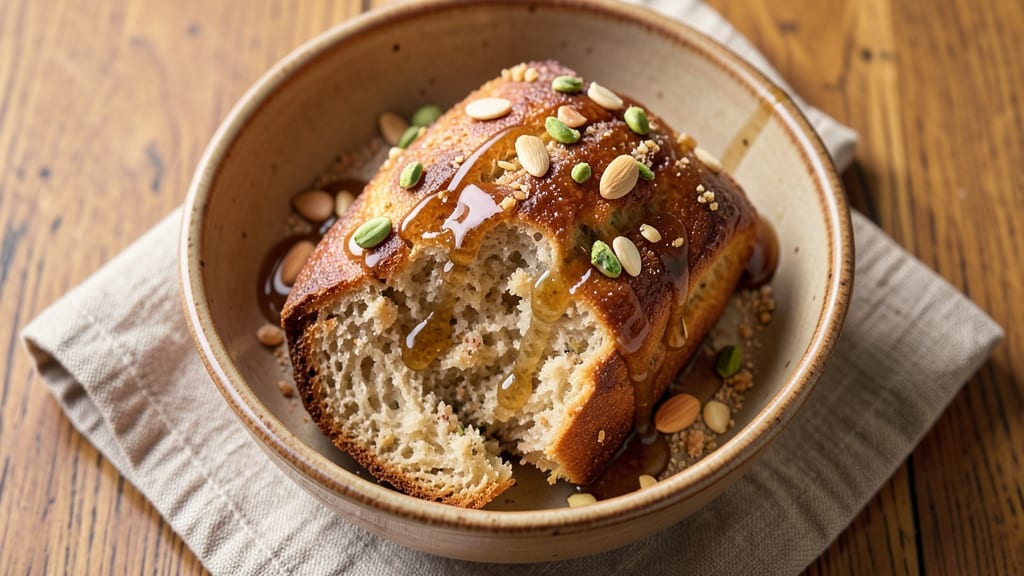
This amaretto bread recipe transforms simple ingredients into a showstopping dessert with layers of nutty liqueur swirls and a tender, buttery crumb. The secret lies in the amaretto—its almond essence infuses every bite with warmth and depth, while a rich dough creates the perfect canvas for those golden swirls.
I developed this recipe after years of baking, and it never fails to impress, whether served at holiday gatherings or as a decadent treat for two.
The process begins with a classic yeast-based dough that's enriched with butter and sugar, creating a texture that's both tender and sturdy enough to hold the amaretto swirls without collapsing.
The key to achieving those signature swirls is patience—letting the dough rest between layers ensures clean, even folds that bake up beautifully. Amaretto adds moisture and flavor, preventing dryness while enhancing the bread's natural sweetness.
By the time it emerges from the oven, you'll have a loaf with a golden crust, delicate swirls of caramelized amaretto, and a soft, buttery interior that practically melts in your mouth.
The aroma alone will have everyone gathering around the kitchen, and each slice reveals layers of flavor that balance sweetness with the nutty depth of the liqueur.
Serve it warm with a dusting of powdered sugar or a drizzle of melted chocolate for extra indulgence. This recipe delivers restaurant-quality results with minimal effort, making it perfect for both special occasions and everyday cravings. Let's get baking!
Ingredients for amaretto bread
Buttery dough, nutty liqueur swirls, and a golden crust—this bread delivers restaurant-quality indulgence with just 12 simple ingredients.
| Ingredient | Amount | Notes |
|---|---|---|
| All-Purpose Flour 🌾 | 4 cups | Sifted for light texture |
| Granulated Sugar 🍚 | ½ cup | White sugar preferred |
| Unsalted Butter 🧈 | ½ cup | Cold, cubed for dough |
| Active Dry Yeast 🍞 | 2 ¼ tsp | Fresh yeast preferred |
| Warm Whole Milk 🥛 | ¾ cup | 110°F for yeast activation |
| Large Egg 🥚 | 1 whole | Room temperature |
| Pure Vanilla Extract 🌿 | 1 tsp | High-quality preferred |
| Amaretto Liqueur 🍷 | ½ cup | Disaronno brand ideal |
| Powdered Sugar 🍚 | ¼ cup | For dusting and swirls |
| Diamond Crystal Kosher Salt 🧂 | 1 tsp | Fine grain preferred |
| Almond Extract 🌰 | ½ tsp | Pure almond flavor |
| Heavy Cream 🥛 | ¼ cup | For swirl richness |
The flour is the foundation here. King Arthur or Gold Medal brands yield the best texture, but any all-purpose works. Butter quality matters—Plugrá or Land O'Lakes unsalted are my go-tos, but avoid salted. The yeast must be active: proof it in warm milk for 5 minutes before adding to flour. Amaretto's almond essence is key; Disaronno delivers the most authentic flavor, but any quality brand will work. For the yeast, Fleischmann's is widely available and reliable.
No amaretto? Almond extract plus 2 tbsp almond syrup mimics the flavor, though the texture won't be identical. Short on heavy cream? Whipped coconut cream works for swirls, but it won't caramelize the same way. The almond extract can be swapped for 1/4 tsp marzipan paste in a pinch, though it lacks the liqueur's depth. For the dough, if you forget to sift the flour, whisk vigorously to aerate it—no need for a sifter. The vanilla extract should be pure; imitation won't cut it here.
This dough needs time to develop flavor—let it rise overnight for maximum depth. Store shaped loaves in the fridge for up to 3 days before baking, or freeze unbaked loaves for 3 months. Once baked, keep at room temperature for 2 days in an airtight container. For extra indulgence, brush warm slices with melted butter and dust with powdered sugar—trust me on this. The swirls caramelize best when served warm, but slices reheat beautifully.
Why You'll Love This Recipe
- No-Fuss Loaf: I swear by this dough—just mix, let it rise, and bake. No kneading, no fuss, just warm milk and butter doing the heavy lifting while I sip my coffee.
- Almond-Kissed Magic: That amaretto swirl? It’s like a grown-up dessert hiding in plain sight. The toasted almond notes from the sugar and butter make every slice taste like a hug from Italy.
- Breakfast or Snack: Honestly, I eat this for breakfast with butter, then again as an afternoon pick-me-up. It’s the kind of bread that doesn’t judge your schedule—just enjoy it.
- Lasts All Week: Between us, this loaf stays fresh for days. I’ll slice it thin for toast, cube it for French toast, or just nibble on it straight from the bag. Zero waste, all flavor.
Step-by-step instructions for amaretto bread recipe
This method delivers a tender crumb with rich amaretto swirls and golden crust every time.
Activate the Yeast and Prepare the Dough Base
In a large mixing bowl, combine the 4 cups all-purpose flour, 2.25 teaspoons active dry yeast, 1 teaspoon Diamond Crystal kosher salt, and 0.5 cup granulated sugar. Mix lightly to distribute the dry ingredients evenly. In a separate small bowl, whisk together the 0.75 cup warm whole milk (110°F) and 0.5 cup unsalted butter cut into small cubes until the butter melts completely.
Pour the warm milk-butter mixture into the dry ingredients and stir with a wooden spoon until a shaggy dough forms. The dough should come together but may still look dry. Add the 1 whole large egg, 1 teaspoon pure vanilla extract, and 0.5 teaspoon almond extract, mixing until fully incorporated. The almond extract will give that signature nutty aroma, while the vanilla adds depth to the flavor profile.
Knead and Develop the Dough
Turn the dough onto a lightly floured surface and knead for 8-10 minutes until smooth and elastic. You'll know it's ready when it springs back slowly when poked. The dough should feel slightly tacky but not sticky—add a little more flour if needed. For best results, use a stand mixer with a dough hook attachment and knead on medium speed for 5-6 minutes until the dough pulls away from the sides of the bowl.
Once kneaded, place the dough in a lightly greased bowl, cover with a damp kitchen towel, and let rise in a warm place for 1-1.5 hours or until doubled in size. The warm environment helps the yeast activate properly, creating a light, airy texture. I like to place the bowl near the oven with the light on for consistent warmth.
Prepare the Amaretto Swirl Filling
While the dough rises, prepare the amaretto filling by combining 0.5 cup amaretto liqueur, 0.25 cup heavy cream, and 0.25 cup powdered sugar in a small bowl. Whisk until smooth and set aside. This mixture will create those signature swirls that make this bread special. The powdered sugar adds sweetness while balancing the richness of the amaretto and cream.
After the dough has risen, punch it down gently to release any air bubbles. Roll it out on a floured surface into a 12x16-inch rectangle, about ½-inch thick. Spread the amaretto mixture evenly over the dough, leaving a ½-inch border around the edges. This border prevents the filling from leaking out during baking.
Shape and Proof the Bread
Starting from the long side, tightly roll the dough into a log, pinching the seam to seal. Transfer the log to a parchment-lined baking sheet, seam-side down. Cover loosely with plastic wrap and let rise for another 30-45 minutes until puffy. The dough should expand noticeably but not double in size again—this ensures the swirls stay intact during baking.
Preheat your oven to 375°F while the dough proofs. Once ready, bake the bread for 30-35 minutes until golden brown and the internal temperature reaches 190°F. The top should be a rich amber color with a slight crack forming along the seam. If the bread browns too quickly, tent it loosely with foil to prevent over-browning.
Cool and Serve
Remove the bread from the oven and let it cool on a wire rack for 10-15 minutes before slicing. This resting period allows the filling to set slightly, making it easier to slice cleanly without the amaretto oozing out. The bread should have a tender crumb with moist, flavorful swirls throughout.
Slice the bread into ½-inch thick pieces and serve warm for the best experience. The contrast of the soft, pillowy bread with the rich, nutty amaretto filling makes every bite irresistible. Store any leftovers in an airtight container at room temperature for up to 2 days or freeze for longer storage.
Pro Tips For Making Amaretto Bread
- MIX THE DOUGH BY HAND: I learned this the hard way—using a stand mixer for amaretto bread is a disaster. The butter and sugar are too dense, and you’ll end up with a gummy mess. Grab a wooden spoon or your hands (yes, really) and work it until it’s smooth but still cool to the touch. The gluten develops better this way, and the crumb stays light.
- MEASURE THE YEAST FRESH: That packet of yeast in your pantry might be older than your last grocery run. Test it first by sprinkling it into warm milk with a pinch of sugar—if it doesn’t foam in 5-10 minutes, toss it. Dead yeast means a flat, sad loaf, and nobody wants that when they’ve got amaretto waiting to be folded in.
- DON’T OVERPROOF THE LOAF: This is where most people mess up. The dough should double in size, but if you wait too long, the yeast eats all the sugar and the bread collapses like a deflated balloon. Poke it with a finger—if it springs back slowly, it’s ready. If it stays dented, you’ve gone too far.
- SWAP THE MILK FOR CREAM: I was skeptical until I tried it—whole milk makes the bread tender, but heavy cream adds a richness that cuts through the sweetness of the amaretto. Use half milk, half cream (about 1 cup total), and the texture becomes almost cake-like. Yes, it’s a splurge, but the flavor is worth it.
Creative variations of this amaretto bread
Classic Swirl Variations
For a double swirl effect, divide the dough into two equal rectangles after the first rise. Spread half with the amaretto mixture, then roll it up tightly. Repeat with the remaining dough and filling, then stack the two logs side by side on the baking sheet.
This creates a marbled pattern when sliced—perfect for a showstopping presentation. 🌟
Savory Twist
Swap the sweet filling for a savory amaretto glaze by reducing ¼ cup amaretto with 2 tbsp honey and 1 tbsp Dijon mustard on the stovetop until syrupy. Brush this mixture over the dough before shaping, then bake as directed.
The result is a nutty, tangy loaf that pairs beautifully with sharp cheeses like aged Gouda or blue cheese. Trust me, the flavor contrast is unexpected yet delicious!
Gluten-Free Adaptation
Replace the all-purpose flour with a 1:1 gluten-free baking blend (like King Arthur Measure for Measure) and add 1 tsp xanthan gum to the dough. Reduce the amaretto filling to ⅓ cup to prevent excess moisture, as gluten-free doughs can be drier.
Bake at 350°F for 35-40 minutes to avoid over-browning. The texture will be slightly denser but still packed with flavor.
Chocolate-Dipped Luxe
After baking, let the bread cool completely, then dip the top half into melted dark chocolate (use 70% cacao for balance). Drag a fork through the chocolate for a rustic finish, then sprinkle with crushed amaretti cookies or flaky sea salt.
This adds a decadent contrast that elevates the bread to dessert-worthy status. Serve with a scoop of vanilla bean ice cream for the ultimate indulgence. 🍫
Mini Loaves
Divide the dough into 4 equal portions after the first rise. Shape each into a small log (about 4x2 inches) and place in greased mini loaf pans. Proof for 20-25 minutes, then bake at 375°F for 20-25 minutes.
These bite-sized loaves are perfect for holiday appetizers or dessert buffets. The smaller size ensures even baking and caramelization of the swirls.
Almond-Free Version
If you’re avoiding almonds, replace the amaretto with a mix of ½ cup apricot jam and ¼ cup orange liqueur (like Cointreau). Boost the almond flavor with an extra ½ tsp almond extract in the dough.
The citrus notes add a bright, fruity twist that still delivers the cozy, nutty essence of the original. This version works beautifully with peach or raspberry compote on the side. ✨
Nutrition facts
Frequently asked questions
Can I make this amaretto bread without yeast?
Yes! For a quick version, replace the yeast with 1 teaspoon baking powder and ½ teaspoon baking soda. Use 1 cup sour cream instead of milk and reduce the rise time to 15 minutes before baking. The texture will be denser but still delicious—perfect for same-day treats!
Why did my amaretto swirls leak out during baking?
Leaking usually happens when the filling is too wet or the dough isn't properly sealed. To fix this, ensure your amaretto mixture has a thicker consistency (add 1 extra tablespoon powdered sugar) and leave a ½-inch border of dough around the edges when rolling. Also, don't overproof the dough before shaping—it should just be puffy, not doubled.
How do I store leftovers to keep them fresh?
Wrap cooled slices tightly in plastic wrap or store in an airtight container at room temperature for 2 days. For longer storage, freeze slices for up to 3 months. To reheat, warm in a 350°F oven for 5-7 minutes or microwave for 10-15 seconds—just until the swirls soften again.
Can I use a different liqueur instead of amaretto?
For a similar nutty flavor, try frangelico (hazelnut) or almond-flavored schnapps. For fruitier options, use raspberry liqueur or peach schnapps. Just reduce the amount by 2 tablespoons since these are often stronger. The dough's almond extract will still provide the base nutty aroma.
What's the secret to getting a perfectly golden crust?
The golden crust comes from two key steps: egg wash and oven spring. Brush the shaped loaf with 1 beaten egg before baking, then place it in a cold oven. Immediately after adding the bread, turn the oven to 375°F—this creates steam that helps the crust rise beautifully. For extra shine, sprinkle with powdered sugar after baking.