Side Dishes
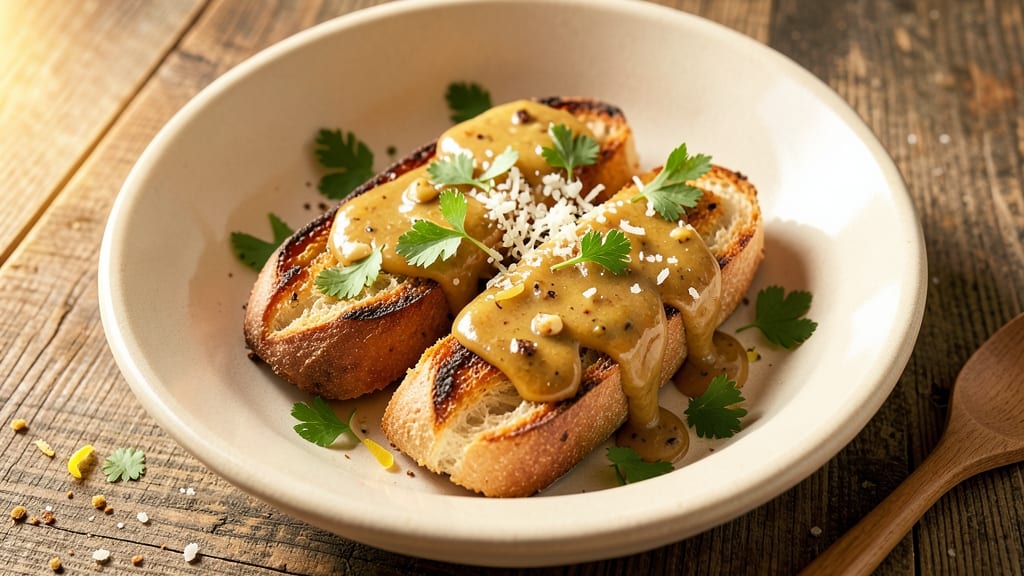
This amazing garlic bread recipe transforms simple ingredients into a buttery, garlicky masterpiece that'll have everyone reaching for seconds. I perfected it after years of testing—no sad, greasy loaves here, just crispy edges, tender crumb, and layers of aromatic garlic that taste like your favorite bakery's. The secret?
A foolproof butter-garlic paste that clings perfectly to every slice, plus a baking technique that guarantees that coveted golden crust.
What makes this recipe special is how it balances simplicity with restaurant-quality results. You can use store-bought bread for a quick version or make fresh dough if you're feeling ambitious—both methods deliver that perfect texture.
The real magic happens in the garlic butter mixture, where minced garlic infuses into softened butter until it's fragrant enough to make your kitchen smell like a Parisian café. No need for fancy tools, just patience and a hot oven.
By the time it emerges from the oven, you'll have garlic bread with a crispy, caramelized exterior that shatters at the first bite, giving way to soft, pillowy bread underneath.
The garlic flavor is rich and aromatic without being overpowering, and each slice is generously coated in that golden, buttery glaze. This isn't just side dish—it's the star of the meal, perfect for soaking up sauces, pairing with soups, or serving alongside any dinner.
Pro tip: For extra indulgence, sprinkle fresh parsley or grated parmesan on top before baking. The possibilities are endless, but the foundation—this buttery, garlicky crust—is what makes it truly amazing. Let's get started!
Ingredients for amazing garlic bread
Fourteen simple ingredients for bakery-worthy garlic bread that'll steal the show.
| Ingredient | Amount | Notes |
|---|---|---|
| Unsalted Butter 🧈 | ½ cup | Softened to room temperature |
| Garlic Cloves 🧄 | 8 whole | Minced finely for maximum flavor |
| All-Purpose Flour 🌾 | ½ cup | For breading if using store-bought |
| Fresh Parsley 🌿 | ¼ cup | Chopped finely for garnish |
| Parmesan Cheese 🧀 | ½ cup | Freshly grated for extra flavor |
| Baguette 🍞 | 1 whole | French bread, crusty preferred |
| Olive Oil 🫒 | 1 tbsp | For brushing bread |
| Salt 🧂 | 1 tsp | Kosher or sea salt |
| Black Pepper 🌶️ | ½ tsp | Freshly ground for warmth |
| Garlic Powder 🧄 | ½ tsp | For extra garlic kick |
| Dried Oregano 🍃 | ½ tsp | Optional for herby depth |
The butter is non-negotiable here—unsalted so you control the seasoning. Grab a European-style butter like Plugrá or Land O'Lakes if you want extra richness, but any good brand works. For the garlic, fresh is a must—the paste needs to be fragrant enough to make your kitchen smell amazing. I usually buy whole cloves and mince them myself, but pre-minced works in a pinch. The baguette? Crusty and sturdy is key—Trader Joe's or Whole Foods have great options, but any French bread will do. If you're feeling fancy, slice it yourself for even crispier edges.
No fresh parsley? Dried will work at half the amount, but it won't be as vibrant. Short on butter? Olive oil works in a pinch, though it won't be as rich. The garlic powder and oregano are optional but add depth—skip them if you're keeping it simple. For the bread, if you can't find a baguette, Italian bread or a long loaf works too. Just make sure it's not too soft—you want that structure to hold up to the buttery coating. Pro tip: if your butter isn't soft enough, microwave it for 20 seconds to just melt it, then let it cool slightly before mixing.
This keeps best at room temperature for 2 hours after baking—any longer and it gets soggy. For storage, wrap it tightly in foil and reheat in the oven at 350°F for 5 minutes to restore that crispy crust. The garlic butter paste? Store it in the fridge for up to 3 days—it's perfect for brushing on toast or grilled cheese later. I always make extra because it disappears fast. Freeze any leftovers in 1-slice portions for quick snacks later.
Why You'll Love This Recipe
- No-Fuss Assembly: I swear by this recipe because it’s basically three steps: melt butter, mix garlic into flour, and slather it on. The parsley and Parmesan take seconds to chop—no food processor, no stress. Honestly, I’ve made it while waiting for pasta to boil.
- Crispy-Creamy Magic: That perfect contrast—crunchy edges with gooey, buttery garlic inside—is what makes this worth it. The toasted Parmesan adds a nutty depth, and the fresh parsley cuts through the richness. I’ll be real: I’ve burned garlic bread before, but this version forgives mistakes.
- Every Meal Upgrade: Whether it’s a lazy weeknight dinner or a fancy dinner party, this bread elevates everything. Toss it with marinara for a quick pasta night, or serve it alongside steak—it’s the unsung hero that makes ordinary meals feel special. My roommates call it “the glue” of our dinners.
- Budget Win: A bag of flour, a head of garlic, and a wedge of Parmesan stretch for weeks—I freeze leftovers in slices and reheat them in seconds. Plus, using store-brand butter and pre-grated cheese keeps costs low without sacrificing flavor. Not the prettiest, but the taste makes up for it.
Step-by-step instructions for buttery, garlicky crust that rivals bakery fresh
Here's how to transform a simple baguette into restaurant-quality garlic bread with crispy edges and aromatic garlic flavor.
Prepare the Garlic Butter Mixture
In a medium bowl, combine the 0.5 cup softened unsalted butter with the 8 whole minced garlic cloves. I like to press the garlic through a garlic press for even distribution and maximum flavor. Add the 0.5 tsp garlic powder and 0.5 tsp dried oregano to deepen the aromatic profile. Mix well until the butter becomes pale and the garlic is evenly distributed throughout.
Next, fold in the 0.5 cup freshly grated Parmesan cheese and 1 tsp salt. The cheese adds a savory depth that balances the garlic's intensity. Let the mixture sit at room temperature for 10 minutes—this allows the flavors to meld together and makes it easier to spread later. If you're using store-bought bread, sprinkle the 0.5 cup all-purpose flour over the mixture and stir gently to create a light breading.
Prep the Baguette for Maximum Crispiness
Preheat your oven to 375°F while you prepare the bread. Cut the 1 whole baguette in half lengthwise, creating two long halves. Place them on a baking sheet lined with parchment paper, seam-side up. Brush the cut sides generously with 1 tablespoon olive oil—this creates a barrier that prevents the bread from drying out and helps the garlic butter adhere better.
Here's the thing—don't skip the oil. It ensures that crispy, golden crust we're after. If your baguette has a particularly hard crust, you can lightly score the top with a sharp knife to help the garlic butter penetrate deeper. This step is optional but makes a noticeable difference in flavor distribution.
Assemble and Bake to Golden Perfection
Spread the garlic butter mixture evenly over the cut sides of the baguette halves, pressing down gently to ensure it sticks. I use a small offset spatula for this—it gives me better control than my fingers. Sprinkle the 0.25 cup finely chopped fresh parsley and 0.5 tsp freshly ground black pepper over the top. The parsley adds a fresh contrast to the rich garlic flavor, while the pepper brings a subtle warmth.
Bake for 12-15 minutes until the edges are deep golden brown and the bread is heated through. You'll know it's done when the butter has melted completely and the crust is crispy enough to stand up on its own. If you notice the bread browning too quickly, tent it loosely with aluminum foil to prevent burning while it finishes cooking.
Rest and Serve Immediately
Remove the garlic bread from the oven and let it rest for 2-3 minutes before serving. This brief resting period allows the internal heat to redistribute, ensuring every bite is warm and gooey. The bread should be crispy on the outside with soft, buttery layers inside—each slice should pull apart easily but still hold its shape.
Serve immediately while still warm for the ultimate experience. The contrast between the crispy crust and the soft, garlicky interior is what makes this garlic bread truly amazing. If you have any leftovers (unlikely, but possible), store them in an airtight container and reheat in the oven for 5-7 minutes at 350°F to restore that perfect texture.
Pro Tips For Making Amazing Garlic Bread
- BUTTER: SOFTEN IT RIGHT: Take the unsalted butter out of the fridge 30 minutes before using—it needs to be soft enough to spread smoothly but not melted into a greasy puddle. I learned this the hard way when my garlic butter slid off the bread like a failed fondue attempt.
- GARLIC: SMASH IT FLAT: Peel the garlic cloves and smash them with the flat side of your knife before mincing. This releases more flavor and saves your fingers from a painful garlic squeeze. (Yes, even if you’re impatient like me.)
- AVOID: OVERLOAD THE BREAD: Less is more with garlic and cheese—start with 3-4 minced cloves and ¼ cup grated Parmesan per loaf. I once drowned a baguette in garlic and ended up with a sad, bitter mess instead of golden, buttery perfection.
- UPGRADE: TOAST THE PARMESAN: Sprinkle the grated Parmesan on the garlic butter before baking, not after. The heat will toast the cheese slightly, giving it a deeper, nuttier flavor. (Your future self will notice the difference.)
Wine and beer pairings for this recipe
Italian White Wines
For garlic bread, Italian whites like Vermentino or Pinot Grigio are my go-to choices—their crisp acidity and citrus notes cut through the richness beautifully. A 2022 Vermentino from Sardinia (around $15-$20) balances the garlic's boldness with a refreshing finish.
If you prefer something lighter, Soave Classico from Veneto offers almond and pear notes that complement the buttery texture. 🍷
Crisp Lager Pairings
A Peroni or Moretti lager cleanses your palate between bites of garlic bread, preventing flavor fatigue. The 5% ABV carbonation also helps cut through the fat, making each bite feel lighter.
For craft options, try a Belgian witbier like Stella Artois Wit—its coriander and orange peel notes add a fun contrast to the garlic's intensity.
Red Wine Alternatives
If you prefer red, go for light-bodied options like Chianti (Sangiovese) or Pinot Noir. A Chianti Classico with its 13% ABV and tart acidity stands up to the garlic while keeping the meal balanced.
Avoid heavy Cabernets—they'll overpower the delicate bread. For a fun twist, try a Rosé from Provence with its dry, strawberry notes that mirror the garlic's aromatic profile.
Non-Alcoholic Options
For a refreshing non-alcoholic pairing, sparkling water with a splash of lemon (like San Pellegrino) mimics wine's crispness. Alternatively, a ginger beer (like Feather's) adds a spicy kick that enhances the garlic's warmth.
For something richer, Italian blood orange soda (like Sanbitter) provides a citrusy contrast that brightens every bite. 💫
Beer and Bread Chemistry
The key to pairing beer with garlic bread is balancing hop bitterness against the garlic's intensity. A pilsner (like Heineken) with its light malt sweetness works perfectly, while a Belgian Dubbel (like Westmalle Dubbel) adds caramelized depth that mirrors the bread's toasted crust.
The rule? Lighter beer for lighter bread, heavier beer for heartier versions with extra cheese or herbs.
Nutrition facts
Frequently asked questions
Can I make this garlic bread with store-bought bread or do I need to bake it from scratch?
You can absolutely use store-bought bread for this recipe! The key is choosing a sturdy, crusty baguette—it holds up better to the buttery coating. If you're feeling ambitious and want to make homemade bread, focus on a basic dough with a high hydration ratio (about 70-75%) for that perfect crispy crust. The store-bought version is quicker and still delivers amazing results.
How do I prevent the garlic butter from making the bread soggy?
The secret is in the prep! Always brush the cut sides with olive oil before adding the garlic butter—this creates a moisture barrier. Also, bake the bread at 375°F for 12-15 minutes until the edges are deep golden brown. If your bread starts browning too quickly, tent it loosely with foil to prevent burning while it finishes cooking.
Can I make the garlic butter ahead of time?
Yes! The garlic butter paste keeps well in the fridge for up to 3 days in an airtight container. For best results, let it sit at room temperature for 10 minutes before spreading to make it easier to work with. You can also freeze it in 1-tablespoon portions for quick use later—just thaw in the fridge before baking.
What's the best way to reheat leftover garlic bread?
To restore that perfect crispy texture, wrap the garlic bread in foil and reheat in a 350°F oven for 5-7 minutes. For extra crunch, place it under the broiler for the last 1-2 minutes. Microwaving will make it soggy—never do that! The oven method ensures that golden, buttery crust we all love.
Can I use garlic powder instead of fresh garlic for convenience?
You can, but fresh garlic makes a world of difference! The paste needs to be fragrant enough to make your kitchen smell amazing, and fresh garlic delivers that aromatic punch. If you're short on time, use 1 tsp garlic powder plus 2 extra cloves of fresh garlic for a compromise. The texture will be slightly different, but the flavor will still be rich and delicious.