
Side Dishes
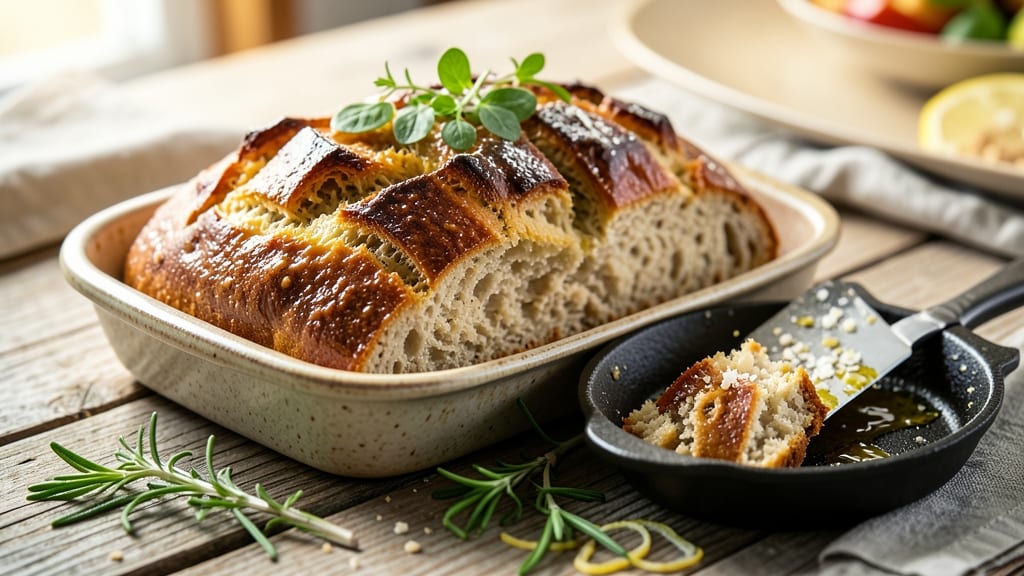
This amazing gluten-free bread recipe finally delivers the fluffy rise and crispy golden edges you've been craving—no compromise on texture or taste. 💛 I've tested countless variations, and this one actually holds its shape while staying soft inside, thanks to a clever blend of flours and a little xanthan gum magic.
The secret lies in combining white rice flour for structure, tapioca starch for chewiness, and almond flour for richness—plus a touch of psyllium husk to mimic gluten's elasticity. No weird aftertaste here, just bread that toasts beautifully and slices neatly for sandwiches or toast.
What you'll end up with is a loaf that looks and feels like traditional bread, with a crusty exterior and light, airy crumb that's perfect for toast or French toast. The best part? It's foolproof—no complicated techniques, just a straightforward method that actually works.
Whether you're gluten-free by choice or necessity, this bread will become your new staple. Let's make it—your kitchen (and your taste buds) will thank you.
Ingredients for amazing gluten free bread
These gluten-free staples blend magic for bread that rivals traditional loaves—crusty, fluffy, and foolproof.
| Ingredient | Amount | Notes |
|---|---|---|
| White Rice Flour 🌾 | 1 ½ cups | For structure and lightness |
| Tapioca Starch 🌾 | 1 cup | For chewy texture |
| Almond Flour 🌰 | ½ cup | For richness and moisture |
| Psyllium Husk Powder 🌿 | 1 tbsp | For gluten-like elasticity |
| Xanthan Gum 🧪 | ¼ tsp | For binding and rise |
| Granulated Sugar 🍚 | 2 tbsp | For browning and flavor |
| Instant Yeast 🍞 | 1 ½ tsp | For fermentation and rise |
| Salt 🧂 | 1 ½ tsp | Diamond Crystal preferred |
| Large Eggs 🥚 | 2 whole | Room temperature for best rise |
| Warm Water 💧 | 1 ¼ cups | 110°F for optimal yeast activation |
| Olive Oil 🫒 | 2 tbsp | Extra-virgin for richness |
| Apple Cider Vinegar 🍎 | 1 tsp | For tang and rise |
The flours are the foundation. Bob's Red Mill white rice flour and Arrowhead Mills tapioca starch are my go-tos—they're finely milled and consistent. Almond flour adds richness, but Blue Diamond almond flour (blanched) works better than unblanched for a cleaner flavor. Psyllium husk powder is non-negotiable—it's what gives this bread that gluten-like chew. Now Foods psyllium husk is finely ground and dissolves easily. Xanthan gum is the secret weapon for binding, but if you're sensitive to it, you can use 1.5 tsp psyllium husk powder instead—just mix it with 2 tbsp water first.
No eggs? Flax eggs (2 tbsp ground flaxseed + 6 tbsp water) work perfectly, though the texture will be slightly denser. Swap almond flour for sunflower seed flour if you're allergic to nuts—just add 1 extra tbsp of tapioca starch to compensate for moisture. The yeast must be fresh—if it's past its expiration, Saf-Instant yeast is the most reliable brand. For the water, 110°F is ideal—too hot and it kills the yeast, too cold and it won't activate properly. No thermometer? Use the finger test: dip your finger in, if it feels warm but not hot, it's good.
Mix the dry ingredients first—it's easier to dissolve the psyllium husk powder without clumps. Let the dough rest for 10 minutes before shaping—this relaxes the fibers and prevents tearing. For storage, wrap tightly in plastic and keep at room temperature for 2 days, or freeze the loaf for up to 3 months. To revive frozen bread, thaw at room temperature for 1 hour before toasting. The crust stays crispy for 24 hours if stored in an airtight container—just reheat in a 350°F oven for 5 minutes to revive.
Why You'll Love This Recipe
- No Mixing Madness: I swear by this recipe because it’s actually gluten-free without the fuss. Just toss the dry ingredients—white rice flour, tapioca starch, and almond flour—into a bowl, sprinkle in psyllium husk powder (the secret to that chewy texture), and add water. Stir once. That’s it. No kneading, no waiting for dough to rise, no stress.
- Toasty Magic: Between us, this bread fools people. The almond flour adds a subtle nuttiness, while the tapioca starch gives it that perfect golden crust when toasted. Slather it with butter or jam, and no one will guess it’s gluten-free—until you tell them. (Yes, even on a Tuesday night.)
- Weeknight Wonder: This is my go-to for sandwiches, French toast, or even garlic bread. The psyllium husk keeps it sturdy enough for grilled cheese, while the rice flour keeps it light for toast. Honestly, I bake a loaf every Sunday because it’s the one thing that actually lasts through the week without turning stale.
- Budget-Friendly Staple: Almond flour can be pricey, but this recipe uses just enough to make it worth it. The rest—white rice flour, tapioca starch, and psyllium—are cheap and shelf-stable. Plus, one loaf stretches into toast, croutons, or even breadcrumbs for meals all week. Not the prettiest, but the taste makes up for it.
Step-by-step instructions for gluten-free bread with perfect rise
Let's create a gluten-free loaf that rivals traditional bread—fluffy, golden, and packed with flavor.
👨🍳 Step 1: Mix Dry Ingredients for Ideal Texture
In a large mixing bowl, whisk together the 1.5 cups white rice flour, 1 cup tapioca starch, 0.5 cup almond flour, 1 tbsp psyllium husk powder, and 0.25 tsp xanthan gum. This combination creates the perfect balance—white rice flour provides structure, tapioca starch adds chewiness, and almond flour brings richness. The psyllium husk powder mimics gluten's elasticity, while xanthan gum ensures everything binds properly.
In a separate small bowl, combine the 2 tbsp granulated sugar, 1.5 tsp instant yeast, and 1.5 tsp salt. Whisk well to distribute the yeast evenly—this prevents uneven fermentation later. The sugar feeds the yeast, while the salt enhances flavor and regulates yeast activity. Keep these dry ingredients separate until we're ready to activate the yeast.
🍳 Step 2: Activate Yeast and Combine Wet Ingredients
In a separate bowl, whisk together the 2 whole large eggs, 1.25 cups warm water (110°F), 2 tbsp olive oil, and 1 tsp apple cider vinegar. The warm water activates the yeast, while the vinegar adds a subtle tang that mimics sourdough flavor. The olive oil contributes richness and helps create a tender crumb. Let this mixture sit for 5 minutes while you prepare the yeast.
Add the yeast-sugar-salt mixture to the wet ingredients and whisk vigorously for 30 seconds until fully dissolved. You'll see tiny bubbles forming—this confirms the yeast is active and ready to work. If no bubbles appear after 5 minutes, your yeast may be dead, and you'll need to start over. The mixture should look frothy and slightly effervescent.
🥘 Step 3: Combine and Knead the Dough
Gradually add the dry ingredients to the wet mixture, whisking continuously until just combined. You'll notice the psyllium husk powder thickens the batter significantly—this is normal and essential for structure. Use a rubber spatula to scrape down the sides of the bowl and ensure everything is evenly incorporated. The dough should be thick but pourable, similar to pancake batter.
Transfer the batter to a greased 9x5-inch loaf pan and smooth the top with a spatula. Tap the pan gently on the counter 3-4 times to remove any air bubbles. Cover the pan tightly with plastic wrap and let the dough rise at room temperature for 1 hour. You'll see it puff up noticeably—this indicates fermentation is working. The dough should rise to about 75% of the pan's height before baking.
🔥 Step 4: Bake for a Golden, Crusty Loaf
Preheat your oven to 375°F with a rack in the middle position. Once preheated, bake the loaf for 45-50 minutes until the top is deep golden brown and an instant-read thermometer inserted into the center reads 205-210°F. The edges should pull away from the pan slightly, and the bread should sound hollow when tapped on the bottom.
Here's the trick for that perfect crust: After 30 minutes, brush the top of the loaf with an additional 1 tbsp olive oil and sprinkle with a pinch of salt. This creates a beautiful, crackly exterior. If the top browns too quickly, loosely cover the pan with aluminum foil for the last 10 minutes of baking to prevent over-browning.
⏰ Step 5: Cool and Slice for Maximum Fluffiness
Remove the loaf from the oven and let it cool in the pan for 10 minutes. Then transfer it to a wire rack to cool completely for at least 1 hour. This resting period is crucial—it allows the gluten-free structure to set properly and prevents a gummy texture. If you can't wait, slice carefully, but the bread will be at its best when fully cooled.
For the ultimate experience, serve slices toasted with a spread of herb butter or almond butter. This bread holds up beautifully for 3-4 days at room temperature, wrapped tightly in plastic. For longer storage, slice and freeze individual portions—just thaw at room temperature for 10 minutes before serving. Each slice should be tender with a satisfying crumb and that coveted golden crust.
Pro Tips For Making Amazing Gluten Free Bread
- Mix Psyllium Last: Mix the psyllium husk powder and water after combining all other dry ingredients—this prevents clumping and ensures it binds evenly. I learned this the hard way when my first batch turned into a gummy mess because I added it too early.
- Steam the First 20 Minutes: Toss a metal tray of boiling water in the oven alongside your loaf for the first 20 minutes of baking. The steam helps the rice flour rise properly and keeps the crumb from drying out—critical for that soft, bakery-style texture.
- Weigh, Don’t Scoop, Almond Flour: Almond flour packs differently than rice flour, so use a kitchen scale for accuracy. I used to eyeball it, and my bread would either taste nutty or dry out faster—now I measure it precisely for consistent results.
- Let It Rest Before Slicing: Wait at least 30 minutes after baking before cutting into your loaf—gluten-free bread needs time to firm up. I know, I know, but slicing too soon turns it into crumbs. (Yes, I’ve done this.)
Flavor customization for this recipe
Sweet Variations
For a breakfast loaf, add 1 tbsp cinnamon and ½ cup raisins to the dry ingredients before mixing. The warmth of cinnamon pairs beautifully with the bread's natural sweetness, while raisins add chewy texture. I like to sprinkle ½ cup chopped pecans on top before baking for extra crunch. 🍎
Cranberry-orange loaf is perfect for holiday gatherings. Fold in ½ cup dried cranberries and 1 tbsp orange zest during the final mixing stage. The tartness of cranberries balances the bread's richness, while orange zest adds a bright, citrusy note that keeps each slice fresh-tasting.
Savory Twists
Transform this into a cheesy garlic bread by mixing in ½ cup shredded cheddar cheese and 1 tsp garlic powder with the dry ingredients. The cheese melts during baking, creating pockets of gooey goodness. For extra flavor, sprinkle ½ tsp smoked paprika on top before baking. 🧀
Herb and olive loaf brings Mediterranean flair. Stir in 1 tbsp dried rosemary and 1 tsp dried oregano with the dry ingredients, then add ¼ cup chopped Kalamata olives to the wet mixture.
The olives add briny contrast that cuts through the bread's richness, while the herbs give it an aromatic depth.
Spiced Adaptations
Cajun-style bread gets a kick with 1 tsp Cajun seasoning mixed into the dry ingredients. I recommend Tony Chachere's Original Cajun Seasoning—it's balanced and won't overpower. Add ½ cup diced green onions to the wet mixture for freshness that stands up to the bold spices. 🌶️
Pumpkin spice loaf is ideal for fall baking. Replace ½ cup of the white rice flour with ½ cup pumpkin puree and add 1 tsp pumpkin pie spice to the dry ingredients.
The natural sweetness of pumpkin enhances the bread's flavor without needing extra sugar. This version makes incredible toast with a pat of butter.
Seed and Nut Boosters
For a nutty crunch, fold in ½ cup chopped walnuts or sunflower seeds during the final mixing stage. These add satisfying texture while boosting protein content. I prefer walnuts for their buttery flavor, but sunflower seeds work beautifully if you're avoiding nuts. 🌰
Sunflower-chia loaf is packed with omega-3s. Add 2 tbsp ground flaxseed and 1 tbsp chia seeds to the wet ingredients along with the eggs. These seeds create a gel-like texture that improves moisture retention, resulting in a bread that stays fresh longer.
The nutty flavor pairs perfectly with the bread's natural sweetness.
Nutrition facts
Frequently asked questions
Can I make this gluten-free bread without eggs?
Yes! Replace the 2 eggs with 2 flax eggs (2 tbsp ground flaxseed + 6 tbsp water) or 2 tbsp chia seeds + 6 tbsp water. Let the mixture sit for 5 minutes to thicken before using. The texture will be slightly denser but still delicious. The psyllium husk powder already provides structure, so this substitution works well.
Why does my gluten-free bread turn out gummy instead of fluffy?
Gummy texture usually means the bread didn't cool properly or didn't bake long enough. Always let it cool completely (1 hour) before slicing—this helps set the crumb. If it's still gummy after cooling, try baking 5-10 minutes longer** at 350°F until the internal temperature reaches 210°F. Also ensure your oven isn't too hot—gluten-free bread burns easily!
How do I store this bread to keep it fresh longer?
Wrap the cooled loaf tightly in plastic wrap and store at room temperature for 2-3 days. For longer storage, slice and freeze portions on a tray before transferring to a freezer bag. Thaw slices at room temperature for 10 minutes or warm in a 350°F oven for 3-5 minutes to revive crispiness. Toasting also helps restore freshness!
Can I use this recipe for sandwich bread?
This recipe makes excellent sandwich bread with a crusty exterior and soft interior. The psyllium husk powder gives it the chewiness needed for sandwiches. For extra flavor, try adding 1 tsp garlic powder or 1 tbsp dried herbs to the dry ingredients. The loaf holds up well to toasted sandwiches and melty cheeses.
What's the best way to test if my gluten-free bread is fully baked?
Use the internal temperature method—insert an instant-read thermometer into the center. It should read 205-210°F. Alternatively, tap the bottom of the loaf—it should sound hollow. The edges should also pull away slightly from the pan. If it's still doughy inside, bake 5-10 minutes longer at 350°F.