
Side Dishes
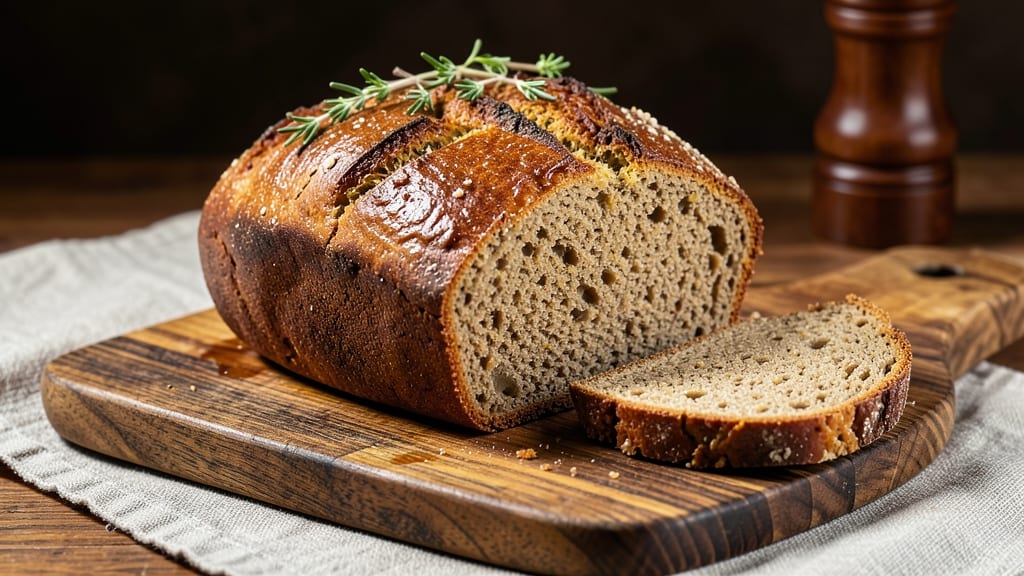
This American pumpernickel bread recipe delivers the perfect balance of deep molasses crust and nutty swirls inside—just like your favorite bakery loaf. 💛 The secret lies in using a blend of rye flour and molasses for that signature flavor, while a touch of honey and spices create warmth without overpowering sweetness.
This recipe has been refined to achieve a dense yet tender crumb with a crackly crust that toasts beautifully for breakfast or sandwiches.
The process combines traditional bread-making techniques with a few key adjustments to ensure success. You'll start with a simple dough that incorporates molasses and spices directly into the flour mixture, creating those signature swirls when baked.
Unlike German versions, this American style keeps the sweetness balanced, making it versatile for both sweet and savory applications. Proofing the dough overnight in the refrigerator enhances flavor development and yields a more flavorful loaf.
Once baked, you'll have a rustic loaf with a deep amber crust that's irresistible to slice into. The interior reveals those characteristic nutty swirls that give pumpernickel its distinctive appearance and flavor.
This bread is perfect for breakfast toast, sandwiches, or served alongside soups and stews. The recipe yields one standard loaf pan, but you can easily scale it up for gifts or gatherings.
For best results, store the bread wrapped in a clean kitchen towel at room temperature for up to 3 days. For longer storage, freeze slices wrapped in plastic and toast directly from frozen.
The flavor actually improves over time, making this a bread worth baking ahead. Let's get started on creating your perfect pumpernickel loaf!
Ingredients for american pumpernickel bread
Ten ingredients for bakery-style pumpernickel with perfect molasses crust and nutty swirls inside.
| Ingredient | Amount | Notes |
|---|---|---|
| Rye Flour 🌾 | 3 cups | Dark rye for authentic flavor |
| All-Purpose Flour 🌾 | 1 cup | For lighter texture |
| Molasses 🍯 | ½ cup | Unsulphured for best flavor |
| Honey 🍯 | ¼ cup | Wildflower preferred |
| Active Dry Yeast 🍞 | 2 ¼ tsp | Or 1 packet instant yeast |
| Warm Water 💧 | 1 ¼ cups | 110°F for yeast activation |
| Granulated Sugar 🍚 | ¼ cup | For yeast activation |
| Salt 🧂 | 1 ½ tsp | Diamond Crystal preferred |
| Ground Cinnamon 🌿 | 1 tsp | Freshly ground for warmth |
| Ground Ginger 🌿 | ½ tsp | Freshly ground preferred |
| Ground Cloves 🌿 | ¼ tsp | Freshly ground for depth |
| Unsalted Butter 🧈 | ½ cup | Cold, cubed for swirls |
| Almond Flour 🥜 | ¼ cup | For nutty swirls |
| Sesame Seeds 🌰 | 1 tbsp | For crust texture |
The rye flour is non-negotiable—King Arthur or Bob's Red Mill dark rye gives that deep, authentic flavor. Unsulphured molasses is a must (the sulphured kind tastes like cough syrup), and you can find it at Whole Foods or any good grocery store. The honey adds subtle sweetness without overpowering, so don't skip it. For the spices, Penzeys or bulk bins at natural markets have the freshest ground versions—cloves especially make a difference here. The butter should be cold when you cube it for those signature swirls, so pull it straight from the fridge.
No dark rye flour? Substitute with half whole wheat and half all-purpose, but the flavor won't be identical. Running out of molasses? Maple syrup works in a pinch, though it's lighter in color. The yeast is the heart of this bread—if yours isn't fresh, test it first in warm water with a pinch of sugar. For the nutty swirls, almond flour is ideal, but walnut or pecan flour works too. Sesame seeds add crunch, but poppy seeds or flaxseeds can stand in if you're out. The dough will be sticky—don't fight it, just wet your hands before handling.
This dough needs time to develop flavor, so proof it overnight in the fridge. Wrap tightly in plastic and let it rise until doubled—usually 8-12 hours. The bread keeps best wrapped in a clean kitchen towel at room temperature for 3 days, but the flavor actually improves over time. For longer storage, freeze slices wrapped in plastic and toast directly from frozen. The crust gets even more intense after a day or two, making it perfect for sandwiches or toast.
Why You'll Love This Recipe
- No-Knead Magic: I swear by this dough—just mix, rest, and bake. The rye flour does all the heavy lifting while you sip coffee, and that molasses-honey combo? It’s foolproof even if you’re not.
- Deep, Rich Crust: That first slice? Dark, crackly crust with a chewy center—like a hug in bread form. The molasses gives it a caramelized sweetness that pairs perfectly with butter or jam.
- Breakfast to Brunch: Toast it thick for French toast, slice it for sandwiches, or serve it warm with honey butter. Honestly, I’ve used it for everything from a quick weekday breakfast to a Sunday brunch centerpiece.
- Budget-Friendly Staple: A single loaf costs pennies to make and lasts for days. Freeze slices for toast later, or stash it in the fridge for weeks—no sad, stale bread here. My wallet and my taste buds thank me.
Step-by-step instructions for American pumpernickel bread
Here's how to bake that perfect deep molasses crust with nutty swirls—every slice will be rich and aromatic!
👨🍳 Step 1: Activate the Yeast and Mix the Wet Ingredients
In a large bowl, combine 1.25 cups warm water (about 110°F) with 0.25 cup granulated sugar and 2.25 tsp active dry yeast. Let it sit for 5-10 minutes until frothy—you'll see little bubbles forming on top. This tells you the yeast is alive and ready to work its magic.
In a separate bowl, whisk together 0.5 cup molasses and 0.25 cup honey until smooth. I like to warm these slightly in the microwave for 10 seconds to help them blend better with the water. Pour this mixture into the yeast mixture and stir until fully combined. The molasses will give that signature deep, caramelized flavor we all love.
👨🍳 Step 2: Combine Dry Ingredients and Form the Dough
In a stand mixer fitted with the dough hook, combine 3 cups rye flour, 1 cup all-purpose flour, 1.5 tsp salt, 1 tsp ground cinnamon, 0.5 tsp ground ginger, and 0.25 tsp ground cloves. Mix on low speed for 30 seconds to aerate the flours.
With the mixer still running on low speed, gradually pour in the wet ingredients. Mix for 3-4 minutes until the dough comes together and starts pulling away from the sides of the bowl. You'll know it's ready when it forms a shaggy, cohesive mass that cleans the sides of the bowl. If it's too sticky, add 1 tablespoon more rye flour at a time until it's manageable.
🥘 Step 3: Knead and Prepare the Dough for Rising
Switch to the dough hook attachment and knead the dough for 5-7 minutes on medium speed until smooth and elastic. The dough should be slightly tacky but not sticky—it should pass the "windowpane test" (stretch a small piece and it should be thin enough to see light through without tearing).
Shape the dough into a ball, place it in a lightly oiled bowl, and cover with a damp towel. Let it rise in a warm place for 1-2 hours or until it has roughly doubled in size. I like to place my oven light on for 5 minutes before turning it off to create a warm environment—this helps the dough rise faster and more evenly.
🍳 Step 4: Add the Butter and Almond Flour Swirls
Once the dough has risen, punch it down to release the air. On a lightly floured surface, roll it out into a 12x18-inch rectangle. In a small bowl, mix 0.5 cup cold unsalted butter and 0.25 cup almond flour together until crumbly. Spread this mixture evenly over the rolled-out dough, leaving a ½-inch border around the edges.
Starting from the long side, tightly roll the dough into a log, sealing the edges well. Pinch the seam to ensure no filling escapes during baking. This step is what creates those beautiful nutty swirls inside—don't skip it! Place the log seam-side down in a greased 9x5-inch loaf pan.
🔥 Step 5: Bake to Perfection and Add the Sesame Crust
Preheat your oven to 350°F. Brush the top of the loaf with a little water and sprinkle evenly with 1 tablespoon sesame seeds. Bake for 50-55 minutes until the top is deep golden brown and a toothpick inserted in the center comes out clean. The bread should smell rich and molasses-scented—this is your cue that it's ready!
Let the bread cool in the pan for 10 minutes, then transfer it to a wire rack to cool completely. The crust will firm up as it cools, giving you that perfect balance of crispy exterior and tender interior. Slice while still slightly warm for the best texture—each bite should be rich, slightly sweet, and packed with those nutty swirls.
Pro Tips For Making American Pumpernickel Bread
- Bloom the Yeast First: Skip mixing yeast into dry ingredients—it’s a waste of time. Instead, dissolve it in warm water (110°F) with a pinch of honey first, then let it sit for 5-10 minutes until frothy. This guarantees your bread rises properly, especially since rye flour’s density can slow fermentation. (Yes, even if you’re impatient like me.)
- Mix Molasses Last: Molasses is sticky and aggressive—add it to the dough after combining wet and dry ingredients. If you mix it in early, you’ll end up with a gummy, hard-to-handle mess. A splash of cold water helps tame it once it’s in.
- Don’t Over-Knead the Dough: Rye flour is heavy, and overworking it turns the dough tough. Knead just until smooth—about 8-10 minutes by hand or 5-6 minutes in a mixer. Stop when it pulls away cleanly from the bowl. (I learned this the hard way after making a brick instead of bread.)
- Steam the Loaf: Pumpernickel loves steam. Place a metal bowl of boiling water in the oven before baking, then cover the loaf with foil for the first 20 minutes. This prevents a dry crust and helps that deep, chewy texture develop. (Your future self will thank you.)
Troubleshooting your american pumpernickel bread
Dense Dough Issues
If your dough feels too dense or heavy after kneading, you might be overmixing or using too much rye flour. I find that adding 1-2 tablespoons of honey to the dough helps lighten the texture while enhancing sweetness.
Also, ensure your yeast is fresh—old yeast can produce a dense, gummy loaf. Try activating the yeast in 110°F water for 10 minutes before mixing with other wet ingredients to confirm it's active (it should foam visibly).
Pale or Weak Crust
A pale crust often means the dough didn’t rise enough or the oven wasn’t hot enough. First, verify your oven temperature with an oven thermometer—many home ovens run 25°F cooler than set.
For extra crust depth, brush the top with molasses glaze (mix 1 tbsp molasses with 1 tbsp water) before baking. Also, bake on the middle rack for even heat distribution.
Swirls Not Visible
If your nutty swirls disappeared during baking, the butter likely melted too quickly. Keep the butter cold and cubed when spreading it on the dough. Roll the dough tightly to seal the filling, and place it in a preheated pan to prevent heat loss.
For extra insurance, chill the dough log in the fridge for 30 minutes before baking—this helps maintain the swirls.
Dough Sticking to Pan
Grease your loaf pan thoroughly with butter or baking spray, but don’t overdo it—excess grease can make the crust soggy. Line the pan with parchment paper for easy removal and a crispier crust.
If the bread still sticks, try brushing the pan with molasses before adding the dough—it caramelizes during baking and creates a natural barrier.
Overly Sweet Bread
If your bread tastes too sweet, reduce the honey to 1 tbsp and use less molasses (try ¼ cup instead of ½ cup). Balance the sweetness with extra spices—½ tsp more cinnamon or ¼ tsp cardamom adds warmth without sugar.
For a savory twist, add 1 tsp black pepper to the dough before baking.
Bread Collapsed After Baking
A collapsed loaf usually means the yeast didn’t activate properly or the dough overproofed. Double-check your yeast by testing it in warm water with sugar—it should foam within 5-10 minutes.
If proofing in the fridge, don’t exceed 12 hours to prevent overfermentation. For extra support, place a baking sheet under the loaf pan during baking to catch any potential overflow.
Nutrition facts
Frequently asked questions
Why does American pumpernickel bread taste different from German versions?
American pumpernickel is typically less sweet and uses more molasses than honey, while German versions often rely on dark rye and caraway seeds. The American recipe balances molasses with spices like cinnamon and ginger, creating a warmer, spicier profile without overwhelming sweetness. German pumpernickel tends to be denser and darker.
Can I make this bread without a stand mixer?
Use a large bowl and mix the dough by hand for 8-10 minutes until it becomes smooth and elastic. Knead vigorously on a floured surface until it passes the windowpane test (stretch a small piece thin enough to see light through). The dough will be sticky, so wet your hands occasionally to prevent sticking.
How do I store this bread to keep it fresh?
Wrap the cooled loaf tightly in a clean kitchen towel or beeswax wrap, then store at room temperature for up to 3 days. For longer storage, slice the bread and freeze the slices in a sealed bag. Toast directly from frozen for maximum freshness—this restores the crust beautifully while keeping the interior tender.
What’s the best way to test if my yeast is active?
Mix 1 tsp yeast with ¼ cup warm water (110°F) and ½ tsp sugar in a small bowl. Let it sit for 5-10 minutes—if it becomes frothy and bubbly, your yeast is active. If nothing happens after 10 minutes, your yeast is likely dead and should be replaced.
Can I add seeds or nuts to this recipe?
Yes! For extra texture, try adding ¼ cup sunflower seeds or ½ cup chopped walnuts to the dough before shaping. For a crunchy topping, sprinkle sesame seeds, poppy seeds, or flaxseeds on the loaf before baking. Just reduce the almond flour by 1-2 tablespoons to balance the extra moisture from seeds.