Side Dishes
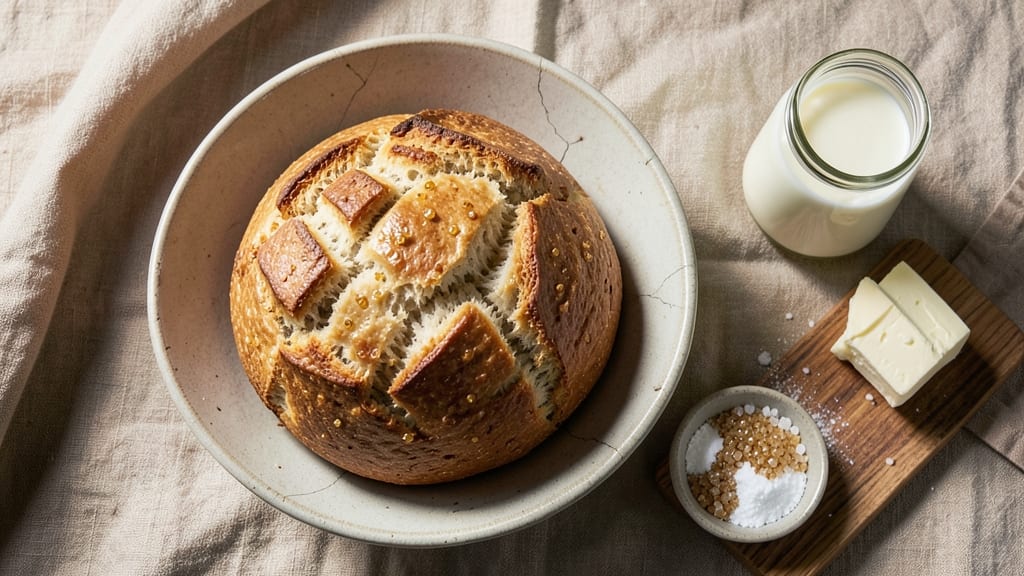
American soda bread brings rustic charm to your table with its tender crumb and golden crust, all without a single knead. This Irish-American classic relies on baking soda for lift and buttermilk for tangy depth, creating a quick bread that's perfect for weeknight dinners or holiday sides. The secret lies in its simplicity—just mix, shape, and bake—and the result is a loaf that's crisp on the outside, soft inside, and packed with homestyle warmth.
The beauty of this recipe is its no-fuss preparation: no yeast, no waiting for dough to rise, and no complicated techniques. A simple blend of flour, baking soda, buttermilk, and butter comes together in minutes, then bakes into a loaf with a slightly cracked crust that's impossible to resist.
This bread pairs beautifully with soups, stews, or even as a base for sandwiches—its mild flavor lets other ingredients shine.
What makes American soda bread special is its cultural roots, brought to the U.S. by Irish immigrants who adapted it to local ingredients. The buttermilk adds a subtle tang that balances the bread's mild sweetness, while the baking soda creates a light, airy texture without yeast.
Baking it in a cast-iron skillet gives an extra rustic touch, but a standard loaf pan works just as well.
Ready in under an hour, this bread delivers restaurant-quality results with minimal effort. The crust stays crisp even when sliced, and the crumb remains tender for days. Whether you're serving it warm from the oven or reheating leftovers, it's a homestyle staple that feels like a hug in bread form.
Ingredients for american soda bread
Six simple ingredients transform into rustic American soda bread with crisp crust and tender crumb.
| Ingredient | Amount | Notes |
|---|---|---|
| All-Purpose Flour 🌾 | 4 cups | Sifted for even texture |
| Baking Soda 🧂 | 1 tbsp | Pure, not baking powder |
| Salt 🧂 | 1 ½ tsp | Diamond Crystal preferred |
| Unsalted Butter 🧈 | ½ cup | Cold, cubed for even mixing |
| Buttermilk 🥛 | 1 ½ cups | Full-fat for best flavor |
| Granulated Sugar 🍚 | ¼ cup | White or light brown |
| Milk 🥛 | ½ cup | For dough consistency |
| Poppy Seeds 🌱 | 1 tbsp | Optional for classic touch |
| Sesame Seeds 🌱 | 1 tbsp | Optional for texture contrast |
The flour is the foundation—King Arthur or Gold Medal brands work best for that perfect crumb. If your buttermilk smells sour, it's still fine to use (the tang is part of the charm), but for the best flavor, grab fresh from Whole Foods or your local dairy section. The butter should be cold—Plugrá or Land O'Lakes work well, but any unsalted brand will do. For that authentic Irish touch, look for Diamond Crystal kosher salt—it dissolves better than table salt and gives a cleaner flavor. If you're baking in a cast-iron skillet (highly recommended), preheat it in the oven for 15 minutes first—this helps create that signature crisp crust.
No buttermilk? Mix 1 cup milk + 1 tbsp vinegar or lemon juice, let sit 5 minutes. Running short on butter? Coconut oil or lard (yes, lard!) works in a pinch, though the flavor will differ slightly. Swap poppy seeds for sesame or flaxseeds if you prefer. The sugar can be omitted entirely if you want a more rustic, slightly tangy bread—just adjust the milk to keep the dough from being too dry. For extra richness, some bakers add 1 egg yolk, but traditional recipes skip it entirely. If you're using a loaf pan instead of cast iron, grease it well or line with parchment for easy removal.
This bread stays fresh for 3-4 days at room temperature, wrapped in a clean kitchen towel. For longer storage, slice and freeze portions on a tray, then transfer to a bag—reheats beautifully in a toaster or oven. The cast-iron version keeps best with the crust intact; if you slice it too soon, the crumb dries out faster. For serving, brush warm slices with melted butter—trust me, it's worth the extra minute. Leftovers? Toss them in a baggie with a slice of American cheese for quick grilled cheese sandwiches later.
Why You'll Love This Recipe
- No-Measurement Madness: Mixing this bread is like playing with a box of LEGO—just dump everything in, stir once, and you’re done. The baking soda does all the work, so no yeast fussing or waiting for dough to rise. (Yes, even on a Tuesday night.)
- Buttermilk Magic: That tangy, creamy buttermilk? It’s the secret weapon. The butter melts into flaky layers while the buttermilk keeps it moist—no dry, sad bread here. Honestly, the first slice makes me forget I’m making bread, not dessert.
- Leftover Legend: This bread stays fresh for days, and toasted? It’s even better. Freeze slices for quick breakfasts or sandwiches—no reheating needed. My kids grab it straight from the freezer, toss it in the toaster, and call it "lunch."
- Pantry Staple Power: All the ingredients are probably already in your cupboard. Flour, butter, buttermilk—no specialty items, no last-minute grocery runs. Between us, this is the kind of recipe that makes you feel like you’re feeding a crowd without breaking the bank.
Step-by-step instructions for American soda bread
This no-knead method delivers a rustic crust and tender crumb with minimal effort.
Mix Dry Ingredients for Even Distribution
In a large mixing bowl, combine the 4 cups All-Purpose Flour, 1 tbsp Baking Soda, and 1.5 tsp Salt. Use a whisk to break up any flour lumps and ensure the baking soda distributes evenly throughout the flour. This step is crucial—uneven baking soda can cause uneven rising later. Sift the flour mixture once more if you notice any large clumps remaining.
Next, add the 0.25 cup Granulated Sugar and mix lightly with the dry ingredients. The sugar will help create a slightly sweet, tender crumb while balancing the buttermilk's tang. Keep the dry ingredients in the bowl—we'll add wet ingredients next without changing bowls to minimize gluten development.
Cut in Cold Butter for Crust Development
Add the 0.5 cup Unsalted Butter, cut into small cubes, to the dry ingredients. Using a pastry cutter or your fingers, work the butter into the flour mixture until it resembles coarse crumbs with pea-sized butter pieces remaining. The butter should be cold to prevent melting and ensure a flaky crust. If the mixture feels too dry, that's normal—we'll add buttermilk next.
This is where the magic happens: the cold butter creates steam pockets when baked, giving soda bread its signature crisp crust. Don't overwork the mixture—just until the butter is evenly distributed. Overmixing develops gluten, which can make the bread dense rather than tender.
Combine Wet Ingredients for Perfect Texture
Make a well in the center of the dry mixture and pour in 1.5 cups Buttermilk and 0.5 cup Milk. Using a wooden spoon or spatula, gently stir until just combined—you should have a shaggy, slightly sticky dough. The buttermilk's acidity reacts with the baking soda to create carbon dioxide bubbles, which will make the bread rise. Don't overmix; a few dry spots are okay at this stage.
Add the 1 tbsp Poppy Seeds and 1 tbsp Sesame Seeds (if using) and fold them in gently. These seeds add texture and visual appeal, but they're optional. If your dough feels too sticky to handle, sprinkle a tiny bit of extra flour on the surface—just enough to make it workable without overdoing it.
Shape and Rest for Optimal Rise
Turn the dough onto a lightly floured surface and shape it into a round loaf, about 8 inches in diameter. Gently pat the top to create an even surface—this helps the bread rise uniformly. Place the shaped loaf on a parchment-lined baking sheet and let it rest at room temperature for 10 minutes. This short rest helps the dough relax slightly before baking.
Preheat your oven to 425°F while the dough rests. The high heat is essential for creating that classic soda bread crust. If you prefer a cross-shaped design, use a sharp knife to cut shallow slits in an "X" pattern on the top of the loaf before baking.
Bake Until Golden and Hollow-Sounding
Bake the soda bread for 25-30 minutes until the top is deep golden brown and the internal temperature reaches 190°F (measured with an instant-read thermometer). The bread is done when it sounds hollow when tapped on the bottom. If the top browns too quickly, tent loosely with foil to prevent over-browning while ensuring even cooking.
Let the bread cool on a wire rack for at least 15 minutes before slicing. This resting period allows the moisture to redistribute, preventing a gummy interior. The crust should be crisp and the crumb tender with a slight chew. Slice with a serrated knife for clean cuts through the dense texture.
Pro Tips For Making American Soda Bread
- Mix the Dough Fast: I learned this the hard way—overmixing makes soda bread dense and tough. Stir the flour, baking soda, and salt together, then pour in the buttermilk and cold butter. Mix just until combined—about 10 strokes max—then stop. The gluten doesn’t need to develop here.
- Use Cold Butter: Skip the softened butter. Cut the cold butter into small cubes and fold them into the dough last. This keeps the texture tender and gives you those little pockets of flaky goodness. If your butter melts too soon, chill the dough for 10 minutes before shaping.
- Don’t Overcrowd the Pan: Soda bread rises fast, and if you cram too much into one pan, it’ll spread like a pancake. Shape two smaller loaves instead of one big one if needed. Leave at least 2 inches between loaves—this ensures even browning and a proper rise.
- Let It Rest Before Slicing: I know, you’re hungry. But wait. Soda bread is best sliced after it’s fully cooled—at least 30 minutes. If you cut into it too soon, the crumb will turn gummy. If you’re impatient, slice it after 10 minutes and cover it loosely with foil to keep it warm.
Perfect pairings for these flavors
Buttery Spreads
Nothing elevates warm soda bread like a pat of cultured butter—I love Plugrá European-Style for its rich, slightly sweet flavor. Spread it generously on freshly baked slices while still warm for that perfect melt.
For extra decadence, mix in 1 tsp honey or 1 tsp jam (like strawberry or raspberry) to create a quick glaze. 🧈
Classic Soups
This bread soaks up broth beautifully. Serve with Irish stew or New England clam chowder—the crust stays crisp while the crumb softens slightly. For a lighter option, pair with tomato basil soup and sprinkle shredded Parmigiano-Reggiano on top. The bread's mild flavor lets the soup shine without overpowering it.
Creamy Cheeses
Soda bread's slight tang pairs perfectly with rich, creamy cheeses. Try brie, camembert, or goat cheese with a drizzle of honey or fig jam.
For a savory twist, add prosciutto or smoked salmon to create an elegant appetizer. The bread's texture contrasts beautifully with soft cheeses, making every bite satisfying. 🧀
Sweet Toppings
For breakfast or dessert, top slices with clotted cream (like Devonshire cream) and fresh berries—think blueberries or blackberries. A sprinkle of cinnamon or cocoa powder adds warmth.
You can also make soda bread pudding by layering slices with vanilla custard and baking until golden. The crust stays crisp even when submerged in custard!
Savory Pairings
Use soda bread as a base for open-faced sandwiches with smoked gouda, caramelized onions, and apple slices. For a hearty meal, serve with roasted chicken thighs and wild rice pilaf.
The bread's rustic texture holds up to bold flavors, making it a versatile side for any main dish. 🍗
Beverage Matchups
Pair your soda bread with Irish breakfast tea (like Typhoo) for a cozy, traditional experience. For coffee lovers, a dark roast with whipped cream complements the bread's buttery richness.
A dry cider (like Strongbow) or light beer (such as Guinness) also works well with the bread's mild, tangy notes. 🍺
Nutrition facts
Frequently asked questions
Why does American soda bread need baking soda instead of yeast?
Baking soda creates an instant chemical reaction with the buttermilk's acidity, producing carbon dioxide bubbles that make the bread rise quickly—no waiting for yeast to activate. This gives soda bread its signature tender crumb and crisp crust in just 30 minutes of baking. The result is a lighter texture without the need for kneading or proofing time.
Can I make soda bread without buttermilk?
Yes! Mix 1 cup milk + 1 tbsp vinegar or lemon juice and let it sit for 5 minutes to curdle. This mimics buttermilk's tangy acidity, which is crucial for activating the baking soda. For extra richness, you can also substitute with 1 cup plain yogurt or sour cream, though the flavor will differ slightly.
What's the best way to store leftover soda bread?
Wrap cooled slices in a clean kitchen towel or place in an airtight container to maintain freshness for 3-4 days. For longer storage, freeze slices on a tray first, then transfer to a bag. Reheat in a toaster or oven for 5-10 minutes at 350°F to restore crispness. The cast-iron version keeps best with the crust intact—slicing too soon makes the crumb dry out faster.
Why did my soda bread turn out dense instead of light?
Overmixing the dough develops too much gluten, making the bread dense. Stir just until combined—lumpy is fine! Also check these: old baking soda loses potency, buttermilk too fresh lacks acidity, or oven too hot can cause over-browning before proper rise. For next time, let the dough rest 10 minutes before baking to relax the gluten.
Can I add other mix-ins besides poppy and sesame seeds?
Try chopped nuts (walnuts or pecans), dried fruit (raisins or cranberries), or herbs (rosemary or thyme). For savory versions, mix in grated cheese or cooked bacon bits. Just don't exceed ¼ cup total of mix-ins to avoid weighing down the dough. The key is keeping the ratio balanced with the wet ingredients.