
Breakfast & Brunch
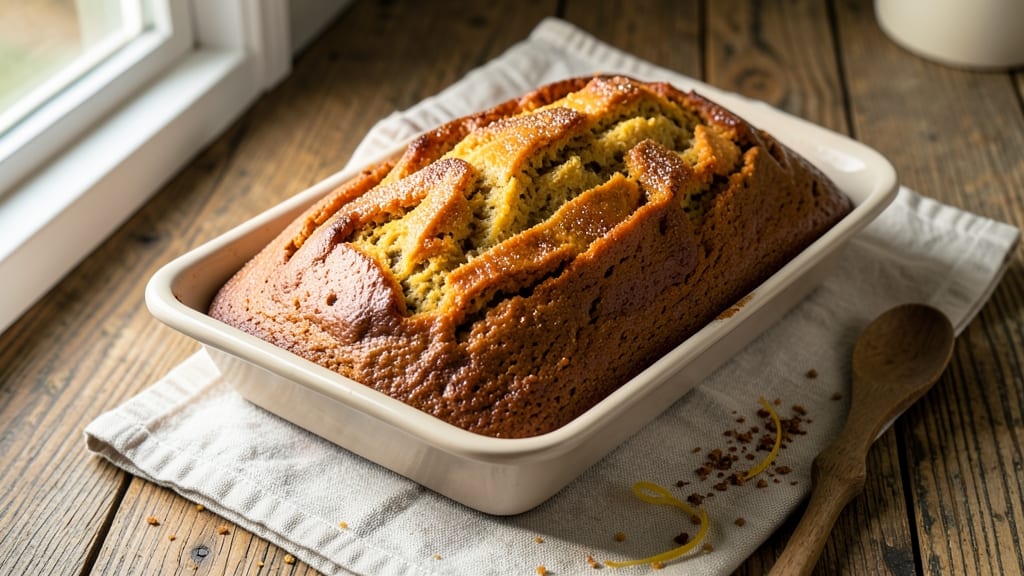
America's Test Kitchen pumpkin bread recipe delivers the perfect balance of moist crumb and warm spices that make fall baking unforgettable. This isn't just another pumpkin bread—it's a methodically refined recipe that achieves restaurant-quality results at home, with a tender crumb that stays fresh for days.
The secret lies in precise ingredient ratios and baking techniques that prevent dryness, a common issue with many recipes.
What sets this recipe apart is the careful spice blend—cinnamon, ginger, nutmeg, and clove work in harmony without overpowering the natural sweetness of pumpkin. The bread develops a golden-brown crust while maintaining a soft, slightly dense interior that's perfect for slicing.
Unlike many recipes that rely on excessive sugar, this version uses just enough to enhance flavor without sacrificing texture.
By following America's Test Kitchen's signature approach, you'll achieve a loaf that's moist for at least five days when stored properly. The recipe includes foolproof tips for mixing, baking, and testing doneness to ensure consistent results every time.
Whether you're baking for a holiday gathering or treating yourself to a cozy breakfast, this is the pumpkin bread recipe that will become your new standard.
The best part? This recipe scales beautifully for gifts or large gatherings, and the aroma alone will have your kitchen smelling like autumn. Let's get started on creating the perfect pumpkin bread your taste buds will thank you for.
Ingredients for america's test kitchen pumpkin bread
The secret to America's Test Kitchen's legendary pumpkin bread? Perfectly balanced ingredients that deliver restaurant-quality moisture and spice harmony.
| Ingredient | Amount | Notes |
|---|---|---|
| Canned Pumpkin Puree 🎃 | 1 cup | Not pumpkin pie filling |
| Granulated Sugar 🍚 | 1 cup | Light brown sugar works too |
| Light Brown Sugar 🍚 | ½ cup | Packed firmly for accuracy |
| All-Purpose Flour 🌾 | 2 cups | Sifted, spooned and leveled |
| Ground Cinnamon 🌿 | 2 tsp | Freshly ground for best flavor |
| Ground Ginger 🌿 | 1 ½ tsp | Freshly ground preferred |
| Ground Nutmeg 🌿 | ½ tsp | Freshly grated nutmeg preferred |
| Ground Cloves 🌿 | ¼ tsp | Freshly ground for warmth |
| Salt 🧂 | ½ tsp | Diamond Crystal kosher salt |
| Baking Soda 🧪 | 1 tsp | Freshly opened for best results |
| Vegetable Oil 🫒 | ½ cup | Light or canola preferred |
| Large Eggs 🥚 | 2 whole | Room temperature for best mixing |
| Milk 🥛 | ½ cup | Whole milk for richness |
| Vanilla Extract 🌸 | 1 tbsp | Pure vanilla preferred |
| Pumpkin Seeds 🎃 | ¼ cup | Toasted for garnish (optional) |
The pumpkin puree is non-negotiable—Libby's or local canned pumpkin (not pie filling) gives the best texture. King Arthur flour is my go-to for baking, but any all-purpose works. The spices? Freshly ground makes all the difference—Penzeys or your local spice shop for the real deal. For the sugars, pack the brown sugar firmly into the measuring cup; light brown adds moisture while granulated keeps it tender. The oil is key here—vegetable or canola stays neutral and prevents dryness, unlike butter which can make the bread tough.
No vanilla extract? Vanilla bean paste or even vanilla sugar (just reduce sugar slightly) works in a pinch. Short on pumpkin seeds? Chopped walnuts or pecans add great texture. The milk can be swapped for almond or oat milk, but whole milk gives the best crumb. Need a gluten-free version? King Arthur gluten-free flour blend works beautifully—just add an extra 0.5 tsp xanthan gum. The baking soda is freshness-critical; if yours is old, test it first (mix with water—should bubble immediately).
This bread stays moist for 5-7 days when wrapped tightly in plastic. For longer storage, freeze slices for up to 3 months—just thaw at room temperature. The aroma alone will fill your kitchen with autumn magic, so bake it when you're home to enjoy the experience. Leftovers? Toast slices for breakfast—trust me, it's even better the second day. Scale up by doubling the recipe for holiday gifts; 9x5-inch pans work perfectly for two loaves.
Why You'll Love This Recipe
- No Pantry Stress: This recipe uses five ingredients you already own—or can grab in one trip. No weird substitutions, no last-minute scrambling. That canned pumpkin? Opens right up. The brown sugar and cinnamon? Probably in your spice rack. Mix, bake, done.
- Moist Magic: Here’s what sold me—the texture. The crumb is tender but not gummy, thanks to the sugar combo (granulated + brown) keeping it light. And that warm, spiced aroma while it bakes? Like autumn in a loaf pan. Honestly, it’s the kind of bread that makes you pause mid-slice just to breathe it in.
- Leftovers That Work: Slice it, wrap it, and toss it in a lunchbox—this bread stays fresh for days. Toast a piece for breakfast or pack it with peanut butter for a snack. My kids actually ask for it, which, between us, is a parenting win.
- Budget-Friendly Luxury: For under $3, you get a loaf that tastes like it cost twice as much. The pumpkin puree stretches far, the spices are cheap, and you won’t find a more reliable crowd-pleaser. Not the prettiest, but the taste makes up for it—every time.
Step-by-step instructions for america's Test Kitchen pumpkin bread
Here's how to bake the ultimate pumpkin bread—moist, perfectly spiced, and with that signature tender crumb.
Mix Wet Ingredients for Maximum Moisture
In a large mixing bowl, combine the 1 cup canned pumpkin puree, 1 cup granulated sugar, and 0.5 cup light brown sugar (packed). Stir until the sugars dissolve completely—this prevents graininess in your finished bread. The pumpkin puree should be smooth with no lumps.
Add the 0.5 cup vegetable oil and mix again until fully incorporated. The oil creates that signature tender crumb we're after. Then add the 2 whole large eggs one at a time, mixing well after each addition. This gradual incorporation prevents curdling. Finally, stir in the 0.5 cup milk and 1 tablespoon vanilla extract until everything is perfectly blended. The mixture should be thick but pourable.
Combine Dry Ingredients for Perfect Rise
In a separate medium bowl, whisk together the 2 cups all-purpose flour, 2 teaspoons ground cinnamon, 1.5 teaspoons ground ginger, 0.5 teaspoon ground nutmeg, 0.25 teaspoon ground cloves, 0.5 teaspoon salt, and 1 teaspoon baking soda. Sift the flour first—this prevents clumping and ensures even distribution of those warm spices.
I like to use a whisk for this step to fully aerate the dry ingredients. The spices should be evenly distributed throughout the flour—you'll notice the mixture becomes lighter in color as you whisk. This is your spice blend that will give that signature pumpkin bread flavor. Keep this bowl nearby as we'll combine it next.
Gently Fold Wet and Dry for Ideal Texture
Gradually add the dry ingredients to the wet mixture, folding gently with a rubber spatula. Start at the bottom of the bowl and work your way up to avoid deflating any air bubbles that formed during mixing. Stop mixing as soon as the flour is completely incorporated—overmixing develops gluten and makes the bread tough.
Here's the thing—you want to see just a few dry streaks remaining. This ensures you maintain that tender crumb without developing gluten. The batter should be thick but still pourable. If it looks too thick, don't worry—it will spread properly in the loaf pan and still rise beautifully.
Bake at Perfect Temperature for Even Cooking
Preheat your oven to 350°F and grease a 9x5-inch loaf pan thoroughly with butter or nonstick spray. Pour the batter into the prepared pan and smooth the top with a spatula. Sprinkle the 0.25 cup pumpkin seeds evenly over the top for texture and presentation.
Bake for 50-60 minutes until a toothpick inserted in the center comes out clean. The bread should be golden brown on top and pull away slightly from the sides of the pan. I've found that baking at this moderate temperature ensures even cooking throughout without drying out the center. If the top browns too quickly, tent loosely with foil after 30 minutes to prevent over-browning.
Cool and Enjoy for Maximum Moisture
Remove the bread from the oven and let it cool in the pan for 10 minutes before transferring to a wire rack. This brief cooling period helps set the structure while maintaining moisture. The bread will sink slightly as it cools—this is normal and indicates a tender crumb.
For the best texture, let the bread cool completely before slicing. The internal temperature should reach about 75°F before cutting. This resting period allows the moisture to redistribute, resulting in that signature moist crumb we're after. Serve warm with a pat of butter or a drizzle of maple syrup for the ultimate experience.
Pro Tips For Making America'S Test Kitchen Pumpkin Bread
- Measure Pumpkin Precisely: DESCRIPTION:
- Mix Wet Ingredients First: DESCRIPTION:
- Don’t Overmix the Batter: DESCRIPTION:
- Test for Doneness Early: DESCRIPTION:
Troubleshooting great america's test kitchen pumpkin bread
Dense Crumb Issues
If your pumpkin bread turns out dense instead of tender, you’ve likely overmixed the batter. The moment dry ingredients are fully incorporated—just a few streaks remain—stop mixing. Overmixing develops gluten, which makes bread tough.
Also, ensure your baking soda is fresh (old baking soda loses potency). If the batter looks too thick, add an extra 1 tablespoon milk before baking. 🌾
Cracked Top
A cracked top usually means the oven was too hot or the bread baked too quickly. To prevent this, preheat your oven for at least 20 minutes to ensure even heat. If your oven runs hot, reduce the temperature to 325°F and bake for 65-75 minutes.
Tent the pan loosely with foil after 30 minutes to slow browning while keeping the center moist.
Dry Texture
Dry pumpkin bread often stems from overbaking or using too much flour. Pull the bread out when a toothpick comes out with moist crumbs (not completely clean). For extra moisture, brush the top with simple syrup (equal parts sugar and water) before baking.
If your kitchen is dry, place a tray of water in the oven while baking to add humidity. 💧
Uneven Rise
An uneven rise can happen if the batter wasn’t mixed thoroughly or the oven wasn’t preheated properly. Whisk the dry ingredients until fully aerated and ensure the wet ingredients are completely dissolved (no sugar granules).
Also, check your baking soda—if it’s old, it won’t lift the bread. For even heat distribution, place a baking sheet on the middle rack while preheating.
Pale Interior
A pale interior means the bread didn’t bake long enough or the oven temperature was too low. Increase baking time by 5-10 minutes if the center isn’t set. For a golden crust without overbaking, broil for 1-2 minutes at the end (watch closely!).
If your oven runs cool, consider using an oven thermometer to verify the actual temperature.
Sticky Batter
Sticky batter is normal, but if it’s too thick to pour, add 1 tablespoon milk at a time until it reaches a pourable consistency. Avoid adding too much liquid, or the bread may sink.
If the batter is too thin, it could mean your flour wasn’t sifted properly—always sift flour before measuring to prevent clumping. A slightly lumpy batter is fine; don’t overmix to fix it. 🥄
Nutrition facts
Frequently asked questions
Why does this pumpkin bread stay moist longer than other recipes?
America's Test Kitchen uses a combination of vegetable oil (instead of butter) and the right ratio of brown sugar to granulated sugar to lock in moisture. The 0.5 cup milk also adds richness, while the 10-minute cooling in the pan helps the crumb set properly without drying out. Store it wrapped tightly for 5-7 days of freshness!
Can I substitute pumpkin puree with fresh pumpkin?
Yes, but you'll need 1.5 cups fresh pumpkin puree (peeled, seeded, and cooked until soft) to replace 1 cup canned puree. Fresh pumpkin has more water content, so reduce the milk by 2 tablespoons to maintain proper batter consistency. Strain it well to remove excess liquid for best results.
How do I adjust the recipe for a smaller loaf pan?
For a 8x4-inch loaf pan, reduce the recipe by 30% (about 1.5 cups batter). For a 7x3.5-inch pan, use 25% of the recipe (1 cup batter). Always grease the pan thoroughly and bake for 5-10 minutes less than the original time. Check doneness with a toothpick at the end.
What's the best way to make this bread gluten-free?
Use a 1:1 gluten-free flour blend like King Arthur's, and add 0.5 teaspoon xanthan gum to improve texture. Replace the milk with almond or oat milk, and reduce the baking soda to 0.75 teaspoon (gluten-free flours often need less leavening). The bread may be slightly denser but will still be delicious!
Can I add chocolate chips or nuts to this recipe?
Fold in 0.5 cup chocolate chips or 0.5 cup chopped walnuts/pecans with the dry ingredients. For nuts, toast them first for 3-5 minutes at 350°F to enhance flavor. Keep the total additions to 0.5 cup to maintain the bread's signature tender crumb.