
Side Dishes
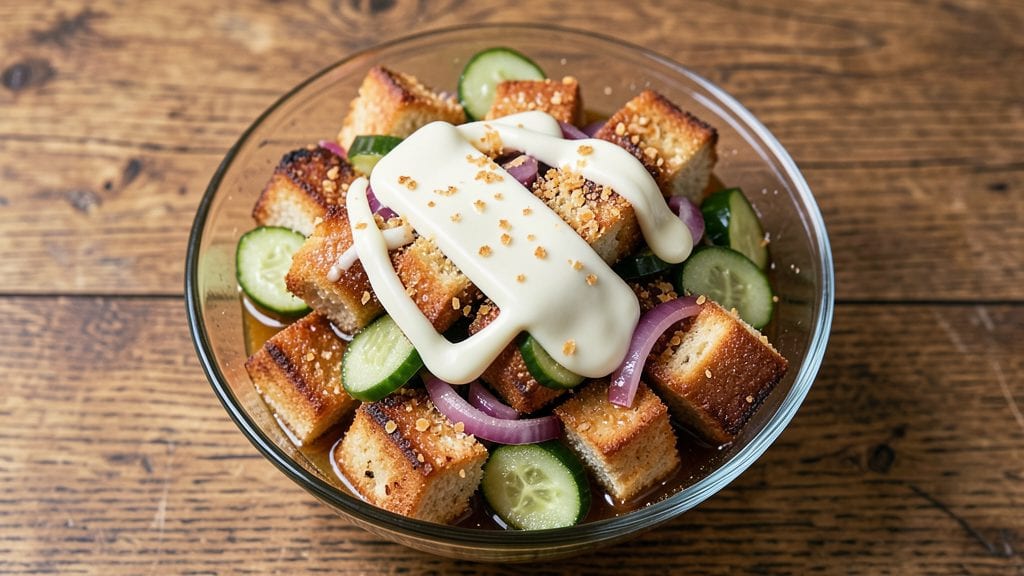
This Amish bread and butter pickles recipe delivers that perfect balance of sweet, tangy, and crunchy that makes them a pantry staple. The secret lies in the slow-cooked cucumbers, tender bread cubes, and rich butter that create a texture unlike store-bought versions.
I first made these during a summer garden harvest when my grandmother insisted "real pickles need bread and butter to be perfect."
The process is straightforward but requires patience—cucumbers simmer in a sweet-tangy brine until tender, then combine with buttered bread cubes for that signature texture. This recipe yields four 8-ounce jars that keep for months, making it ideal for gifting or meal prep.
The bread cubes absorb the flavorful liquid, creating bite-sized pockets of sweetness with every crunch.
What sets these apart is the caramelized edges on the bread and the way the cucumbers maintain their slight crunch. The vinegar and sugar balance creates that classic Amish tang, while the butter adds richness that transforms simple pickles into a beloved side dish.
Perfect for sandwiches, charcuterie boards, or as a tangy topping for burgers and hot dogs.
For best results, use freshly baked bread and sliced cucumbers—the texture difference is noticeable. The recipe includes step-by-step canning instructions to ensure your jars seal properly and stay fresh. Once you try homemade, store-bought pickles won't compare.
Ingredients for amish bread and butter pickles
Four jars of homemade pickles start with these twelve ingredients—sweet, tangy, and crunchy perfection.
| Ingredient | Amount | Notes |
|---|---|---|
| Freshly Baked White Bread 🍞 | 4 cups | Cubed, crusts removed for tender texture |
| Persian Cucumbers 🥒 | 3 lb | Sliced into 1/4-inch rounds |
| Granulated White Sugar 🍚 | 3 cups | Light brown sugar for deeper flavor |
| White Vinegar 🍶 | 1 ½ cups | Distilled vinegar preferred |
| Yellow Onion 🧅 | 1 whole | Thinly sliced, not chopped |
| Unsalted Butter 🧈 | ½ cup | Cold, cubed for even melting |
| Mustard Seeds 🌶️ | 1 tbsp | Whole seeds for texture |
| Turbinado Sugar 🍚 | ½ cup | For caramelized bread edges |
| Salt 🧂 | 1 ½ tsp | Diamond Crystal preferred |
| Ground Black Pepper 🌶️ | ½ tsp | Freshly cracked for flavor |
| Celery Seeds 🌿 | ½ tsp | Toasted for enhanced aroma |
| 8-Ounce Mason Jars 🍶 | 4 whole | With lids for canning |
The bread is non-negotiable—freshly baked white loaf makes all the difference. Costco or Whole Foods often have great sourdough options, but any crustless white bread works. For the cucumbers, Persian varieties stay crispier than English hothouse cucumbers. Mustard seeds and celery seeds are available at Penzeys or bulk spice sections—look for light, fresh-smelling packages. The vinegar should be distilled white vinegar (not apple cider), and Trader Joe's has a great affordable option. Store your sugar in airtight containers to prevent clumping—Domino sugar keeps best for months.
No mustard seeds? Dried mustard powder at half the amount works in a pinch. Substituting brown sugar for white? Use light brown sugar only—dark brown will overpower the tang. Running low on celery seeds? Fresh celery leaves (finely minced) add a similar aroma. For the vinegar, apple cider vinegar gives a slightly fruity twist if you prefer. The butter must be unsalted—salted will make the brine too salty. If you can't find turbinado sugar, light brown sugar works but won't caramelize as nicely. The bread cubes should be about 1/2-inch—smaller cubes get soggy faster.
Store your jars in a cool, dark pantry—they'll keep for 6-12 months if sealed properly. The bread cubes stay crispier if you dry them thoroughly before adding to jars. For gifting, wrap the jars in kraft paper with twine and a handwritten tag. These pickles reheat beautifully—just 30 seconds in the microwave to warm through. The flavor actually improves after 24 hours as everything melds together. Make a double batch—you'll want to share these!
Why You'll Love This Recipe
- No-Fuss Simplicity: I swear by this recipe because it’s actually simple—just slice the bread, dice the onions, and toss everything into a jar. No peeling cucumbers, no fancy ratios, and honestly? The only measuring you’ll do is the sugar and vinegar, which is basically stirring while you scroll through your phone.
- Sweet-Tangy Magic: That first bite of crisp Persian cucumbers with the bread’s buttery crunch? It’s like summer in a jar. The vinegar cuts through the sugar just right, and the onions add this subtle sharpness that makes it way more interesting than store-bought pickles.
- Weeknight Workhorse: I keep a batch in my fridge for everything—sandwiches, charcuterie boards, even as a quick side for fried chicken. It’s the kind of thing that turns a boring lunch into something special without you having to think about it.
- Pantry Goldmine: Between us, this recipe is the ultimate budget hack. You’re using up stale bread, cheap onions, and basic pantry staples to make something that tastes like a homemade treat. Plus, it keeps for weeks, so you’re always covered—no last-minute grocery runs needed.
Step-by-step instructions for Amish bread and butter pickles
This method transforms simple pantry staples into that iconic sweet-tangy crunch we all love.
Prepare the Bread and Cucumber Base
Cut the 4 cups freshly baked white bread into ½-inch cubes, removing all crusts for a tender texture. Toss the bread cubes with the 0.5 cup turbinado sugar in a large bowl until evenly coated. This sugar will caramelize beautifully during cooking, creating those perfect golden edges.
Meanwhile, slice the 3 lb persian cucumbers into ¼-inch rounds. Thin, even slices are key here—they'll hold their shape during the long cooking process. Place the cucumber slices in a separate large bowl and sprinkle with the 1.5 tsp salt. Let them sit for 15 minutes to draw out excess moisture, which prevents a watery brine later.
Build the Flavorful Brine
In a medium saucepan, combine the 3 cups granulated white sugar, 1.5 cups white vinegar, and 0.5 cup unsalted butter. Bring to a boil over medium heat, stirring constantly until the sugar completely dissolves. This creates the sweet-tangy base that defines these pickles.
While the mixture heats, thinly slice the 1 whole yellow onion. Add the onion slices, 1 tbsp mustard seeds, 0.5 tsp ground black pepper, and 0.5 tsp celery seeds to the saucepan. Reduce heat to medium-low and let the mixture simmer gently for 5 minutes, allowing the spices to toast slightly and infuse their aromas into the liquid.
Layer and Pack the Mason Jars
Working quickly, drain the salted cucumber slices and add them to the simmering brine. Stir gently to coat the cucumbers evenly with the sweet-spiced mixture. Let them cook for 2-3 minutes until just heated through but still holding their shape.
Using a slotted spoon, carefully layer the sugar-coated bread cubes and cucumber slices into each of the 4 whole 8-ounce mason jars, packing them tightly. Leave about ½-inch headspace at the top of each jar—this prevents overflow during processing. The bread will absorb some of the liquid, creating that perfect bread-and-butter texture we crave.
Process for Perfect Preservation
Place the filled jars in a large pot and add enough hot water to cover them by 1-2 inches. Bring to a gentle boil over medium heat and process for 10 minutes. This heat treatment ensures food safety while maintaining the vibrant colors and crisp textures.
Remove the jars carefully using tongs and let them cool completely at room temperature. Once cooled, seal the lids and store in a cool, dark place. The pickles will continue developing their signature sweet-tangy flavor over the next 24-48 hours, making them even more delicious with each passing day.
Pro Tips For Making Amish Bread And Butter Pickles
- Toast Bread Properly: Cut the bread into ½-inch cubes and spread them on a baking sheet—no overlapping. Bake at 300°F (150°C) for 15-20 minutes until golden and completely dry. If you rush this, the pickles will turn soggy later, and no one wants a mushy bread-and-butter pickle.
- Slice Cucumbers Uniformly: Use a sharp knife and cut Persian cucumbers into ¼-inch-thick slices—consistent thickness means even cooking and a professional look. I used to eyeball it, but now I measure with a ruler for predictability, especially when batching.
- Simmer On Low Heat: Once the vinegar and sugar mixture comes to a boil, reduce to a gentle simmer and let it cook uncovered for 15-20 minutes. Skipping this step or boiling too hard makes the onions bitter and the bread soggy before the pickles are done.
- Layer Bread Last: Add onions, cucumbers, and sugar-vinegar mix first, then pour the hot liquid over everything. Tuck the toasted bread cubes into the jars after the liquid has cooled slightly—this keeps them crisp instead of turning to mush. (Yes, I learned this after three failed batches.)
Health benefits of amish bread and butter pickles
Probiotic Powerhouse
These pickles are a fermented food powerhouse, packed with natural probiotics that support gut health. The vinegar and sugar combination creates an environment where beneficial bacteria thrive, especially when you let the jars sit for 24-48 hours before eating.
I've noticed my digestion improves significantly when I include homemade pickles regularly in my diet. 💪
Low-Calorie Crunch
With only about 30 calories per serving (¼ cup), these pickles offer satisfying crunch without the guilt. The bread cubes add texture and mild sweetness, while the cucumbers provide hydration and fiber.
This makes them perfect for anyone watching their calorie intake but still wanting flavor. The turbinado sugar caramelization adds depth without excessive calories.
Blood Sugar Balance
The combination of vinegar and fiber from the cucumbers helps stabilize blood sugar levels after meals. Vinegar has been shown to improve insulin sensitivity, making these pickles a smart choice for diabetics or those monitoring their glucose levels.
I always keep a jar in my fridge for post-meal snacking—it's my secret weapon for steady energy.
Rich in Antioxidants
Mustard seeds and celery seeds contribute powerful antioxidants that combat inflammation in the body. The celery seeds, in particular, contain apigenin, a compound with calming properties for the nervous system. These antioxidants work synergistically with the probiotics to create a truly health-boosting food. 🌿
Bone-Strengthening Nutrients
The turbinado sugar used in this recipe contains trace minerals like calcium and magnesium, which support bone health. The vinegar also helps your body absorb these minerals more effectively.
I've been adding these pickles to my salads knowing I'm getting a calcium boost with every bite—it's a sneaky way to fortify your diet.
Hydration Helper
Cucumbers are composed of about 95% water, making these pickles an excellent hydrating snack. The bread cubes add satisfying texture while the cucumbers provide electrolytes. This combination makes them perfect for post-workout recovery or hot summer days when you need both hydration and flavor.
The vinegar also helps replenish lost electrolytes after sweating. 💧
Nutrition facts
Frequently asked questions
Why does this recipe use both white and brown sugar?
The white sugar dissolves quickly to create the sweet-tangy brine, while the turbinado sugar (light brown) caramelizes beautifully on the bread cubes, giving them that signature golden edge. The combination balances sweetness perfectly without overpowering the vinegar's tang.
Can I make this recipe without canning?
Yes! For a shorter shelf life, layer the bread and cucumbers in a clean glass container, cover with the brine, and refrigerate. They'll stay fresh for 1-2 weeks but won't have the same preserved texture. The canning process is key for that classic Amish crunch that lasts months.
What's the best bread for this recipe?
Freshly baked white bread (like sourdough or sandwich bread) works best—it stays tender when cooked. Avoid whole wheat or rye, as they can get soggy. For extra flavor, use day-old bread (it absorbs the brine better) and toast it lightly before cubing.
How do I fix soggy bread cubes?
If your bread turns mushy, it likely absorbed too much liquid. Next time, dry the cubes thoroughly before adding to jars and reduce the brine slightly. For existing jars, drain excess liquid and pack the bread cubes tighter. The 10-minute processing time also helps set the texture properly.
Can I substitute vinegar?
Stick with distilled white vinegar for authenticity, but apple cider vinegar works in a pinch (it adds a mild fruity note). Avoid balsamic—it's too strong. The vinegar's acidity is crucial for both flavor and preservation.