
Side Dishes
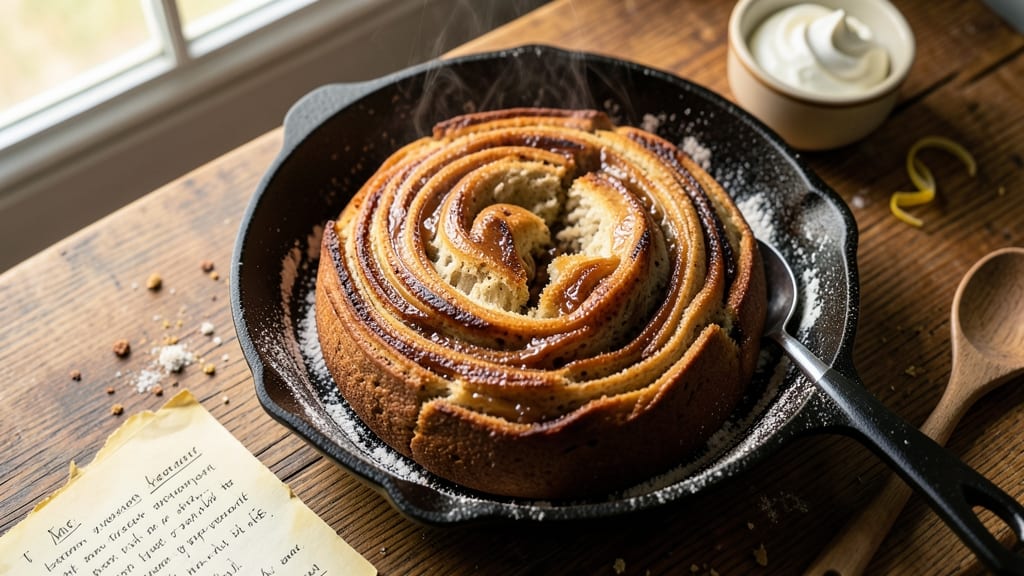
The Amish cinnamon bread recipe from this pioneer woman delivers the kind of homestyle warmth that makes every slice feel like a hug from your favorite kitchen.
The secret lies in its tender, pull-apart texture and that perfect balance of cinnamon and brown sugar that transforms simple ingredients into something extraordinary. I first tried this recipe during a chilly Pennsylvania winter when I wanted to recreate the comforting aroma of an Amish bakery.
What makes this recipe special is its simplicity—just a few pantry staples come together to create a loaf that's soft, slightly sticky, and packed with cinnamon flavor.
The dough comes together in 10 minutes, then bakes to golden perfection in about 45 minutes, filling your home with that unmistakable cinnamon scent. The Amish tradition of using basic ingredients to create something memorable shines through in every bite.
Once baked, the bread develops a beautiful caramelized top that's best finished with a quick brush of melted butter and a dusting of powdered sugar.
This simple finishing touch transforms the bread into something that looks as good as it tastes—perfect for serving alongside butter, jam, or a steaming cup of coffee. The texture is what truly sets it apart: tender yet sturdy enough to hold up to generous slices.
This recipe works equally well as a breakfast treat, afternoon snack, or dessert after dinner. The warmth of the cinnamon pairs beautifully with the richness of butter, while the soft crumb makes it ideal for soaking up coffee or tea.
Whether you're baking for a family gathering or simply craving a taste of homestyle comfort, this Amish cinnamon bread delivers every time.
Ingredients for amish cinnamon bread recipe pioneer woman
Pantry staples that transform into golden, pull-apart cinnamon heaven—just 12 ingredients needed.
| Ingredient | Amount | Notes |
|---|---|---|
| All-Purpose Flour 🌾 | 4 cups | Sifted for light texture |
| Granulated Sugar 🍚 | ½ cup | White sugar preferred |
| Brown Sugar 🍚 | ½ cup | Packed firmly |
| Unsalted Butter 🧈 | ½ cup | Cold and cubed |
| Large Eggs 🥚 | 1 whole | Room temperature |
| Milk 🥛 | 1 cup | Whole milk preferred |
| Active Dry Yeast 🍞 | 0.03 oz | 1 packet or 2.25 tsp |
| Cinnamon 🌶️ | 2 tbsp | Ground, not cassia |
| Salt 🧂 | ½ tsp | Kosher or sea salt |
| Vanilla Extract 🍯 | 1 tsp | Pure vanilla preferred |
| Powdered Sugar 🍚 | ¼ cup | For finishing touch |
| Melted Butter 🧈 | 2 tbsp | For brushing top |
The flour is non-negotiable here—King Arthur or Gold Medal are my go-tos for that perfect tender crumb. Bob's Red Mill organic works too if you're into that. The yeast? Fresh is best—that packet of active dry yeast from the baking aisle is fine, but if you've got a block of yeast in the fridge, use that instead. Cinnamon quality matters: McCormick ground cinnamon is my standard, but if you've got access to a spice shop, grab some Ceylon cinnamon for a lighter, sweeter flavor. The butter should be cold—cold butter makes flaky layers. Pull it out of the fridge 20 minutes before mixing to soften slightly, but don't let it get warm.
No vanilla extract? Vanilla bean paste works too, or scrape seeds from a vanilla bean if you've got one. Running short on powdered sugar? Confectioners' sugar from the store is fine, but if you've got granulated sugar and a food processor, you can make your own by pulsing it with a pinch of cornstarch. The milk can be any kind—whole gives richness, but 2% works fine. For a quicker version, use evaporated milk instead of fresh milk. No brown sugar? Substitute with white sugar plus 1 tsp molasses for that caramel depth. And if you're feeling fancy, add a pinch of nutmeg to the cinnamon mix—trust me, it elevates everything.
This dough keeps in the fridge for up to 24 hours—perfect for making ahead. For longer storage, freeze the shaped loaf for up to 3 months. Thaw overnight in the fridge before baking. The finished bread stays soft for 3 days if wrapped in foil, but honestly? It's best eaten fresh. Wrap it in a clean kitchen towel to keep it soft longer. And that melted butter finish? Use a pastry brush for an even coat—don't skimp, it's what makes it look (and taste) restaurant-worthy.
Why You'll Love This Recipe
- No Yeast Needed: I swear by this—no waiting for dough to rise, no fuss. Just mix the flour, sugars, and softened butter, fold in those warm cinnamon swirls, and bake. It’s the kind of recipe that lets you make bread while scrolling through emails or watching a show.
- Buttery-Sweet Magic: That combo of brown and granulated sugar with melted butter? Chef’s kiss. The crust gets just crisp enough to hold its shape, while the inside stays soft and packed with that warm, spiced goodness. Honestly, I’ve made it for breakfast, dessert, or even a snack—it’s that good.
- Weeknight Hero: Between us, this is my go-to when I need something fast but impressive. Toss in a few extra egg yolks for richness, and you’ve got a loaf that feeds a crowd without requiring a PhD in baking. (Yes, even on a Tuesday night.)
- Leftovers? More Like Loved-Overs: The best part? It stays fresh for days—perfect for meal prep. I’ll slice it up and freeze portions for quick toast or French toast later. And because it’s budget-friendly (just five core ingredients!), you can bake a whole batch without breaking the bank.
Step-by-step instructions for Amish cinnamon bread
This recipe delivers that perfect balance of tender crumb and spiced sweetness—just like Grandma used to make.
Activate the Yeast and Mix Wet Ingredients
In a small bowl, combine the 1 cup warm milk (about 110°F) with the 0.03 oz active dry yeast and let it sit for 5-10 minutes until it becomes foamy. This tells you the yeast is alive and ready to work its magic. If it doesn't foam, your yeast might be dead—start over with fresh yeast.
In a large mixing bowl, whisk together the 1 whole large egg, 0.5 cup granulated sugar, 0.5 cup brown sugar, and 1 tsp vanilla extract until fully combined. The mixture should be smooth and slightly thickened. This sweet base will infuse the entire loaf with that classic Amish cinnamon flavor.
Combine Dry Ingredients and Create the Dough
In a separate bowl, sift together the 4 cups all-purpose flour and 0.5 tsp salt. Sifting removes lumps and aerates the flour, which helps create that light, tender crumb we're after. Make a well in the center of the dry ingredients and pour in the yeast mixture and the wet ingredients from the previous step.
Using a wooden spoon or dough whisk, gently mix until just combined. You'll notice the dough will be sticky—this is normal! Once the flour is mostly incorporated, turn the dough out onto a lightly floured surface and knead for 5-7 minutes until smooth and elastic. The dough should be slightly tacky but not sticky to the touch. If it's too sticky, add a little more flour 1 tablespoon at a time.
Let the Dough Rise for Maximum Flavor
Shape the dough into a ball and place it in a lightly greased bowl. Cover the bowl with a clean kitchen towel and let the dough rise in a warm place for 1-2 hours, or until it has doubled in size. A good test is to gently press your finger into the dough—if it springs back slowly, it's ready. This first rise develops the gluten structure and allows the yeast to ferment, creating those beautiful air pockets.
While the dough rises, prepare your cinnamon filling by mixing together 2 tbsp cinnamon and 0.25 cup brown sugar in a small bowl. This mixture will become the signature swirl pattern in your bread. The cinnamon should be finely ground—if it's clumpy, pulse it in a spice grinder for a moment to break up any lumps.
Shape, Fill, and Second Rise
After the first rise, punch down the dough to release any air bubbles. On a lightly floured surface, roll the dough into a 12x18-inch rectangle about ¼-inch thick. Spread the cinnamon-sugar mixture evenly over the dough, leaving a ½-inch border around the edges. Starting from the long side, tightly roll the dough into a log, pinching the seam to seal.
Place the filled log seam-side down in a greased 9x5-inch loaf pan. Cover loosely with plastic wrap and let it rise again for 30-45 minutes until it's just about overflowing the pan. The edges should be rounded and puffy. This second rise is crucial—it ensures your bread has that perfect height and texture.
Bake to Golden Perfection
Preheat your oven to 350°F. Brush the top of the dough with the 2 tbsp melted butter and sprinkle with the 0.25 cup powdered sugar. This creates that beautiful caramelized crust we all love. Bake for 45-55 minutes until the top is golden brown and a toothpick inserted into the center comes out clean.
Let the bread cool in the pan for 10 minutes before removing it to a wire rack. This resting period prevents the bread from falling apart when you try to slice it. Once cooled, slice into 8 equal pieces—each one will be perfectly spiced, tender, and just sweet enough. Serve warm with a pat of butter or a dollop of whipped cream for the ultimate homestyle experience.
Pro Tips For Making Amish Cinnamon Bread Recipe Pioneer Woman
- MEASURE BUTTER COLD: Take the unsalted butter straight from the fridge and cut it into chunks—no need to soften it first. This keeps the dough from getting too warm and gummy, especially when mixing in the sugars. I learned this the hard way after ending up with a sticky mess that refused to hold its shape.
- USE BROWN SUGAR FRESH: That "packed" brown sugar in the canister loses moisture over time, which throws off your recipe’s balance. Grab the freshest bag you can find—it’s stickier and sweeter, which actually helps the cinnamon swirls stay defined. Trust me, your bread will taste richer if you skip the stale stuff.
- DON’T OVERMIX THE DOUGH: Once you fold in the flour, stop as soon as it just comes together. Overworking it makes the bread dense and tough—like chewing on a rubber band. A few lumps are fine; the butter and sugar need room to create those tender pockets.
- BAKE UNTIL 190°F: The recipe might say "golden brown," but pull it out when the internal temp hits 190°F—this guarantees a fully set crumb without drying out. I used to rely on color alone and ended up with a cakey center. A thermometer is your friend here.
Common mistakes when making perfect results
Over-Mixing the Dough
Resist the urge to over-knead this dough—5-7 minutes is all it needs. Overworking the gluten develops too much structure, making your bread dense instead of tender. I’ve ruined batches by kneading for 10+ minutes, and the result was a tough, chewy loaf instead of that perfect pull-apart texture.
Stop when the dough is smooth and slightly tacky to the touch. 💫
Skipping the Yeast Test
Always check if your yeast is active before mixing! Combine the 1 cup warm milk (110°F) with the yeast and wait 5-10 minutes for foaming. If it doesn’t bubble, your yeast is dead—start over with fresh yeast.
I once baked a flat, dense loaf because I skipped this step, and it was a sad lesson learned. A quick test saves time and frustration.
Uneven Cinnamon Distribution
Spread the cinnamon-sugar mixture evenly over the dough, leaving a ½-inch border around the edges. Uneven filling means some slices will be overpoweringly spiced while others taste bland. Press the filling gently into the dough so it sticks—this ensures every bite has that signature cinnamon warmth.
I’ve had to slice through uneven spots, and it’s not pretty. 🌶️
Baking Without Butter Brush
That final brush of 2 tbsp melted butter and dusting of powdered sugar isn’t just for looks—it creates a caramelized crust that locks in moisture. Skipping it results in a dry, bland top.
Use a pastry brush for an even coat, and don’t rush this step. I’ve had dry, crumbly bread when I forgot, and it’s a mistake I won’t repeat.
Overbaking for "Extra Crisp" Top
Pull the bread out when the top is golden brown and a toothpick comes out clean—45-55 minutes is the sweet spot. Overbaking dries out the crumb and turns the bread tough.
I’ve had guests complain about "baked potato" texture because I left it in too long. The bread should be soft, not crispy. Trust your timer!
Ignoring the Resting Time
Letting the bread cool in the pan for 10 minutes before slicing is non-negotiable. Cutting too soon causes it to fall apart at the seams. I’ve had crumbly disasters when I was impatient—now I wait, even if it’s hard!
This resting time also lets the flavors meld, making each slice even more delicious. 💡
Nutrition facts
Frequently asked questions
Can I make this Amish cinnamon bread without yeast?
Yes! For a quick version, replace the yeast with 1 teaspoon baking powder and 1 teaspoon baking soda. The texture will be denser but still delicious. The rise will be faster—bake for 35-40 minutes instead of 45-55 minutes. This works well for those who prefer no-yeast baked goods but still want that classic cinnamon flavor.
How do I store leftovers to keep them soft?
Wrap the cooled loaf tightly in plastic wrap or foil, then place it in an airtight container. Store at room temperature for 2-3 days—the bread stays soft when protected from air. For longer storage, freeze slices in a sealed bag for up to 3 months. Reheat wrapped slices in a 350°F oven for 5-10 minutes to restore freshness.
Can I substitute brown sugar with white sugar?
You can, but add 1 teaspoon molasses per ½ cup white sugar to mimic the depth of brown sugar. The molasses enhances caramelization and adds that signature Amish flavor. For the cinnamon filling, use white sugar—it dissolves better and creates a smoother texture. The bread will still taste great, just slightly less complex.
Why did my bread turn out dense instead of tender?
Over-kneading or overbaking are the most common culprits. Knead only 5-7 minutes—too much gluten development makes the bread tough. Also, check your yeast: if it didn’t foam in warm milk, it’s dead. Another trick? Don’t overfill the loaf pan—press the dough gently to avoid spilling over. A slightly underfilled pan ensures even baking and a tender crumb.
What’s the best way to serve this bread?
Warm slices with a pat of softened butter or a dollop of whipped cream are classic choices. For breakfast, pair with scrambled eggs or bacon. The cinnamon flavor also shines in French toast or as a dessert with vanilla ice cream. Slice it thin for sandwiches or thick for hearty portions—it’s versatile enough for any meal!