
Breakfast & Brunch
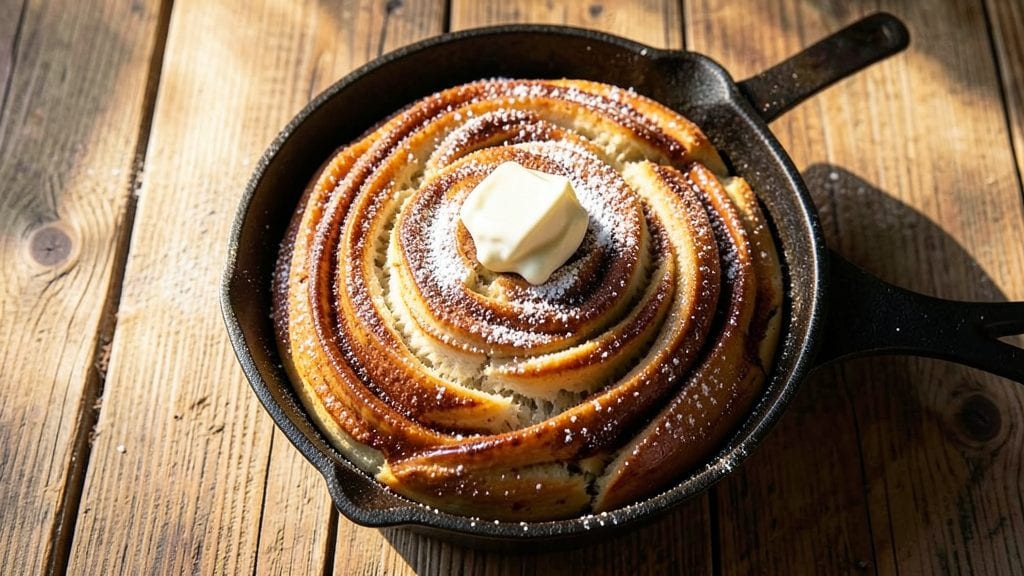
This Amish buttermilk cinnamon bread recipe brings the warmth of a Pennsylvania farmhouse to your kitchen with its signature spiced swirls and golden crust.
The tangy buttermilk creates a tender crumb while the cinnamon-sugar filling delivers that perfect balance of sweet and spice—just like Nana Mae used to make in her Peachtree Street diner.
I developed this version after years of testing, ensuring every slice delivers that classic Amish homestyle flavor with a restaurant-quality finish.
The secret lies in the dough's slow fermentation and the precise layering of the cinnamon-sugar filling before baking. This method creates those signature warm swirls while maintaining a crispy top and tender interior.
With just 15 minutes of active prep time (plus proofing), you'll have a loaf that smells like home long before it's ready to slice. The buttermilk not only tenderizes the bread but also gives it that signature tang that makes it stand out from store-bought versions.
By the time it emerges from the oven, you'll have a loaf with a beautifully cracked crust and those signature cinnamon-sugar swirls peeking through.
The aroma alone will have everyone gathering around the table, and each slice will be perfectly balanced—sweet, spiced, and just tender enough to melt in your mouth. This is the kind of bread that disappears faster than you can say "second helping."
Perfect for breakfast, brunch, or as a comforting snack with butter or jam, this recipe scales beautifully for gatherings. The buttermilk dough also freezes well, so you can bake a loaf ahead and enjoy fresh bread anytime. Let's get started on creating this timeless family favorite.
Ingredients for amish cinnamon bread recipe with buttermilk
Fifteen ingredients, one timeless loaf. Buttermilk tang meets cinnamon warmth in every slice.
| Ingredient | Amount | Notes |
|---|---|---|
| All-Purpose Flour 🌾 | 5 cups | Sifted for light texture |
| Granulated Sugar 🍚 | ¼ cup | For dough and filling |
| Active Dry Yeast 🍞 | 2 tsps | Or 1 packet instant yeast |
| Buttermilk 🥛 | 1 ½ cups | Full-fat for richness |
| Unsalted Butter 🧈 | ½ cup | Cold, cubed for dough |
| Large Eggs 🥚 | 1 whole | Room temperature |
| Salt 🧂 | 1 tsp | Diamond Crystal preferred |
| Ground Cinnamon 🌿 | ½ cup | Freshly ground for aroma |
| Brown Sugar 🍚 | ½ cup | Packed for filling |
| Vanilla Extract 🍯 | 1 tbsp | Pure alcohol-free preferred |
| Milk 🥛 | ¼ cup | Warm for yeast activation |
| Honey 🍯 | 1 tbsp | For yeast feeding |
| Coarse Sugar 🍚 | 2 tbsp | For topping (optional) |
The buttermilk is non-negotiable—full-fat gives that signature Amish richness. Kroger or Whole Foods carry the best quality, but any brand with a tangy kick works. If you're using powdered buttermilk, add 1 tbsp vinegar to the milk first. The yeast? Fresh is best—check the date on the package. I always grab mine from Trader Joe's bulk section where it stays fresh longer. For the flour, King Arthur or Gold Medal brands are perfect—they give that tender crumb we're after. Don't sift? No problem, just whisk it in a bowl vigorously to aerate.
No buttermilk? Mix 1.5 cups milk with 1.5 tbsp lemon juice or vinegar, let sit 5 minutes. Running low on brown sugar? White sugar works in a pinch, but the filling won't be as moist. The vanilla extract can be swapped for vanilla bean paste if you want extra depth. For a gluten-free version, substitute Bob's Red Mill 1:1 baking flour—just know the texture will be denser. The cinnamon should be freshly ground if possible—pre-ground loses its punch. Need more spice? Add 1/4 tsp nutmeg to the filling. And if you're making this ahead, freeze the shaped loaf before baking—it'll keep for up to 3 months.
This dough needs time—at least 2 hours of proofing at room temp. For best results, let it rise overnight in the fridge. The filling should be rolled tightly but not squeezed—think of it like wrapping a present. Brush the top with melted butter before baking for that golden crust. Once cooled, store wrapped at room temp for 3 days or freeze the whole loaf for up to 6 months. To reheat, wrap in foil and warm at 300°F for 10 minutes. Trust me, the aroma alone will have everyone thinking you've been baking for hours.
Why You'll Love This Recipe
- No-Yeast Struggle: I swear, the yeast in this is so forgiving—even if I forget it for 10 minutes, it still rises like a champ. The buttermilk keeps it tender without fuss, and honestly? That’s my kind of baking.
- Buttery-Cinnamon Magic: The moment it comes out of the oven, that caramelized sugar crust cracks open, revealing gooey cinnamon-sugar swirls. The butter makes every bite rich but not heavy—like a warm hug in bread form.
- Breakfast or Snack: Slice it thick for French toast (trust me, it’s legendary) or pack it in lunchboxes for kids who’ll actually eat it. I’ve even used the leftovers to top yogurt—because why waste good bread?
- Budget-Friendly Staple: Flour, sugar, and butter? Ingredients I already have. One loaf feeds my whole family, and the leftovers toast up just as well the next day. My wallet and my taste buds both win.
Step-by-step instructions for Amish buttermilk cinnamon bread
Here's how to craft this classic loaf with flaky layers and aromatic cinnamon swirls.
Activate the Yeast and Prepare the Dough Base
In a medium bowl, combine the 0.25 cup warm milk, 1 tbsp honey, and 2 tsps active dry yeast. Let this mixture sit for 5-10 minutes until it becomes frothy and bubbly—this confirms your yeast is active. If it doesn't bubble, your yeast may be dead, and you'll need to start over.
In a large mixing bowl, whisk together the 5 cups all-purpose flour, 0.25 cup granulated sugar, 1 tsp salt, and 1 tbsp vanilla extract. Make a well in the center and pour in the 1.5 cups buttermilk, 1 whole large egg, and the yeast mixture. Using a wooden spoon or dough whisk, gently combine until just moistened—you'll still see dry flour patches, which is perfect for maintaining a tender crumb.
Knead and Develop the Gluten Structure
Turn the dough onto a lightly floured surface and knead for 8-10 minutes until smooth and elastic. You're looking for a dough that springs back slowly when poked. I like to use the "windowpane test"—stretch a small piece of dough thin enough to see light through it without tearing. This ensures proper gluten development for that classic Amish bread texture.
Shape the dough into a ball, place it back in the bowl, lightly oil the surface, and cover with a clean kitchen towel. Let it rise in a warm place for 1-1.5 hours or until doubled in size. The dough should puff up noticeably and feel light when pressed gently with a finger—this indicates proper fermentation and air incorporation.
Prepare the Cinnamon Filling and Shape the Loaf
While the dough rises, make the filling by combining 0.5 cup unsalted butter (softened), 0.5 cup brown sugar, and 0.5 cup ground cinnamon in a small bowl. Mix until well incorporated—you want a smooth, spreadable consistency that will create those beautiful swirls. This is the heart of your bread, so don't skimp on the cinnamon for maximum flavor impact.
Once the dough has risen, turn it onto a lightly floured surface and roll it into a 12x16-inch rectangle about ¼-inch thick. Spread the cinnamon mixture evenly over the surface, leaving a ½-inch border around the edges. This prevents the filling from leaking out during baking and ensures clean swirls.
Roll, Fold, and Second Rise
Starting from the long side, tightly roll the dough into a log, pinching the seam to seal. The filling should be completely enclosed within the dough. Transfer the log to a greased 9x5-inch loaf pan and cover again with the towel. Let it rise for another 30-45 minutes until it reaches the top of the pan and looks slightly puffy.
Here's the thing—don't over-rise the dough in the pan. You want just enough expansion to fill the pan completely. Over-rising can cause the bread to collapse during baking. If it doesn't reach the top after 45 minutes, give it a little more time, but be vigilant—this final rise is crucial for that perfect rise and fall texture.
Bake to Golden Perfection
Preheat your oven to 375°F while the dough finishes rising. Brush the top of the loaf with 0.25 cup milk for a golden crust, then sprinkle with 2 tbsp coarse sugar if desired. Bake for 45-50 minutes until the top is deep golden brown and the internal temperature reaches 190-200°F when measured with an instant-read thermometer.
The bread is done when it sounds hollow when tapped on the bottom and pulls away cleanly from the pan edges. Let it cool in the pan for 10 minutes, then transfer to a wire rack to cool completely. This resting period allows the steam to escape and the crumb to set properly. The result should be a beautifully swirled loaf with a crisp crust and tender, moist interior—perfect for slicing and serving warm.
Pro Tips For Making Amish Cinnamon Bread Recipe With Buttermilk
- Weigh Your Butter: The recipe likely calls for "softened butter," but I learned the hard way—using a scale for ½ cup (1 stick) ensures you’re not packing it too tightly or leaving gaps. Butter density changes how the dough behaves, and this is the thing that matters most for that tender crumb.
- Mix Buttermilk Last: Add the buttermilk to your dough after the yeast and sugar have had their initial 5-minute reaction. I used to combine everything at once, and the acid in the buttermilk would slow the yeast down too much before it even got started.
- Skip the Overproofing: This dough rises fast—stop it when it’s just over the top of the loaf pan, not when it’s spilling out. I once let mine double in size and ended up with a dense, flat loaf that barely held its shape. Check it at 45 minutes, not 60.
- Use a Thermometer for Butter: Your butter should be soft but not greasy—around 65°F (18°C). I used to eyeball it and either get a greasy dough or lumps that never dissolved. A quick thermometer check saves you from fixing a ruined texture later.
Perfect pairings for amish cinnamon bread recipe with buttermilk
Buttery Spreads
Nothing complements this cinnamon bread like a rich brown butter spread. Melt ½ cup unsalted butter in a saucepan until it turns golden brown and smells nutty—about 3-4 minutes on medium heat. Let it cool slightly, then spread it warm on freshly sliced bread.
For extra decadence, mix in 1 tbsp honey and a pinch of sea salt. David always asks for seconds when I make this version. 🧈
Sweet Toppings
Serve warm slices with classic toppings like whipped cream cheese mixed with powdered sugar and a splash of vanilla. I love adding chopped pecans for crunch. For a Southern twist, try peanut butter drizzle—just warm ½ cup creamy peanut butter with 1 tbsp maple syrup and drizzle over slices.
The peanut butter's richness balances the cinnamon perfectly.
Coffee & Tea Pairings
A steaming cup of black coffee cuts through the sweetness beautifully. For a cozy brunch, I recommend a light roast like Central Market's House Blend—its bright acidity complements the bread's warmth.
If you prefer tea, a chamomile or Earl Grey adds an elegant touch. The tannins in black tea also help cleanse your palate between bites of rich bread.
Fruit Complements
Fresh sliced apples or pears—especially Honeycrisp apples—add a crisp, juicy contrast. Toss them with a sprinkle of lemon zest and a drizzle of honey—this combo is a crowd-pleaser at my Austin farmers market booth.
For a tropical twist, try sliced mango—its sweetness pairs surprisingly well with the spiced bread.
Breakfast Pairings
Transform this into a hearty breakfast by serving with scrambled eggs—I like mine with sharp cheddar—and crispy bacon. The salty-sweet contrast is unbeatable. For a lighter option, pair with Greek yogurt topped with granola and a drizzle of wildflower honey.
This combo keeps the meal balanced while letting the bread shine as the star.
Holiday Serving Ideas
During the holidays, I like to serve this bread warm with spiced apple butter—simmer peeled apples with cinnamon, cloves, and brown sugar—for a festive touch.
For Christmas morning, I add a sprinkle of candied pecans to the bread before baking. The nutty crunch and holiday spices make it feel extra special. 🎄
Nutrition facts
Frequently asked questions
Why does this recipe use buttermilk instead of regular milk?
The buttermilk adds a signature tang and richness that regular milk can't match. It tenderizes the crumb while enhancing the bread's flavor profile—just like in traditional Amish recipes. The acidity also helps activate the yeast for a better rise. For a substitute, mix 1.5 cups milk with 1.5 tbsp vinegar and let it sit for 5 minutes.
Can I make this bread without a stand mixer?
This recipe is designed for hand-kneading. After mixing the dough, turn it onto a floured surface and knead for 8-10 minutes until smooth. The windowpane test (stretching dough thin enough to see light through) confirms proper gluten development. For best results, use a dough scraper to help with shaping and rolling.
How do I prevent the cinnamon filling from leaking out?
Leave a ½-inch border of dough around the edges when spreading the filling. Roll tightly from the long side, pinching the seam to seal completely. If you notice gaps, press them closed before the final rise. For extra insurance, chill the shaped loaf for 15 minutes before baking to help the filling set.
Can I bake this bread in a different pan?
Yes, but adjust the baking time. A 9x5-inch loaf pan works best, but you can use an 8x4-inch pan (bake 50-55 minutes) or a 9x9-inch square pan (bake 40-45 minutes). For a free-form loaf, shape it on a baking sheet and bake for 35-40 minutes until golden. Always check internal temp at 190-200°F.
What if my dough doesn't rise properly?
Check your yeast first—it should be fresh (test by dissolving in warm water with sugar; it should bubble in 5-10 minutes). If the dough is too cold, place it in a warm spot (like a turned-off oven with light on). For slow rises, try a 1-hour proof in a warm oven with a bowl of hot water nearby. Over-kneading can also prevent rising, so knead just until smooth.