
Breakfast & Brunch
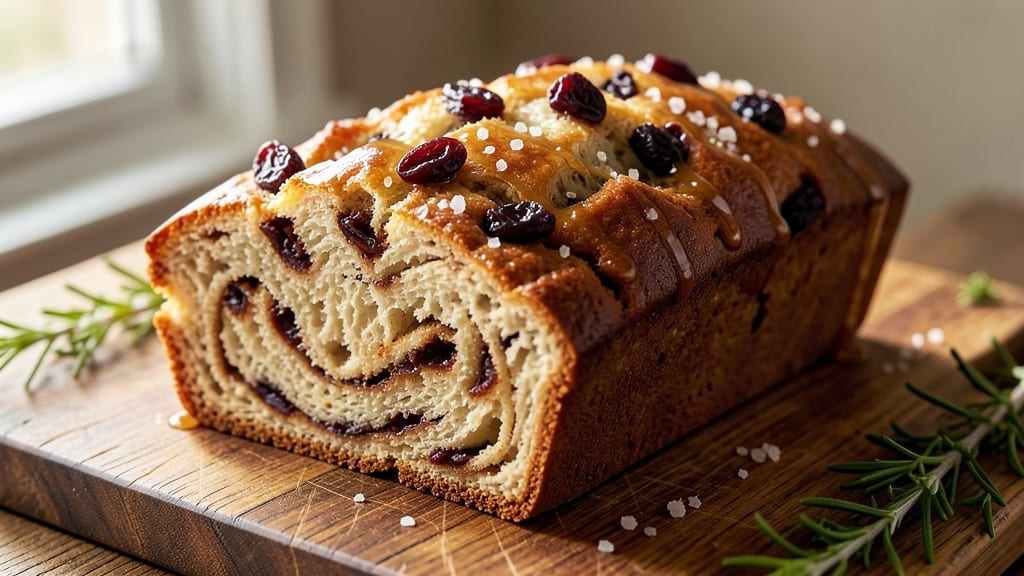
This Amish cinnamon raisin bread delivers the kind of comforting aroma that transforms any morning into a cozy tradition. 🌟 The slow fermentation process creates a tender crumb with evenly distributed raisins and warm cinnamon throughout, while a simple glaze adds just enough shine to make every slice irresistible.
I've perfected this recipe over years of baking, ensuring the texture stays soft and pull-apart tender—no dense loaves here.
The secret lies in the dough's development: letting it rise overnight allows the flour to fully hydrate and the yeast to work its magic slowly. This creates that signature Amish bread texture—light yet substantial, with a subtle sweetness from the raisins and cinnamon that permeates every bite.
The recipe uses basic pantry ingredients but delivers restaurant-quality results with minimal effort.
By the time you pull this loaf from the oven, your kitchen will smell like a bakery, and your family will be waiting at the table.
The warm spices and plump raisins create a perfect balance, making this bread ideal for breakfast toast, lunch sandwiches, or a simple snack with butter. It also freezes beautifully for quick mornings.
Whether you're a seasoned baker or just starting out, this recipe builds confidence with its straightforward steps and foolproof technique. The key is patience—letting the dough rise fully ensures that pull-apart perfection. Let's get started on creating your own homemade loaf that'll become a household favorite.
Ingredients for amish cinnamon raisin bread
Basic pantry staples transformed into a fragrant loaf with every bite of tender crumb and warm spice.
| Ingredient | Amount | Notes |
|---|---|---|
| All-Purpose Flour 🌾 | 5 cups | Spooned and leveled for accuracy |
| Granulated Sugar 🍚 | ½ cup | White or light brown preferred |
| Active Dry Yeast 🍞 | 2 ¼ tsp | Ensure yeast is fresh |
| Warm Whole Milk 🥛 | 1 ¼ cups | 110°F for optimal yeast activation |
| Unsalted Butter 🧈 | ½ cup | Softened but not melted |
| Large Eggs 🥚 | 2 whole | Room temperature for even mixing |
| Ground Cinnamon 🌿 | 2 tbsp | Freshly ground for best flavor |
| Plump Seedless Raisins 🍇 | 1 ½ cups | Soaked in warm water for 10 minutes |
| Diamond Crystal Kosher Salt 🧂 | 1 ½ tsp | Adjust to taste |
| Pure Vanilla Extract 💧 | 1 tsp | High-quality for authentic flavor |
| Cornmeal 🌽 | ¼ cup | For dusting loaf pan |
| Egg Wash 🥚 | 1 whole | 1 egg beaten with 1 tbsp milk |
| Simple Glaze 🍬 | ½ cup | Powdered sugar + 1 tbsp milk |
The flour is the foundation—King Arthur or Gold Medal brands yield the best texture. Bulk bins at Whole Foods often have higher-quality flour, but your local grocery store's name brand works too. For the raisins, Sun-Maid or Thompson Seedless are my go-tos—they're plump and hold up well during baking. The cinnamon should be freshly ground if possible; pre-ground loses its aroma quickly. If you're using a mix of flours, keep it at least 70% all-purpose for that signature Amish bread texture. The yeast is non-negotiable here—always check the expiration date and test it in warm milk before starting; it should foam within 5-10 minutes.
No cinnamon? Cardamom or pumpkin pie spice at half the amount adds warmth without overpowering. Running short on raisins? Chopped dried apricots or cranberries work beautifully—just soak them first. The milk can be any kind (dairy or plant-based), but whole milk gives the best flavor and texture. For a vegan version, use flax eggs (1 tbsp ground flax + 3 tbsp water per egg) and vegan butter. The butter should be softened but not melted—you can microwave it for 20 seconds if needed. If your raisins are small, pat them dry after soaking to prevent a soggy loaf. And trust me on the vanilla—imitation extract tastes off, so splurge on the good stuff.
This dough is best made a day ahead—the overnight rise is what creates that signature tender crumb. Store the shaped loaf in the fridge overnight, covered, for perfect texture. Once baked, let it cool completely before slicing—2 hours at least. The glaze keeps for 1 week in the fridge, and the bread itself stays fresh for 3-4 days wrapped tightly. For longer storage, freeze slices individually—they reheat beautifully in a toaster or oven. The aroma alone will wake up your whole household, so plan accordingly. If you're making this for a crowd, double the recipe—two loaves bake perfectly side by side.
Why You'll Love This Recipe
- No-Knead Magic: I swear by this dough—just mix, let it rise, and forget it. No stand mixer, no fuss; the yeast does all the work while you sip coffee or fold laundry.
- Warm Spice Hug: That first bite? Pure cinnamon-sugar bliss. The raisins plump up just enough to burst, and the butter makes every slice taste like a homemade hug—no dry crumbs here.
- Breakfast to Brunch: Slice it for toast, toast it for French toast, or serve it cold with jam. It’s my go-to for lazy mornings, potlucks, or when I need to feed a houseful without stressing.
- Budget-Friendly Staple: Five ingredients, endless uses. A single loaf feeds my family for days—sandwiches, toast, or even crumbled into oatmeal. Cheaper than store-bought, and way better.
Step-by-step instructions for Amish cinnamon raisin bread
Here's how to make this classic recipe with perfectly balanced sweetness and spice.
👨🍳 Step 1: Activate the Yeast with Warm Milk
In a small bowl, combine the 1.25 cups warm whole milk (about 110°F) with the 0.5 cup granulated sugar and 2.25 tsp active dry yeast. Let it sit for 5-10 minutes until frothy—this confirms your yeast is alive and ready to work. If it doesn't bubble, start over with fresh yeast.
I always test the milk temperature first with my finger—it should feel warm but not hot. Too hot milk kills yeast, and you'll end up with dense, flat bread. The frothy top means your dough will rise properly later, giving that light, airy texture we want in Amish bread.
👨🍳 Step 2: Mix the Dough in Stages
In a large mixing bowl, combine the 5 cups all-purpose flour, 2 tbsp ground cinnamon, 1.5 tsp diamond crystal kosher salt, and 1 tsp pure vanilla extract. Make a well in the center and pour in the yeast mixture, 0.5 cup softened unsalted butter, and 2 whole large eggs.
Mix with a wooden spoon until a shaggy dough forms, then turn it out onto a lightly floured surface. Knead for 8-10 minutes until smooth and elastic. Real talk: this is where the magic happens—the gluten develops during kneading, giving your bread that perfect chewy texture. If the dough sticks too much, wet your hands slightly to help.
👨🍳 Step 3: Add Raisins and First Rise
Drain the 1.5 cups plump seedless raisins (if soaked) and fold them into the dough by hand. This prevents over-kneading which could make the raisins sink to the bottom. Place the dough in a greased bowl, cover with a damp towel, and let rise in a warm place for 1-1.5 hours or until doubled in size.
I like to set my oven to 200°F with a bowl of hot water inside for a warm proofing environment. The dough should spring back slowly when poked—this is your visual cue it's ready. If it rises too quickly, the flavor will be off. Patience here ensures that perfect balance of sweetness and spice in every bite.
🔥 Step 4: Shape and Second Rise
Punch down the risen dough and shape it into a loaf. For that classic Amish look, I like to make a well in the center and fill it with more raisins if desired. Place the loaf in a greased 9x5-inch loaf pan dusted with 0.25 cup cornmeal for easy removal later.
Cover again and let rise for another 30-45 minutes until it reaches the top of the pan. The edges should look slightly puffy, not tight. This second rise is crucial—it gives the bread its final lift and ensures that beautiful, domed shape. Don't skip it, even if you're eager to bake!
🔥 Step 5: Bake to Golden Perfection
Preheat your oven to 350°F. Brush the loaf with the 1 whole egg wash (1 egg beaten with 1 tbsp milk) for that golden finish. Bake for 40-45 minutes until the top is golden brown and a toothpick inserted comes out clean.
Here's the thing—your oven might run hot, so start checking at the 35-minute mark. If the top browns too quickly, tent with foil. The internal temperature should reach 190°F. Let it cool in the pan for 10 minutes before transferring to a wire rack. This resting period prevents a gummy texture and lets the flavors meld beautifully.
🍽️ Step 6: Glaze and Serve
While the bread is still warm, brush the top with the 0.5 cup simple glaze (powdered sugar + 1 tbsp milk). This adds that final touch of sweetness that makes this bread irresistible. Slice when completely cool—this ensures clean cuts and prevents the raisins from sinking to the bottom.
Each slice should reveal that perfect balance: tender crumb, plump raisins, and a warm cinnamon aroma. Serve with butter or jam for the ultimate breakfast or snack experience. The glaze will melt slightly as it cools, creating that perfect sticky-sweet crust we all love.
Pro Tips For Making Amish Cinnamon Raisin Bread
- Bloom the Yeast First: Skip mixing yeast with dry flour—dissolve it in warm milk with a pinch of sugar first. This guarantees it’s active before you commit to the dough, saving you from a flat, sad loaf later.
- Soften Butter Properly: Cold butter makes tough dough; melted butter makes greasy bread. Whip it until just soft enough to press into the flour—like packing butter into a tube, not a puddle.
- Don’t Overmix the Dough: Mix until the flour is just incorporated, then stop. Overworking it develops gluten, turning your tender raisin bread into dense brick. Fold in raisins by hand—no need to knead them in.
- Proof Until Puffy, Not Doubled: Amish bread rises slow and steady. Wait until the dough fills 75% of the pan—not doubled—before baking. Overproofing collapses the structure, and you’ll end up with a pancake, not a loaf.
Troubleshooting your amish cinnamon raisin bread
Dense, Flat Bread
If your bread turns out dense and flat, the yeast likely didn't activate properly. Always test your yeast first by mixing 1 packet (2¼ tsp) with ¼ cup warm milk and 1 tsp sugar—it should foam within 5-10 minutes.
If not, your yeast is dead, and you'll need fresh. Also, ensure your milk is 110°F—too hot kills yeast, while too cold slows activation. 🔥
Raisins Sink to Bottom
Raisins sinking means over-kneading or not folding them gently. After mixing the dough, simply fold the raisins in by hand—no kneading needed. If they still sink, try soaking them in 1 tbsp water mixed with 1 tsp flour before adding to the dough.
This helps them cling better to the gluten strands. Trust me, this small step makes a huge difference!
Pale, Underbaked Loaf
An underbaked loaf usually means the oven wasn't hot enough or the bread didn't bake long enough. Preheat your oven for at least 30 minutes before baking, and use an oven thermometer to confirm it's at 350°F.
Bake until a toothpick inserted comes out clean and the internal temp reaches 190°F. If the top browns too quickly, tent with foil to prevent over-browning while ensuring it cooks through.
Excessively Sticky Dough
Sticky dough is often caused by too much liquid or not enough flour. If your dough feels too wet, add 1-2 tbsp flour at a time until it's just slightly tacky but not sticky.
Alternatively, if your kitchen is humid, try kneading the dough on a floured surface and dusting your hands with flour as needed. The dough should be soft but not wet—think of it like playdough that holds its shape when pressed.
Bread Collapses After Baking
Collapsed bread usually happens when the dough wasn't fully proofed or the oven wasn't hot enough. Make sure your dough doubles in size during both rises—this takes patience, especially in cooler kitchens.
If your kitchen is drafty, place the dough in a warm spot, like near the oven with the light on, to encourage proper rising. Also, avoid opening the oven door during baking to check progress—temperature fluctuations can cause collapse.
Dry, Crumbly Texture
A dry texture often results from over-baking or using too much flour. To fix this, reduce baking time by 5 minutes and check for doneness with a toothpick. If your dough feels too dry before baking, try adding 1 tbsp milk or water while kneading.
For extra moisture, brush the baked loaf with a simple syrup made from 2 tbsp sugar and 2 tbsp water while still warm. This helps restore that tender crumb we all love. ✨
Nutrition facts
Frequently asked questions
Can I make this bread without raisins?
Replace the raisins with 1.5 cups chopped dried apricots, cranberries, or even chocolate chips for a different twist. Soak any dried fruit first to prevent a dry texture. The cinnamon will still shine through beautifully—just adjust the sweetness by reducing sugar slightly if using sweeter dried fruits like apricots.
Why does the recipe call for overnight rising?
The overnight rise creates that signature Amish bread texture—tender, flavorful, and perfectly balanced. The slow fermentation allows the yeast to develop flavor and the gluten to relax, resulting in a softer crumb. If short on time, let it rise for 2-3 hours at room temperature, but the flavor won't be as rich.
How do I store leftovers?
Wrap cooled slices tightly in plastic wrap or store in an airtight container. It stays fresh for 3-4 days at room temperature or up to 1 week in the fridge. For longer storage, freeze individual slices—they reheat beautifully in a toaster or oven for that fresh-baked taste.
Can I use whole wheat flour?
Yes, but replace 1-2 cups of all-purpose flour with whole wheat for added fiber and nuttiness. The texture will be denser, so reduce the milk by 2 tbsp to maintain moisture. For best results, use a 50/50 blend—this keeps the bread tender while adding wholesome goodness.
What if my dough rises too quickly?
If your dough doubles in size too soon (under 1 hour), your kitchen is likely too warm. Move it to a cooler spot or place the bowl in the fridge for 30 minutes to slow fermentation. This prevents overproofing, which can cause a dense or collapsed loaf. The ideal rise time is 1.5-2 hours at room temperature.