
Side Dishes
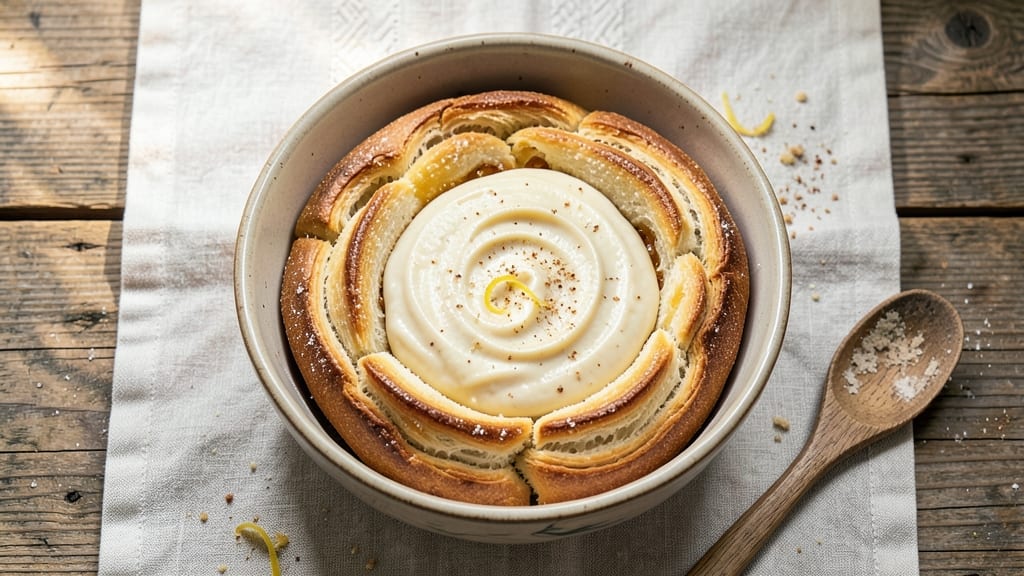
This Amish friendship bread recipe with pudding mix transforms a classic layered loaf into a decadent dessert with creamy custard swirls. The buttery dough layers encase a rich pudding filling, creating a harmonious blend of textures and flavors that’s perfect for special occasions or weekend treats.
Traditional Amish baking techniques ensure a tender, flaky crust, while the pudding mix adds a modern twist that keeps the filling luscious and smooth.
The magic happens in the assembly—rolling out the dough thinly, spreading the pudding mix evenly, and folding it into elegant layers. A slow bake in the oven develops that signature golden-brown crust while keeping the interior moist and rich.
Unlike store-bought versions, this recipe delivers creamy pudding pockets that stay gooey in every bite, thanks to a few key shortcuts like using boxed mix and precise temperature control.
What you’ll end up with is a loaf that’s as beautiful as it is delicious—flaky, buttery layers hugging a velvety pudding center, all baked to perfection. The aroma alone will have everyone gathering around the table, and the first slice reveals why this fusion is a crowd-pleaser.
Whether you’re serving it warm with ice cream or saving it for a cozy dessert, this recipe delivers restaurant-quality results at home.
Ready in about 1 hour, this recipe balances tradition with convenience, making it ideal for both experienced bakers and beginners. The instructions walk you through every step, from mixing the dough to assembling the layers, so you can achieve that professional finish without the fuss. Let’s get baking!
Ingredients for amish friendship bread recipe with pudding mix
Eight simple ingredients blend tradition and convenience for this Amish-inspired dessert loaf.
| Ingredient | Amount | Notes |
|---|---|---|
| All-Purpose Flour 🌾 | 4 cups | Sifted for lightness |
| Unsalted Butter 🧈 | 1 cup | Cold, cubed for flakiness |
| Granulated Sugar 🍚 | ¼ cup | White or light brown |
| Instant Vanilla Pudding Mix 🍦 | 1 box | Vanilla flavor preferred |
| Large Eggs 🥚 | 2 whole | Room temperature |
| Milk 🥛 | 1 cup | Whole milk for creaminess |
| Baking Powder 🍞 | 1 tsp | Aluminum-free preferred |
| Salt 🧂 | ½ tsp | Fine sea salt |
| Vanilla Extract 🍯 | 1 tsp | Pure extract preferred |
| Heavy Cream 🥛 | ½ cup | Cold for stability |
| Powdered Sugar 🍚 | ¼ cup | For dusting |
The pudding mix is the secret weapon here—Jell-O or Betty Crocker brands work best for that velvety texture. Look for instant vanilla (not the thick pudding kind) at the grocery store's baking aisle. The butter matters too: Land O'Lakes or Plugrá brands stay cold longer when cubed. For the flour, King Arthur or Bob's Red Mill are reliable choices, but any all-purpose will do. Keep everything chilled until assembly to prevent the dough from getting too soft.
No instant pudding mix? Make your own with cornstarch, sugar, and vanilla powder (mix 3 tbsp cornstarch, 1 cup sugar, 1 tbsp vanilla). Short on heavy cream? Whipped cream or half-and-half works in a pinch, but the fat content matters for that rich filling. The vanilla extract can be swapped for vanilla bean paste if you're feeling fancy. For a less sweet version, reduce the granulated sugar to 1/4 cup and add 1/4 cup chopped nuts to the dough layers. The baking powder is non-negotiable—it's what gives that flaky, tender crust.
Store leftovers in an airtight container at room temperature for up to 3 days, or refrigerate for 5 days if you want to keep it fresh longer. The pudding filling stays gooey when cold, but warms up beautifully when reheated. For ahead-of-time prep, assemble the loaf and refrigerate overnight—it bakes even better the next day. Freeze unbaked portions for up to 1 month by wrapping tightly in plastic wrap and foil. To serve, slice with a serrated knife for clean cuts, and dust with powdered sugar right before eating.
Why You'll Love This Recipe
- Pantry Magic: I swear by this one—no special ingredients, just flour, butter, and that magic pudding mix hiding in your cabinet. The moment you fold in the vanilla pudding, the dough transforms into something rich and tender without extra fuss.
- Buttery Vanilla Hug: That pudding mix isn’t just a shortcut—it’s the secret. The warm, custardy notes from the vanilla cut through the sweetness of the butter and sugar, giving you a bread that’s like a cross between a loaf and a dessert. Honestly, I reach for this over plain bread any day.
- Make-Ahead Miracle: Bake a batch on Sunday, and you’ve got breakfast, snacks, or even a quick dessert covered for the week. It reheats beautifully—just a few seconds in the toaster—and my kids still beg for it even after day three. (Yes, even on a Tuesday night.)
- Budget-Friendly Luxury: This recipe costs pennies to make but tastes like you spent hours baking. The pudding mix stretches the dough just enough to feel generous, and the butter makes it feel indulgent without breaking the bank. My go-to for potlucks or when I want to impress without stress.
Step-by-step instructions for Amish friendship bread with pudding mix
Transform simple pantry staples into a rich, layered loaf with this straightforward method.
Prepare the Creamy Pudding Filling
In a medium bowl, whisk together the 1 cup milk, 0.25 cup granulated sugar, and 1 box instant vanilla pudding mix until completely smooth. Let the mixture sit for 5 minutes to thicken slightly, stirring once halfway through. The filling should reach a pudding-like consistency—thick enough to hold its shape but still spreadable.
In a separate small bowl, lightly beat the 2 whole large eggs and 1 tsp vanilla extract together. Gently fold this egg mixture into the pudding until fully combined. This step ensures the filling remains silky rather than grainy. Cover the bowl and refrigerate while you prepare the dough—this resting time prevents the filling from overheating when baked later.
Create the Flaky Dough Layers
In a large mixing bowl, combine the 4 cups all-purpose flour, 1 tsp baking powder, and 0.5 tsp salt. Sift the dry ingredients together to aerate the flour and eliminate any lumps. Cut in the 1 cup cold unsalted butter using a pastry cutter or your fingers until the mixture resembles coarse crumbs with pea-sized butter pieces remaining. This texture is crucial for achieving the signature flaky layers.
Gradually add the 0.5 cup heavy cream while mixing with a wooden spoon or fork until the dough begins to come together. Press the dough into a 1-inch thick disk, wrap it in plastic wrap, and refrigerate for 30 minutes. Chilling firms up the butter, preventing it from melting during baking and ensuring those beautiful flaky layers we're after.
Assemble the Swirled Loaf
Preheat your oven to 350°F and line a 9x5-inch loaf pan with parchment paper. Roll out the chilled dough on a lightly floured surface to a 12x10-inch rectangle, about ⅛-inch thick. Spread the pudding filling evenly over the dough, leaving a ½-inch border around the edges. This border prevents the filling from oozing out during baking.
Starting from the long side, tightly roll the dough into a log, pinching the seam to seal. Place the sealed edge down in the prepared loaf pan. Use a sharp knife to make 6-8 diagonal cuts through the top of the loaf, about ½-inch deep. These cuts create the classic Amish friendship bread swirl pattern while allowing steam to escape for even baking.
Bake to Golden Perfection
Bake the loaf for 50-55 minutes until the top is golden brown and a toothpick inserted near the center comes out clean. The internal temperature should reach 205-210°F—this ensures the pudding filling is fully set while the bread remains moist. If the top browns too quickly, tent loosely with aluminum foil after 30 minutes to prevent over-browning.
Remove the loaf from the oven and let it cool in the pan for 10 minutes before transferring to a wire rack. While still warm, dust the top generously with the 0.25 cup powdered sugar using a fine-mesh sieve. The sugar will melt slightly from the residual heat, creating that beautiful snowy finish. Allow the bread to cool completely before slicing—this prevents the filling from becoming runny.
Pro Tips For Making Amish Friendship Bread Recipe With Pudding Mix
- Cream Butter Properly: Beat the butter and sugar until it’s light and fluffy—not just combined. I used to rush this, and the bread turned dense. Take the extra 2 minutes to scrape the bowl often; that’s when the air gets trapped for that classic tender crumb.
- Measure Pudding Mix Precisely: That little pudding box is not a scoop—pack it firmly into the measuring cup. Too little mix means weak vanilla flavor; too much makes the dough dry out. Tap the box on the counter twice before leveling it off.
- Bake Until Golden: The bread’s done when it’s deep golden, not just lightly browned. I learned this after pulling batches too soon—underbaked centers turn gummy. A toothpick should come out clean, but if it’s slightly sticky with moist crumbs, that’s perfect.
- Chill the Dough: Let the dough rest in the fridge for at least 30 minutes before baking. Skipping this makes the bread spread too much and lose its shape—even if you’re in a hurry. (Yes, even if you’re impatient like me.)
Pro cooking tips for this dish
Dough Temperature Control
The secret to flaky layers lies in keeping everything cold. Use cold butter straight from the fridge and cut it into ½-inch cubes for even distribution. If your kitchen feels warm, chill the dough for an extra 15 minutes before rolling.
I’ve found that Land O'Lakes butter stays cold longer than store brands, which helps maintain those perfect flakes. 🧈
Work quickly when handling the dough—warm fingers can soften the butter too fast. If the dough feels sticky after mixing, refrigerate it for another 10 minutes before rolling. This extra step prevents the filling from leaking out during baking and ensures clean layers.
Pudding Filling Tricks
For a smoother filling, whisk the pudding mix with warm milk (about 110°F) instead of cold. The slight warmth helps dissolve the mix completely, preventing lumps. Let it thicken for 5 minutes before folding in the eggs—this prevents curdling.
I’ve had the best results with Jell-O instant pudding mix, as it dissolves faster than some brands.
If your filling seems too thick, stir in 1 tablespoon milk at a time until it reaches a spreadable consistency. For extra richness, replace 2 tablespoons of milk with heavy cream in the pudding mixture. This small swap makes the filling taste like it came from a bakery.
Baking Time Mastery
Every oven behaves differently, so start checking for doneness at 45 minutes. Look for a deep golden color and listen for a hollow sound when tapping the bottom. The internal temperature should hit 205-210°F—this ensures the pudding is fully set but still creamy.
If the top browns too quickly, tent with foil after 30 minutes and reduce the temperature to 325°F for the remaining time.
Don’t overbake! The loaf will continue cooking as it cools. Once out of the oven, let it rest in the pan for 10 minutes before transferring to a rack.
This prevents the filling from oozing out when you slice it. For a restaurant-quality finish, dust with powdered sugar while still warm—it’ll melt slightly for a snowy effect. ✨
Swirl Pattern Perfection
Use a serrated knife to make clean, diagonal cuts—about ½-inch deep and spaced 1 inch apart. This creates the classic Amish swirl while allowing steam to escape for even baking.
For extra flair, make the cuts in a crisscross pattern before rolling the dough. I like to use a sharp chef’s knife for precision.
If your filling leaks during baking, it means the dough wasn’t rolled thin enough. Aim for a ⅛-inch thickness and leave that ½-inch border around the edges. For a more dramatic look, brush the top with egg wash before baking—it adds shine and helps the cuts stay crisp.
Nutrition facts
Frequently asked questions
Can I use any flavor pudding mix for this recipe?
Vanilla is the classic choice, but you can experiment with other flavors! Chocolate or butterscotch pudding mix works beautifully for a richer taste, while lemon or coconut adds a bright twist. Just note that darker flavors like chocolate may require slightly more sugar in the dough to balance the sweetness. For best results, stick to instant pudding mixes—they dissolve smoothly without lumps.
Why does my pudding filling leak out during baking?
This usually happens when the dough isn't rolled thin enough or the filling isn't spread evenly. Aim for a ⅛-inch thick dough and leave a ½-inch border around the edges. Also, ensure your pudding mixture is fully thickened before assembling—it should hold its shape but still be spreadable. If it's too runny, let it sit for an extra 5 minutes before using.
Can I make this recipe without a loaf pan?
Yes! You can bake it in a 9-inch round cake pan or even a 9x13-inch baking dish for a different shape. For the round pan, make 8-10 cuts radiating from the center instead of diagonal slashes. In a baking dish, roll the dough into a log and place it directly on the pan (no need for parchment). Bake times may vary slightly—check for doneness at 45 minutes.
How do I store leftovers to keep the filling creamy?
Store in an airtight container at room temperature for 2-3 days, or refrigerate for 5 days. The filling stays best when cold—reheat slices in the microwave for 10-15 seconds to restore creaminess. For longer storage, freeze the baked loaf (wrapped tightly) for up to 1 month. Thaw overnight in the fridge before serving.
Can I add raisins or nuts to the dough?
Fold in ½ cup raisins or ½ cup chopped pecans with the dry ingredients for texture. For extra flavor, add 1 tsp cinnamon to the dough. Just reduce the sugar slightly (to ¼ cup) if using very sweet additions like raisins. Distribute the mix evenly before rolling to prevent uneven pockets in the baked loaf.